Mumbai-nummeret
Inside Mani Bhavan, Gandhi's Mumbai headquarters
Entry to Gandhi's Gamdevi bungalow is ₹20 to ₹25 at the door, and an hour covers it. The house stands five minutes up from the Babulnath steps.
Af Aditi RaneThe city read by its facades
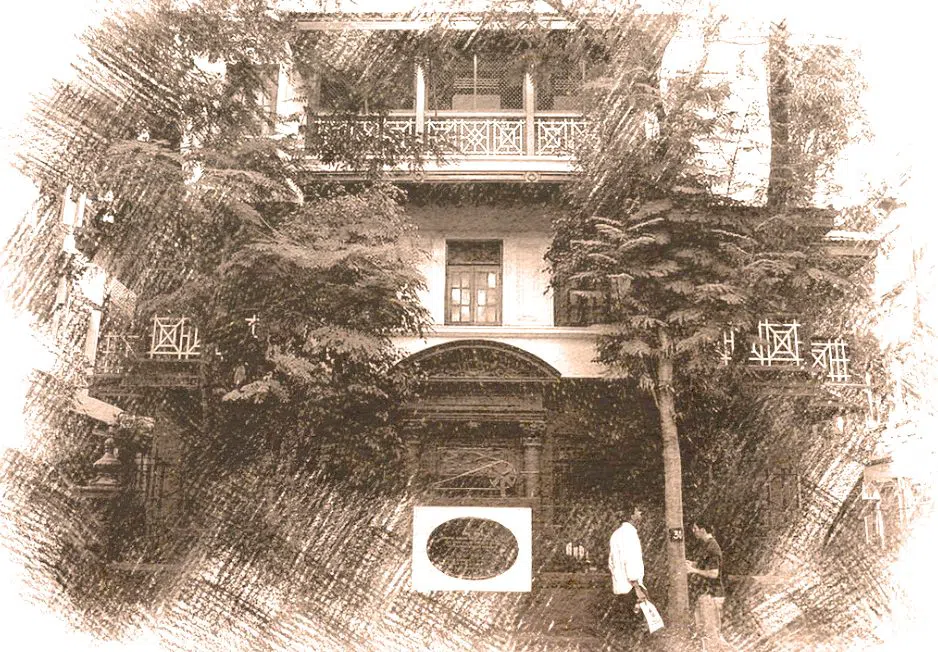
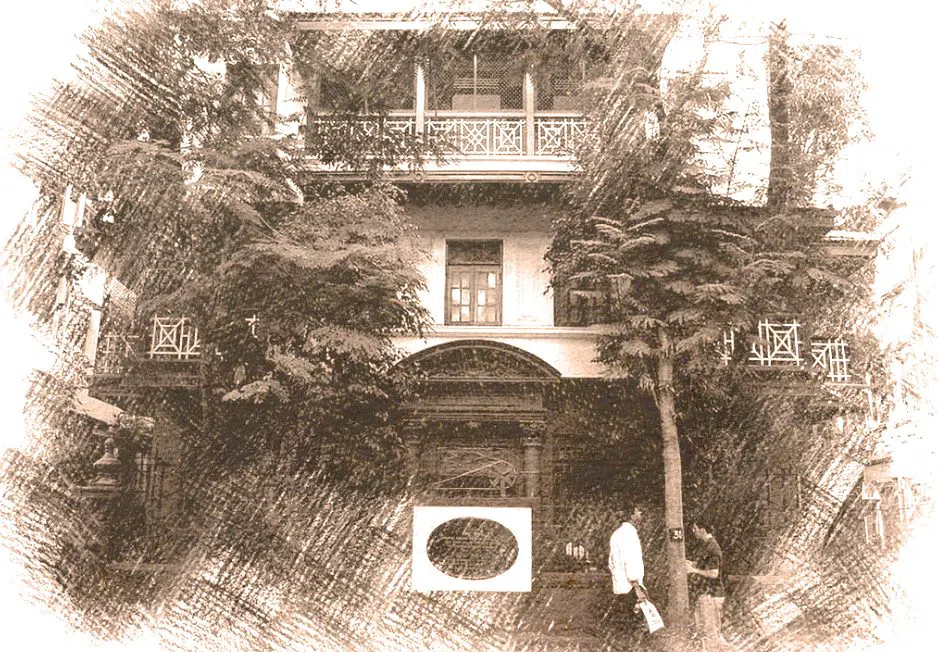
Gandhi ran his Bombay work from a cream-and-brown bungalow on a tree-lined lane in Gamdevi between 1917 and 1934. Entry at the door costs ₹20 to ₹25. The upstairs room he used holds a floor mattress and a charkha spinning wheel.
What you see inside the house
Mani Bhavan Gandhi Sangrahalaya (Gamdevi) is a two-storey Gujarati bungalow with deep wooden verandas, and a narrow wooden staircase takes you up through it. The lane outside carries little traffic, so the house stays quiet.
The bare second-floor room is what people climb the stairs for. A floor mattress lies on the boards, the charkha stands in the same room, and two low writing desks are the rest of the furniture. Nothing has been dressed up for display.
One floor above, glass-fronted dioramas hold tiny figures. The house is quiet, and the point of coming is to stand in rooms that worked as a headquarters for 17 years.
Planlæg din rejse til Mumbai
Aktuelle priser fra vores bookingpartnere.
Gratis afbestilling på mange værelser. Vi kan modtage provision, når du booker.
How long it takes
Give it an hour. The house opens daily from 9.30 a.m. to 6 p.m., and the first hour after opening is the one to take, when the staircase is clear and the upper rooms are empty.
The staircase and the small rooms are tight. More than 20 people bunch up on the stairs, so walk a big group in two halves. School and college parties arrive without booking and fill the upper floors quickly.
Paying at the door or walking it with a guide
You pay on the way in and there is nothing to book. An hour of real history here costs very little, so what you spend depends on whether you want the rooms explained to you.
Khaki Tours runs scheduled public walks from ₹699 to ₹1,199 per head, and private group walks start at ₹5,999. They cover Gandhi's Bombay and the Banganga precinct properly, the calendar runs year-round, and you book direct with them.

The private sightseeing tours that take the house in as a stop run seven days a week, and they book up steadily. Fix your date in advance if you want a private guide.
Five minutes downhill to Babulnath
Shri Babulnath Temple (above Chowpatty) stands on a rocky knoll five minutes downhill from the museum. Its tall tapering stone shikhara rises against palm tops and sea haze, and a long covered flight of steps climbs to the entrance, lined with sellers of flowers and bel leaves. An old lift shaft sits to one side of the climb.
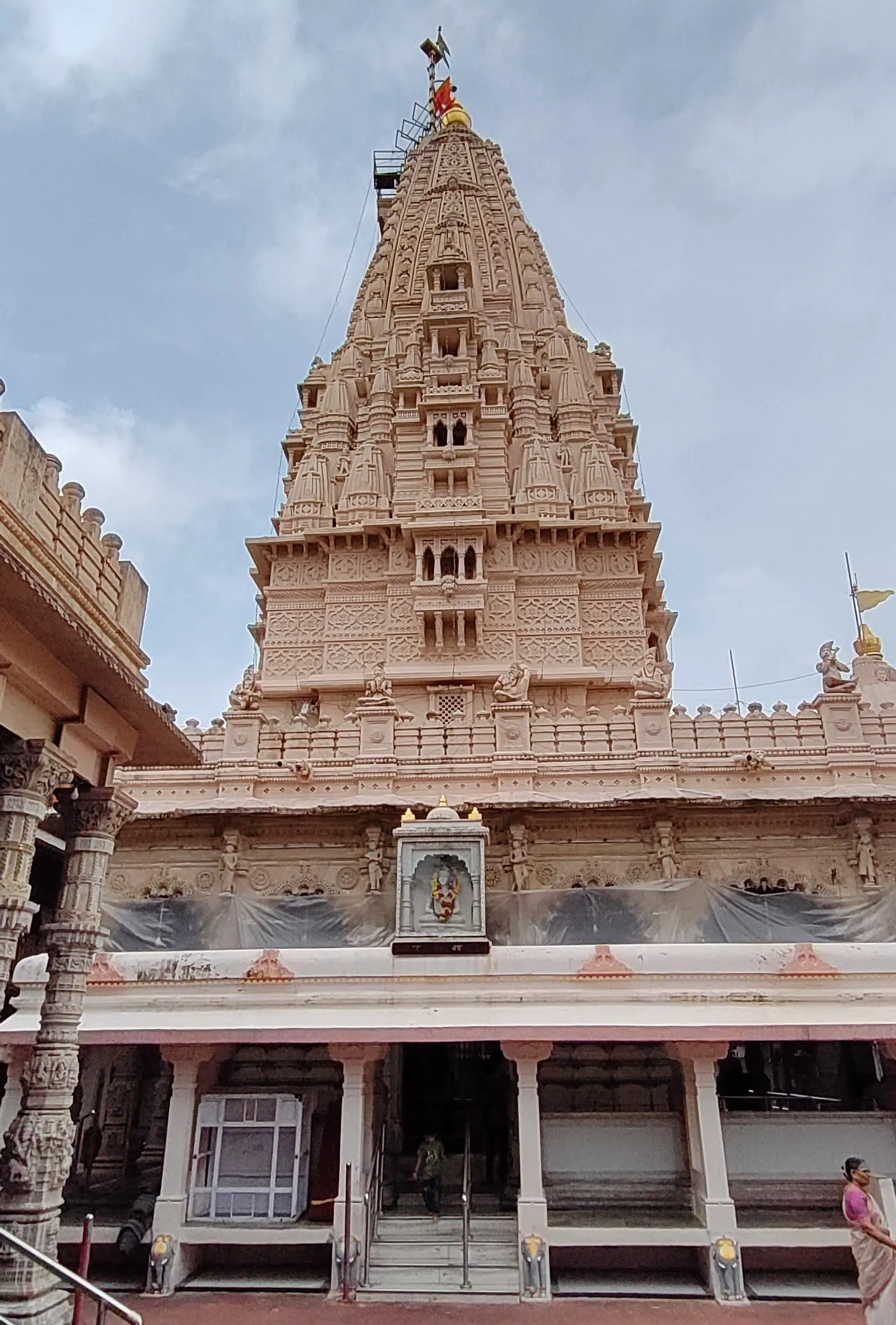
Entry is free and open to all, including non-Hindus. Leave your shoes at the entrance, and cover shoulders and knees before you start up the steps.
August Kranti Maidan, 10 minutes on
August Kranti Maidan (Gowalia Tank Maidan) is a 10-minute walk from the museum, the ground where Gandhi gave the Do or Die Quit India speech on 8 August 1942. Come here after the house, in that order, and the rooms you have just walked through make more sense.

The maidan is a wide dusty open ground ringed by a walking track and cricket nets, with apartment blocks closing in on all sides. A white stone martyrs' memorial carries wall-mounted 3D relief carvings of the 1942 crowd. The ground is public and free, and nobody minds where you stand or how long you stay.
Gujarati lunch near the museum
Soam (opposite Babulnath) is the easiest good lunch within walking distance, a small bright corner room whose full-height glass looks straight at the Babulnath spire. Panki arrives steamed between banana leaves, thalis come in pale wood and steel, and undhiyu is the winter reason to go. Prices sit at ₹₹.
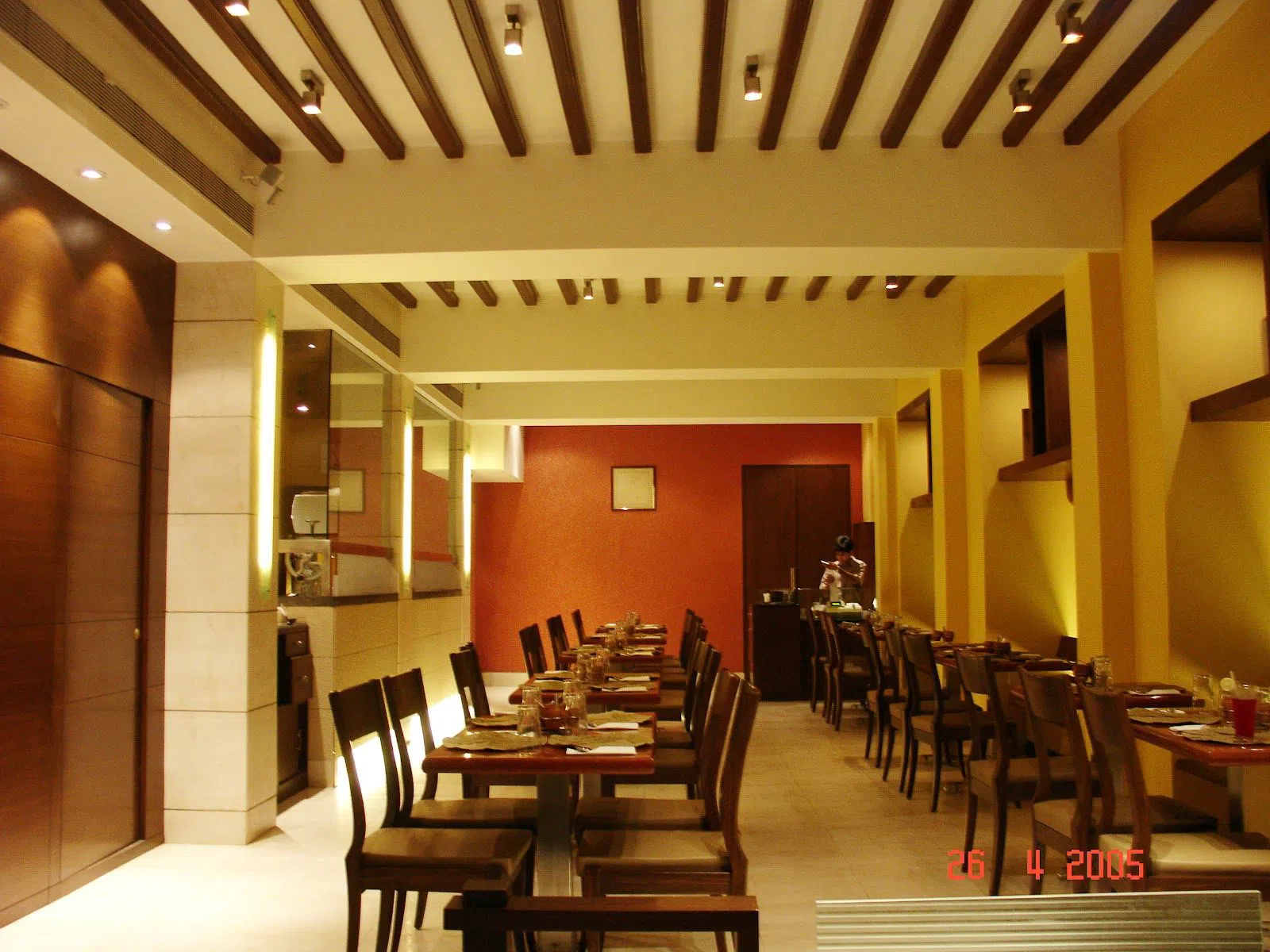
The room is tiny, which puts the practical limit at four to six people, and there is a pavement wait at 1 p.m. and 8 p.m. Service can be brusque when every table is full.
Swati Snacks (Tardeo) is 15 minutes from the museum, opens from 11.45 a.m. to 10.30 p.m., and sits at ₹₹. It takes no reservations and a street queue forms at peak, so eat off-peak. The room is a minimal white steel-and-concrete canteen with an open kitchen behind glass, long communal tables and the street visible through the front; panki and pani puri go out on small steel plates. A first-time visitor who wants Gujarati street snacks served cleanly should start here.
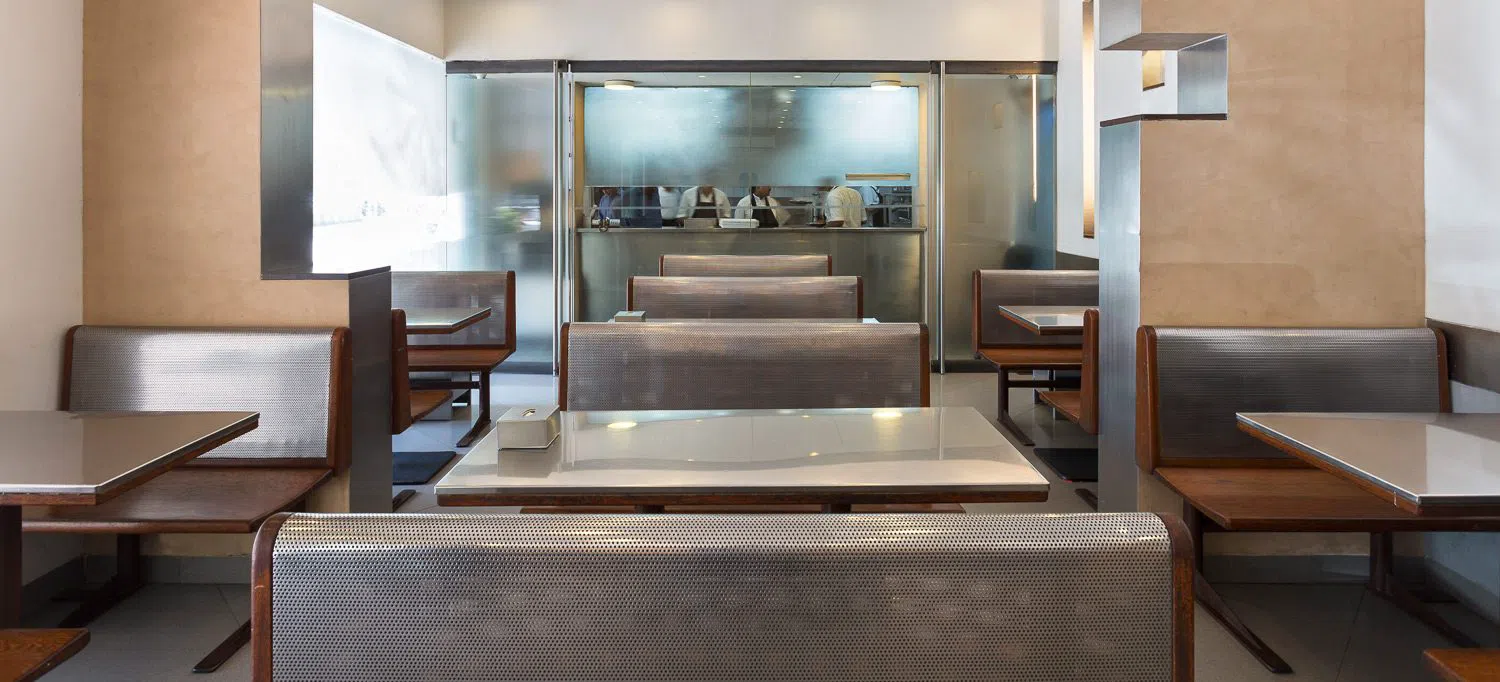
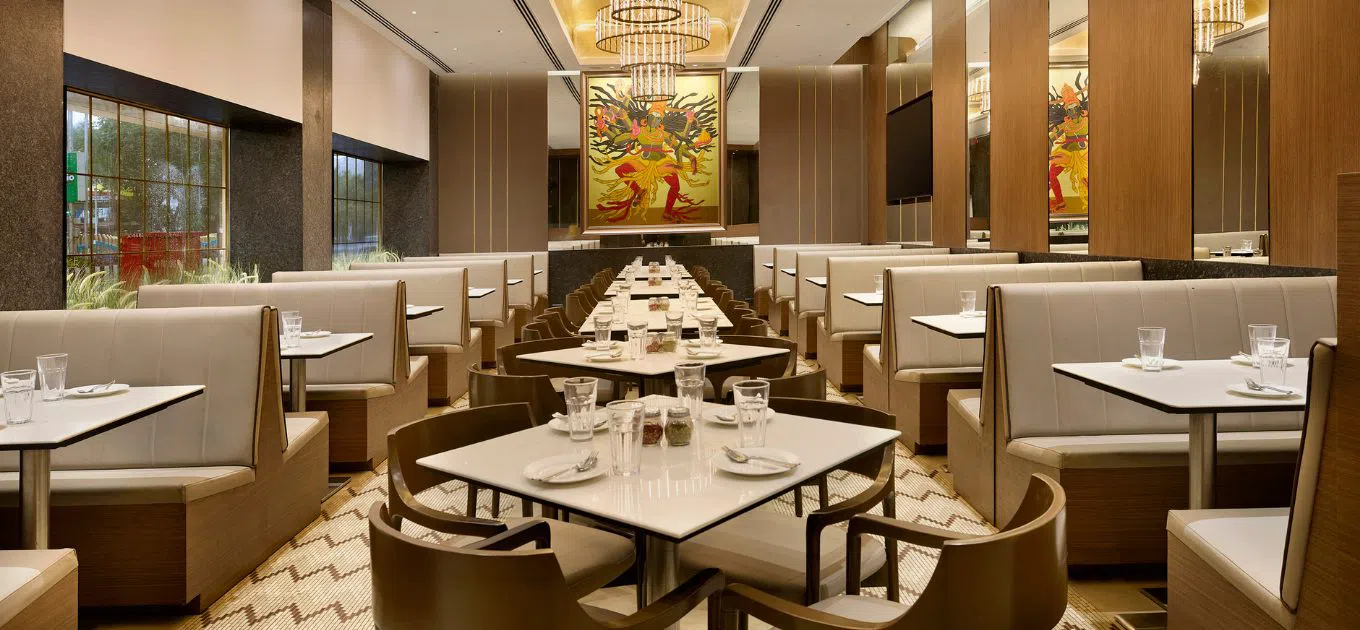
Cream Centre (Chowpatty Seaface) is the original 1958 outlet, now past 68 years on the sea face and recently refitted, at ₹₹. Sea-face windows, booth seating and a 1950s-diner interior make it the air-conditioned stop between the beach and the museum when the carts feel like too much. The signature balloon-sized bhatura arrives beside a bowl of channa. It takes bookings.
Girgaum Chowpatty and Marine Drive
Girgaum Chowpatty is 15 minutes' walk from the museum, a shallow curve of grey-brown sand under a wall of high-rises, with Tilak's statue at the north end and the lit arc of Marine Drive running off to the right. Bhelpuri and pav bhaji carts work the sand behind hissing griddles and brass lamps. Sunset is the hour to come, and the cart food is all it costs you.
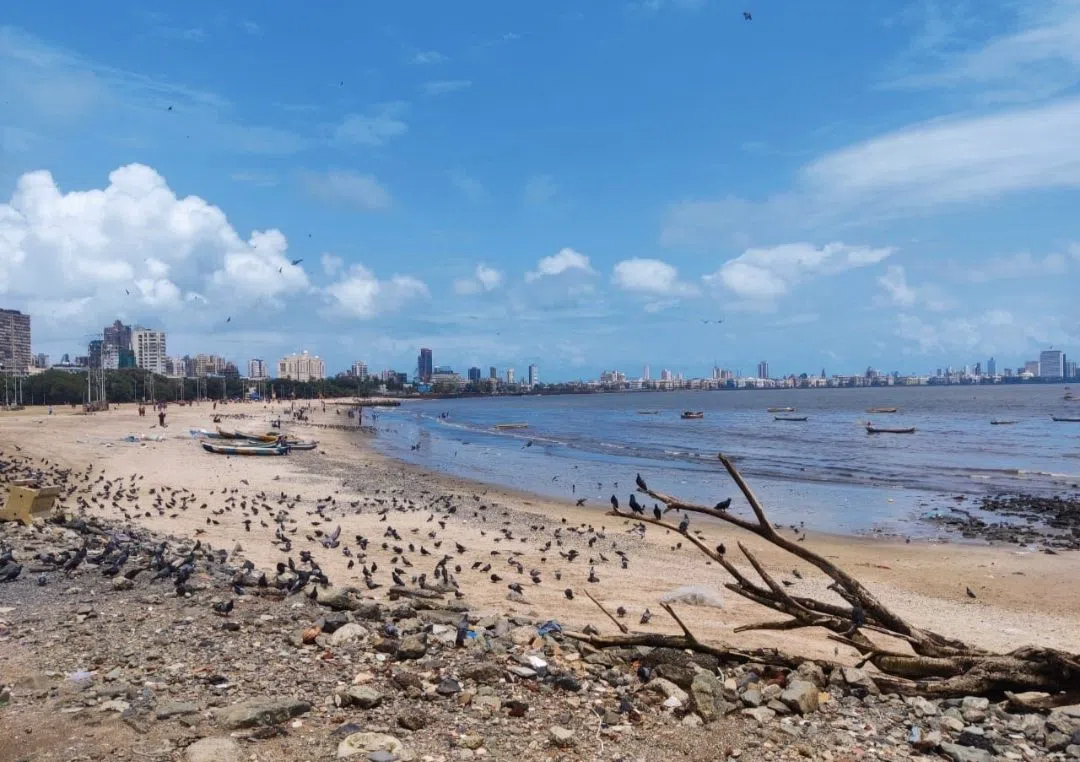
Eat from the carts and stay out of the water. It is polluted, and the BMC hauls tonnes of waste off this beach every season.
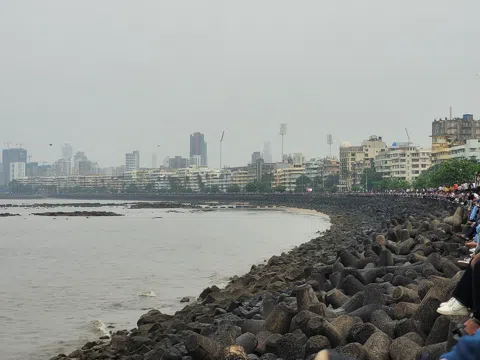
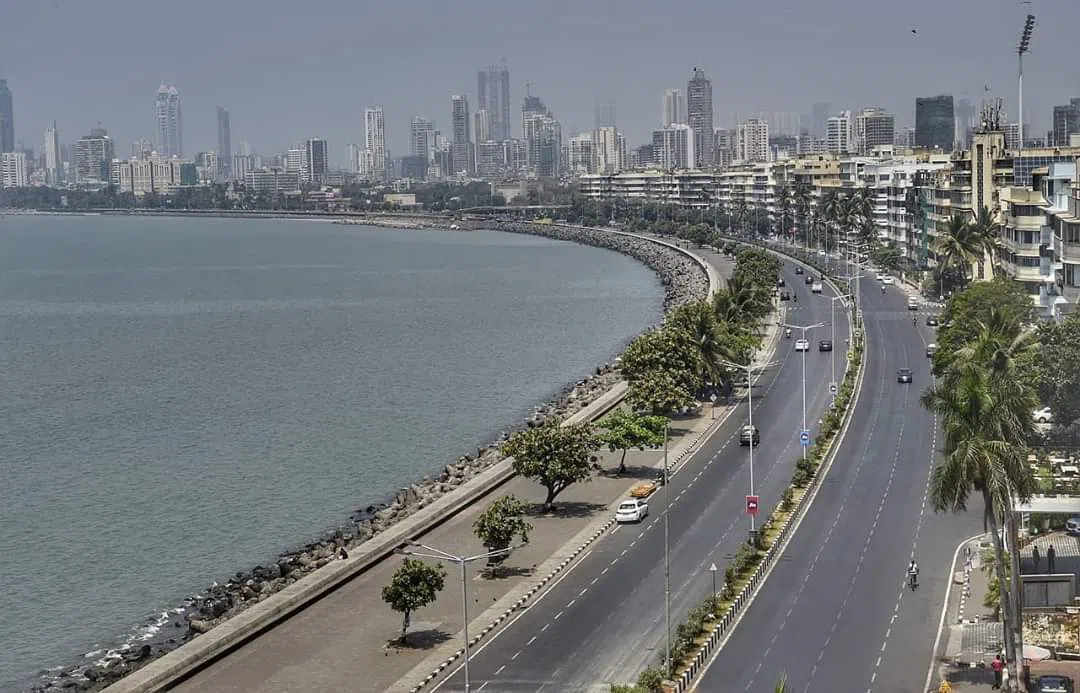
Marine Drive starts where you turn south out of Chowpatty, free and open at any hour. The promenade runs three kilometres on a tetrapod seawall, couples sit along the low parapet, and a continuous row of weathered Art Deco apartment blocks stands behind. After dark the streetlights curve away in one long line of light. Coastal-road and tunnel works have fenced off some stretches.
Malabar Hill, the park and the tank
Kamala Nehru Park (Malabar Hill) is free and open from 5 a.m. to 9 p.m., a small terraced hilltop garden of clipped hedges and a lily pond, with the concrete Old Woman's Shoe you can climb inside. The railing at the edge gives the one real panorama near the museum, straight down the Chowpatty crescent and along Marine Drive. The Hanging Gardens opposite sit inside a long-running reservoir dispute, so treat that half of the hill as uncertain.

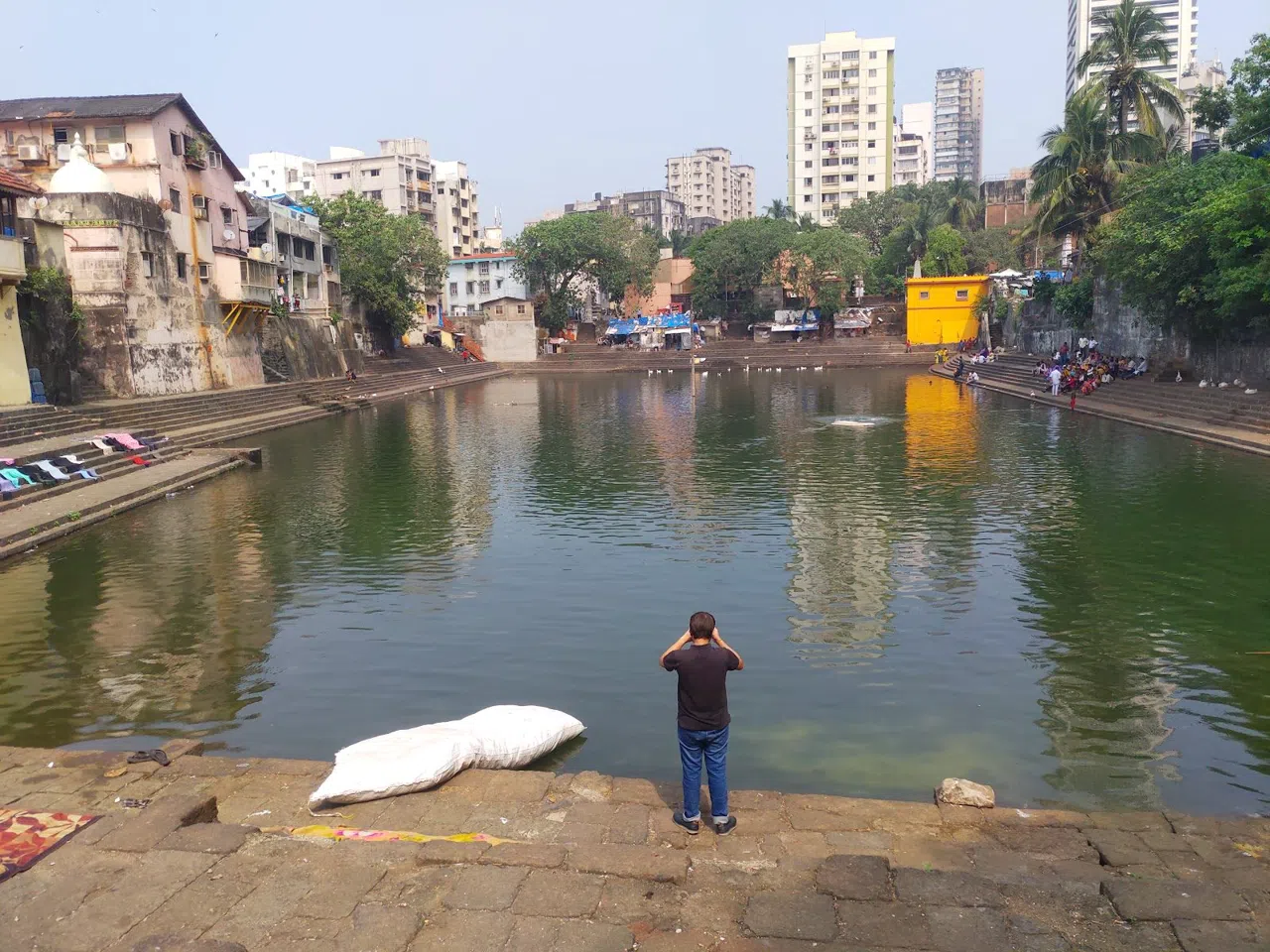
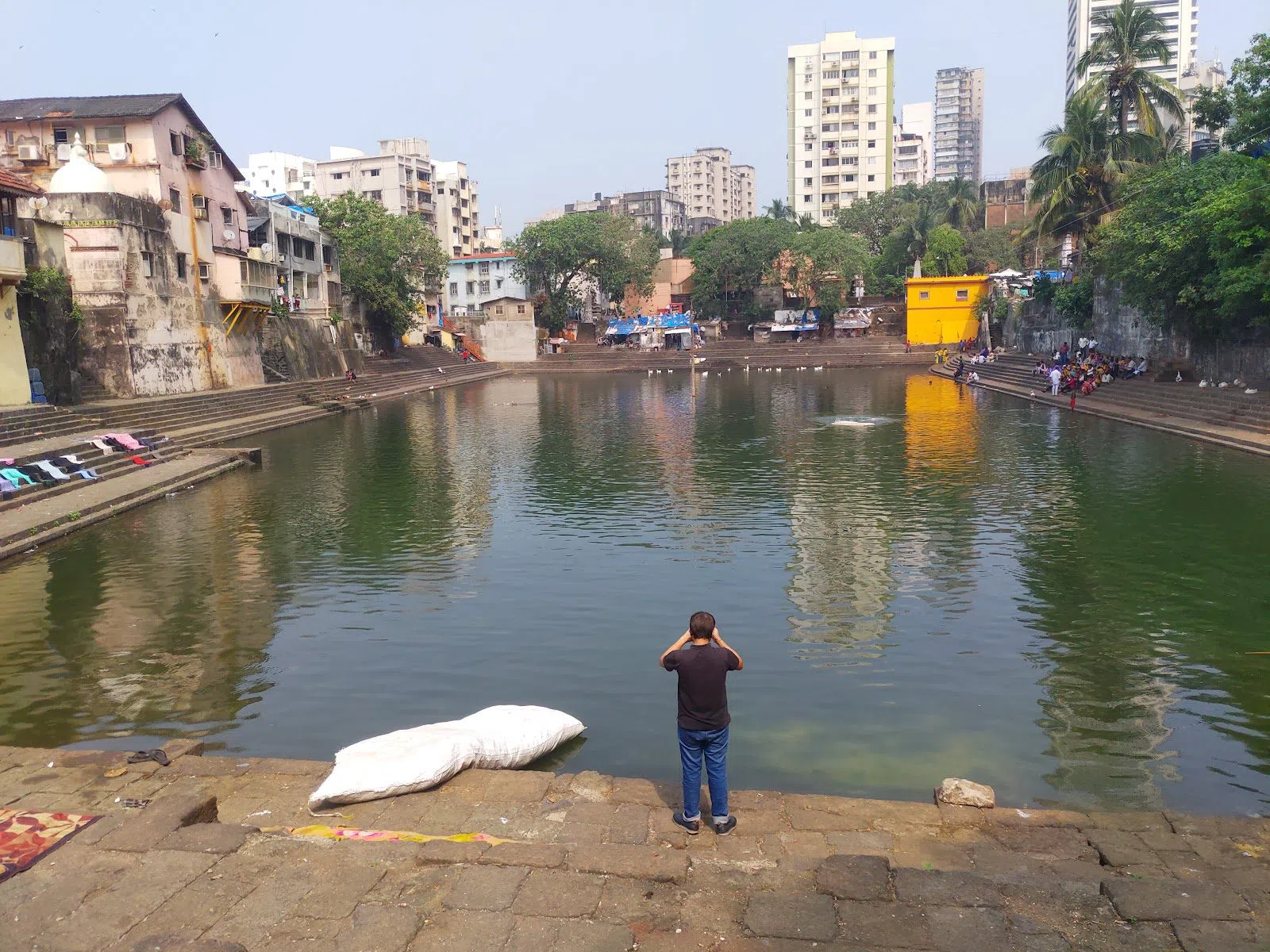
Banganga Tank (behind Malabar Hill) is an eleventh-century freshwater tank sunk below street level, free and open, and it feels older than anywhere else in the city. Worn black stone steps run down all four sides, small painted temples and tall stone deepstambha lamp pillars stand at the corners, and geese and crows work the water. BMC restoration runs in phases and covers desilting, heritage stonework and lighting, and hoardings currently sit on part of the steps. The lanes in are narrow, which suits a handful of people walking in together.
Haji Ali Dargah and the tide
Haji Ali Dargah is three kilometres up the sea face from the museum, free and open from 5.30 a.m. to 10 p.m. with nothing to book. The white marble domed shrine stands on a rock islet, reached by a 500-metre concrete causeway that goes under the sea at high tide, and qawwali singers and stalls of rose petals and skullcaps hold the shore end.
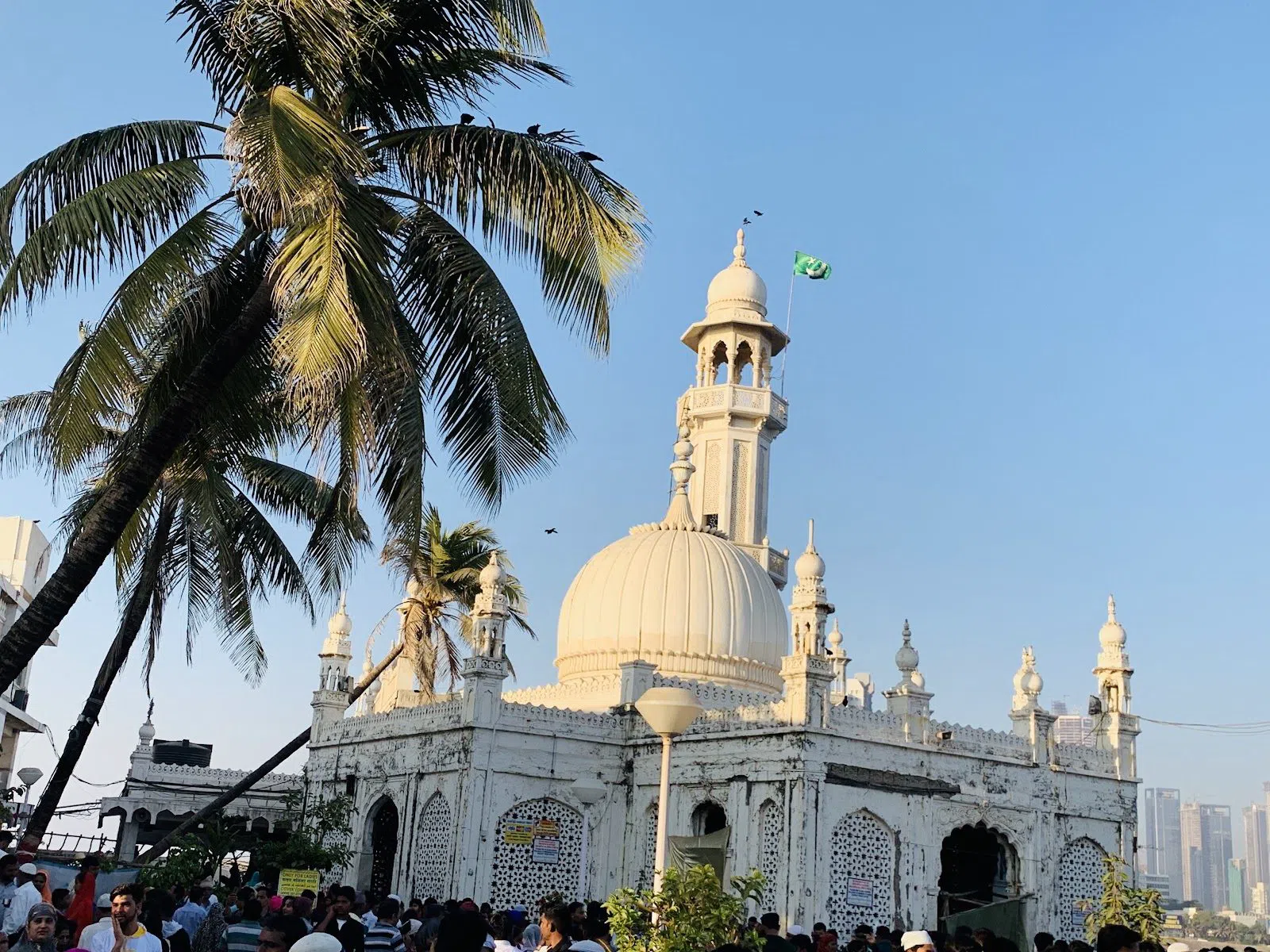
Shoes come off and dress is modest. Here you check the tide table before you check the opening hours.
Two bigger museum collections
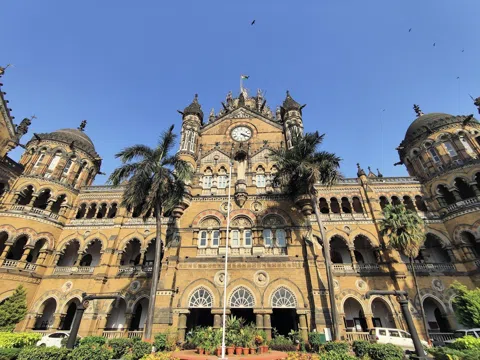
Chhatrapati Shivaji Maharaj Vastu Sangrahalaya opens daily from 10.15 a.m. to 6 p.m., last ticket 5.45 p.m., at ₹₹₹, and a foreign adult pays ₹700 with the audio guide included. The Indo-Saracenic yellow-basalt building sits under a huge ribbed tiled dome behind palm gardens and a circular drive, and the galleries run through Gandhara stone heads and miniature paintings. Come here for the large general collection to set against a single-subject house.
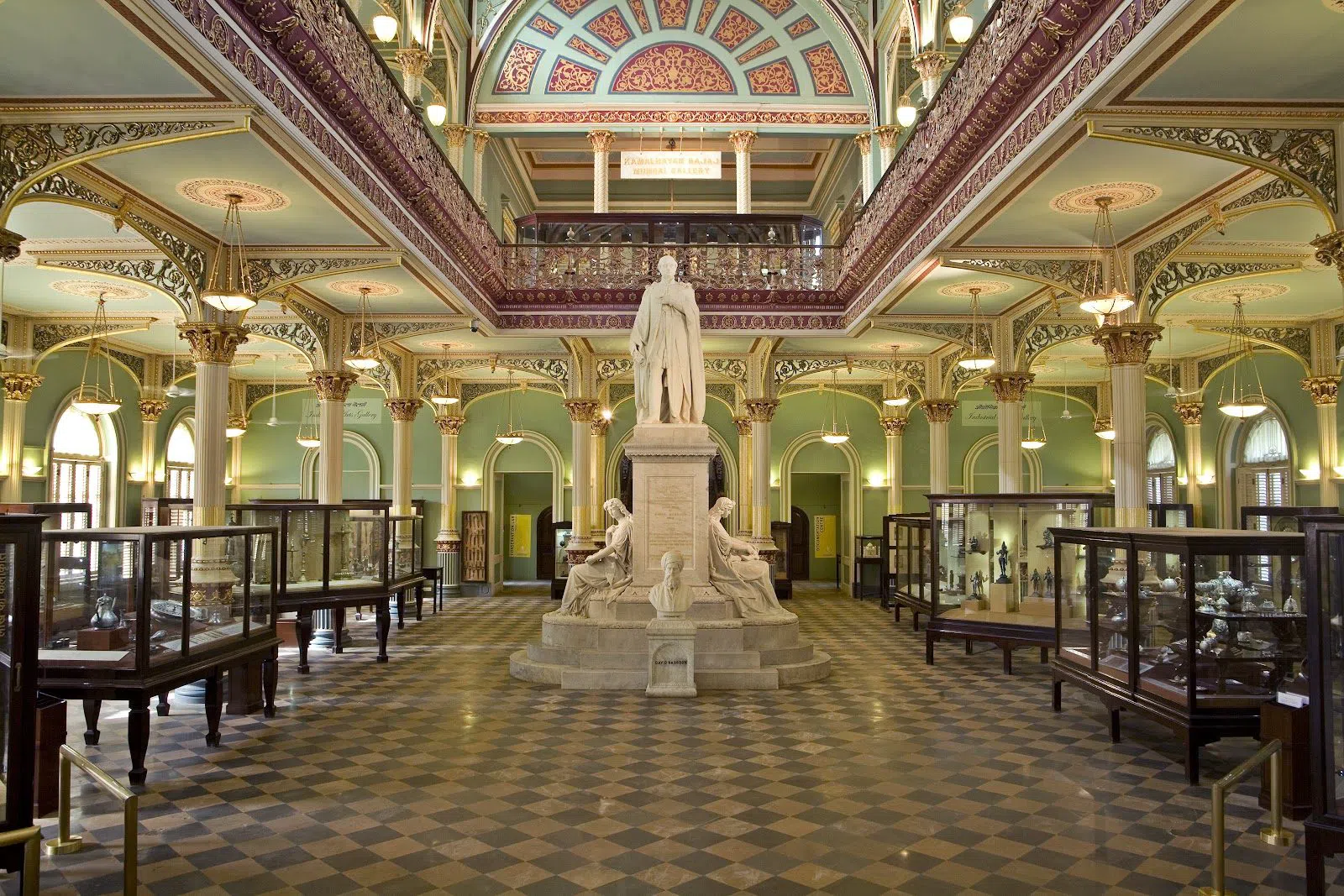
Dr Bhau Daji Lad Mumbai City Museum (Byculla) is a short cab from Gamdevi and opens from 10 a.m. to 5.30 p.m., at ₹. The hall has slender cast-iron columns, gilded ceiling panels and Minton floor tiles, with lit cases of clay dioramas showing nineteenth-century Bombay trades. No museum interior in the city has been restored as well, and the rotating contemporary shows mean a second visit pays. Free guided tours run on Saturday and Sunday, at 11.30 a.m. in English and 12.30 p.m. in Hindi and Marathi.
An evening at the Royal Opera House
The Royal Opera House, Mumbai is a 15-minute walk from Mani Bhavan and the obvious evening after a morning in the house, at ₹₹. It is India's only surviving opera house, 10 years on from its 2016 restoration, and it runs more than 200 events a year.
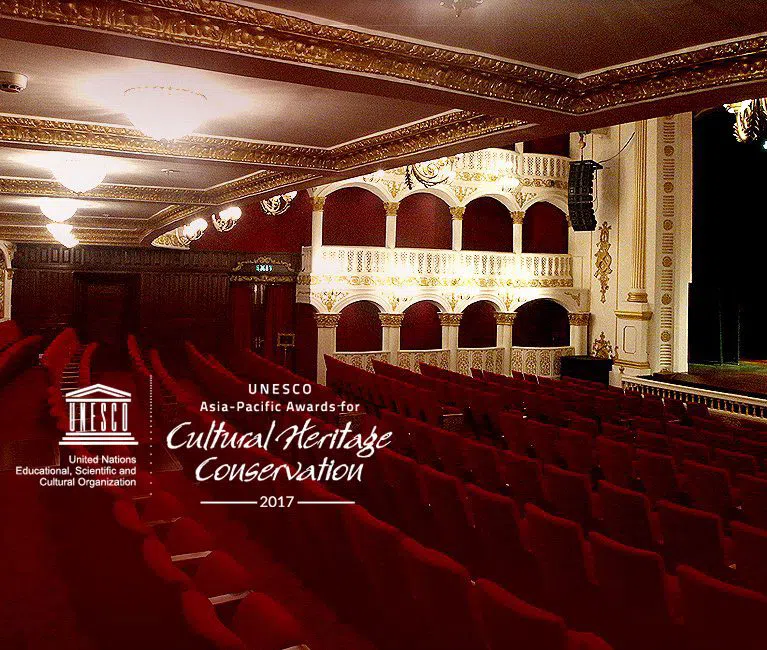
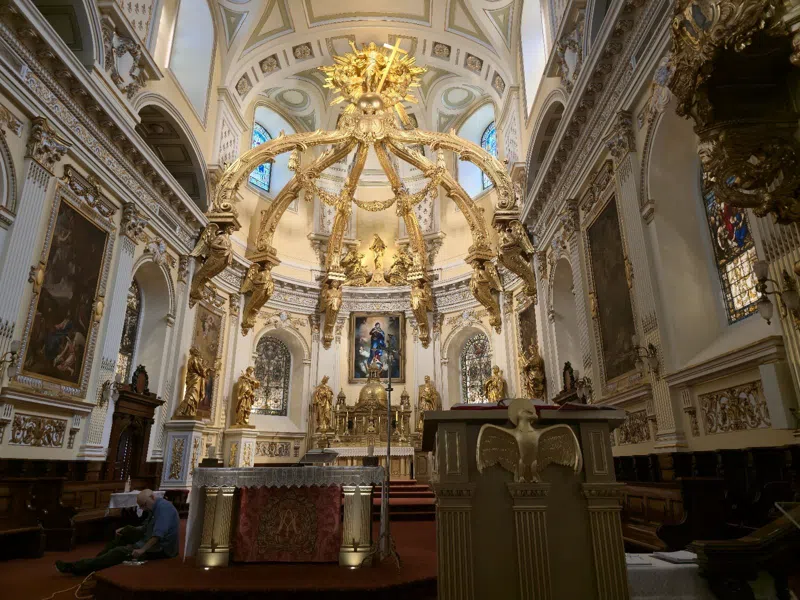
The auditorium is Baroque white and gilt, with a curved marble staircase, tiered gilded boxes, restored stained glass over the foyer and a deep 1911 proscenium arch under a chandelier. You see it only with a ticket to a performance; the building does no walk-in sightseeing. Tickets and block bookings go through the box office.
Is it worth an hour
It suits a visitor with a free morning in south Mumbai who wants to stand in the rooms where Gandhi worked between 1917 and 1934. The house asks for quiet attention and gives back one bare room, a charkha and a set of dioramas, for the price of a door ticket.
Best time to go
Morning, at opening, for the house itself. The museum opens every day, so the days to watch belong to everything you pair with it.
Avoid Wednesday on the hill and in Byculla. Kamala Nehru Park closes for maintenance, and the Bhau Daji Lad museum closes on Wednesdays and on public holidays.
At Babulnath, keep clear of Monday evening and the 5.30 p.m. darshan window, when the steps are at their busiest. Haji Ali is packed on Thursdays, Fridays and Sundays. Weekday mornings are noticeably quieter at Chhatrapati Shivaji Maharaj Vastu Sangrahalaya.
Before you go
Mani Bhavan needs no booking and the door handles the ticket, so the only things to arrange in advance are a performance at the Royal Opera House and a date for a private walk. See the Mumbai guide and the Mumbai hotel search.
Før du rejser
How much does it cost to get into Mani Bhavan?
Entry is ₹20 to ₹25, paid at the door. You do not need to book ahead.
How long do you need, and when is it open?
An hour covers the house. It is open daily from 9.30 a.m. to 6 p.m. Come in the first hour after opening and you get a clear staircase and empty upper rooms.
What do you actually see inside?
The house is a two-storey Gujarati bungalow with deep wooden verandas and a narrow wooden staircase. The bare second-floor room holds a floor mattress, a charkha spinning wheel and two low writing desks. The floor above has glass-fronted dioramas of tiny figures.
Is a guided walk worth it over just paying at the door?
The door ticket already gets you everywhere, so a guide is worth it for the context only. Khaki Tours runs scheduled public walks from ₹699 to ₹1,199 per head and private group walks from ₹5,999. The routes cover Gandhi's Bombay and the Banganga precinct, and you book direct with them.
Can a school group or a large party visit?
Yes, groups and school or college parties can come in freely, without booking. The staircase and small rooms are tight, so split a party of more than 20 into two halves.