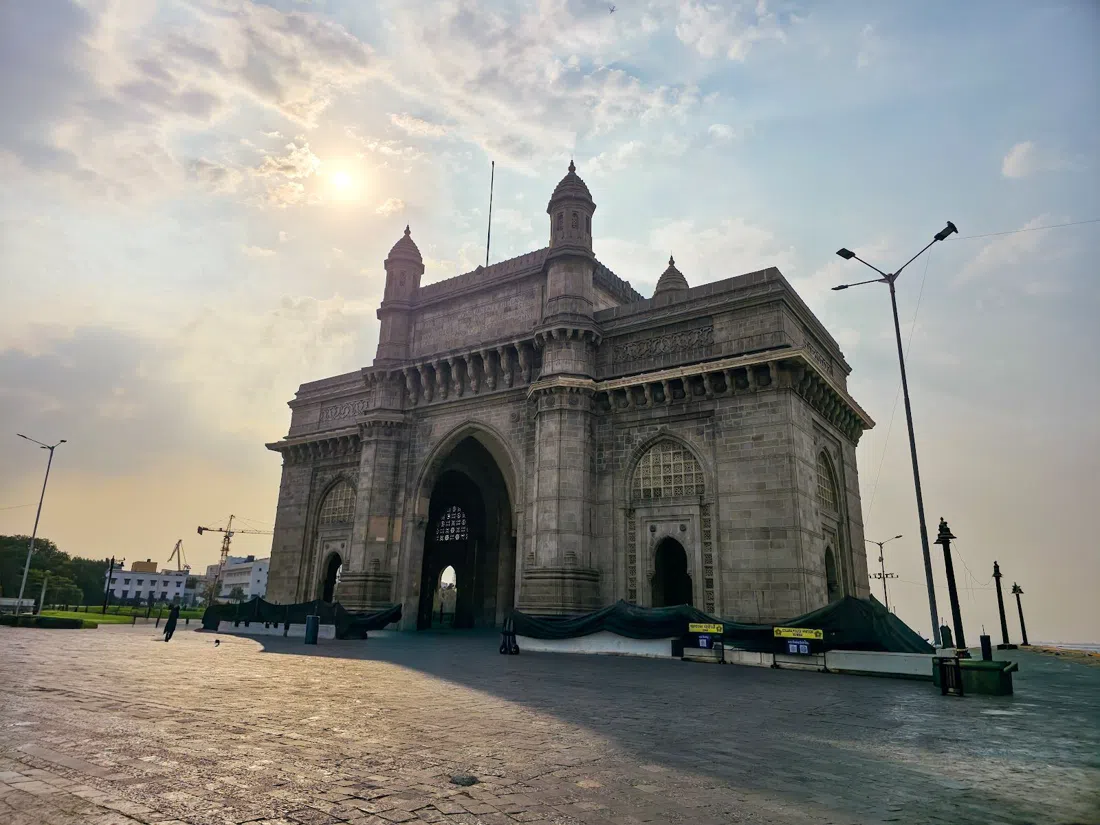
At 6.40 on a weekday morning the plaza behind the Gateway of India (Apollo Bunder, Colaba) belongs to about forty people: walkers finishing a loop of the seafront, boatmen sluicing down their launches, a tea seller setting up in the shade of the hoarding. The early sun falls on the harbour face of the arch, which is the side everyone wants to photograph and the side that has gone flat and grey by three in the afternoon. By nine the same square holds several hundred people and a line at the security scanner, and the morning you came for has closed behind you.
What you are actually looking at
The Gateway is a ceremonial arch of yellow basalt standing on the eastern waterfront of the city, facing the harbour rather than the open sea. It was raised to mark a royal landing in 1911, took until the mid-1920s to finish, and in 1948 it served the opposite purpose when the last British troops in India marched out through it to their ships. The arch was built as an entrance and is best remembered as an exit.
What you do here is simple and it is free. You walk around it, you look through it at the water, you watch the launches load, and you turn and look back at the long facade of the hotel behind you. There is no interior, no ticket, no visitor centre and no interpretation panel worth reading. The plaza and the arch have also been under a long conservation and upgrade programme, so scaffolding or site hoarding may still screen part of the stonework when you arrive. Nobody will warn you in advance. If a clean, unobstructed photograph of the whole arch is the point of your trip, accept that you may have to shoot it from the water instead.
How long a morning takes
The monument itself is twenty minutes. Fifteen if the light is poor and you are not fussy. Knowing that before you go matters, because the disappointment people report almost always comes from having budgeted two hours for an arch and finding nothing to fill them with.
The precinct around it is the reason to come, and that is a comfortable four to five hours on foot. A sensible shape for the morning: arrive at 6.30 for the arch and the empty plaza, take a harbour launch at around 7.30, have breakfast at 8.00, and spend from 10.15 to noon in the museums ten minutes north. Everything in this guide sits inside a twenty-minute walk of the arch except the seafront promenade, which is a short cab ride away and belongs to the evening. You do not need a car for any of it.
The harbour launches at Apollo Bunder
The Apollo Bunder Ferry Wharf (Apollo Bunder, directly behind the arch) sells the cheapest worthwhile thing in the precinct. A short harbour circuit of twenty to thirty minutes costs roughly ₹70 to ₹130 per person, you buy at the huts on the wharf, and there is nothing to reserve. You walk up, pay, and wait for the boat to fill. The launches seat somewhere between sixty and a hundred, so a group of twelve is no problem at all, and a whole-boat charter is possible if you ask at the huts.

Go because it is the only way to get the photograph that everyone actually wants: the arch and the hotel together, from the water, with the harbour traffic in front of them. The boats are open, low and unshaded, so the earlier you go the more pleasant it is. A new passenger jetty about 280 m south of the arch, near the Radio Club, is set to take over boarding, and the project has been costed at ₹229 crore, so confirm at the wharf where your boat actually leaves from rather than assuming it is the old steps.
Elephanta and the half-day decision
If you want more than a morning, the Elephanta Caves on Gharapuri Island (a one-hour harbour crossing from Apollo Bunder) are the best half-day available from these steps. Ferries leave roughly every thirty minutes, the first boat out is at 09:00, the last out is around 14:00 and the last boat back is 17:30. Reckon on about ₹200 return for economy, ₹260 for luxury, plus the Archaeological Survey entry fee, which is higher for foreign visitors, and about ₹10 for the little toll train at the jetty.
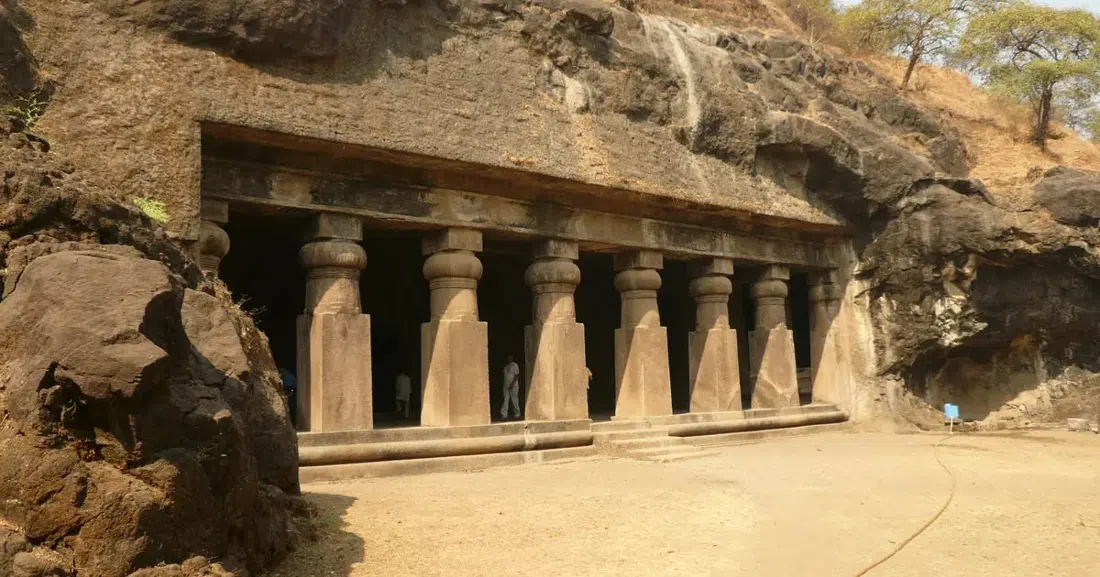
The island is closed on Mondays, which catches out a great many cruise passengers who have exactly one day in port. And there are 120 steps from the jetty up to the caves, in the open, which rules the trip out for anyone with limited mobility and makes it unpleasant for anyone who dislikes heat. Groups manage it easily and guided parties are common up there.
Elephanta and a leisurely Gateway morning do not both fit before lunch. Take the 09:00 boat and you skip the museums; stay ashore and you get the precinct properly. Choose one.
Breakfast and the cafés five minutes from the arch
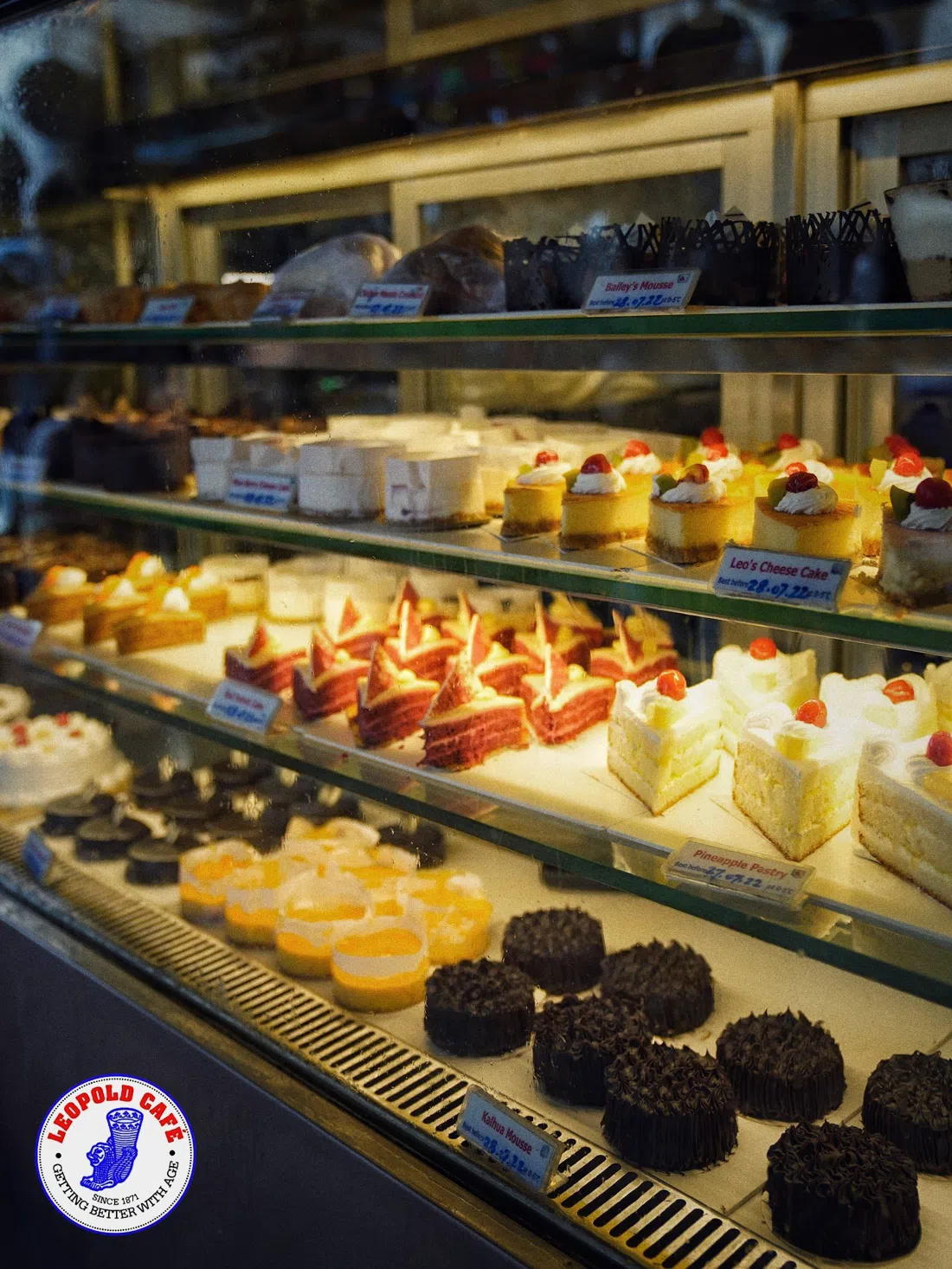
Leopold Cafe & Bar (Colaba Causeway, a five-minute walk from the arch) opens at 07:30 and runs to midnight, which makes it the obvious early base before the plaza fills. It takes no bookings, seats groups happily at long shared tables, and costs ₹600 to ₹1,200 a head with a beer. It is also firmly on the tourist trail and priced for it, so come for the convenience and the room rather than a discovery.
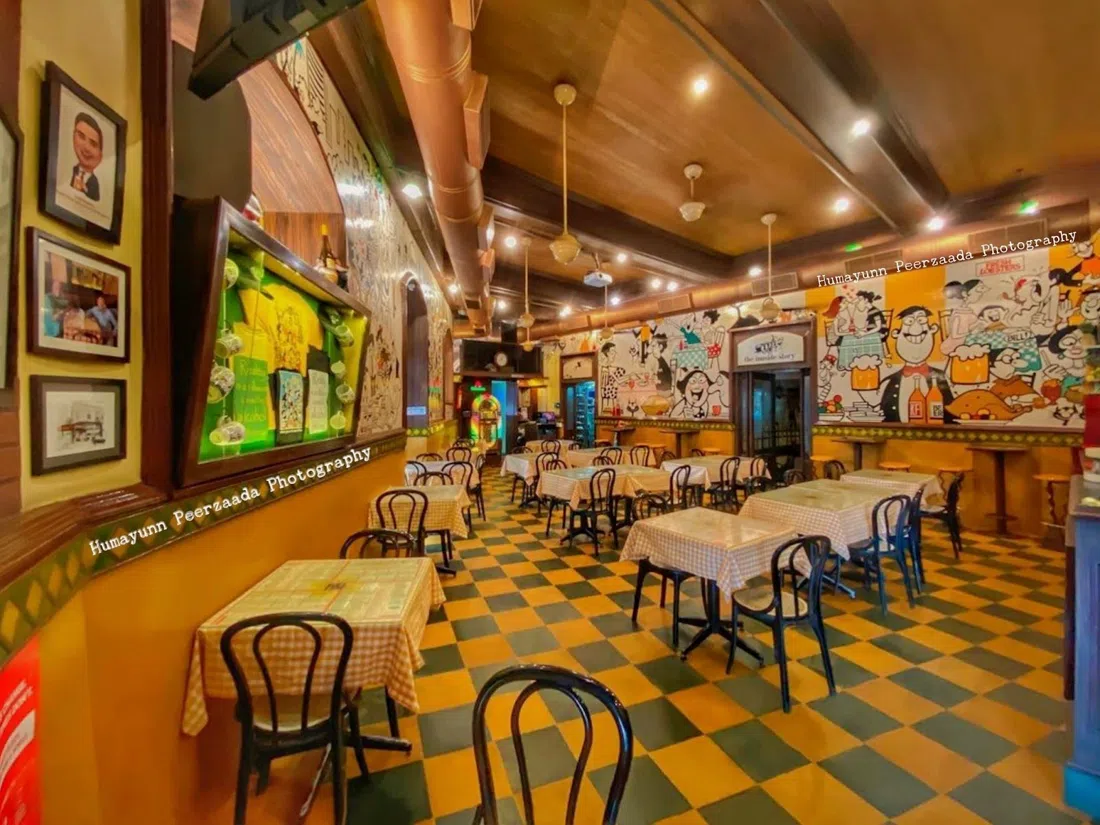
Cafe Mondegar (Colaba Causeway, beside Regal circle) opens at 08:00 and is the opposite proposition: a tiny Irani-era room with tables for four and the Mario Miranda murals covering the walls, still intact and still the reason to go. There are no bookings and a party of more than six will be split up or turned away at peak. Go off-peak or go elsewhere. Budget ₹500 to ₹1,000 a head.
For coffee rather than a room, Kala Ghoda Cafe (Kala Ghoda, near the museums) opens at 08:00 and pours proper Indian-estate coffee instead of hotel filter, at ₹350 to ₹800 a head. It is very small (pairs and fours only, and a group of eight will simply not fit) but it sits exactly where you want to be for the second half of the morning.
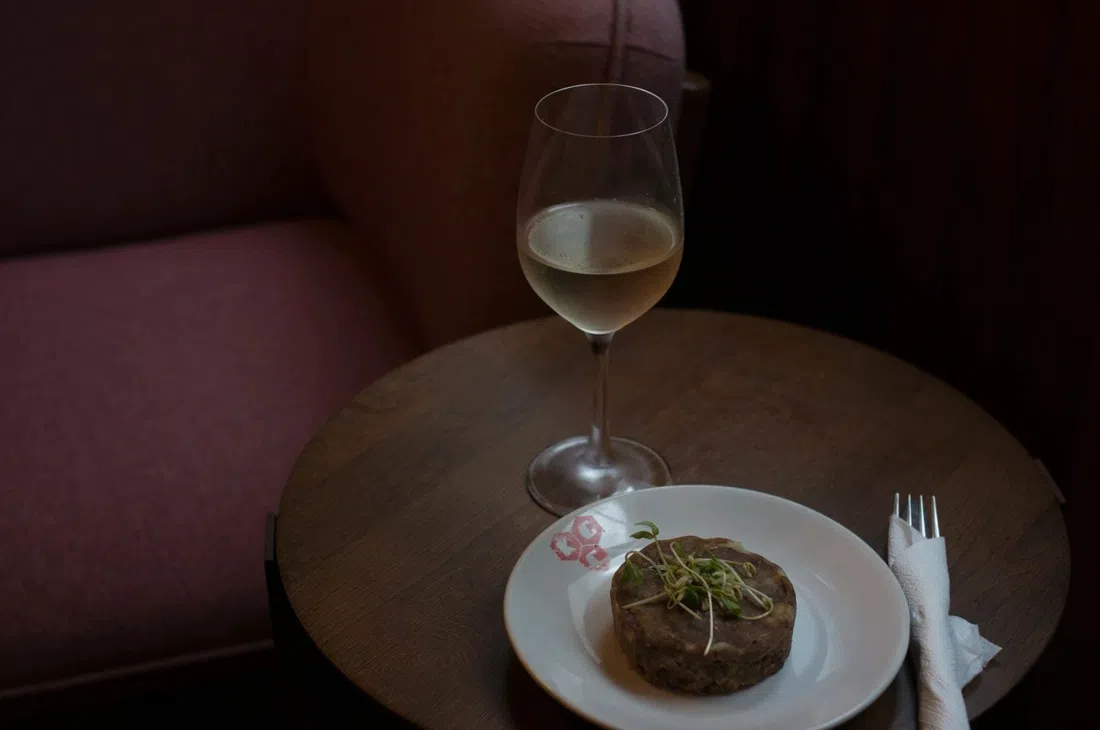
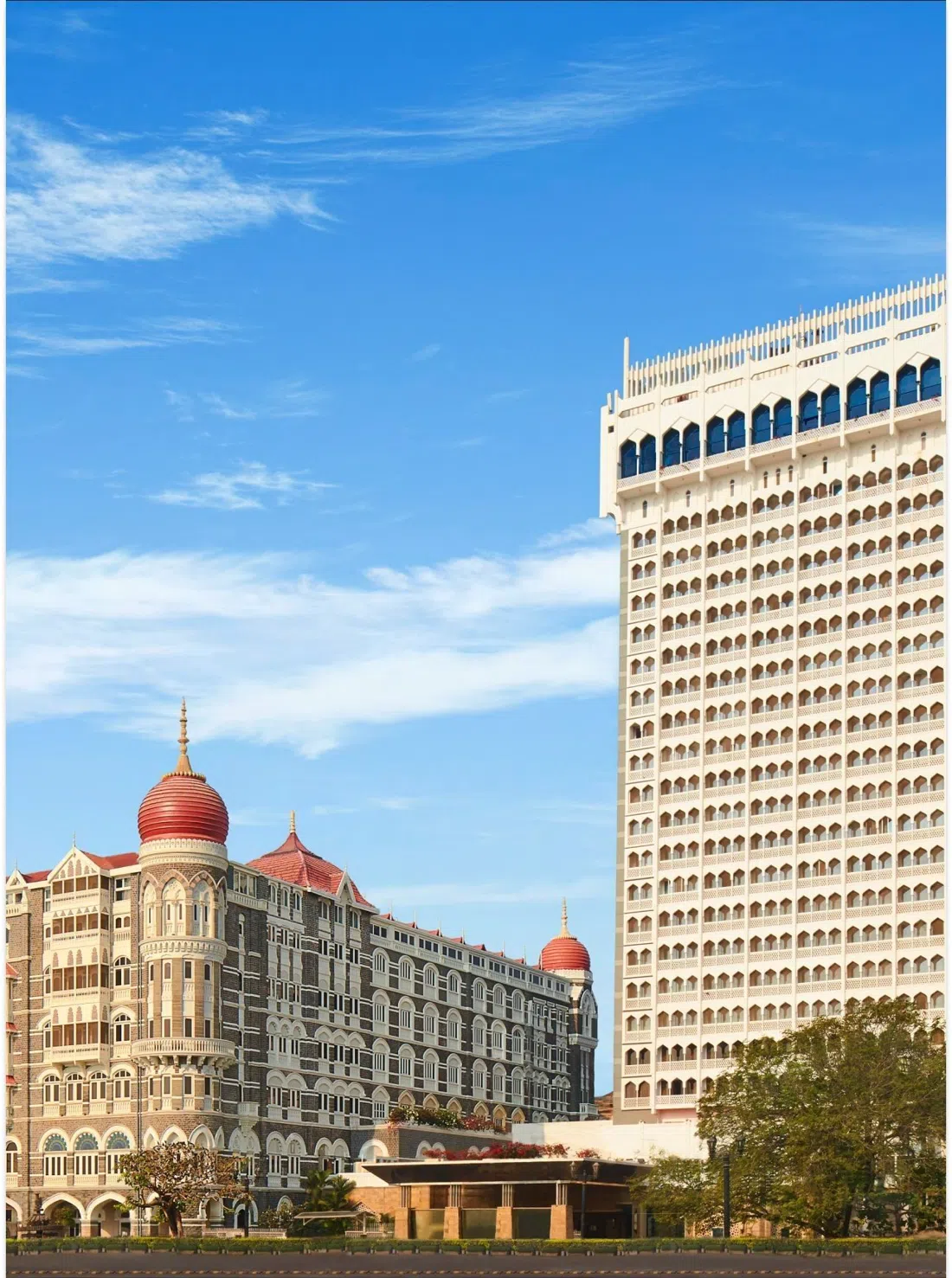
The indoor counterpoint to all of this is the Sea Lounge at The Taj Mahal Palace, Mumbai (Apollo Bunder, facing the arch), where an air-conditioned window seat looks straight down onto the Gateway. Afternoon tea runs roughly ₹2,500 to ₹4,000 a head plus taxes, the hotel screens everyone at the door, the lounge is table-service and walk-in parties above six are hard at peak, so book. Smart-casual; no beachwear. Its ground-floor Harbour Bar, licensed since 1933, is the evening version of the same view.
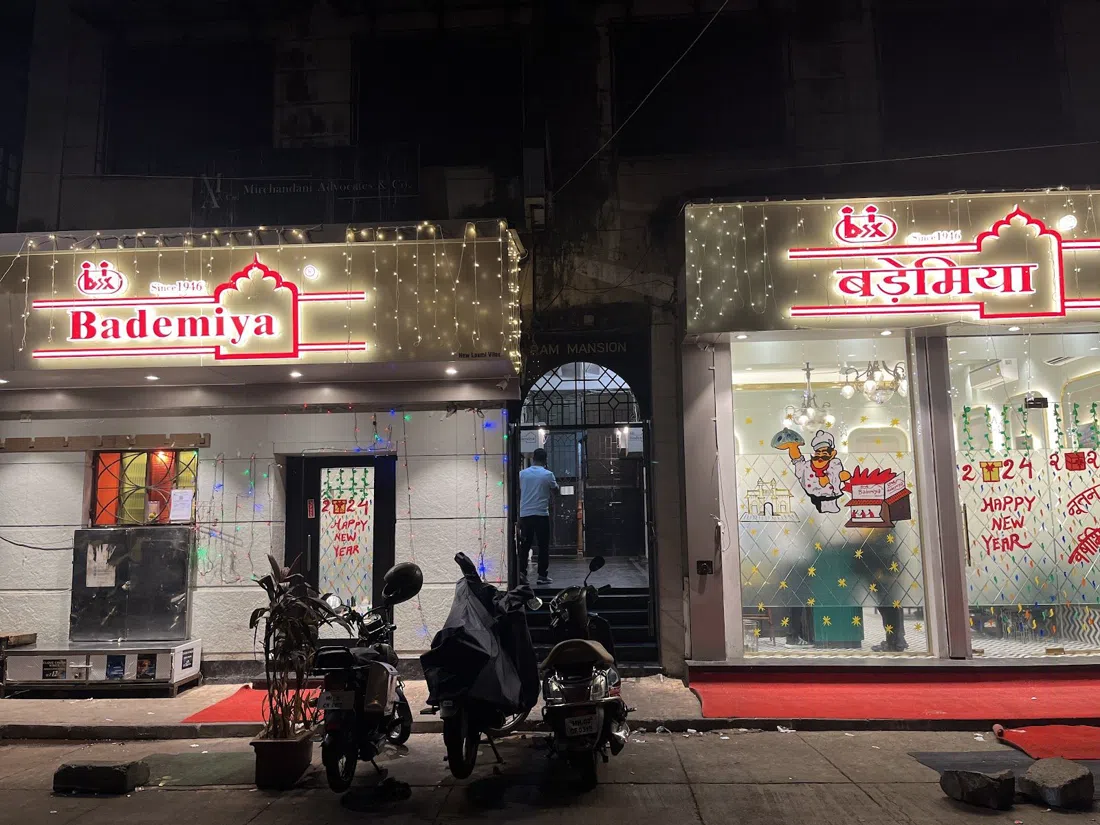
For the late end of a Gateway day, Bademiya (Tulloch Road, two minutes behind the arch) has been grilling kebabs on the pavement since 1946. You stand and eat, groups included, for ₹250 to ₹600 a head, and it is at its best after 20:00 once the grill is properly lit. There is a separate sit-down restaurant nearby if you need tables. Street-food stomach rules apply.
The working dock, before the arch
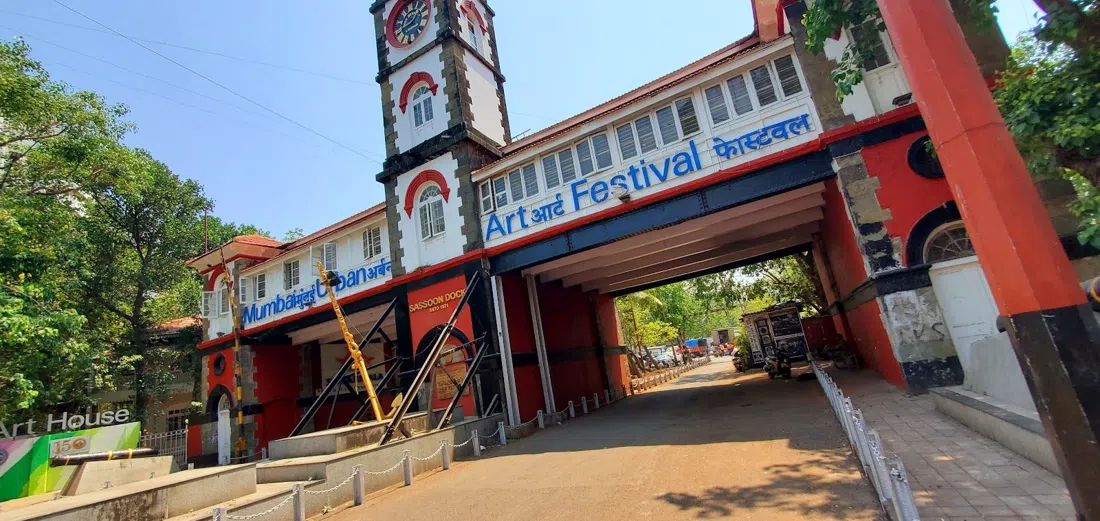
If you are already awake at five, Sassoon Dock (Colaba, a fifteen-minute walk south) is the one stop in this precinct that is not staged for visitors. It is a working fishing dock: the action runs roughly 04:00 to 07:00 and it has wound down by 10:00. There is no ticket and no gate for the market, but naval facilities adjoin it, photography is restricted and can be stopped outright, and you should not raise a camera at anyone without asking first. Wear closed waterproof shoes. Groups need a local guide here, both for the access questions and because the floor is slick and busy with people doing their jobs.
Museums, a gallery and a very quiet library
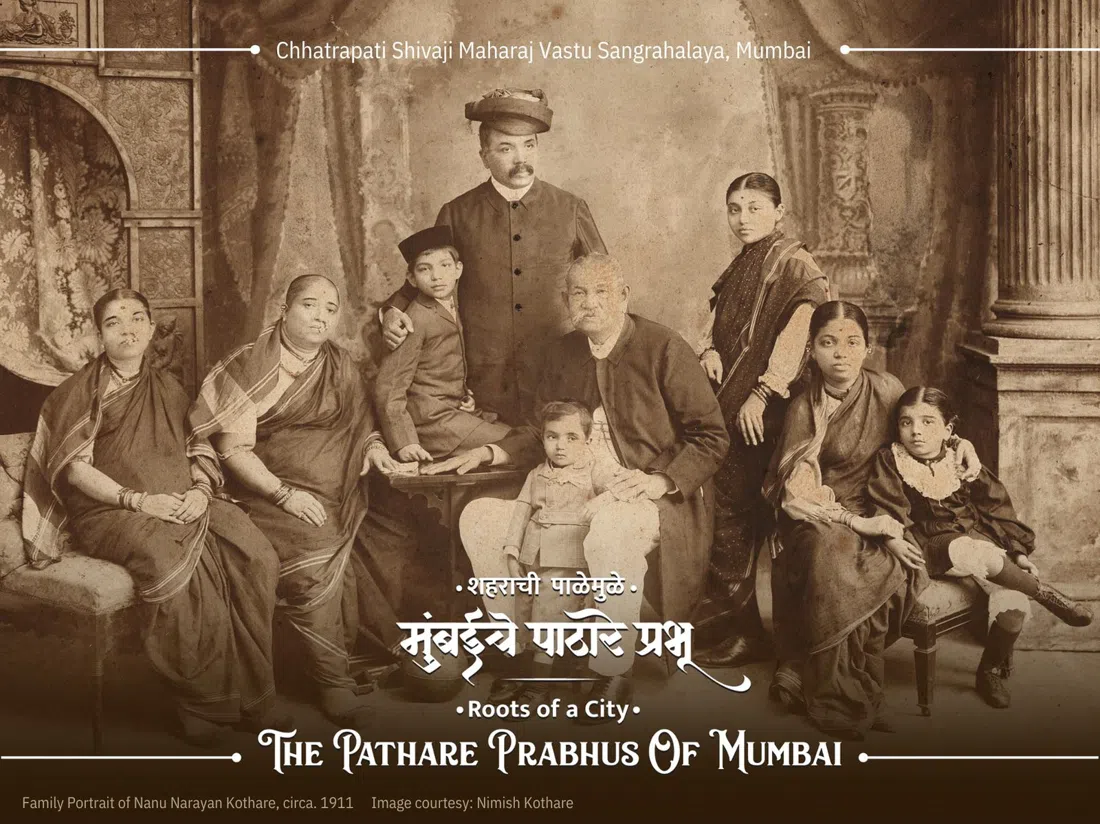
From about 10.00 the light hardens and the plaza stops being pleasant, which is when the indoor half of the precinct opens. The Chhatrapati Shivaji Maharaj Vastu Sangrahalaya (Fort, ten minutes' walk north of the arch) is the stop that gives a Gateway day its context. It is open daily 10:15 to 18:00, with the ticket counter closing at 17:45, and costs around ₹700 for foreign adults including the audio guide and ₹200 for Indian adults, with an extra fee if you bring a camera that is not a phone. Bags are checked at the gate and groups should book ahead.
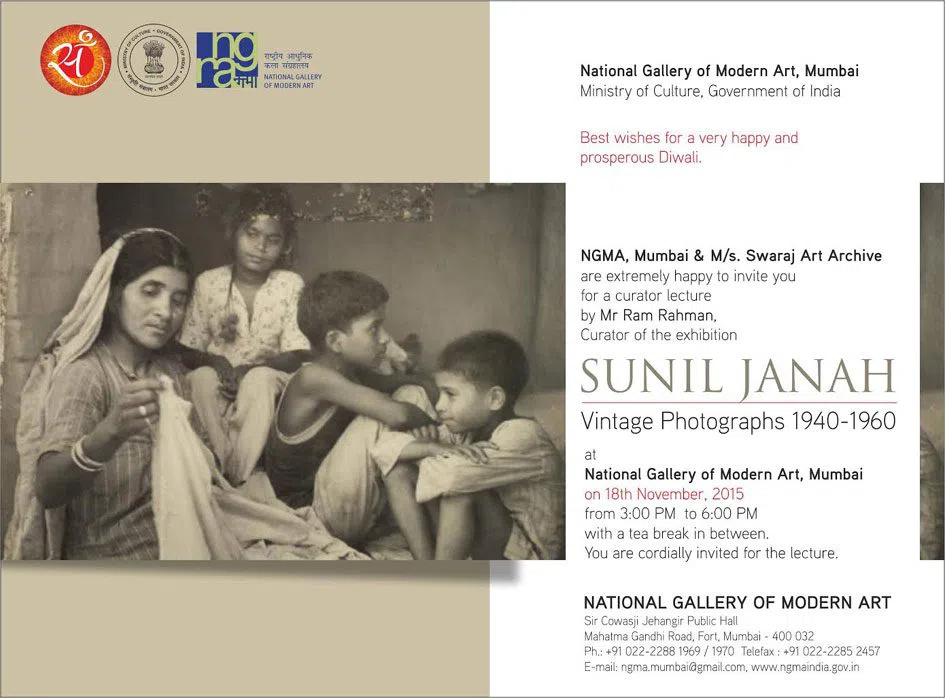
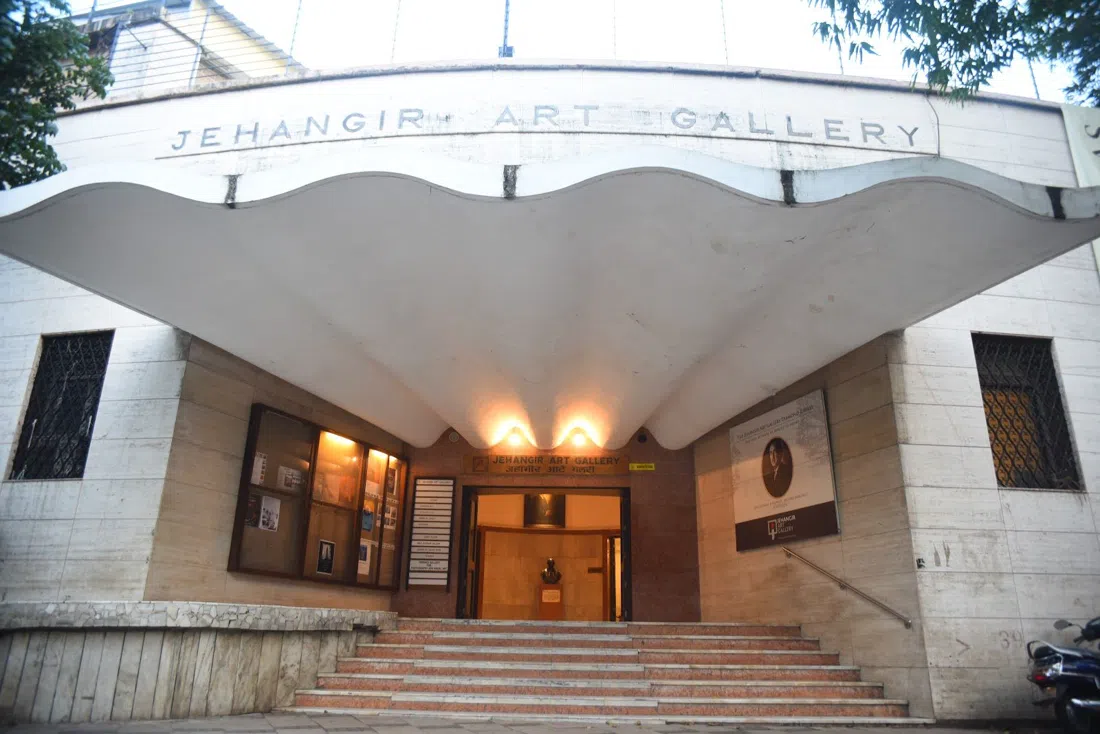
Five minutes further, opposite Regal circle, the National Gallery of Modern Art, Mumbai (Kala Ghoda) is worth the modest entry for its rotunda interior alone. Exhibitions rotate, so check what is actually hanging before you commit an hour; there is no photography in the galleries and it closes on Mondays and national holidays. Jehangir Art Gallery (Kala Ghoda, beside the museum) is free, open daily 11:00 to 19:00, needs no booking, and changes shows weekly. It is where you see what Indian artists are making now. The halls are compact, so twenty-plus people will feel like a crowd.
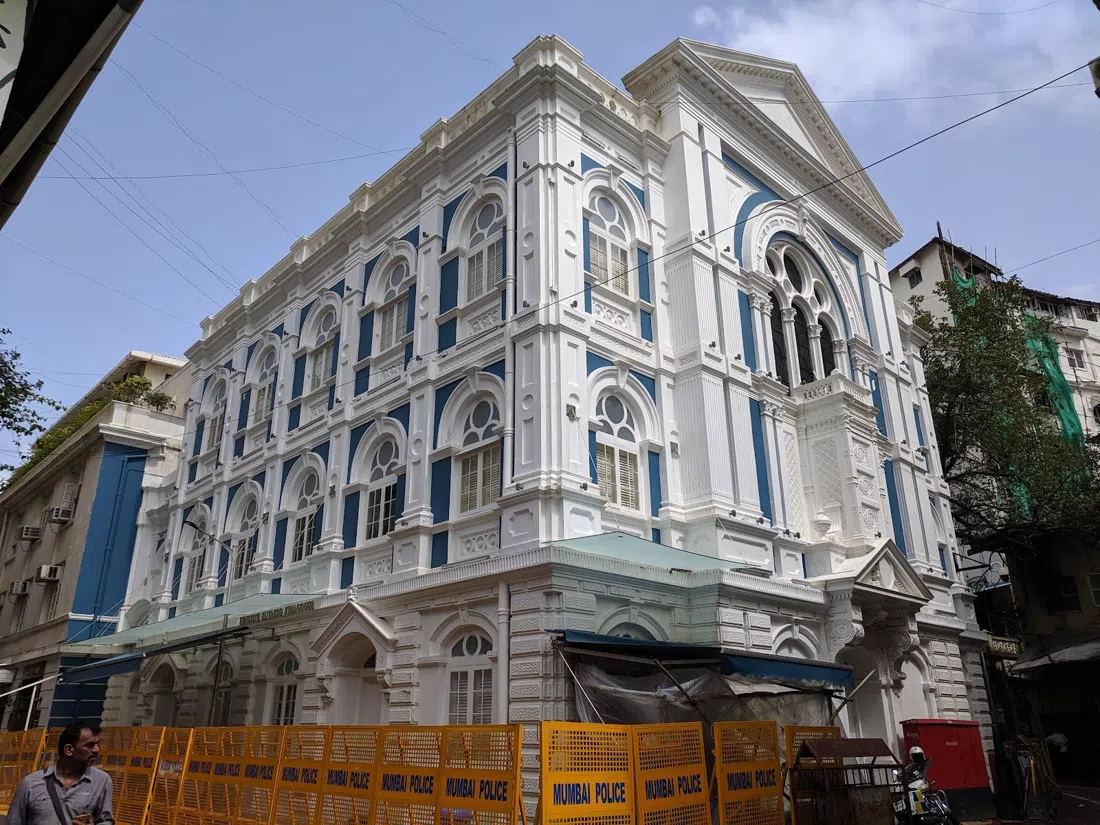
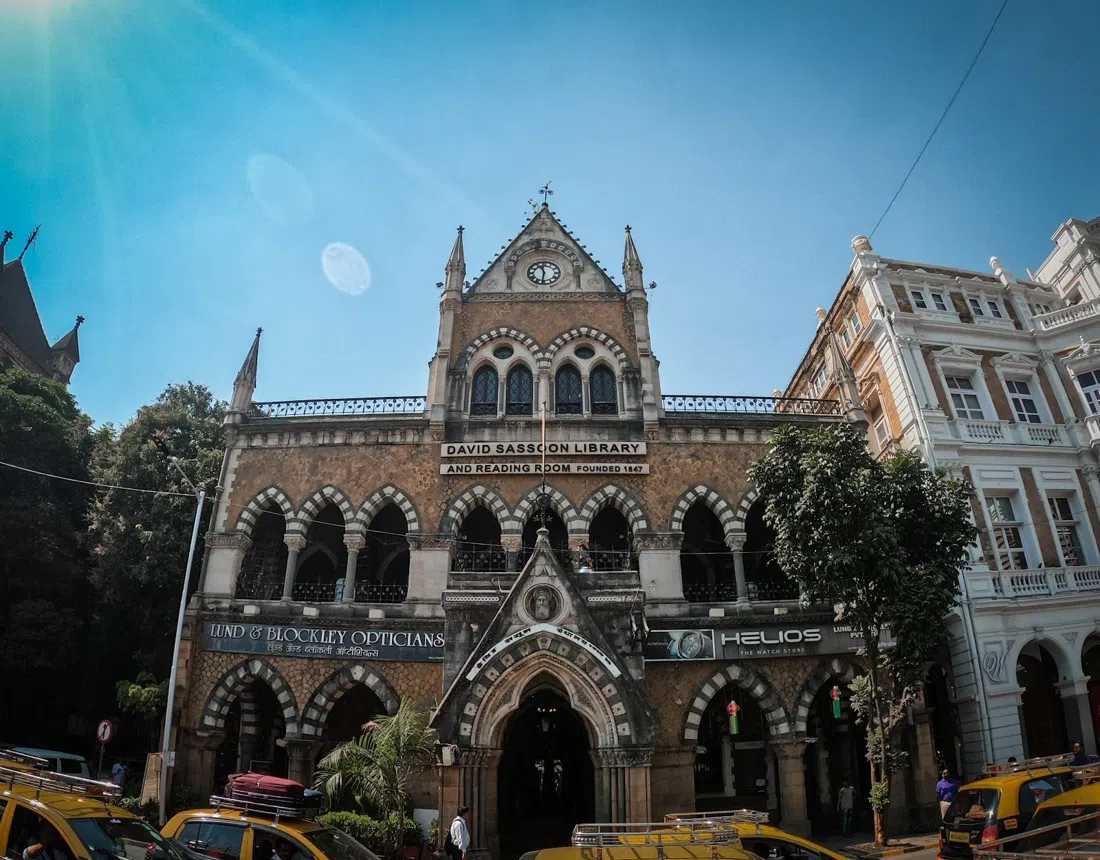
The David Sassoon Library and Reading Room (Kala Ghoda) reopened after a sixteen-month, ₹3.6-crore restoration and looks it. It is free to look in, membership is for reading, and the shaded garden veranda is the coolest and quietest five minutes in the district. Keep your voice down, because people are working. Knesset Eliyahoo Synagogue (Kala Ghoda) is the other restoration nearby, an 1884 Sephardic building whose blue exterior is one of the best photographs in the precinct, but access is at the community's discretion: small groups by prior arrangement, armed security, photo ID at the door, bags inspected, and closed to visitors on Shabbat and festivals. Call ahead or do not go.
The Causeway walk and the touts
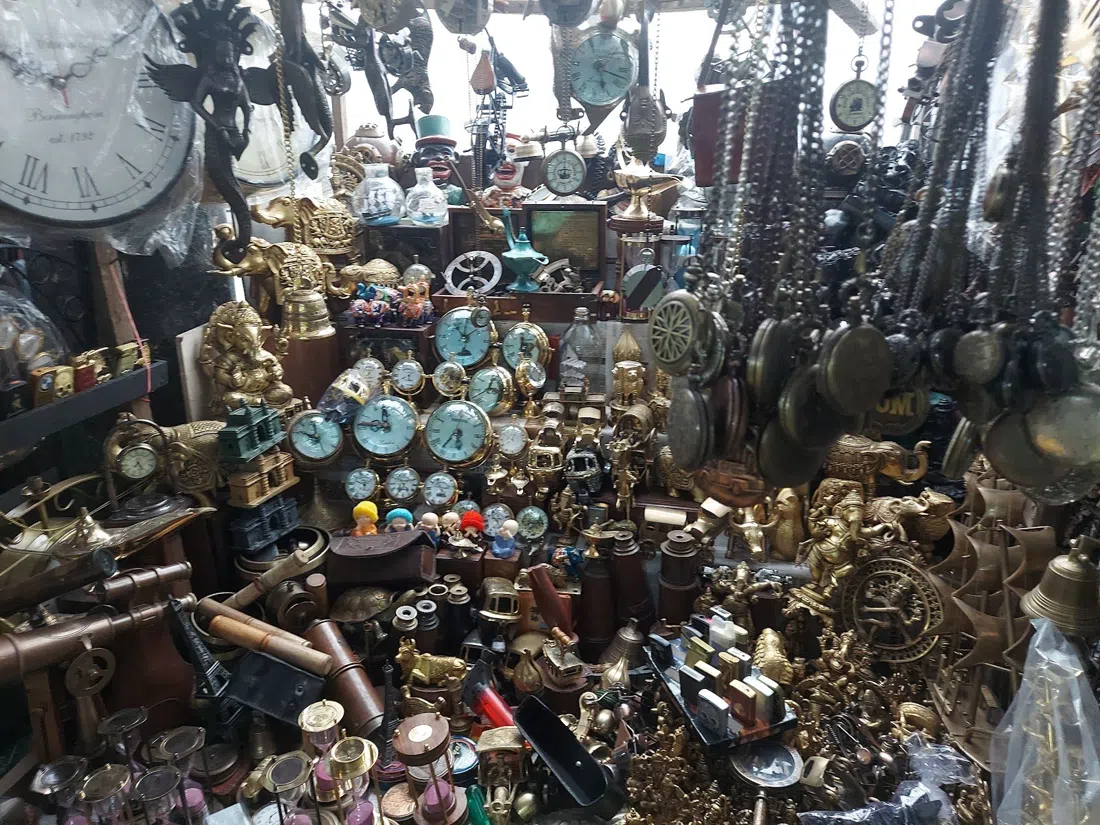
Colaba Causeway (Colaba) is the commercial spine of the neighbourhood, a ten-minute walk from the arch, with stalls running roughly 10:00 to 22:00. It is free to walk and any size of group can do it, though the pavement is narrow enough that a group of ten will string out, so agree a meeting point before you start. Haggle hard; expect to settle at 40 to 50 per cent of the first price asked. The persistent touts at the Gateway end of the strip are a bigger irritation than the stalls, selling boat rides, giant balloons and photographs. A flat no, without stopping, works better than politeness.
Queues, tickets and what a guide adds
There is no ticket for the Gateway and nothing to book. What there is, at the entry gates to the plaza, is airport-style bag scanning and a metal-detector line. At 6.30 you walk straight through it. By mid-morning at weekends and on public holidays it becomes a genuine queue, and large groups are split by the machines and have to re-form on the other side, so tell people where to regroup before you join the line.
The door costs nothing, and that raises a fair question about the guided half-day tours of the arch and the Fort and Colaba streets around it. What they buy you is the history and the route, not entry: someone to explain what the arch was for, which buildings on the walk matter and why, and to handle the touts. Those tours run seven days a week, start from about 24 USD per person, and carry 5,642 traveller reviews between them, with the most-reviewed one rated 4.8 out of 5 from 1,789 reviews. If you would otherwise stand under the arch for fifteen minutes and leave, a guide changes the morning. If you read before you travel and like walking on your own, you do not need one.
Is a morning here worth it
Yes, with a condition. Treated as a single monument, the Gateway of India is twenty minutes of yellow basalt with a security queue and a crowd, and travellers who arrive at eleven expecting a landmark experience leave puzzled about the fuss. Treated as the front door to a compact, walkable district (the harbour launches, an old fishing dock, three museums, a restored library and a synagogue, two institution cafés and a market street, all inside twenty minutes on foot), it is one of the best mornings in the city and most of it is free.
It suits early risers, walkers, anyone interested in colonial-era architecture, and photographers who can be on the plaza by half six. It suits groups well in the open spaces and badly in the small rooms: the cafés and the library will not take a party of twelve, so plan to split. It suits limited-mobility travellers for the plaza and the museums, but not for Elephanta. It does not suit anyone who wants a quiet, contemplative encounter with a famous object at a civilised hour. That version of the Gateway does not exist after eight in the morning.
Best time to go
Between 06:30 and 08:00, on a weekday. That is the whole answer. The plaza is close to empty, the security line is walk-through, the light is on the harbour face of the arch, the touts have not started and the temperature is bearable. The wharf men are already working, so a launch is available well before the crowds are.
After 09:00 the square fills and stays full until late evening. Weekends and public holidays are markedly busier than weekdays, and the plaza is at its worst in the middle of the afternoon: hot, hard-lit and crowded, with the arch in shadow from the harbour side. Late afternoon into dusk is the second-best slot, and it pairs naturally with an evening drink and the seafront.
Seasonally, the cool dry months from November to February are the easy choice: comfortable walking, reliable boats. March to May is hot enough that the early start stops being a preference and becomes the only sensible plan. In the monsoon months, roughly June to September, the harbour is rough and the launches and island ferries are at the mercy of the sea. They can be suspended for days, so keep the boat portion of the plan loose and have the museums as your fallback. Elephanta is closed on Mondays in every season, and the modern-art gallery closes then too, which makes Monday the weakest day of the week to build a Gateway itinerary around.
Practical notes
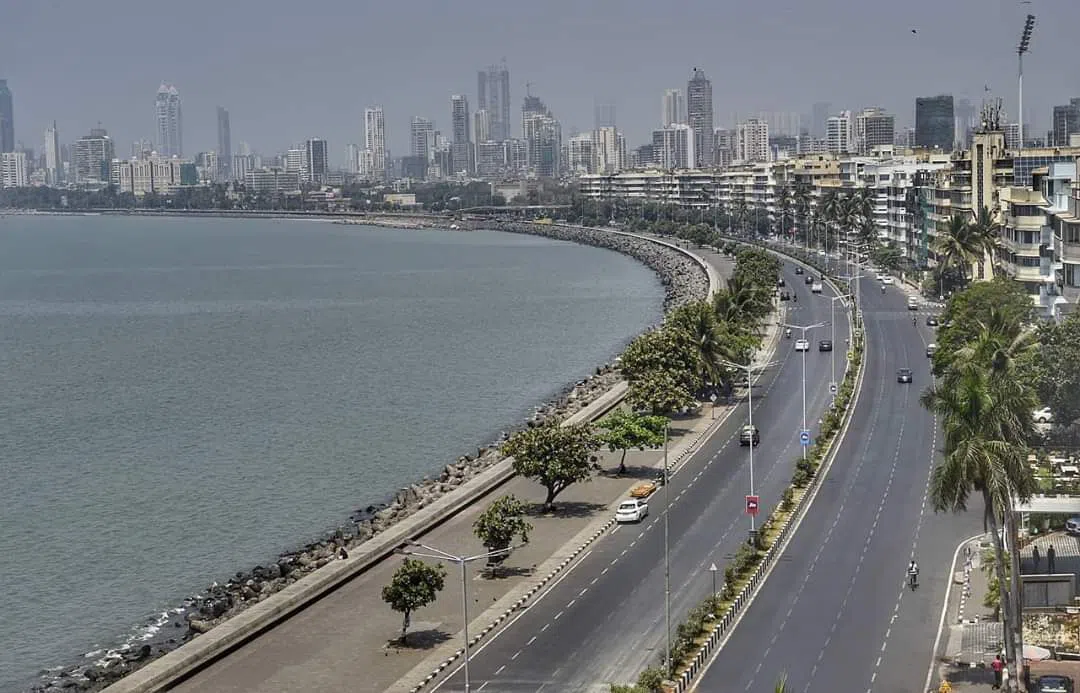
Getting there. The Gateway stands at the end of Apollo Bunder in Colaba, at the southern tip of the city, and taxis and app cabs all know it. Ask for Apollo Bunder rather than the monument if your driver hesitates. The Aqua Line metro now reaches Churchgate and Cuffe Parade, which makes the whole southern loop doable without a taxi, a useful change, since traffic into Colaba after 09:00 is slow and the walk in from either station is short. Marine Drive (Churchgate, twenty minutes north by cab) is the natural pairing at the other end of the day: an open promenade, free, no limit on numbers, at any hour. Buy a corn cob and sit on the parapet.
Cash. Carry small rupee notes. The launch huts, the jetty toll, the street grill and the market stalls are all easier with cash, even where cards or UPI are accepted. The hotel lounge, the museums and the cafés are fine on a card.
Budget. A self-guided morning is genuinely cheap: nothing for the arch, ₹70 to ₹130 for a harbour circuit, ₹350 to ₹1,200 for breakfast, ₹200 or ₹700 for the main museum. Add Elephanta and you are still under ₹1,500 a head before food. The one line that changes the arithmetic is tea at the hotel, at ₹2,500 to ₹4,000 plus taxes, and a guided half-day from about 24 USD.
Staying nearby. Sleeping in Colaba or Fort is what makes this morning work: a ten-minute walk at 06:15 gets you the empty plaza, and a thirty-minute cab from the suburbs does not. Compare rates and locations with a Mumbai hotel search, and use our wider Mumbai guide to slot this morning into the rest of the trip.
Timing in one line. Plaza 06:30, launch 07:30, breakfast 08:00, museums 10:15, indoors by noon. Everything else is optional.