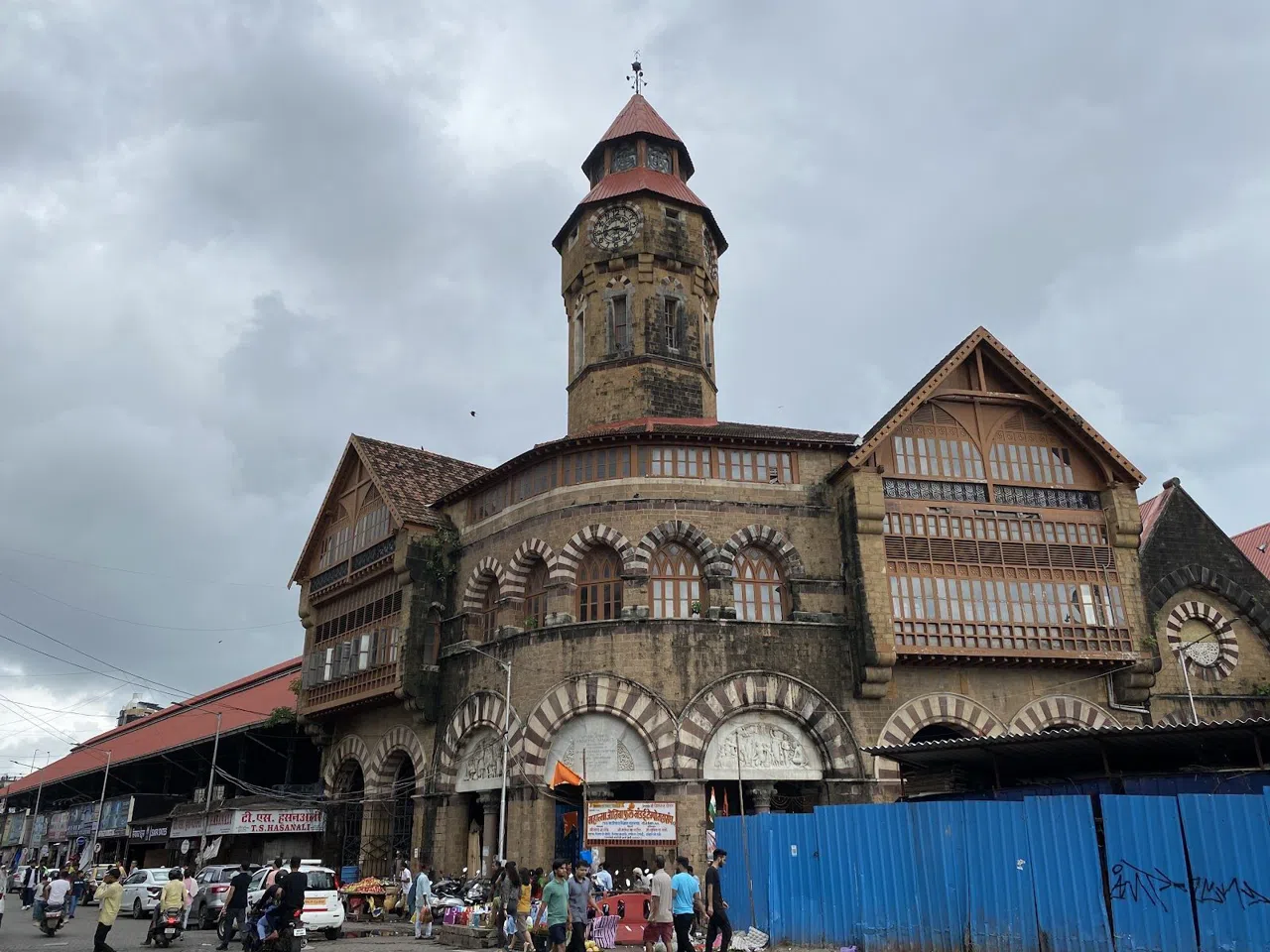

Four in the morning at Mahatma Jyotiba Phule Mandai (Crawford Market, Fort) and the fruit lane is already running at full pace, the air thick with the smell of overripe custard apple and diesel. Porters haul stacked crates of Nagpur oranges past shopkeepers doing the day's first haggling in Marathi, cash changing hands before the sun clears the market's old ironwork. This isn't the wholesale auction the building was built for (that trade left for the suburbs thirty years ago), but the reselling rush that replaced it is still loud, still real, and still worth losing sleep for.
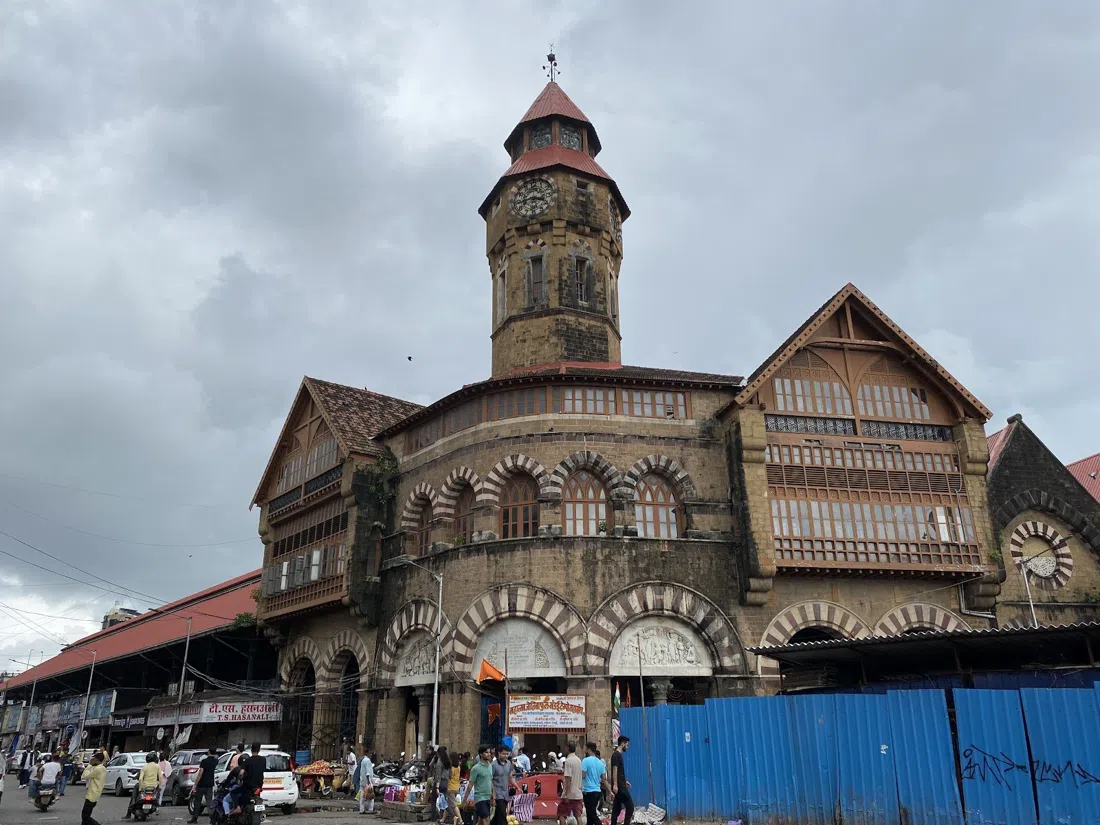
Crawford Market still sells its fruit before sunrise
Walk into Mahatma Jyotiba Phule Mandai (still known to everyone as Crawford Market, at the Fort end of DN Road) any morning between 4am and 7am and you'll find the fruit lane at full pace. This building stopped hosting the city's bulk fruit auctions in 1996, when that trade moved to Navi Mumbai, so what you're walking into isn't the original wholesale floor. What's here instead is a daily reselling scene that's arguably more interesting for a visitor anyway: city shopkeepers arrive before dawn to buy crates at trade rates from dealers who brought stock in overnight, then haul it off to their own stalls across South Mumbai in time for the morning trade. It's genuine commerce, not a re-enactment for cameras: porters balancing towers of crates on their heads, Marathi bargaining pitched loud enough to carry over trolley wheels, the stone floors slick with crushed mango pulp by 6am, crates of custard apple, chikoo and Nagpur orange stacked shoulder-high along the lane.
Entry is free and the lane is a public thoroughfare, so you can walk it without a guide, but arrive before 6am if you want the actual rush rather than its tail end. By 7.30am the crates have thinned out and it's back to being a regular, still-decent, daytime fruit and grocery market. The 2025 heritage restoration of the building's facade is finished and the market is open and busy through 2026, so there's no need to check ahead for closures or building works. Groups are common here, especially on guided dawn walks, and the lane is wide enough that a party of six or eight moving together doesn't cause the kind of jam it would at some of the market's narrower neighbours.
Where the wholesale trade actually lives now
If what you actually want is the bulk auction (pallets, loudspeakers, buyers shouting real bids in real volume), that's at the APMC Vashi Wholesale Market in Navi Mumbai, roughly 40 minutes from South Mumbai by car and considerably longer by public transport. This is the market Crawford's fruit trade relocated to after 1996, and it's the honest answer for anyone who wants to see the present-day version of the scene rather than its smaller, gentler echo in Fort. You can observe for free from the edges of the trading floor; actual bulk buying is trade-only and not something a visitor should attempt to join. It's a good addition for readers who've already done Crawford Market and want to see where that trade actually ended up, but it doesn't work as a casual bolt-on to a Colaba-based pre-dawn circuit on the same morning. Treat it as its own half-day trip, ideally with a driver who already knows the complex, rather than something you fold into a 4am South Mumbai loop.
Two more pre-dawn markets worth chaining together
Two other markets pair naturally with the Crawford Market fruit lane on one long pre-dawn circuit, and each is a genuinely different sensory experience from the fruit trade.
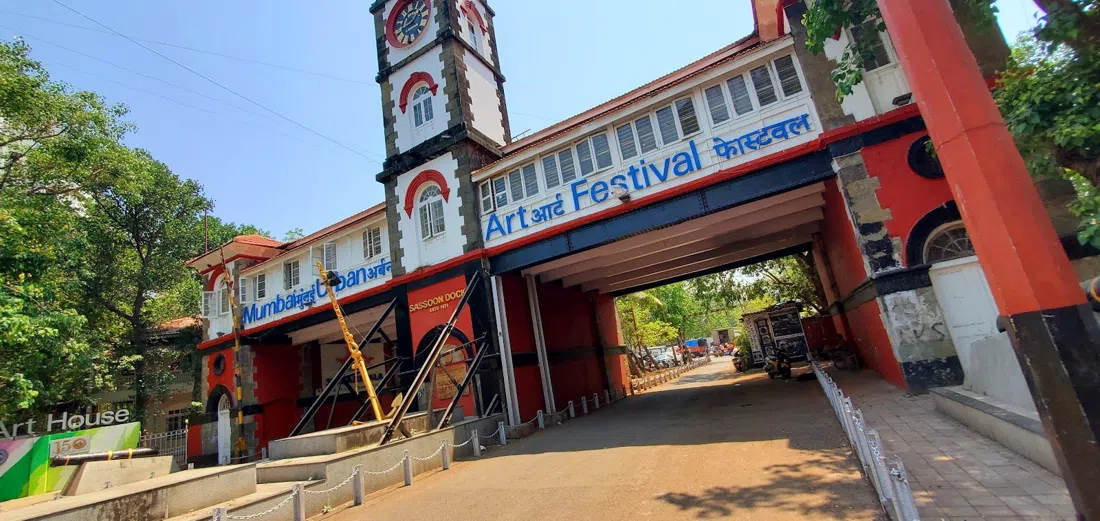
Sassoon Dock (Colaba) is the fish market stop, and it's a stop on most guided dawn tours of the city. Auction activity peaks well before 7am, the ground underfoot is narrow and permanently slick with ice-melt and fish scale, and groups need to move in a tight single line rather than spreading out across the dock. It's free to walk through, wholesale buying is trade-only, and it runs every day of the week, so there's no need to plan around a specific morning the way you would with some of the others on this list. The smell hits before the sight does. Come prepared for that rather than surprised by it, and keep phones and cameras in hand rather than in a bag: the footing doesn't give you a spare moment to dig one out.
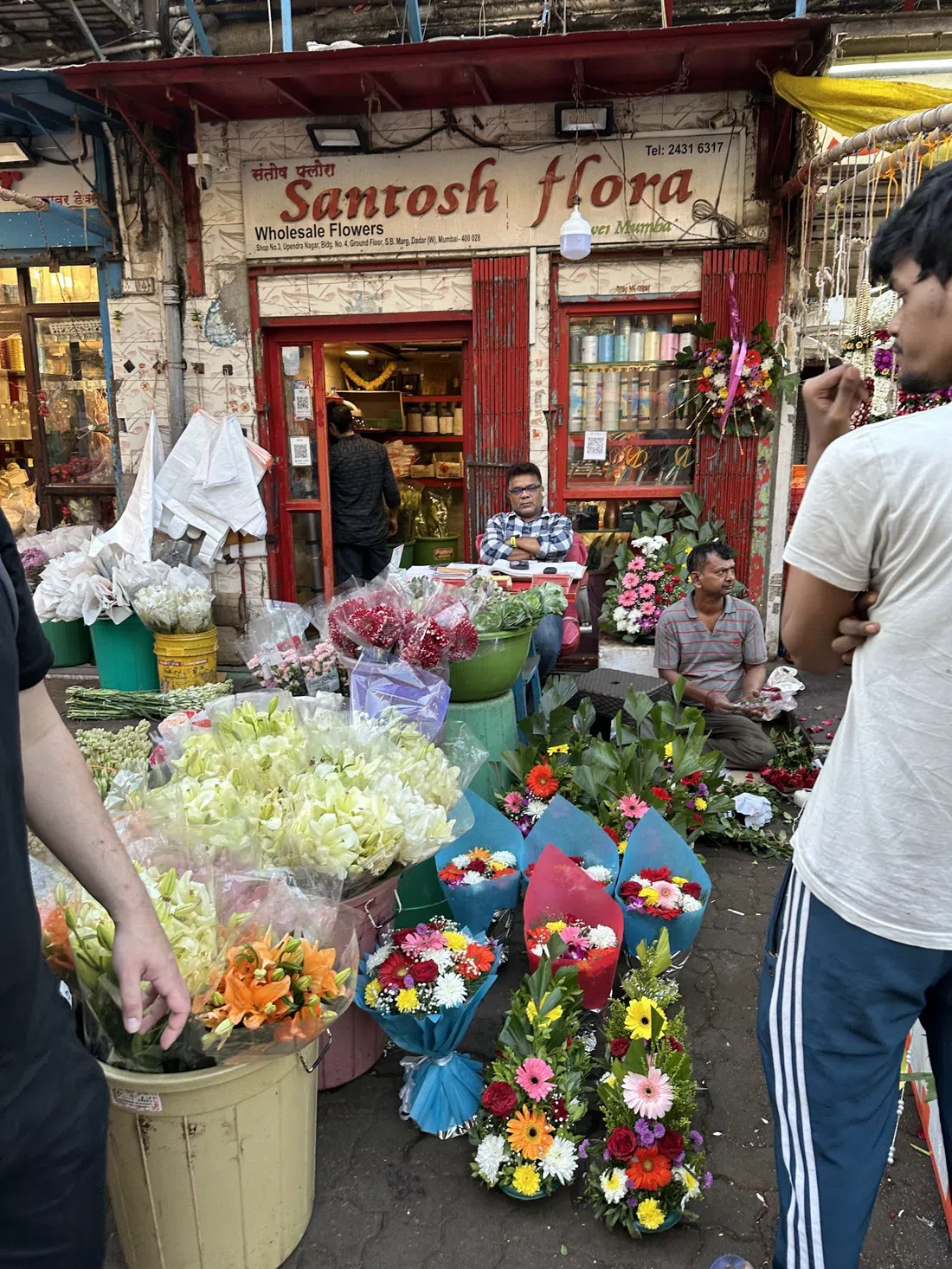
Dadar Phool Galli (Dadar, near the station on the western side) is the flower market, and it's the most photogenic of the pre-dawn scenes: marigold and rose petals sold loose by weight, garland-stringers working fast enough that their hands blur, colour everywhere against the grey pre-dawn light. Wholesale peak runs 4:30am to 7:30am, which overlaps neatly with the Crawford Market and Sassoon Dock windows if you sequence the three carefully. The lanes here are genuinely narrow, so keep any group to six or fewer or you'll be the reason a porter's cart can't get through. Entry is free, and it works well as a third stop after Crawford Market and Sassoon Dock. Doing all three in one morning is a serious pre-dawn itinerary, so arrange transport in advance rather than hoping to hail autos between stops at 5am.
The one Friday morning Chor Bazaar opens before dawn
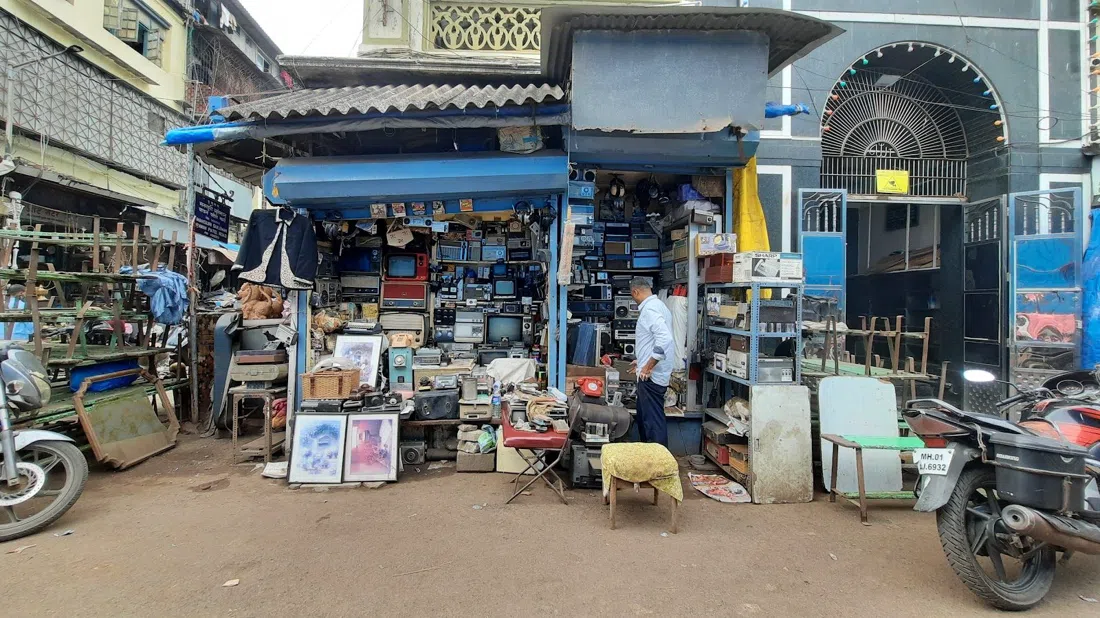
Most visitors know Chor Bazaar as a daytime antiques market that's closed on Fridays. What they miss is that Friday is exactly when its Jumma Bazaar edition (locally called Chor Bazaar Jumma Bazaar, or Dedh Gully, Bhendi Bazaar) runs, and only between 4:30am and 7am. It's a genuine oddity worth flagging clearly: the one morning the regular market is shut is the one morning this specific pre-dawn flea market opens instead, dealers laying out everything from real antiques to secondhand junk, prices running from a few hundred rupees for oddments up to several thousand for anything with real provenance. The lane is single-file, so it suits pairs or very small groups far better than a party of eight. If your circuit already includes Crawford Market and Sassoon Dock, this piece only works if your visit lands on a Friday, so check the calendar before you build it into a fixed itinerary rather than discovering the gate is shut.
Let someone else navigate the 4am streets
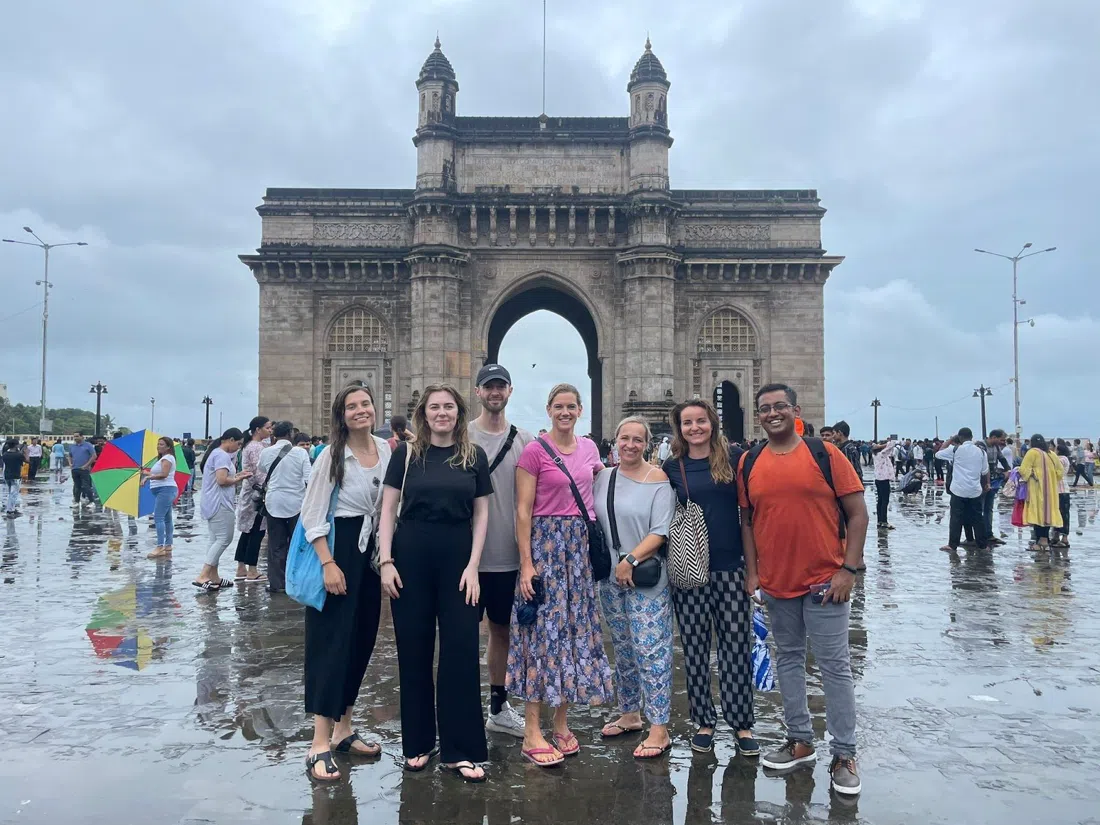
Four markets, three neighbourhoods, one narrow pre-dawn window, and streets that don't look like themselves in the dark. Plenty of readers will reasonably not want to self-navigate that. The Mumbai Magic guided dawn market walk, run by Deepa Krishnan's outfit since 2006 and still well-regarded in 2026, is built for exactly this problem. It runs as private or small-group departures, typically ₹3,000-6,000 per person depending on group size, and sequences the market combination in an order that actually makes sense on foot rather than the order a solo visitor might stumble into at 4.30am. It's the right call for anyone nervous about safety, orientation, or simply getting lost in an unfamiliar city before sunrise. The guides know which stallholders are happy to have cameras around and which aren't, and that distinction matters more on a working trade floor than it sounds like it would from a guidebook description.
Midnight kitchens for after the markets close
The other half of this story isn't pre-dawn at all: it's the night before, because Mumbai's midnight food scene turns the whole circuit into one continuous, sleepless outing rather than two disconnected early mornings.
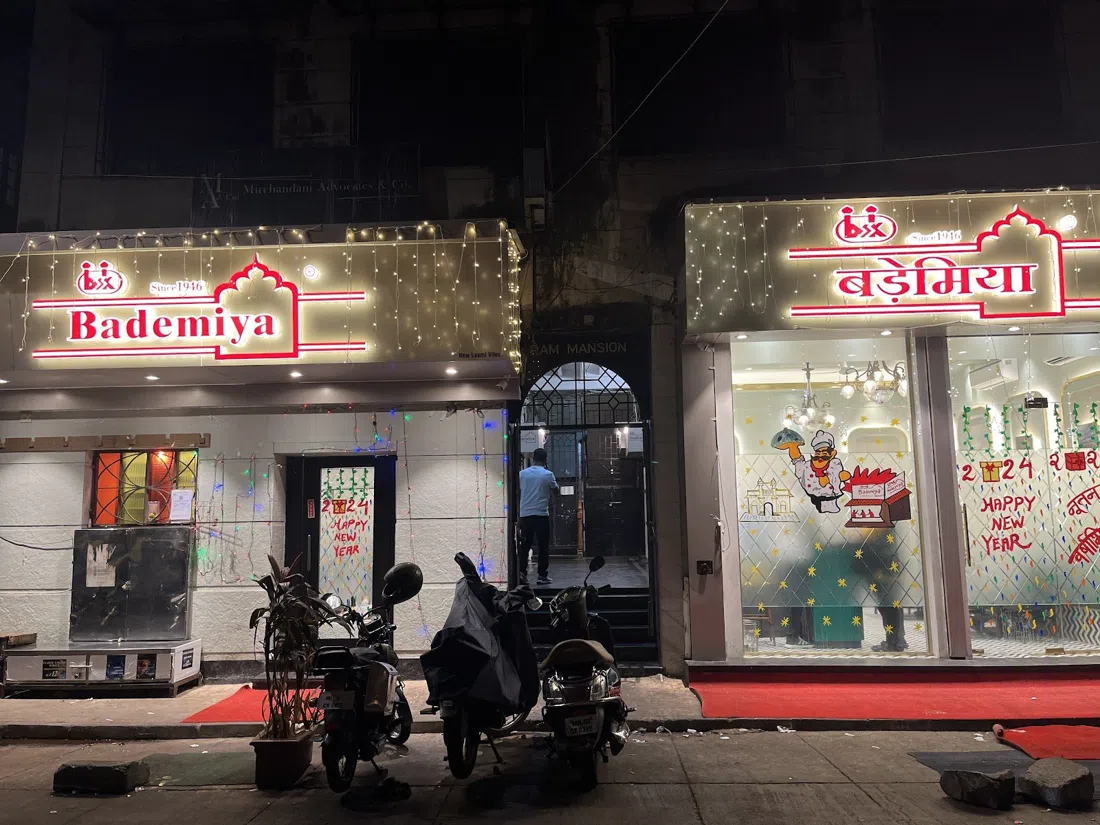
Bademiya (Colaba, at its original street corner near the Taj) has been grilling kebabs since 1946 and is open nightly from 7pm to 3am. It's the archetypal Mumbai midnight food stop for a reason, and eight decades in, it still hasn't needed to move. The walk-up stall handles a crowd easily and there are seated sections for groups who'd rather sit than eat standing at the counter; a proper kebab-and-roll session runs ₹150-500 a person.
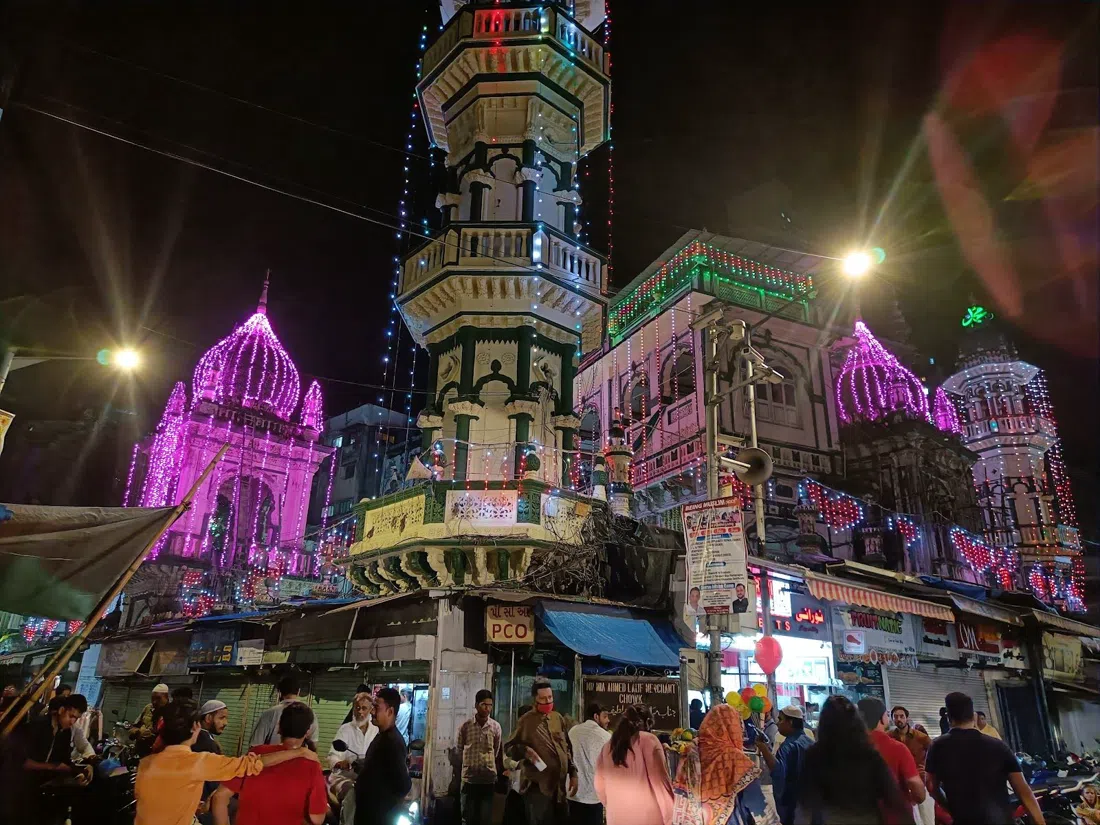
Mohammed Ali Road (near CST, a short walk from Crawford Market) runs a genuine post-midnight food trade on ordinary nights, not only during Ramadan when it's famously packed shoulder to shoulder: kitchens keep frying well past 1am year-round, and past 11pm on a regular night it's still lively without the Ramadan crush. Street-food prices run ₹100-400 a dish, and the street is wide and easy for a group to move through together, stopping at whichever stall has the shortest queue.
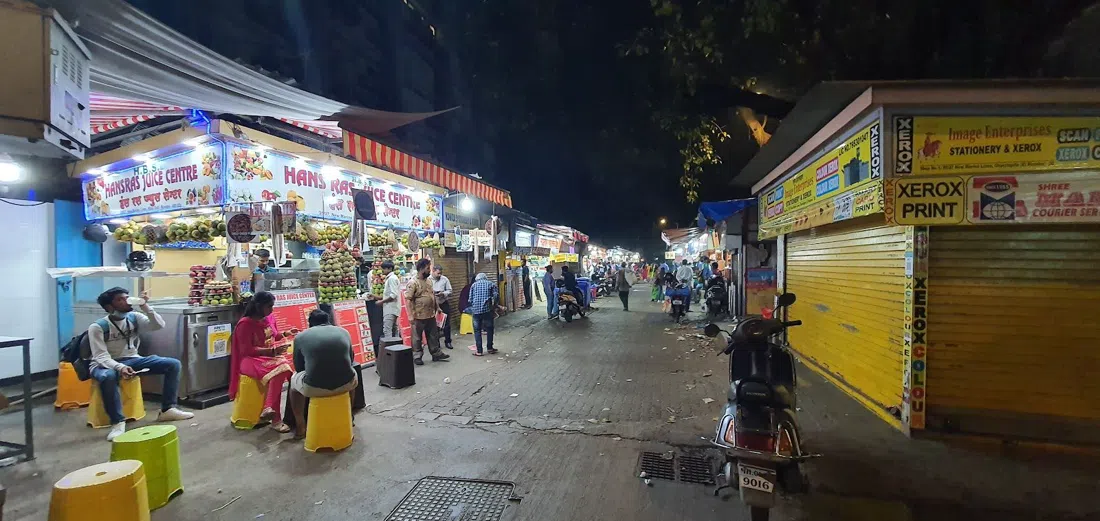
For a suburban, far-less-touristed counterpoint, Vile Parle Khau Galli (Vile Parle) is worth the detour if you're staying in the northern suburbs, or if you simply want a genuinely local late-night graze rather than the South Mumbai circuit. Snacks run ₹50-200 each, and the whole point is working across several stalls with a group rather than committing to one sit-down meal.
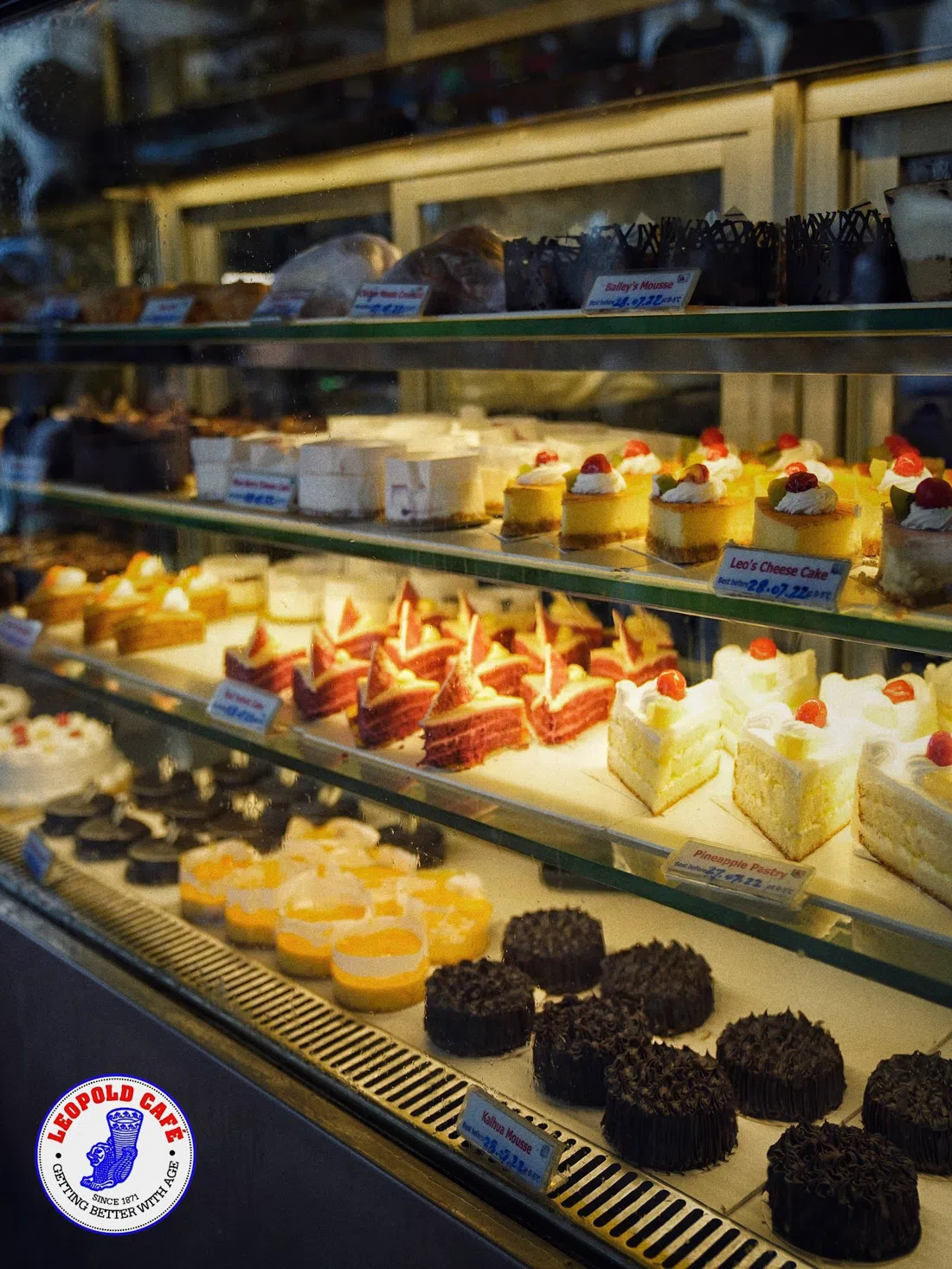
And if you want a proper nightcap to bookend the circuit, Leopold Cafe & Bar (Colaba) has been open since 1871 and runs daily until 12:30am, seating large groups without fuss. It isn't a market and doesn't pretend to be one, but as the last stop before a few hours' sleep ahead of a 4am alarm (or the first stop before you head out into the dark), it earns its place on the route, and at ₹500-1,500 a person it's a fair splurge to close out the night.
Planning the circuit
The realistic version of this trip is one very long night rather than an early morning: dinner or late kebabs around Colaba, a stop at Leopold's, a short sleep or none at all, then out to Crawford Market by 4am, on to Sassoon Dock and possibly Dadar Phool Galli before the 7.30am close. Autos and app-based cabs both run through the night in Mumbai and are the easiest way to move between stops. The metro and suburban trains don't start early enough to be useful for this circuit, so don't plan around them. Carry cash; almost none of the market transactions or street-food stalls take cards, and small notes matter, since porters and stallholders won't always have change for a ₹500 note at 5am. Budget lightly for the markets themselves, since browsing is free everywhere on this list, and save your spend for the food stops and, if you take it, the guided walk, which is the single largest line item on the whole night. If you're building a full trip around this and need somewhere to sleep before or after the 4am start, a Mumbai hotel search in Fort or Colaba puts you within a short auto ride of every stop above; for the rest of the city beyond the markets, the Mumbai guide covers where to go next.