
The rain doesn't pause Mumbai's appetite, it redirects it. When Marine Drive disappears under spray and the local trains stall at Dadar, the city doesn't go home hungry — it ducks under a tarpaulin, orders a plate of something fried, and waits the water out with a glass of cutting chai. This is not a seasonal gimmick for tourists; it's a working city's oldest coping mechanism, and every stall on this list has been open through worse floods than whatever hits this June.
The Vada Pav That Started the Argument
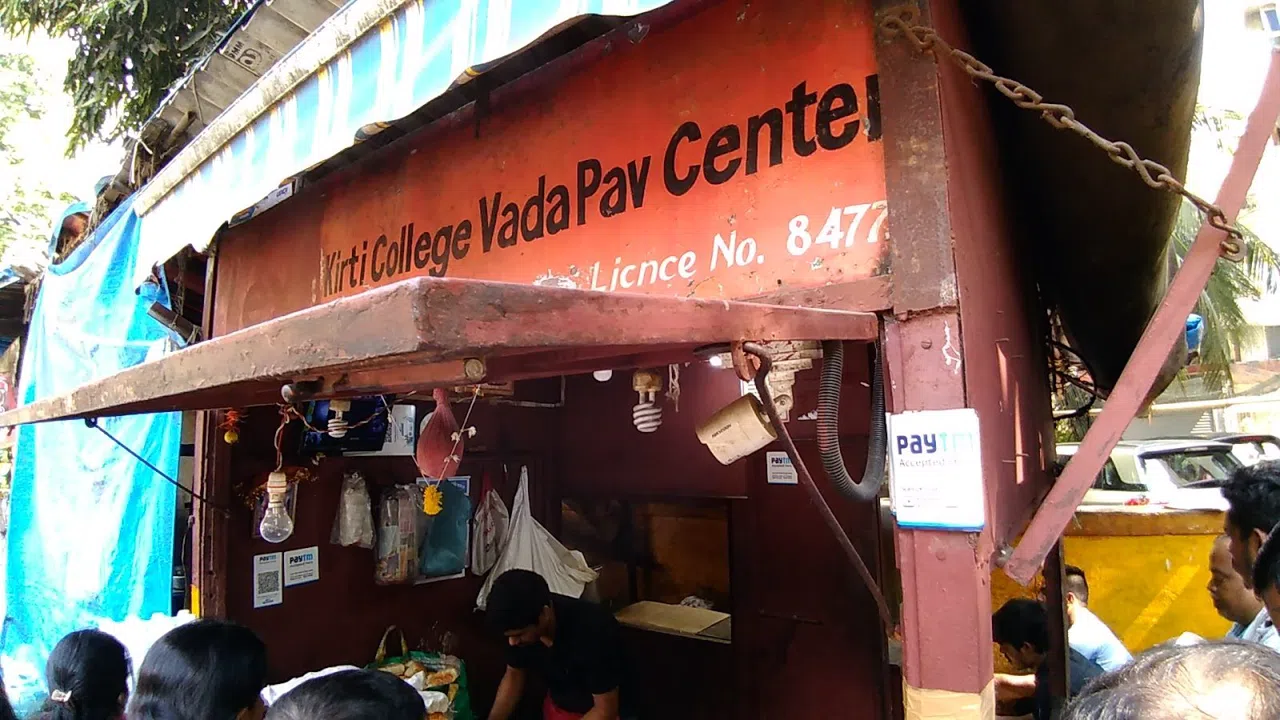
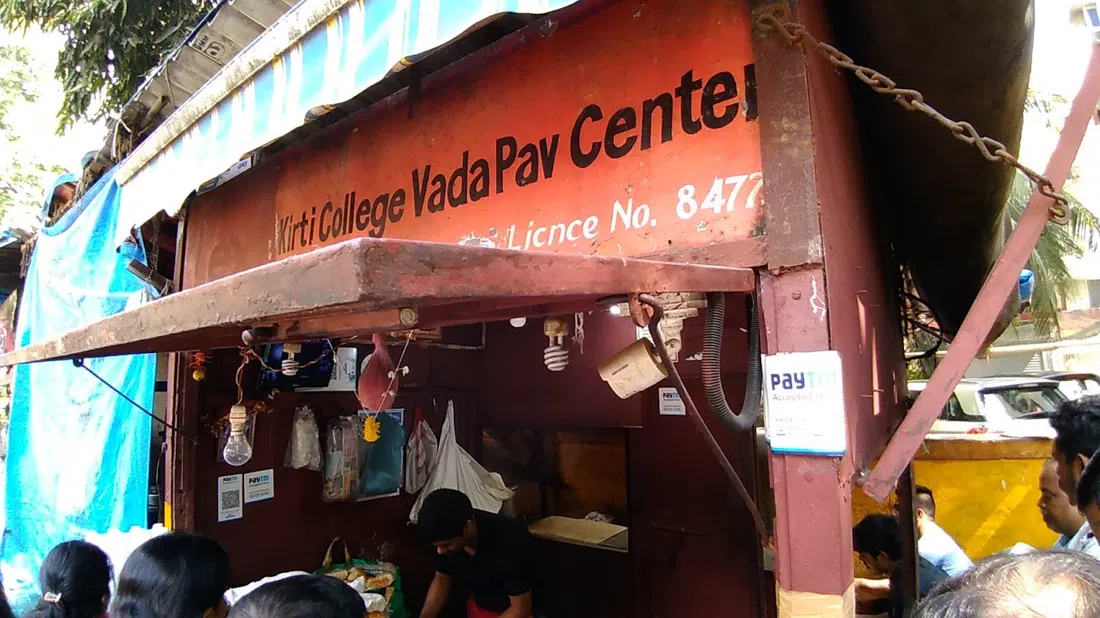
There are two vada pav camps in Mumbai and both of them are represented here, tarp to tarp. Ashok Vada Pav (opposite Kirti College, Dadar/Prabhadevi side) has no seating and no reservations — you eat standing under the tarp, potato-and-chilli-stuffed bun in hand, rain running off the plastic sheet an inch from your shoulder. It's been frying to order for more than thirty years, long enough to have drawn Bollywood regulars who never needed a table. A vada pav here runs ₹30-40, and a group of four or five fits fine as long as everyone's happy to eat on their feet.
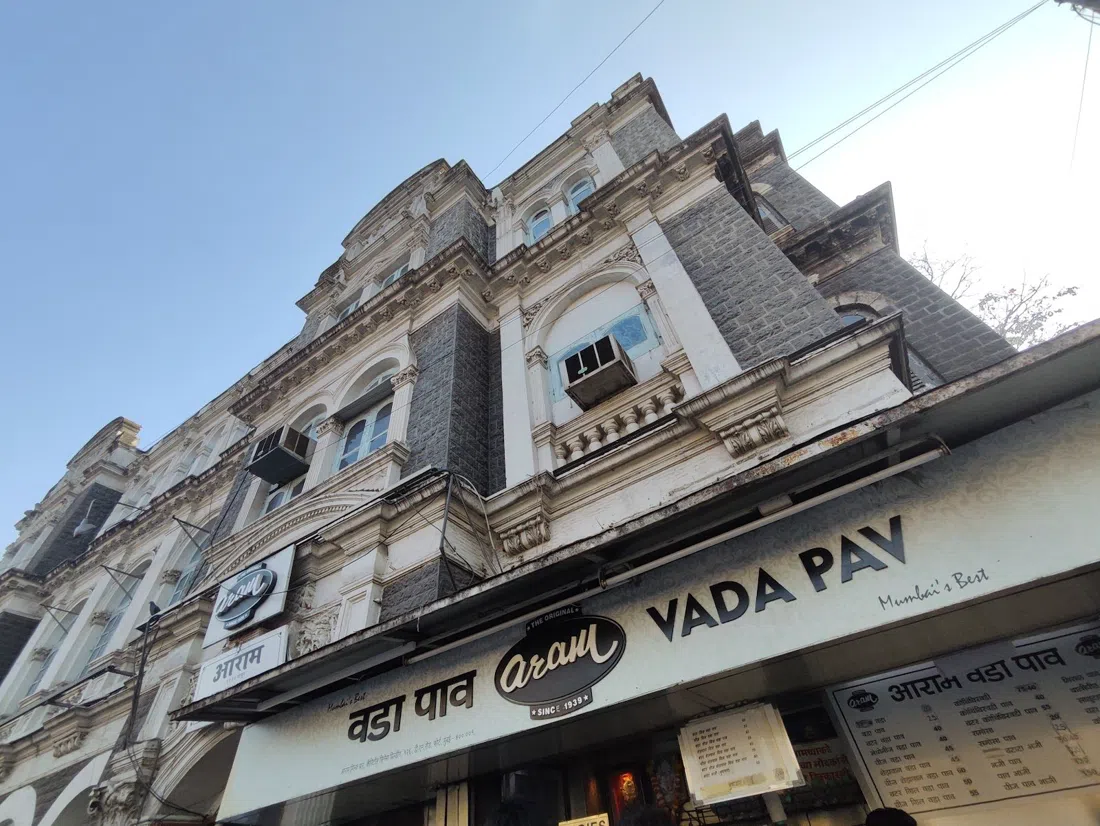
Across town, Aram Vada Pav (opposite CSMT) has done it differently since 1939 — a small counter plus a handful of stools, so it works better as a five-minute group stop than a sit-down meal. The tell that separates the original from every imitator nearby is the fried green chilli served alongside, blistered and salted, meant to be eaten between bites of the pav. Dine-in runs until roughly 9pm; takeaway continues until they sell out, which on a heavy rain night can be embarrassingly early. ₹25-35 a piece.
Irani Cafés: Mumbai's Original Rain Shelters
Long before "monsoon menu" was a marketing phrase, the Irani cafés were simply where you went when it poured, because they were warm, dry, and never in a hurry to turn the table. Kyani & Co. (Marine Lines) has been doing this since 1904 — dark wood, mirrors gone slightly amber with age, bun maska torn open and dragged through a saucer of butter, cutting chai served in a glass because a cup was always considered too much commitment. It takes walk-in groups of four to eight at shared tables, which is very much the point of an Irani café, but it is cash only — no cards, no UPI, so carry notes before you sit down. Two people eat well for ₹150-300.
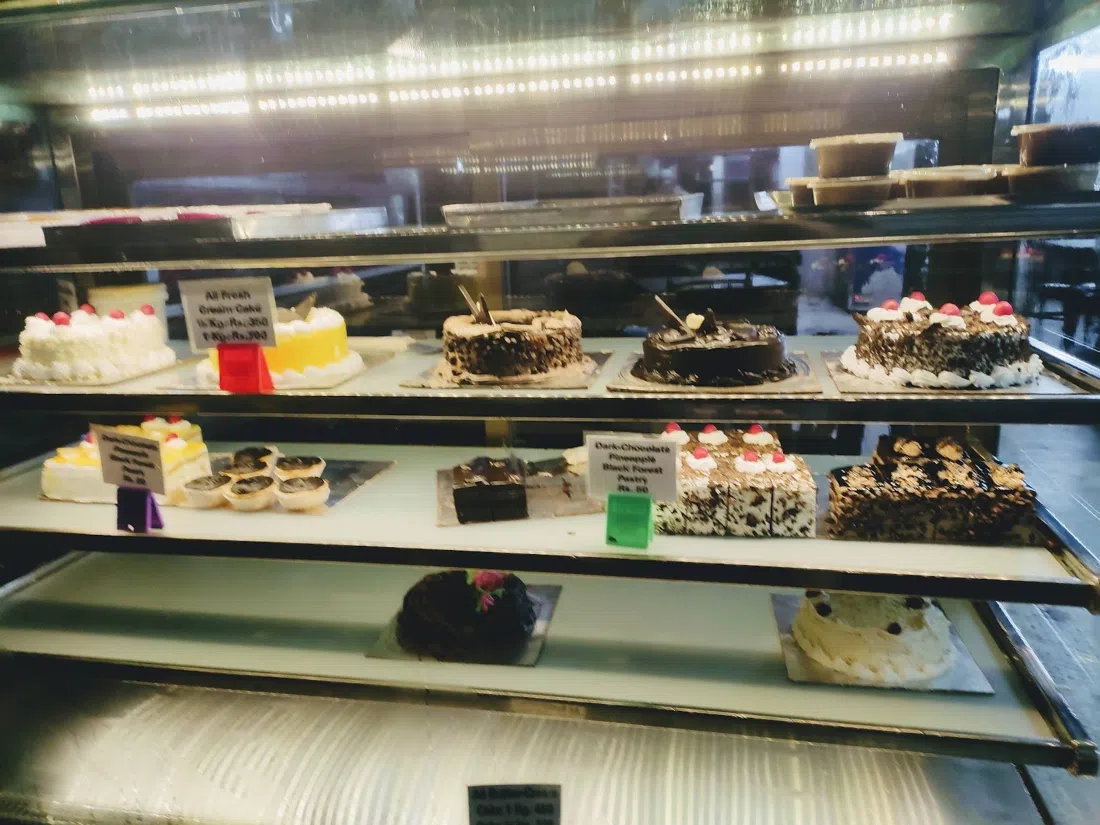
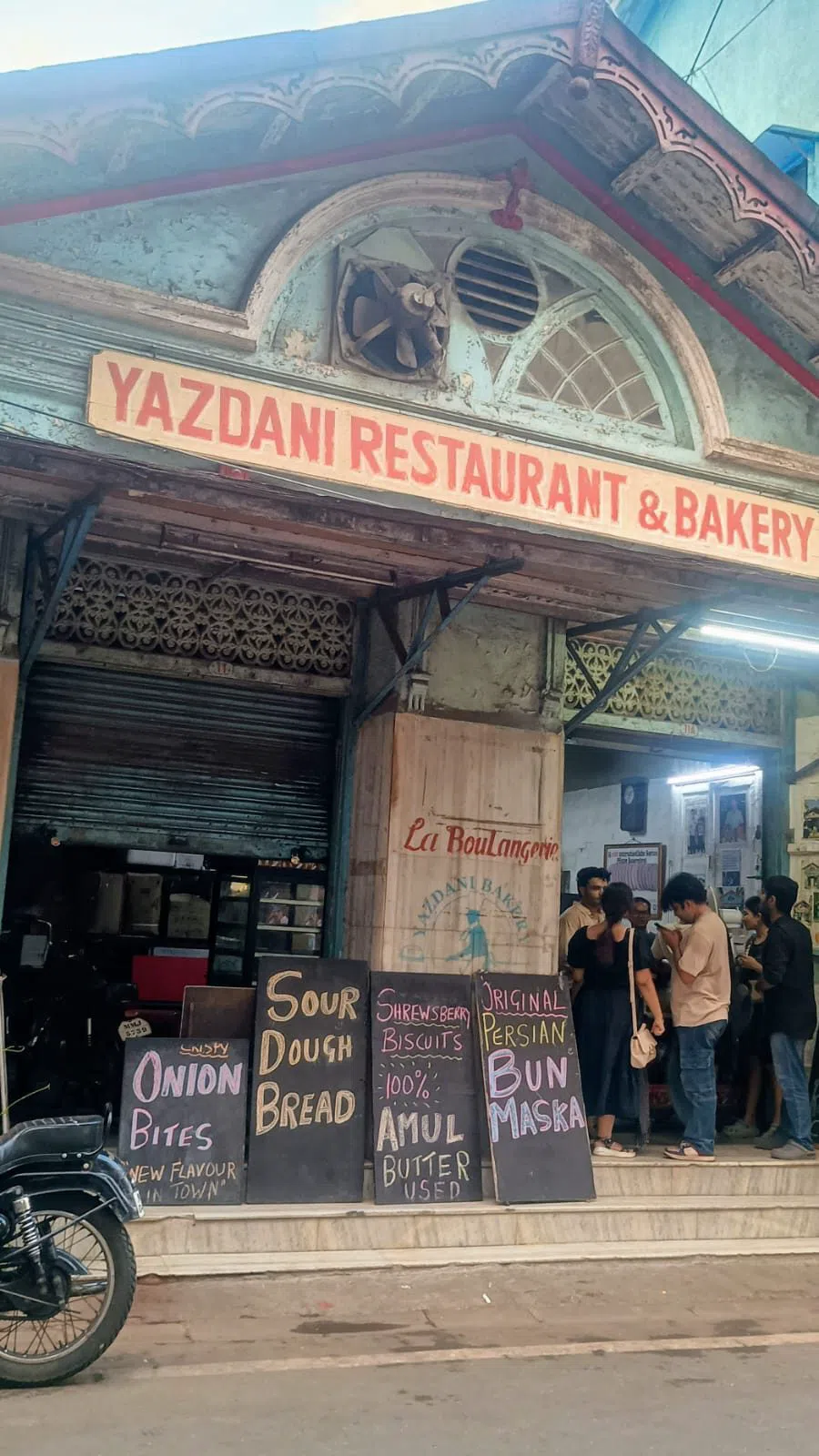
Yazdani Bakery (Fort) runs on a different rhythm: it's a counter and takeaway operation from the 1950s with limited seating, so treat it as a grab-and-go stop for a small group rather than a place to wait out the whole storm. The brun maska comes straight from a wood-fired oven that's been burning since before independence-era Bombay renamed itself, and the caramel custard — kept in a battered display case — is the order regulars actually come back for in the rains. ₹50-150 a head.
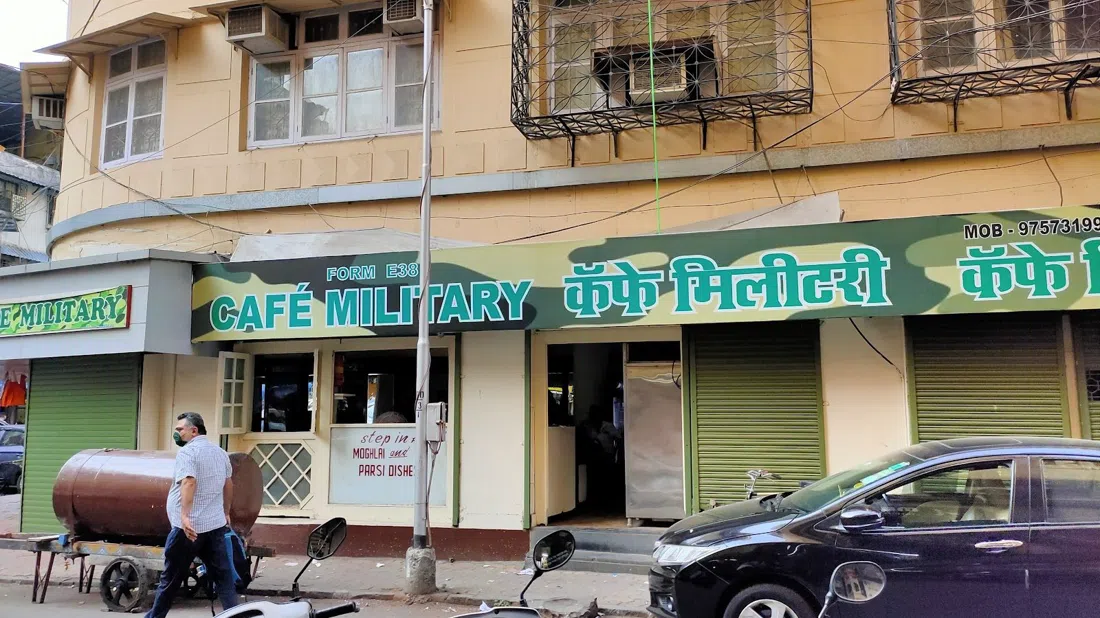
Cafe Military (Kala Ghat/Fort area) is the third leg of the Irani trio, serving akuri — the Parsi answer to scrambled eggs, loose and peppery — with chai since 1933. It's a proper sit-down café that handles small groups comfortably, but it's closed on Sundays, so don't plan a Sunday crawl around it. ₹200-400 for two.
The Long Crawl: Girgaon Khau Galli
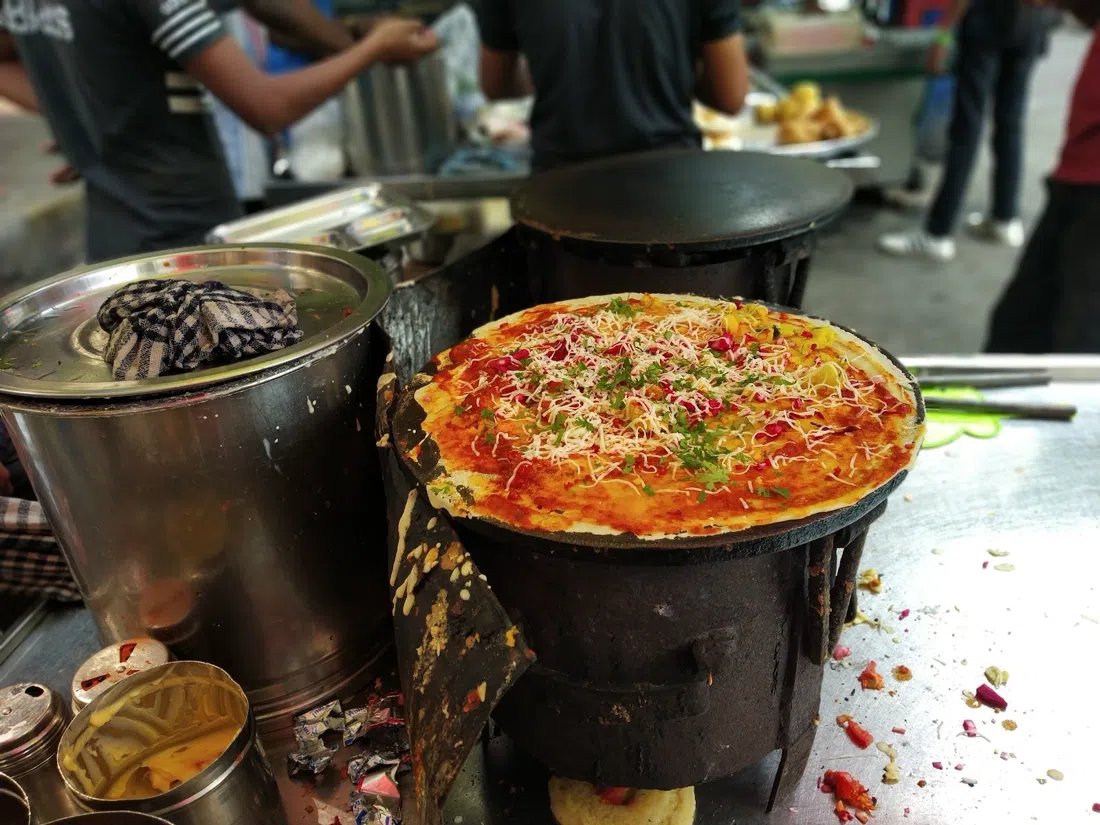
If there's one stop that captures the whole ritual in a single visit, it's Girgaon Khau Galli (Girgaon) — an open lane packed stall to stall with vendors doing puri bhaji, vada pav, and chaas under a patchwork of tarpaulins that somehow all drain into the same gutter. There's no single reservation to make here; you graze, cart to cart, paying ₹50-150 per stall as you go. It's built for a group that wants to split six different dishes rather than commit to one restaurant, and it's the most honest snapshot of how ordinary Mumbai actually eats through a downpour — soaked shoes, steam off the tawa, everyone eating standing up.
Pani Puri With an Actual Roof
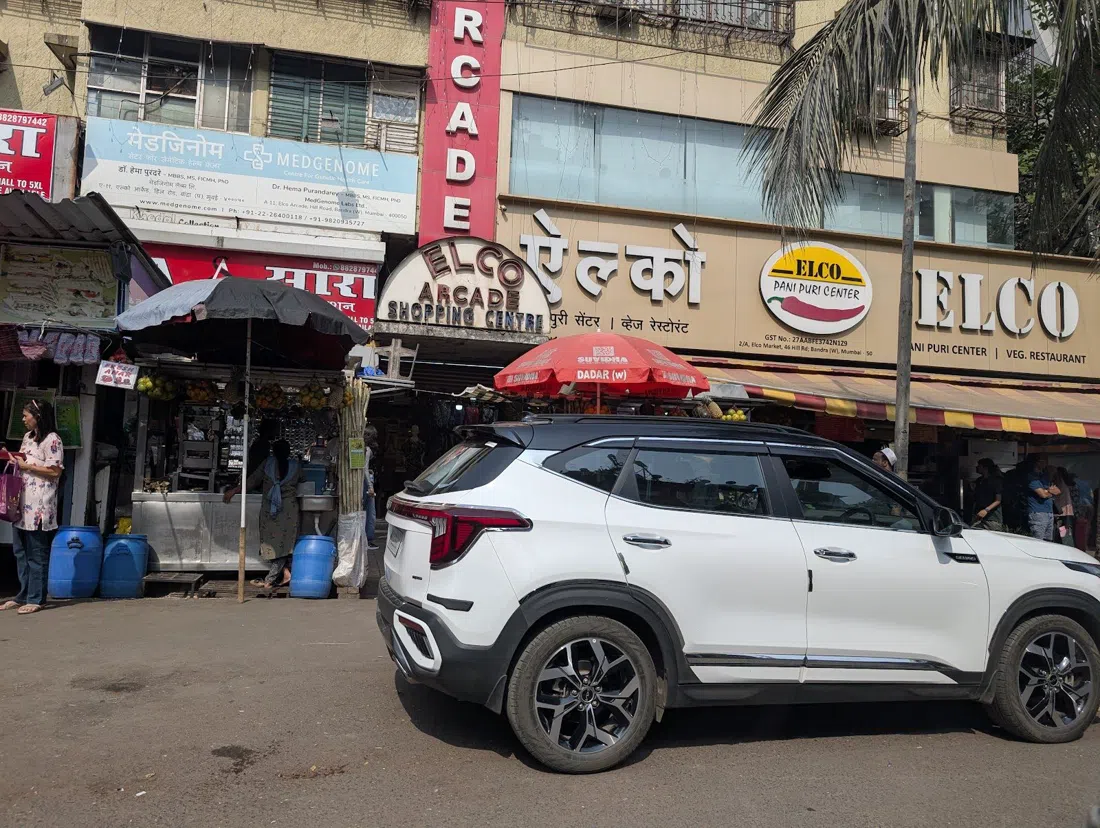
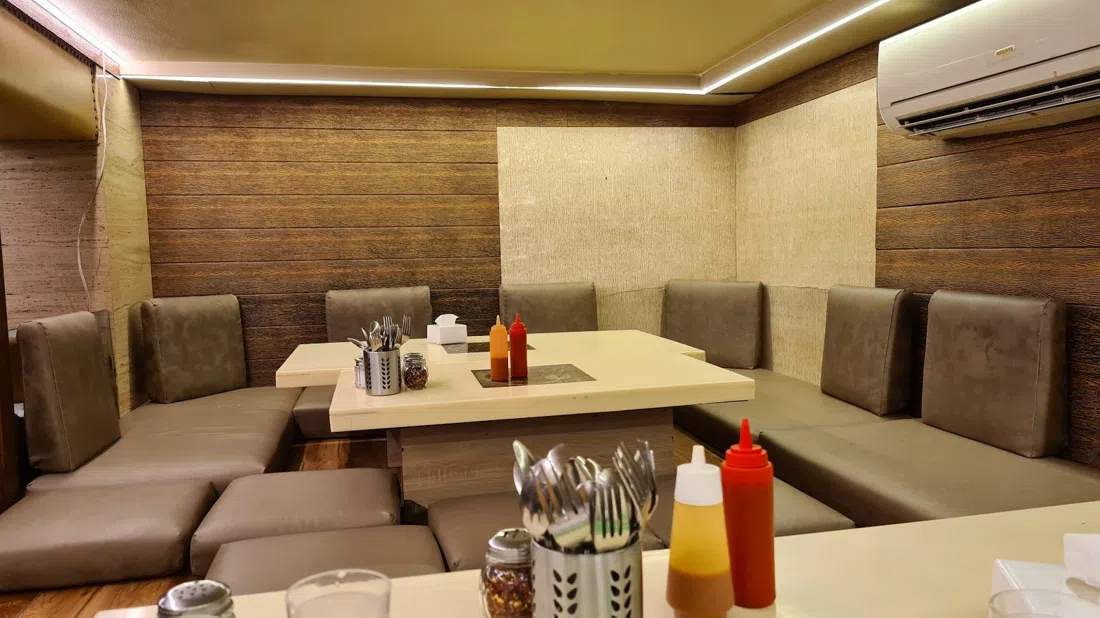
Most pani puri stalls in Mumbai have exactly the amount of shelter you'd expect from a folding cart, which is none. Elco Market Pani Puri Centre (Bandra) is the exception that makes it worth the trip in weather — an air-conditioned first floor seating around a hundred people, which is genuinely rare for a street-food institution and means a downpour doesn't have to end a pani puri crawl the way it would anywhere else. Since 1968 it's built a menu well beyond pani puri into a full snack spread, and at ₹200-400 a head it's priced for a proper sit-down group session rather than a two-minute stand-and-eat.
Misal Pav and Pav Bhaji: Fire Against the Rain
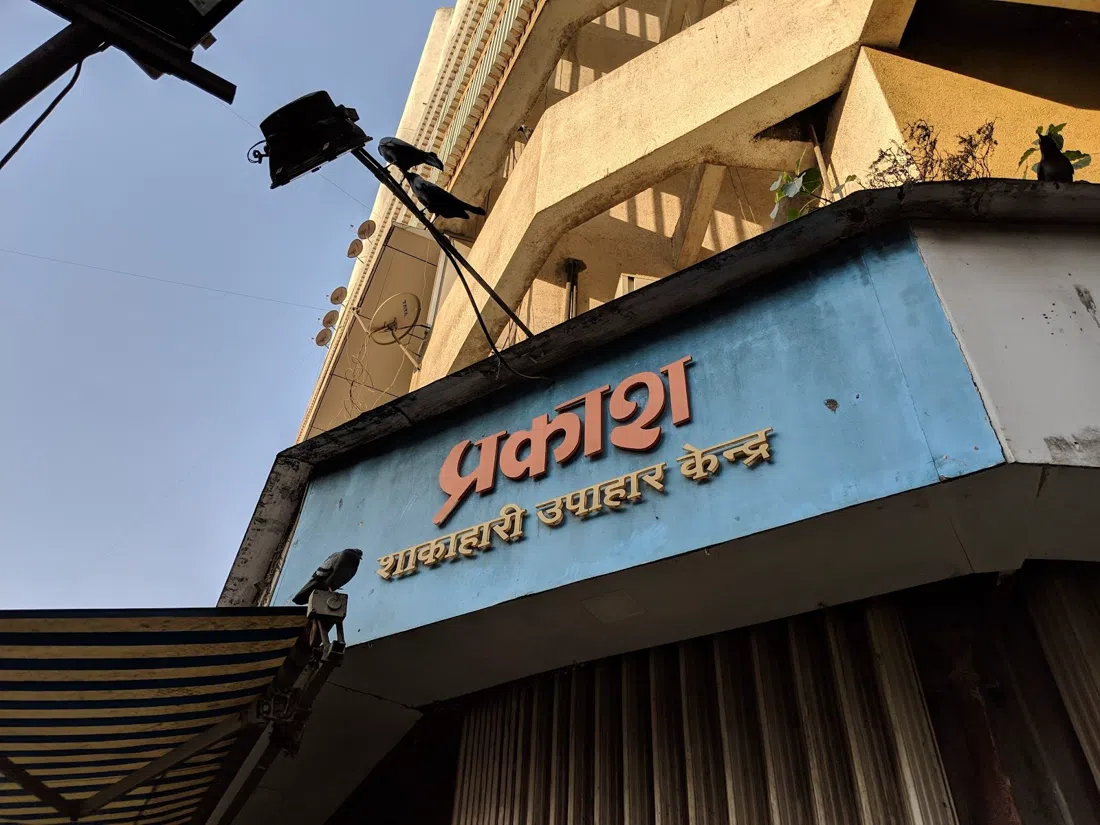
The logic of monsoon eating in Mumbai is straightforward — heat and chilli against the damp — and nowhere is that logic more literal than in a bowl of misal. Prakash Shakahari Upahar Kendra (Dadar) has been serving its version for more than fifty years in a small, no-frills dining room that suits groups of four to six. It's cash only and closed on Fridays, both worth checking before you plan a visit — the misal itself, a fiery sprouted-lentil curry poured tableside over farsan and onion, is the dish locals point to as the definitive monsoon fire-and-rain combination. ₹100-200 a head.
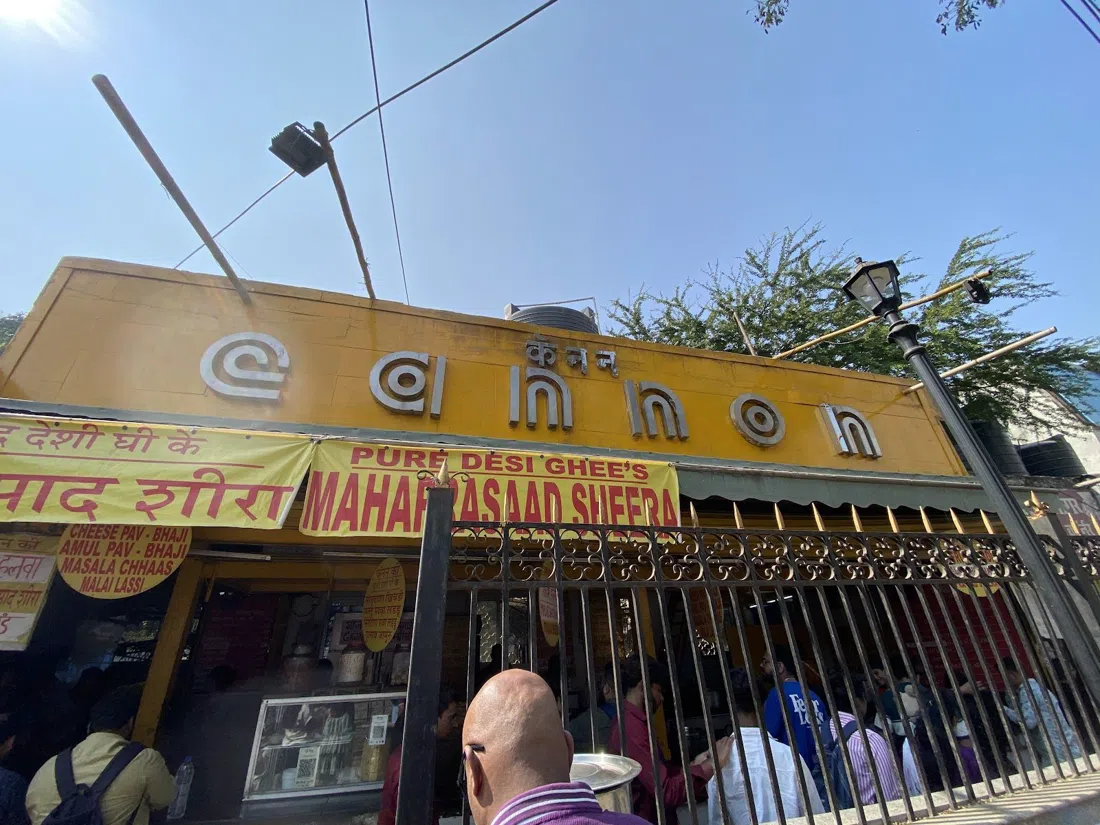
Pav bhaji does similar work at two very different addresses. Cannon Pav Bhaji (opposite CST) has run its open-air stall with stools since 1975, no reservations needed, and stays comfortably casual for a group happy to eat outdoors under the awning — a tawa of butter-loaded bhaji mashed and reduced until it's dark and thick, served with pav toasted on the same griddle. ₹80-150 a head.
Further out, Amar Fast Food & Juice Centre (suburban Mumbai) is the late-night version — a casual sit-down counter doing a dozen pav bhaji riffs alongside thick milkshakes, popular precisely on the nights when flooded tracks strand the last local trains and half the neighbourhood ends up there instead of at home. ₹150-250 a head, group-friendly, no fuss about numbers.
After Dark: Bademiya
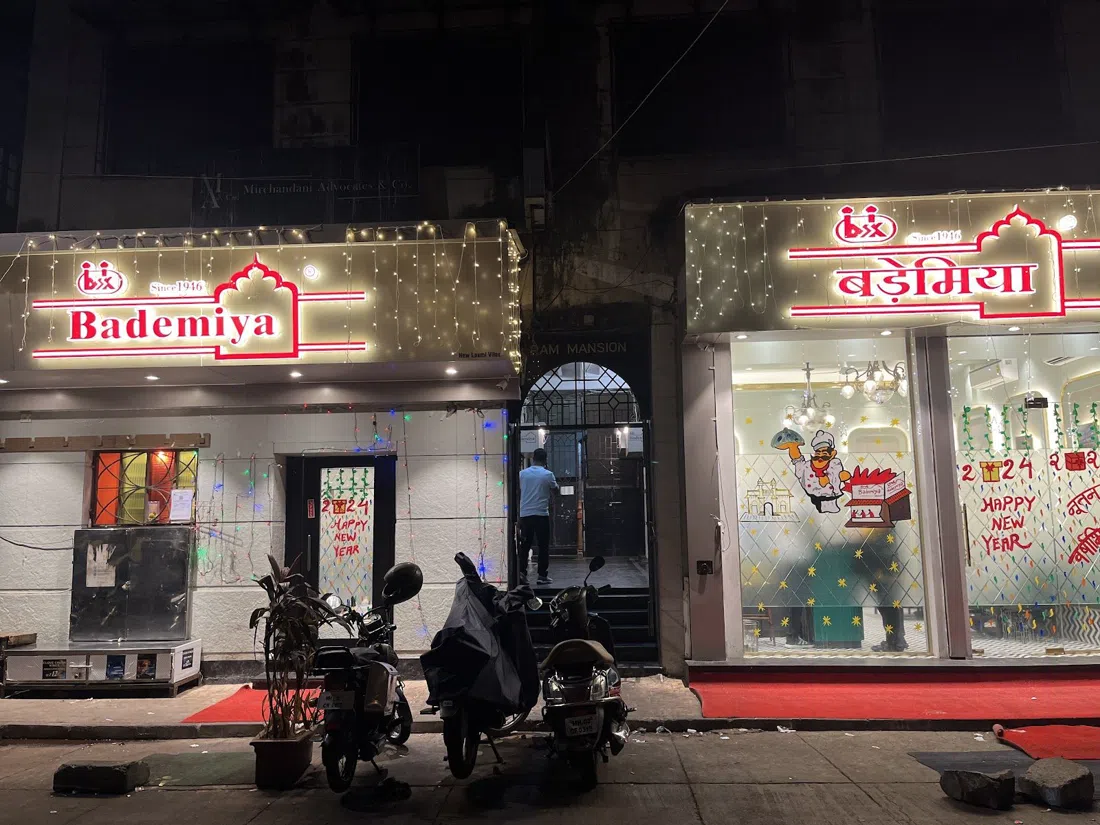
When the rain lets up after 9pm and the kebab smoke starts drifting from behind the Taj, Bademiya (Colaba) is where it's coming from. It's an open-air stall with plastic tables that has handled crowds — and Mumbai's after-dark, after-rain hunger specifically — since long before "street food tourism" existed, open 7pm to 3am. Seekh kebabs come off the grill blistered and smoky even with rain still dripping off the tarpaulin edge, and it takes large groups easily, especially late. Budget ₹300-600 a head; this is dinner, not a snack stop.
The Civilised Bridge: Swati Snacks
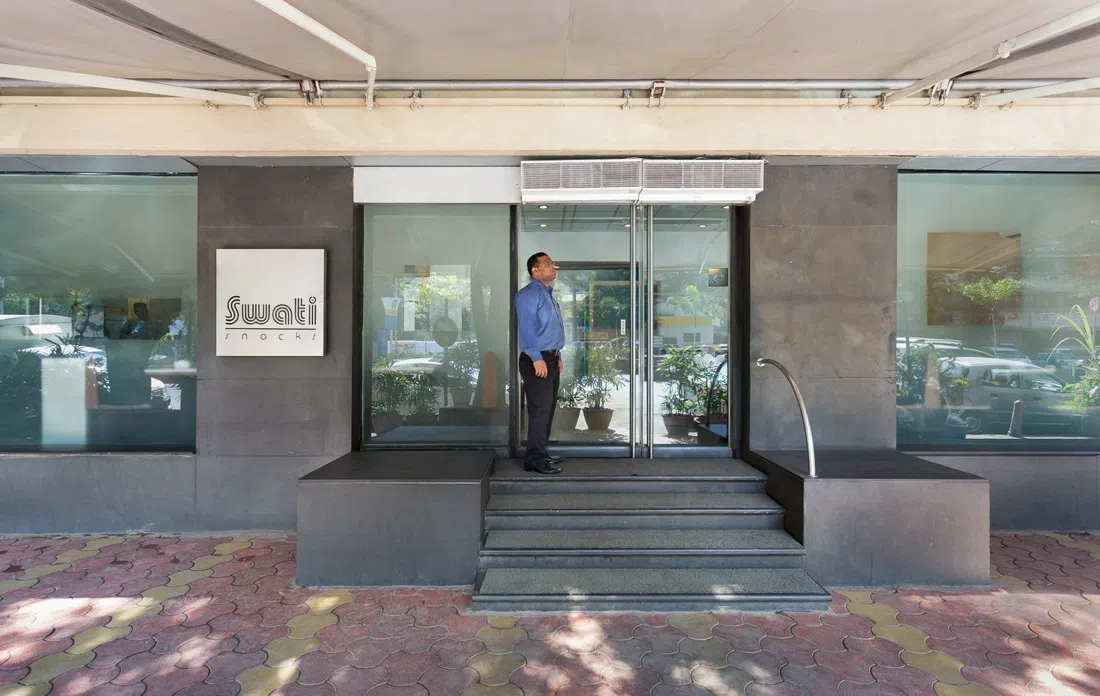
For a table, a reservation, and a menu that translates street snacking into restaurant service without losing the point of it, Swati Snacks (Tardeo) is the answer. It takes bookings and handles groups comfortably, serving panki — a rice-batter steamed cake unwrapped from a banana leaf at the table — and bhajiya without any of the roadside risk that comes with a monsoon puddle underfoot. It's the one stop on this list built for a couple who wants Mumbai street flavour without standing in the rain to get it. ₹600-1000 for two.
Sweet Relief: Bachelorr's
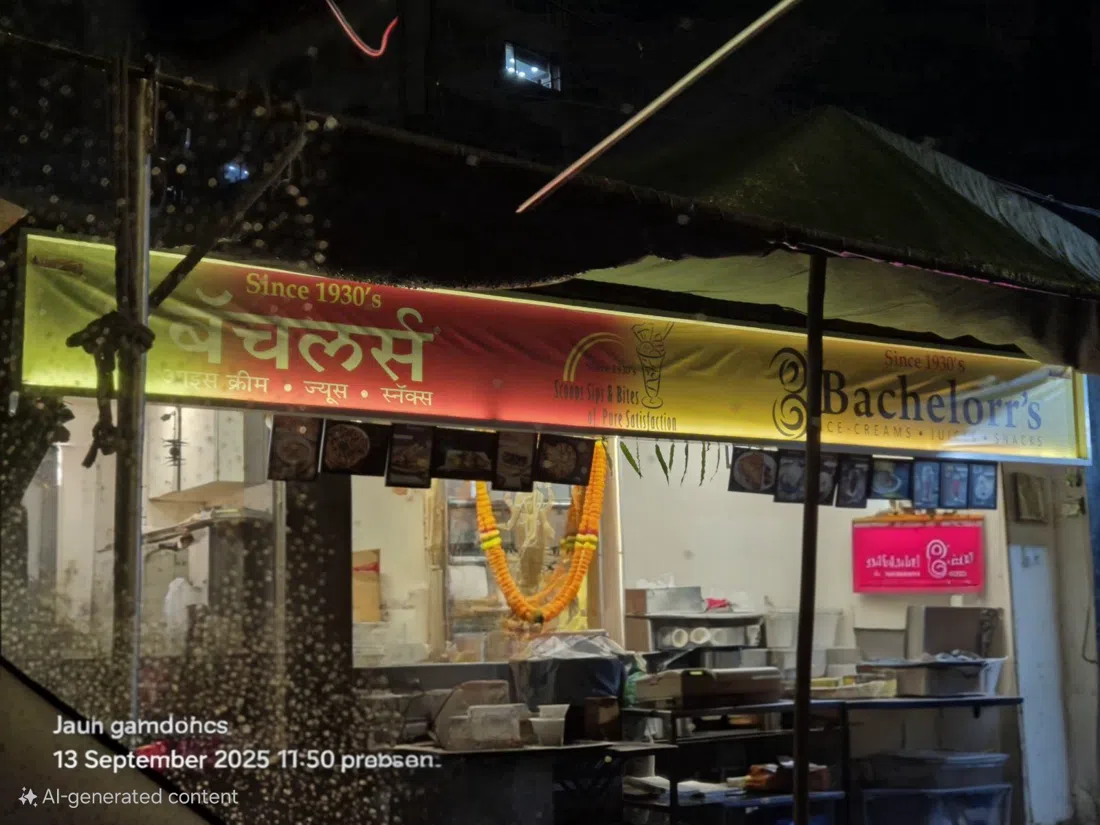
Every crawl needs a cooldown, and Bachelorr's (Chowpatty) has been the Marine Drive answer since the 1930s — a counter with outdoor seating facing the sea, easy for groups, serving a mango milkshake thick enough to need the spoon that comes with it. There's something specific about drinking it while the monsoon surf throws itself across Marine Drive a few metres away that a photo doesn't quite capture. ₹150-300 a head.
Practical Notes for Eating Mumbai's Monsoon
Transport: the suburban rail network is the fastest way around the city outside peak flooding, but it's also the first thing to stall when the drains back up — build slack into any plan that depends on catching a specific train. Autos and cabs run through lighter rain but get scarce and expensive once water starts pooling on the roads; don't count on hailing one at 9pm from Colaba after a cloudburst.
Cash: carry it. Kyani & Co. and Prakash Shakahari Upahar Kendra are cash only, and most of the stalls above are far more comfortable with notes than with a card reader that might not survive the humidity.
Timing: the heaviest downpours tend to cluster late afternoon into evening from June through September — plan the Girgaon Khau Galli or Elco crawl for a lull, and treat Bademiya's 7pm–3am window as the fallback once the worst of a storm has passed. Note the closures: Cafe Military is shut Sundays, Prakash is shut Fridays.
Budget: a full street-food crawl — Girgaon Khau Galli, a vada pav stop, a pani puri detour at Elco — can be done for under ₹1000 a head across an afternoon. A sit-down evening finishing at Swati Snacks or Bademiya pushes that closer to ₹1500-2000 a head. For a base to run either version of this itinerary from, start with a Mumbai hotel search; for the wider city beyond the monsoon menu, the Mumbai guide covers the rest of what to see between meals.