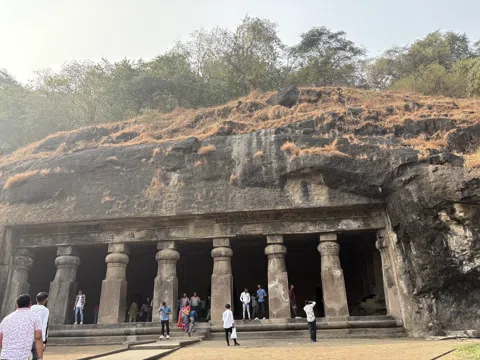
Het Mumbai-nummer
Ganpati in Mumbai van de 5.00 uur-wachtrij tot Chowpatty
Mumbai's Ganeshotsav is eleven days, a dozen pandals and one immersion night. Here is how to plan it around the queues that are actually worth standing in.
Door Aditi RaneThe city read by its facades
By early September the idol workshops in the Lalbaug back lanes are half empty, and what stood in them since June is out on a flatbed lorry, or under a canopy at the end of a lane, or in a housing-society lobby with a tubelight taped above it. Mumbai keeps Ganeshotsav for eleven days, 14 to 25 September in 2026, and for that stretch the city's timetable belongs to the street rather than the trains. Most of the planning comes down to queues: which ones are worth four hours of your day, and which ones you can walk straight into.
Start in Girgaon, where the public festival began
Ganesh Chaturthi was a household rite behind closed doors until 1893, when Bal Gangadhar Tilak encouraged Girgaon families to bring their idols into a shared courtyard, a legal way for people to assemble at a time when political gatherings were not. Keshavji Naik Chawl (Girgaon) is where that happened, and it has run every year since. It still refuses loudspeakers. The idol has stayed two feet tall for more than a century, carved by the same family of Girgaon murtikars. Entry is free, unticketed and walk-in, but the courtyard is domestic in scale and the etiquette is quiet, so come as a couple or a group of three or four rather than a party of twelve, and don't treat it as a photo stop. Half an hour standing at the back here will tell you more about what the festival actually is than a full day of the mega-pandals.
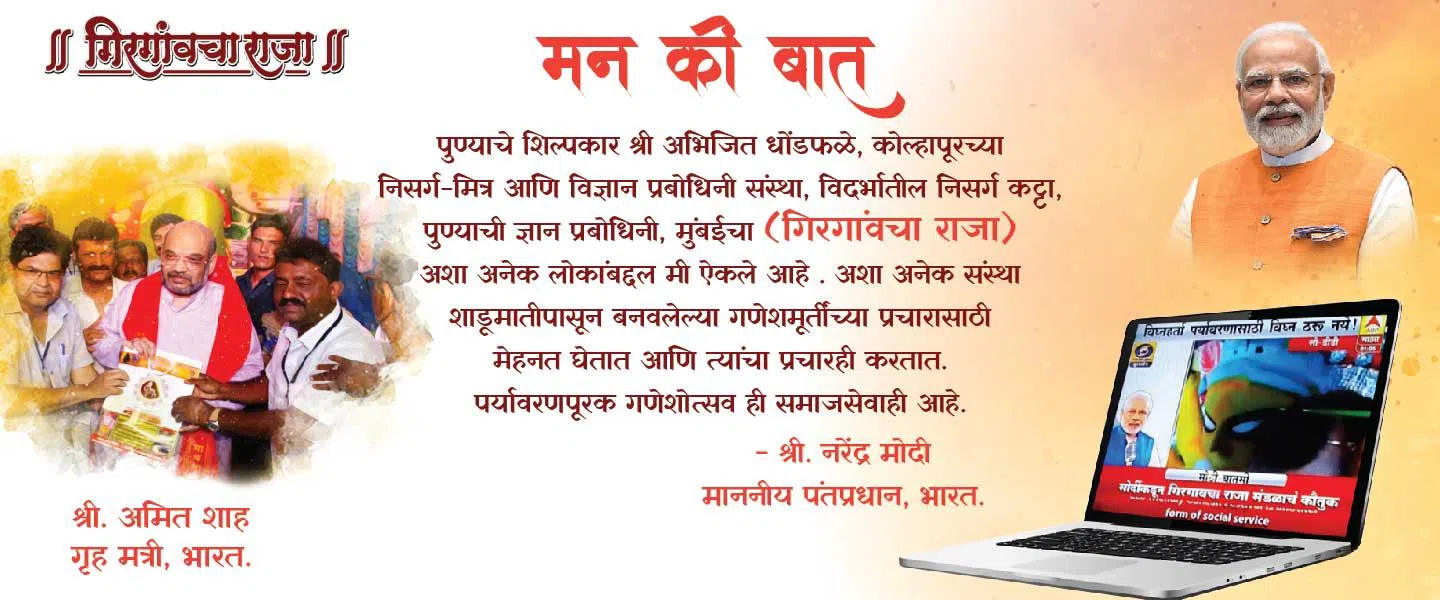
Ten minutes on foot, in the lanes north of it, stands Girgaoncha Raja (Nikadwari Lane, Girgaon), a mandal in its 99th year and certified by the World Records Book of India as the tallest idol made from shadu clay, the river clay that dissolves in water, unlike plaster of Paris. It is a useful counterpoint to the argument you will hear all week about what idols should be made of: the eco case built at full scale rather than as a gesture. Darshan is free, walk-in, and the queue is usually measured in minutes.
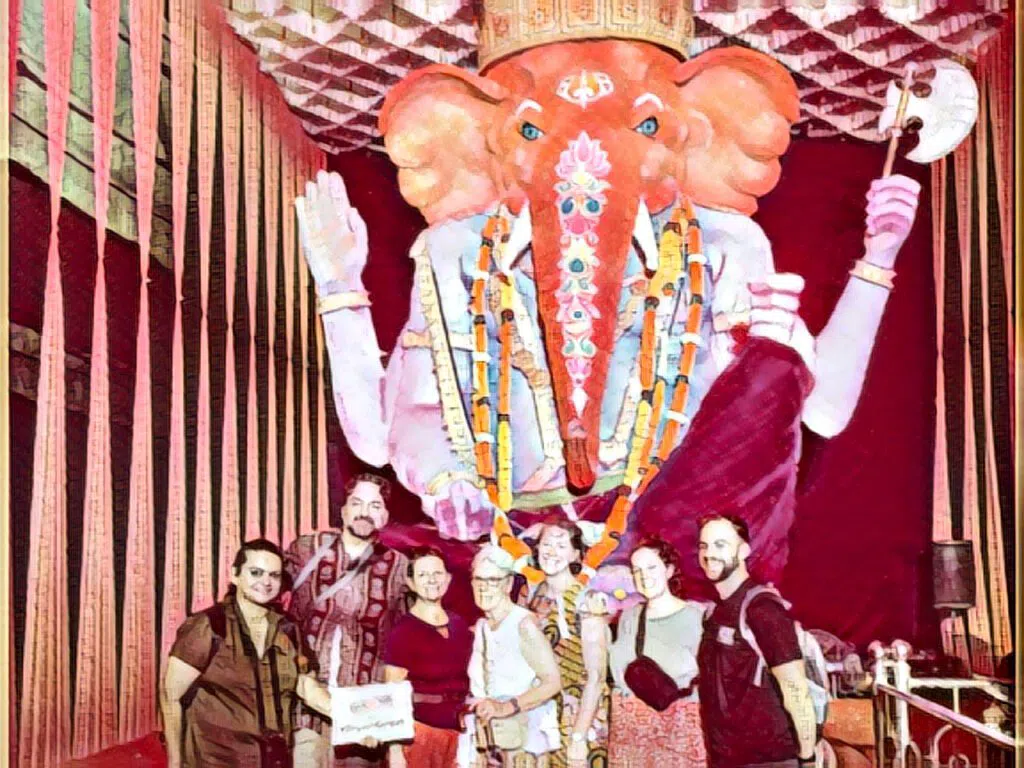
If you want the Girgaon story told properly, Khaki Tours runs the one paid walk worth taking during the festival. It begins at Phadke Wadi, in the streets where Tilak's public Ganeshotsav started, works through neighbourhood eco-friendly pandals rather than the giants, and ends with a box of modaks. Scheduled small-group departures sell out well before September; private group walks are bookable directly on +91 88281 00111. Reckon on roughly ₹1,000 to ₹1,800 per person and confirm the 2026 festival-walk price when you book.
End the morning at Panshikar Sweets (Girgaon), trading since 1921 and the city's reference point for ukadiche modak, the steamed rice-flour dumpling with coconut and jaggery that is the festival's real food, as opposed to the fried version sold all year. They run more than ten varieties, mawa and kesar and pista among them. Buy one plain steamed modak first; the flavoured ones are a distraction from a very good thing. Around ₹30 to ₹70 each, boxes from about ₹300. It is counter service with almost nowhere to sit, which is fine for a group as long as everyone accepts they are eating on the pavement. There are branches in Vile Parle and Ghatkopar if you are staying north.
Plan je reis naar Mumbai
Actuele prijzen van onze boekingspartners.
Gratis annuleren bij veel kamers. We kunnen een commissie ontvangen als je boekt.
The Lalbaug circuit and the arithmetic of the queue
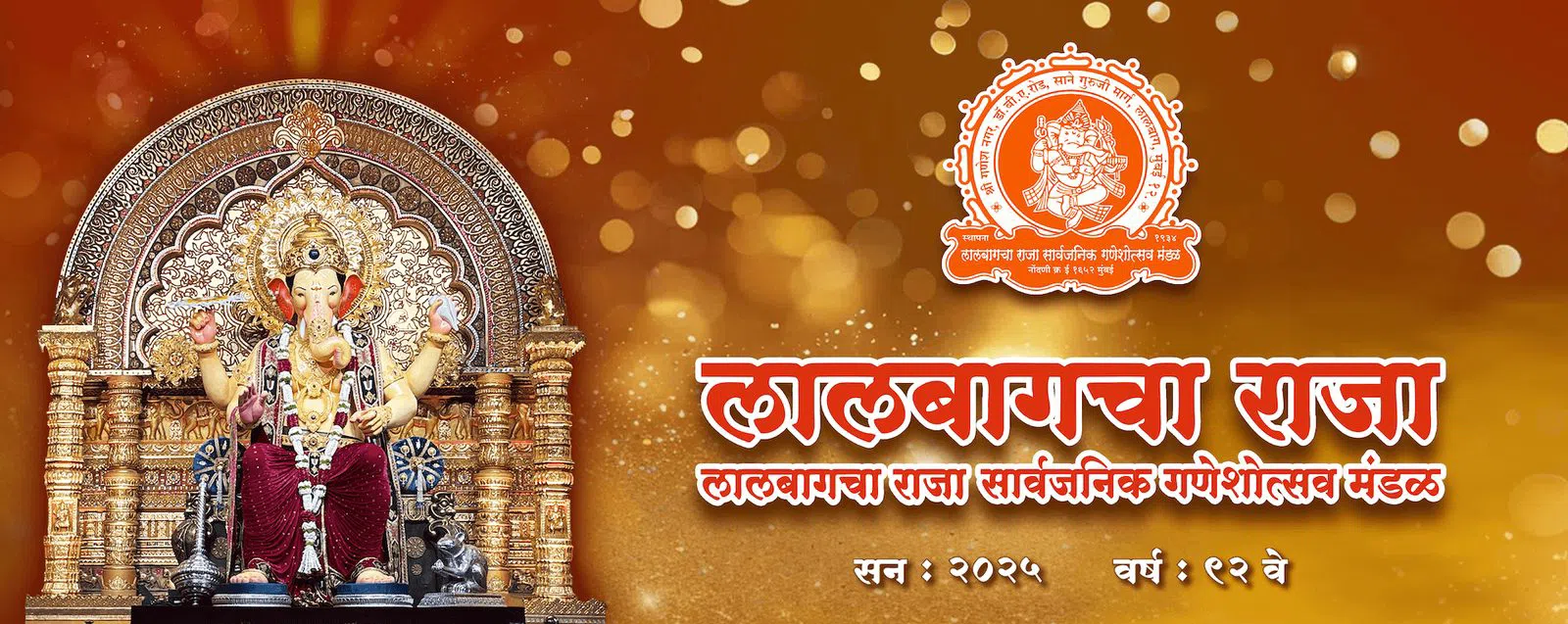
Lalbaugcha Raja (Lalbaug) is the one everybody means when they say Ganpati in Mumbai, and its official 2026 run is 14 to 25 September. Darshan is free and there is no booking, but there are two separate queues, and the difference between them is the difference between a morning and a two-day commitment. The Mukh Darshan line, for viewing from a distance, is the realistic option at roughly four to eight hours, and worse than twelve at weekends. The Navsachi line, which takes you to the feet of the idol, can run 25 to 40 hours; people bring food and take it in shifts. Treat it as a pilgrimage rather than a sightseeing stop. If you only have a day, go for Mukh Darshan between 5am and 8am on a weekday, or after 11pm. Groups are welcome but you will queue single-file for hours, phone signal drops out inside the corridor, and you will not be able to text each other back into formation, so agree a meeting point on the street before you join.
Five minutes' walk away is Mumbaicha Raja (Ganesh Galli, Lalbaug), founded in 1928 and marking its 99th festival in 2026 with a set called Vaishnavanchi Wari, built around Maharashtra's saint-poet pilgrimage tradition. The set-building, not the idol, is the reason to come: these mandals compete on craft, and this one usually wins. Its entrance is wider and handles groups better than its neighbour's, but the same lane feeds both, so arrive from the Currey Road side rather than trying to swim upstream from Lalbaug. Pair the two in a single visit; there is no sense in coming to this district twice.
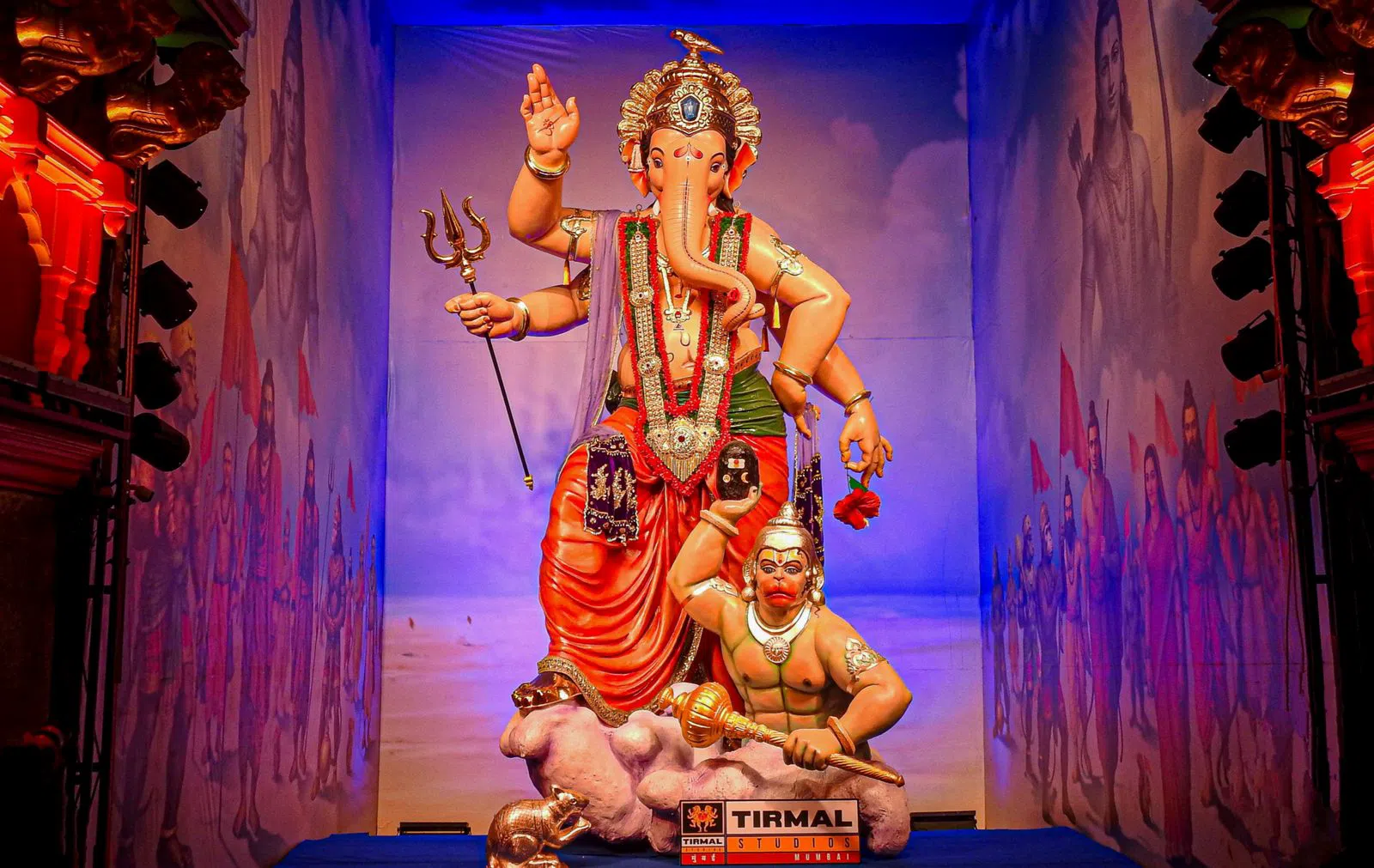
Chinchpoklicha Chintamani (Chinchpokli), established in 1920 and in its 107th year, takes a Tirumala-style South Indian temple form for its 2026 aagman set. Its arrival procession from the Parel railway workshop ground is the most-watched in the city and produces the single densest crowd of the whole festival. It is a spectacle, and a hard place to be if you have never stood in a crowd like that. The mandal live-streams the aagman on its own YouTube channel, which is the sane option for a group with anyone who does not want to be pressed shoulder to shoulder for three hours. Darshan itself, on ordinary days, is free and far calmer.
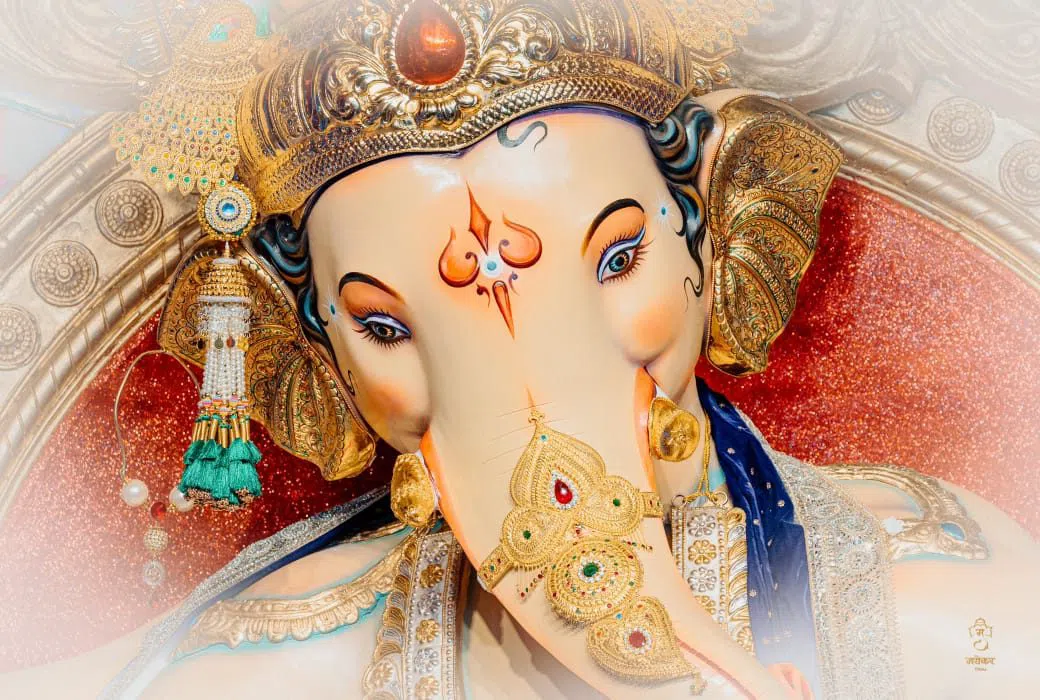
If the Lalbaug queues have already defeated you, walk to Tejukaya Sarvajanik Ganeshotsav Mandal (Lalbaug), founded in 1967 and Guinness-recognised since 2019 for the world's largest eco-friendly Ganesh idol. Queues here are noticeably shorter than at its neighbours, which makes it the sensible first stop for a group still finding its feet in the crowd. It is also the best way to stand in front of a genuinely enormous idol without giving up half a day, and the point about materials will register with anyone who has been following the plaster-of-Paris debate.
Five days only at King's Circle
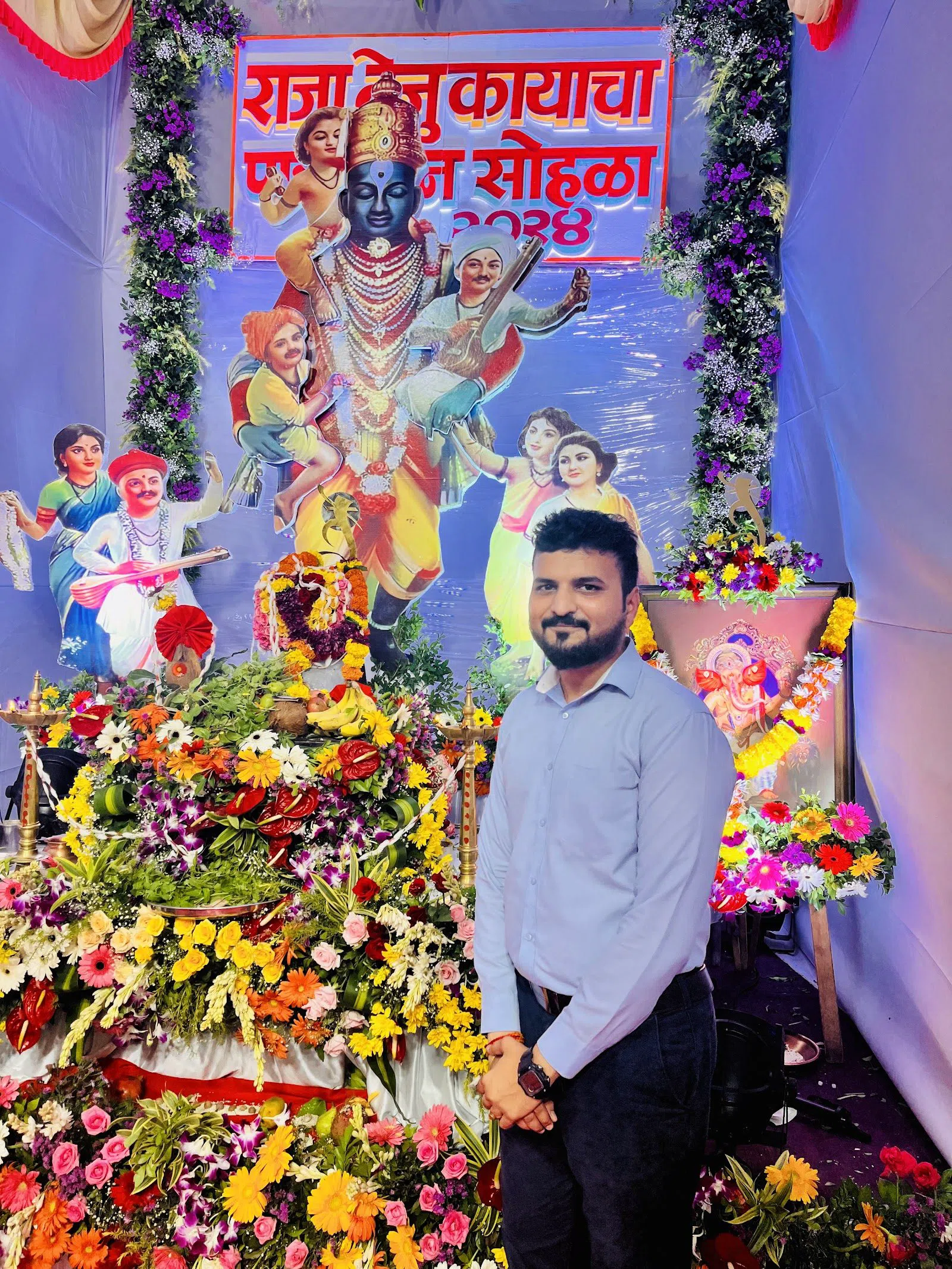
GSB Seva Mandal (King's Circle) is Mumbai's richest pandal, insured in recent years for more than ₹470 crore, but the calendar matters more than the gold: it stands for five days only, 14 to 18 September 2026. If it is on your list, front-load it, because by the time you have worked through Lalbaug it will be gone. The dress code is strict, with no shorts, low-waist jeans or short T-shirts for anyone over twelve, and there is online slot booking with QR e-receipts, which is by some distance the most practical route for a group. Darshan is free; seva donations are accepted. The mandal runs a community kitchen that feeds thousands every day it stands, and watching that operation is part of the visit.
Khetwadi's numbered lanes, six mandals in two hours
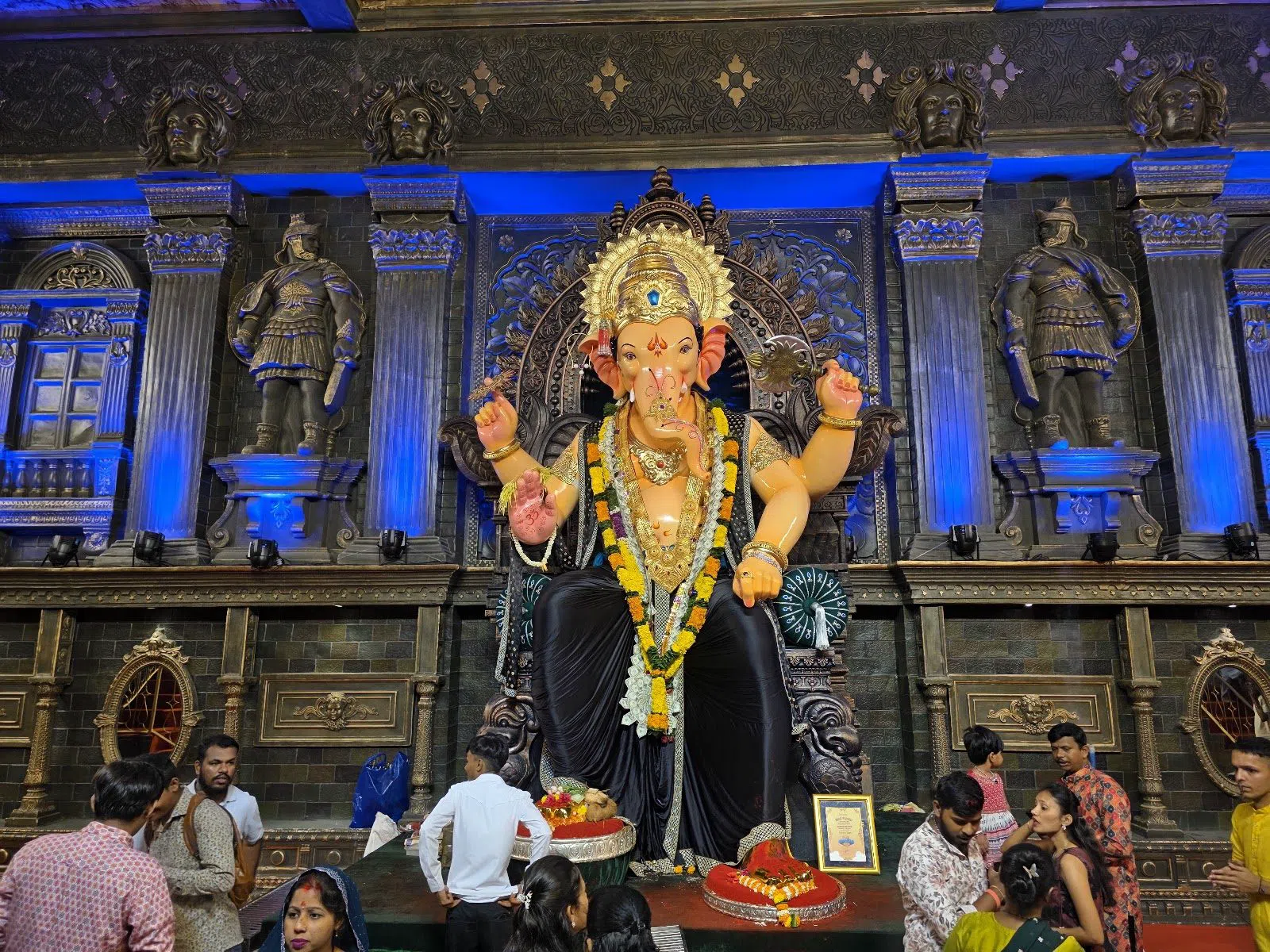
Khetwadicha Ganraj (Khetwadi 12th Lane) was founded in 1959 and is known for record-height idols and message-driven themes, but the reason to come to Khetwadi is the geography rather than any one mandal. Each of the numbered lanes running off the main road has its own mandal, so from Grant Road station you can walk five or six of them in two hours without queueing meaningfully for any. It is the best value per hour in the city, and the closest thing to seeing how the festival works as a neighbourhood institution rather than a destination. The lanes are narrow: keep a group in single file, move with the flow, and do not stop in the middle of a lane to take a picture, because the crowd behind you has nowhere to go.
If you are based in the south of the city
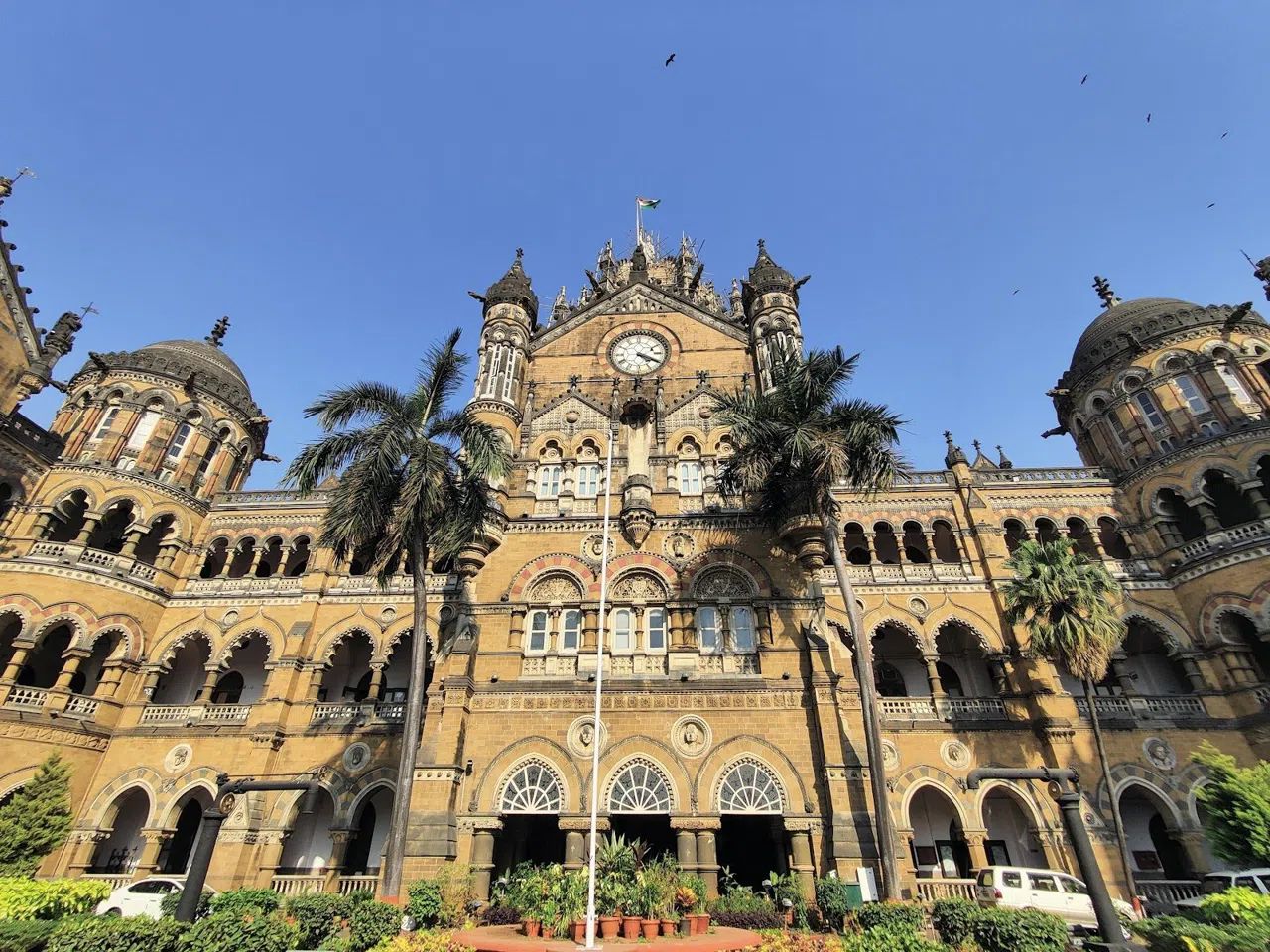
Staying in Colaba or Fort puts you a long way from Lalbaug in traffic terms but within walking distance of Fort Vibhag Sarvajanik Ganeshotsav Mandal (Fort), also called Fortcha Icchapurti, running since 1955. It is the most accessible major mandal for anyone in the South Mumbai hotel belt, walkable from CSMT and from Colaba, with comfortable queues and easy going for a group, and it works well as a warm-up the evening before you attempt the central-Mumbai circuit. If you are still deciding where to base yourself, the south and the Dadar to Lalbaug corridor are the two defensible choices; compare rates and walking distances on the Mumbai hotel search before you commit, because festival-week traffic will make any saving on location expensive in hours.
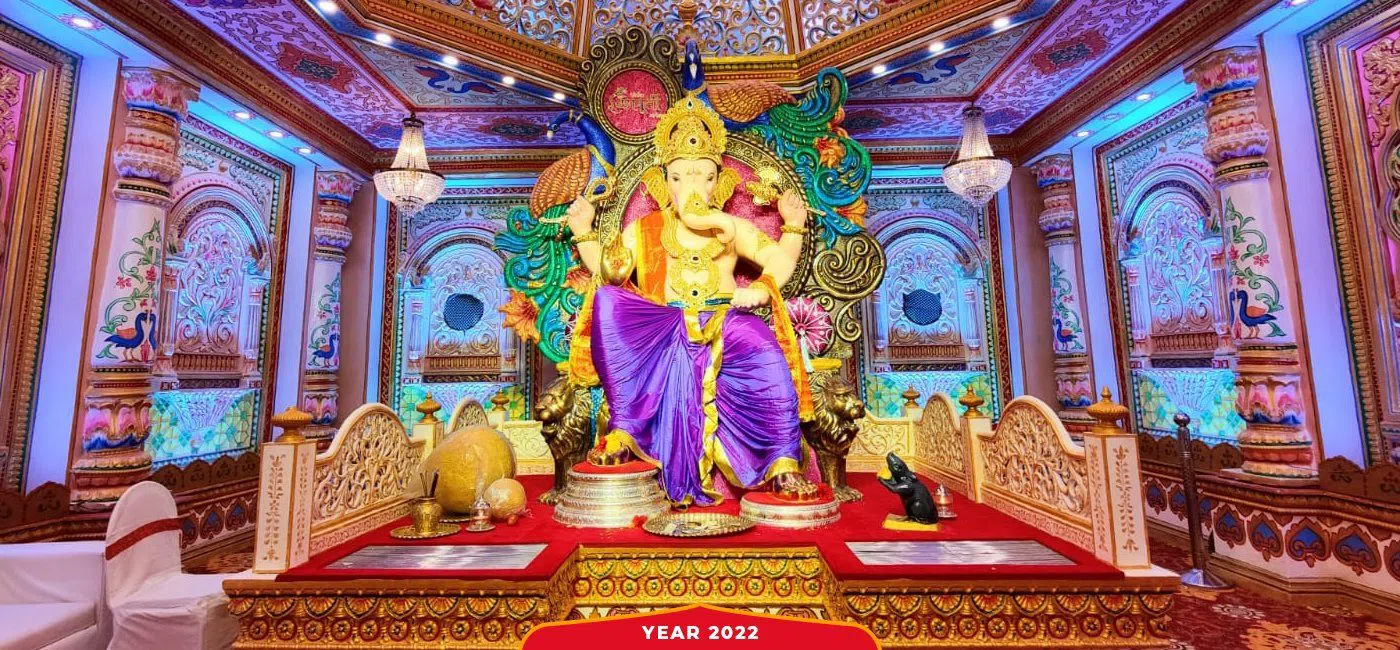
Shree Siddhivinayak Temple (Prabhadevi) is the permanent counterpart to all these temporary pandals, the place Mumbai goes on Tuesdays and on Angarki Sankashti throughout the year, not only in September. It opens around 5:30am most days and from roughly 3:15am on Tuesdays. Darshan is free with paid VIP and puja options, and pujas can be booked online; on festival days a group should use the online slot system rather than turning up hopefully. On Ganesh Chaturthi itself the temple runs almost round the clock and the queue is measured in hours, so go on any other day of the eleven and you will have a far better visit.
The suburbs, and the visarjan that happens after everyone leaves
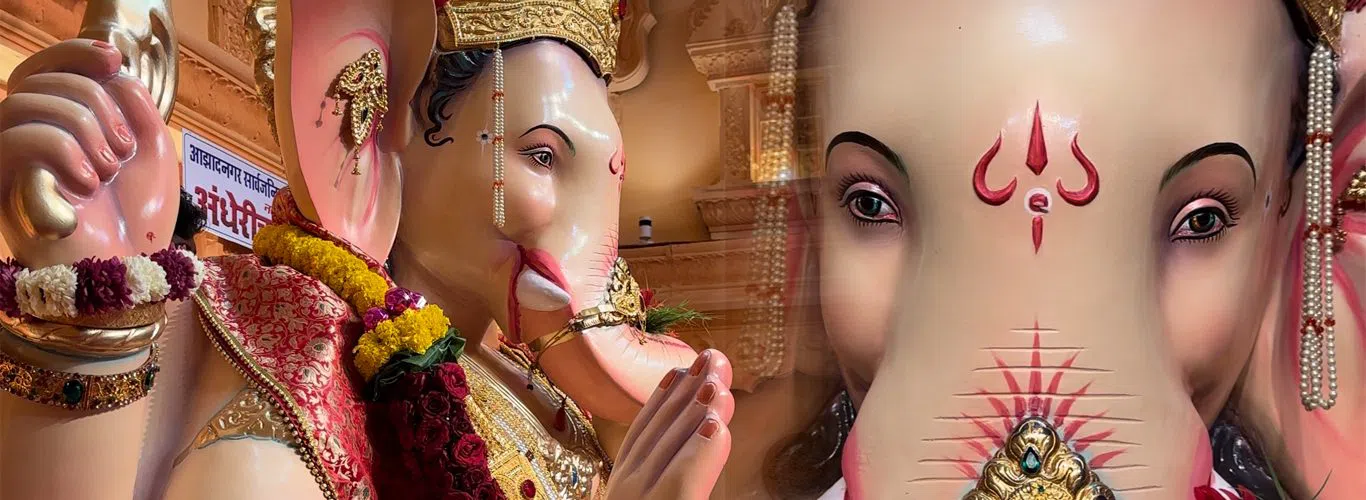
Andhericha Raja (Azad Nagar, Andheri) werd opgericht in 1966 door fabrieksarbeiders die uit Lalbaug waren verhuisd, en het is de bepalende mandal van de westelijke buitenwijken. Praktisch gezien is het de gemakkelijkste van de grote pandals om met een groep te doen: online darshan- en pooja-tijdslots met QR-e-bewijzen, een dresscode die overeenkomt met die van King's Circle, en een locatie met bewegingsruimte. De eigenaardigheid is de moeite waard om rekening mee te houden. Het wordt niet ondergedompeld op Anant Chaturdashi met iedereen anders, maar op Sankashti Chaturthi, vijf dagen later, wat een grootschalige visarjan-processie betekent van Azad Nagar naar Andheri Market naar Seven Bungalows en naar Versova beach, nadat de rest van de stad is opgebroken en terug aan het werk is gegaan. Het begint rond 17.00 uur en duurt tot na zonsopgang. Als je data voorbij de 25e lopen, is dit de onderdompeling om te zien.
Onderdompelingsnacht bij Chowpatty, en het rustige alternatief
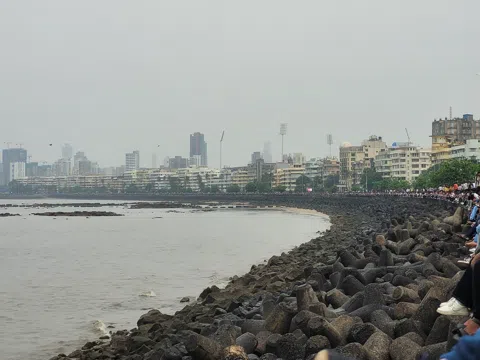
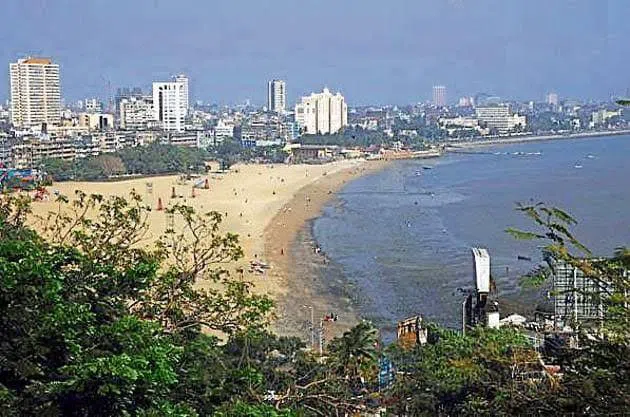
Anant Chaturdashi valt op vrijdag 25 september 2026, en Girgaon Chowpatty is het belangrijkste podium. De grootste mandals, waaronder Lalbaugcha Raja en Chinchpoklicha Chintamani, vertrekken rond het middaguur uit hun straten en bereiken het water pas in de vroege uurtjes; de laatste idolen gaan na zonsopgang het water in. Ongeveer twee miljoen mensen passeren gedurende de nacht. Toegang is gratis, maar de politie hanteert eenrichtingsroutes voor voetgangers en kijkvakken, en ze gebruiken hier nu AI-crowdmonitoring en RFID-tracking van de mandal-vlotten, wat je een idee geeft van de schaal waar je mee te maken hebt. Neem vóór 22.00 uur een positie in of doe het niet. Een groep zal gescheiden worden, dus accepteer dat vooraf en spreek een ontmoetingspunt af ruim buiten de afzetting, niet op het zand.
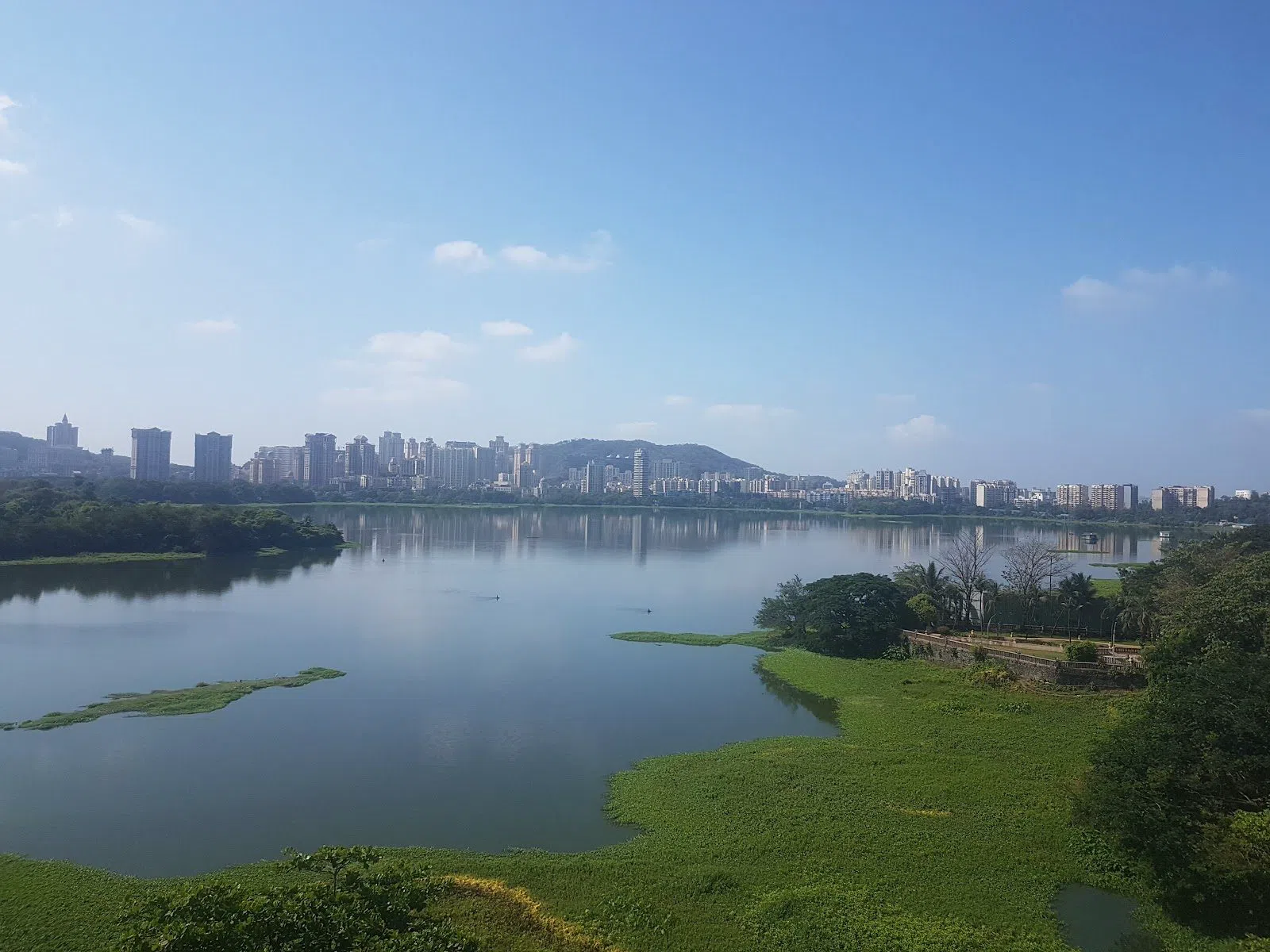
Als dat meer een beproeving klinkt dan een ervaring, ga dan in plaats daarvan naar Powai Lake. Bijna geen grote mandals komen hier, en dat is juist het punt: je kunt families een twee voet hoog huishoudelijk idool naar het water zien dragen en er op een rustig tempo goed afscheid van zien nemen, met ruimte om te staan. Het is de juiste keuze voor iedereen met kleine kinderen of een lage tolerantie voor drukte. Let tijdens het kijken op de stadsbrede regel: gipsen idolen tot zes voet moeten worden ondergedompeld in de kunstmatige vijvers van de BMC, waarvan er in de laatste cyclus ongeveer 290 waren, in plaats van in natuurlijk water. Veel van wat er in het meer gaat, is dus klei.
Praktische notities
Gebruik de voorstadstreinen en de metro, niet de taxi's. Vanaf de 14e, en catastrofaal op de 25e, staat het wegverkeer in de driehoek van Lalbaug, Chinchpokli en Parel stil; de stations Currey Road, Chinchpokli en Lower Parel brengen je binnen tien minuten lopen van alles op het centrale circuit, en Grant Road bedient Khetwadi. Charni Road is het station voor Girgaon en Chowpatty. Op de onderdompelingsnacht zijn veel wegen volledig afgesloten en zullen ride-hailing-diensten de rit weigeren of absurd prijzen.
Neem contant geld mee in kleine biljetten. Pandal-darshan is overal op deze lijst gratis, maar modaks, prasad-kraampjes, chai en de kleine mandal-donaties die je waarschijnlijk wilt doen, zijn allemaal contant, en UPI-wachtrijen bij drukke balies zijn traag. Budget het festival zelf op bijna niets: de enige vaste kosten zijn de Khaki Tours-wandeling op ongeveer ₹ 1.000 tot ₹ 1.800 per persoon en wat je ook uitgeeft bij Panshikar.
Kleed je volgens de dresscodes en het weer. King's Circle en Andheri weigeren allebei shorts en korte T-shirts bij iedereen boven de twaalf, dus neem één set lange, bedekkende kleding mee en gebruik die voor pandal-dagen. September is het staartje van de moesson: verwacht hevige regen, draag sandalen waar je nat in kunt lopen, en neem een kleine handdoek mee in plaats van een paraplu, die onbruikbaar is in een volle straat. Houd je telefoon opgeladen en vertrouw er niet op in de wachtrijen, waar het signaal verdwijnt.
Over timing: plan King's Circle vroeg, vóór de 18e, doe Lalbaug om 5.00 uur op een doordeweekse dag, houd Khetwadi en Fort als flexibele invullers, en beslis vóór de 24e of je Chowpatty's twee miljoen of Powai's paar honderd wilt. Voor waar je kunt eten en wat de stad nog meer doet rond het festival, de Mumbai-gids behandelt de rest van de elf dagen.
Voor vertrek
Wat zijn de data van Ganeshotsav 2026 in Mumbai?
Het festival loopt van 14 tot 25 september 2026, en Anant Chaturdashi, de belangrijkste onderdompelingsdag, valt op vrijdag 25 september. De officiële looptijd van Lalbaugcha Raja beslaat de volledige elf dagen. Twee uitzonderingen zijn belangrijk voor de planning: GSB Seva Mandal bij King's Circle staat slechts vijf dagen, van 14 tot 18 september, en Andhericha Raja wordt ondergedompeld op Sankashti Chaturthi, vijf dagen na alle anderen.
Hoe lang is de wachtrij bij Lalbaugcha Raja en kan ik overslaan?
Er is geen manier om de wachtrij over te slaan. Mukh Darshan, waarbij je het idool van een afstand bekijkt, duurt ruwweg vier tot acht uur, en meer dan twaalf uur in het weekend. De Navsachi-wachtrij, die je naar de voeten van het idool brengt, kan 25 tot 40 uur duren. Timing is het enige waar je controle over hebt: sluit je aan bij Mukh Darshan tussen 5.00 en 8.00 uur op een doordeweekse dag, of na 23.00 uur, en vermijd zaterdag en zondag volledig.
Welke pandals kan ik online boeken?
GSB Seva Mandal bij King's Circle en Andhericha Raja bieden beide online reservering met QR-e-bewijzen en handhaven beide een dresscode: geen shorts, laagzittende jeans of korte T-shirts voor iedereen boven de twaalf. Siddhivinayak biedt ook online puja-reserveringen. Al het andere op deze lijst is gratis, zonder ticket, en je kunt gewoon binnenlopen, inclusief alle Lalbaug-mandals.
Waar kan ik de visarjan bekijken als ik niet in een menigte van twee miljoen wil staan?
Powai Lake. Er zijn maar weinig mandals die daar onderdompelen, dus huishoudelijke idolen komen in een rustig tempo naar beneden en er is ruimte om te staan, wat je wilt met kleine kinderen. Girgaon Chowpatty is het spektakel, maar dat betekent aankomen voor 22.00 uur, eenrichtingsverkeer van de politie, en gescheiden worden van iedereen met wie je kwam.
Welk deel van Mumbai is het beste om te verblijven tijdens Ganeshotsav?
Ofwel de gordel van Colaba naar Fort, ofwel de corridor van Dadar naar Lalbaug. Fort plaatst je op loopafstand van Fortcha Icchapurti en Girgaon Chowpatty, maar op een lange, langzame wegroute van de grote centrale mandals; dichter bij Lalbaug wonen draait dat om. Welke je ook kiest, plan om te reizen met de voorstadstrein en metro in plaats van de taxi, want de wegen rond Lalbaug staan stil vanaf de 14e.