The Mumbai issue
Fifteen Weekend Escapes Within Two Hours of Mumbai
Ferries, forts, a car-free hill station and a river that runs to a dam schedule: the trips out of Mumbai that work in a weekend, and the timings that decide whether they do.
By Aditi RaneThe city read by its facades
The Gateway ferries start selling tickets before the light is properly up, and by half past eight on a Saturday the queue on the apron has folded back on itself twice. Two hours in almost any direction out of Mumbai buys something the city cannot hold: a rock-cut temple hall on an island, a hill station that bans cars outright, a river whose rapids run to a dam release schedule instead of the weather. What follows is fifteen of them, grouped the way you would actually plan them, with the departure times and closing times that decide whether the day works.
Across the harbour before the queue builds
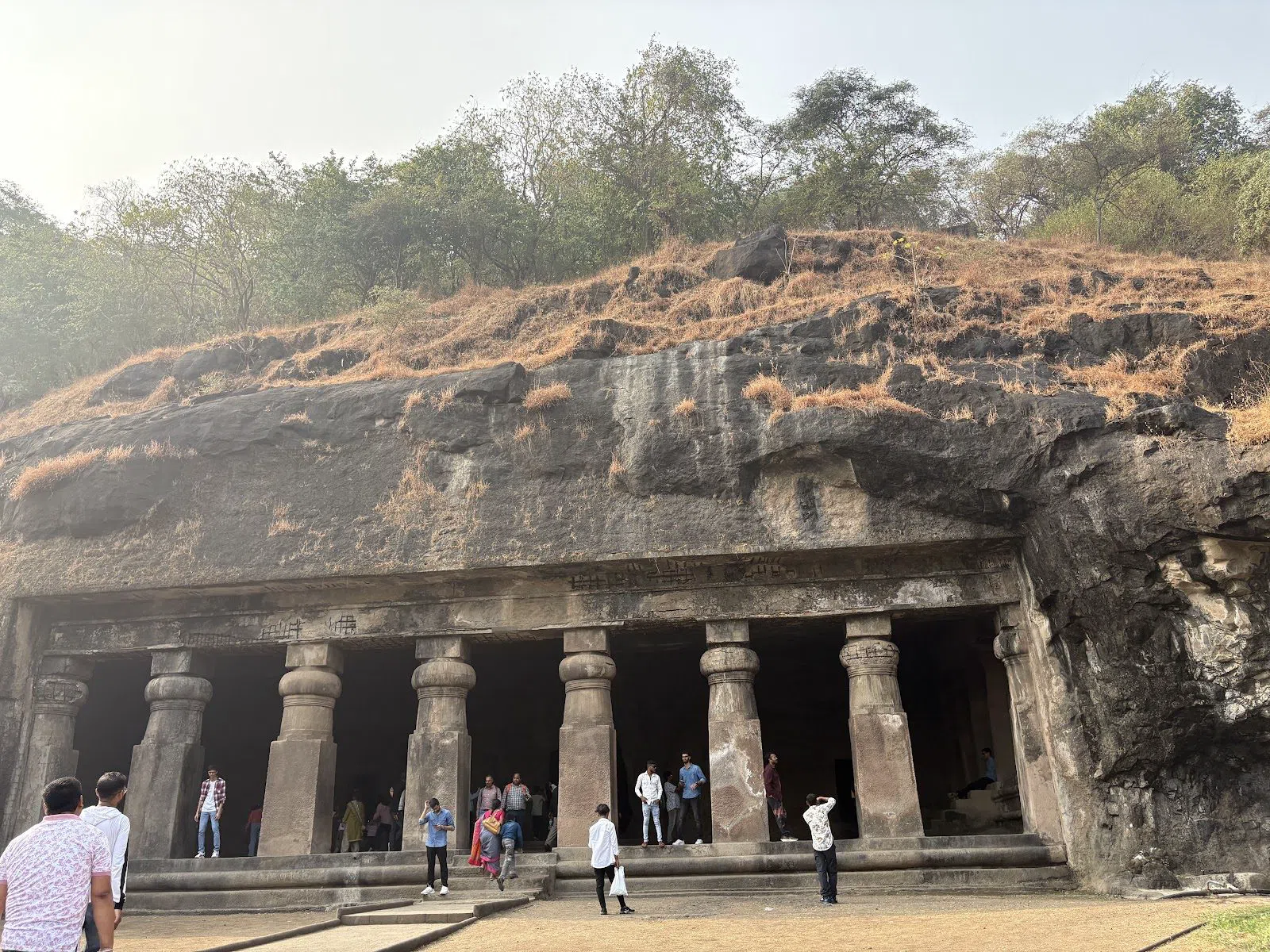
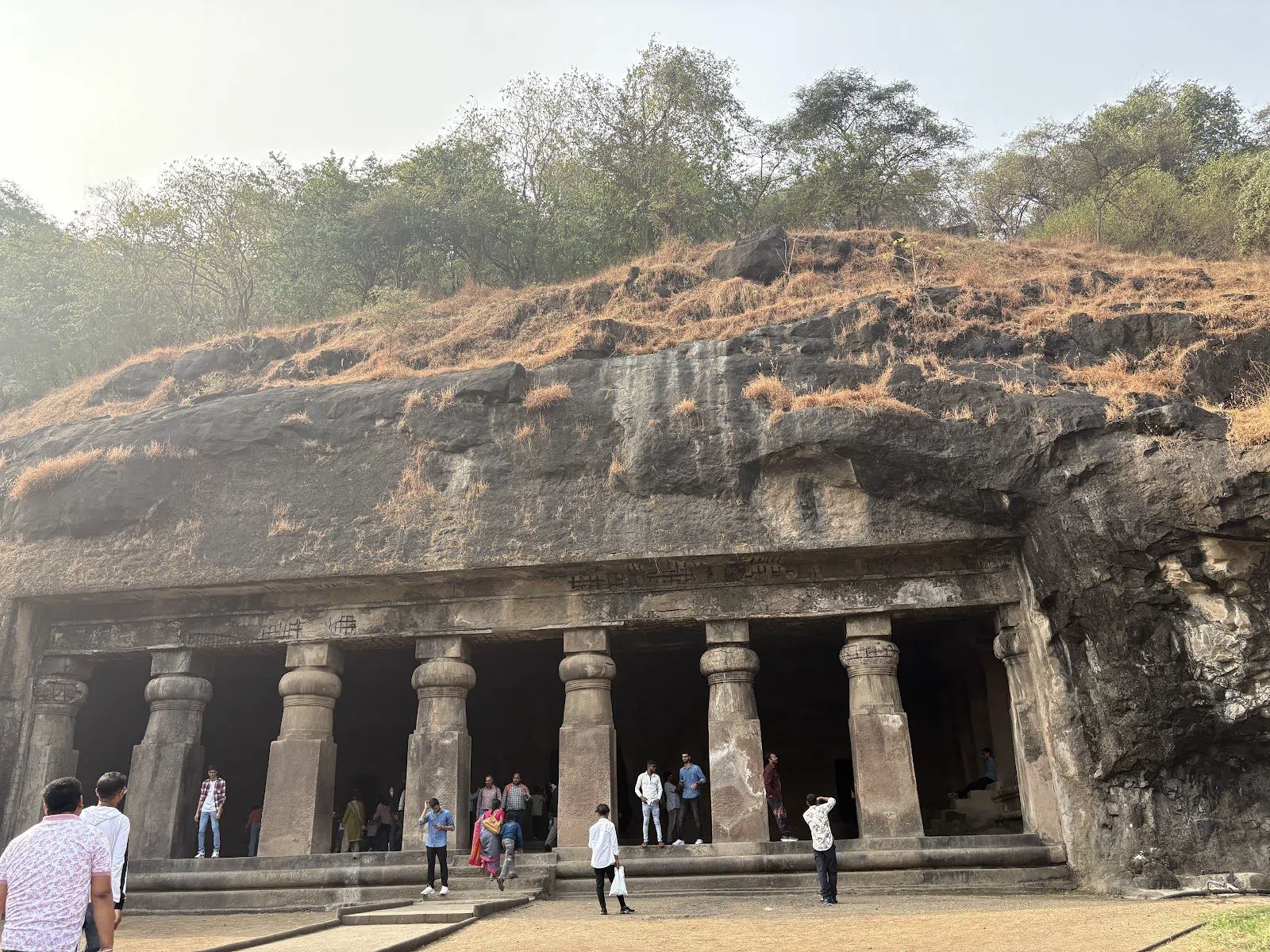
The Elephanta Caves sit on Gharapuri Island, an hour by launch from the Gateway of India, and two times decide the whole trip. The last boat out is around 2pm and the caves shut at 5:30pm, which makes this a morning trip and nothing else. Leave South Mumbai at nine and you are on the island by ten, up the stepped path by half past, and back on a return launch by early afternoon with the light still good on the water. Leave at noon and you are gambling on a boat that may already be full.
Tickets are sold per head at the Gateway, roughly ₹260 return, and cave entry is ₹40 for Indian nationals and ₹600 for foreign nationals, with a ₹10 village fee collected on the island itself. The caves are closed on Mondays, which catches out more people than any other detail here. Groups are straightforward: the ferries seat eighty to ninety and nobody is turned away for numbers, though a party of fifteen or twenty should be at the ticket window for the 9am boats instead of joining the ten o'clock scrum. Since the harbour collision in 2024, life jackets are mandatory on every Gateway ferry. Walk away from any operator who does not hand you one.
Plan your Mumbai trip
Live prices from our booking partners.
Free cancellation on many rooms. We may earn a commission when you book.
Down the Atal Setu to the Alibaug coast
The bridge has changed the shape of the weekend south. Alibaug is roughly two hours from the city by road now, or an hour by ferry across to Mandwa if you would rather not drive, and four separate stops sit within half an hour of each other once you are there.
Kolaba Fort (offshore from Alibaug town) is the stop that turns entirely on the tide. It is a tidal sea fort: at low water a sand road opens across the beach and you walk out to it; at high water that road is gone. Check the day's Alibaug tide table before you set out, because people do get stuck, and get yourself back to the mainland before dusk. Entry is ₹5-25. If you would rather not walk the sand, a horse cart runs about ₹200 per head return, and a boat at high tide costs much the same. There are no bookings and no limits, so a group of thirty can walk in, but everyone needs to be inside the same tide window. Appoint one person to watch the clock.
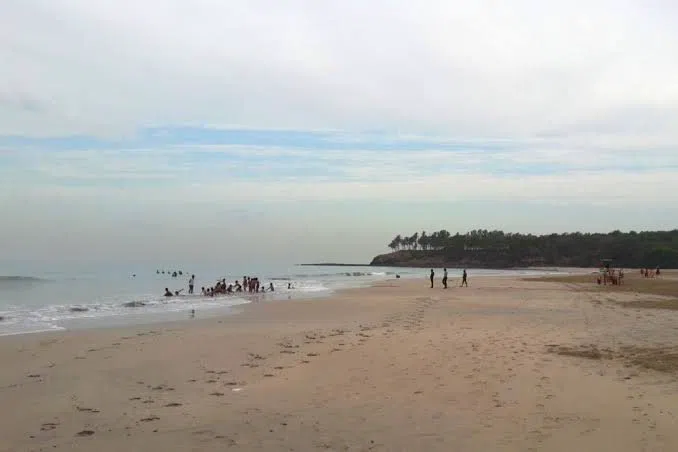
Kashid Beach (about 30km south of Alibaug town) has the best sand on this stretch of coast and none of the door policy of anywhere else in this article. It is open beach, and the watersports outfits along the sand take walk-up groups on the spot, at ₹500-1,500 for parasailing or a jet ski and around ₹250 for a dolphin boat. Do not swim here: the drop-off is abrupt and the current is treacherous. Weekends are heaving, while a Friday or a Monday is a different beach entirely, quiet enough to hear the treeline.
Korlai Fort and Lighthouse (22km from Alibaug) is best saved for the end of the day, because the lighthouse typically opens only between 4pm and 6pm and admits small batches at a time, while the fort gates close around 5:30pm. The fort is a free-entry ruin that takes any number of people; the lighthouse is about ₹10. The oddity at Korlai is in the village below rather than the fort above. Five centuries after the Portuguese built here, the village still speaks Kristi, a Portuguese-derived creole found nowhere else in India.
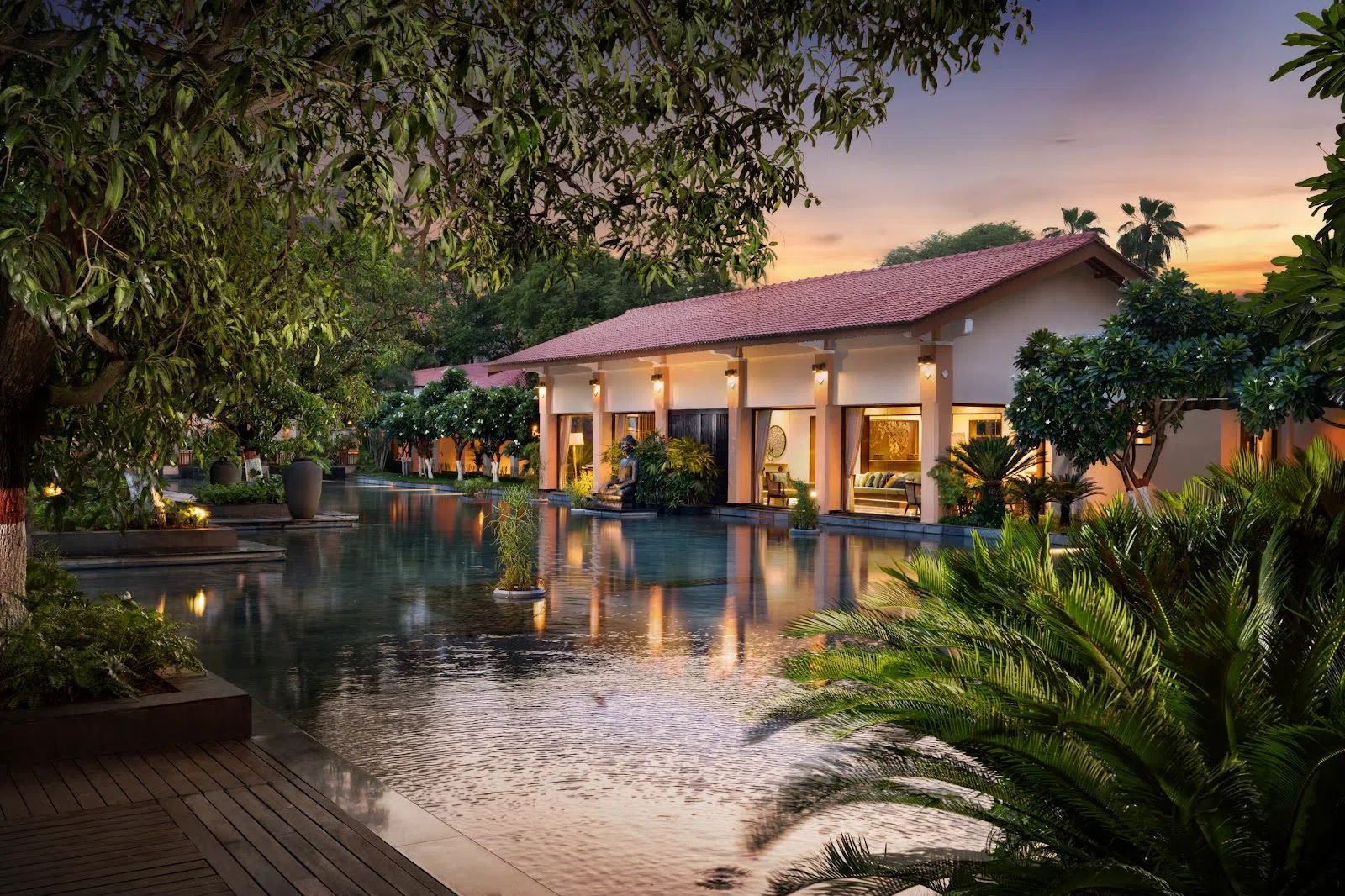
If you want a proper bed rather than a day trip, Taj Alibaug Resort & Spa (Varsoli, walking distance from the beach) is the most reliable full-service base on this coast, at ₹12,000-30,000+ a night. Weddings, corporate offsites and multi-room family bookings are its core trade, so a large party will not feel like an imposition. It was rebranded from Radisson Blu Resort & Spa Alibaug when IHCL took it over, so search under the Taj name or you will land on stale listings and out-of-date rates.
The hill station where nothing drives
Matheran (up the ghat above Neral, reached from Dasturi Naka) is Asia's only vehicle-free hill station, and that single rule is the reason to go. You leave the car at Dasturi Naka, pay ₹50 to enter, and walk in or ride. Hand-pulled rickshaws are gone by Supreme Court order, which leaves e-rickshaws, horses and your own feet on the red laterite paths.
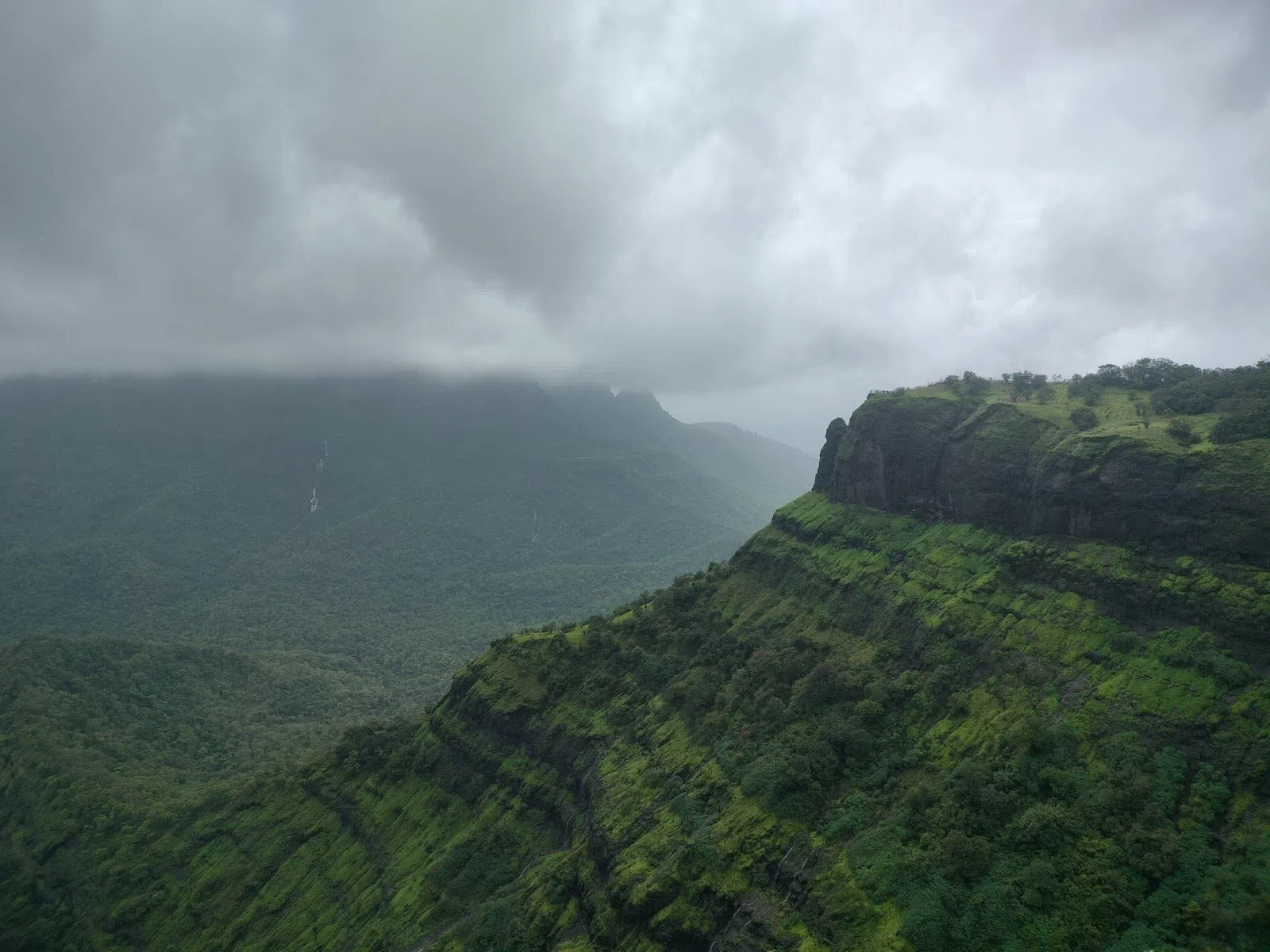
Getting there is cheap and pleasant: a train from CSMT is about ₹100. The full Neral-Matheran narrow-gauge toy train is suspended every year from 15 June to 15 October for the monsoon, so do not build a June trip around it. The 18-minute Aman Lodge-Matheran shuttle keeps running through the season and is the fallback worth knowing. Hotels run ₹3,000-12,000 a night and are geared to big Mumbai parties arriving together. This is the most group-friendly overnight on the list, the one where a group of twelve is a normal Saturday for the front desk rather than an event.
A first trek, on the way out of town
Karnala Bird Sanctuary and Fort (10km past Panvel on the old highway south) is where to take someone who has never climbed anything. It is a two-hour ascent, wide and graded, with around 200 bird species in the reserve and a fort at the top. Tickets are about ₹60 per adult with ₹195 for car parking, sold per head at the gate, and the trail is broad enough for a party of twenty without anyone stepping off it.
The timings are strict and enforced: the entry gate typically closes to new trekkers at 1pm, and everyone is expected to be down by 4pm. Start early. Arriving late is why so many groups find the gate shut. November to February is the season, when the migrants are in.
Up the Expressway to Karla and Lohagad
Barely two hours out on the Expressway, two very different monuments sit a short drive apart, and doing both in one day is entirely reasonable.
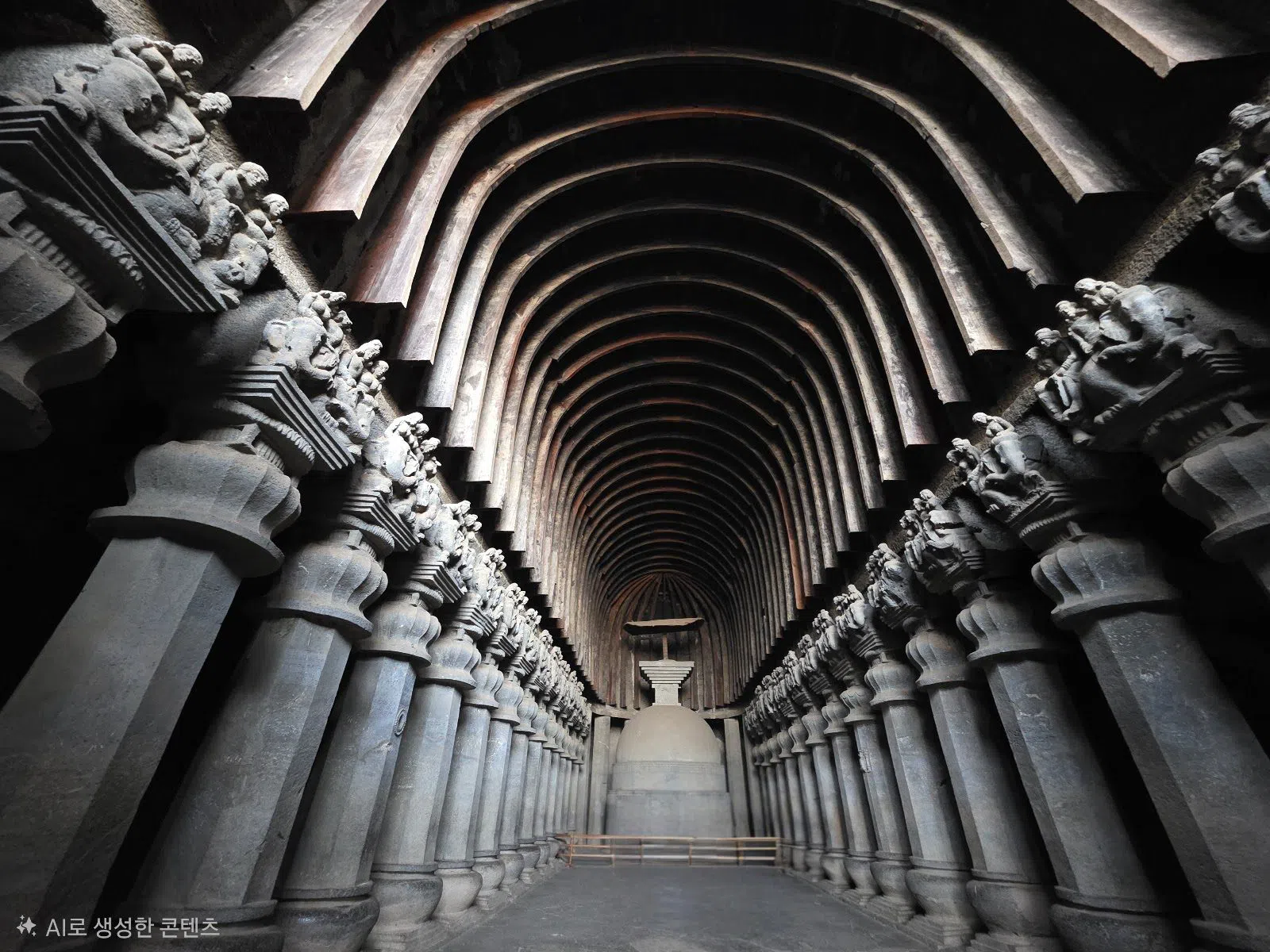
Karla Caves (the Karle Chaitya, above the Expressway corridor) holds the most impressive Buddhist rock-cut hall in the country, a colonnaded prayer hall carved into the hillside, open daily from 9am to 5pm, ₹25 for Indian nationals and ₹300 for foreign nationals. It is an open ASI site and groups are fine, with one caveat: the Ekvira Devi temple shares the terrace at the top, and the stairway serving both gets extremely tight on Hindu festival days. Avoid Navratri and the Chaitra festival weekends unless the crowd is the point.
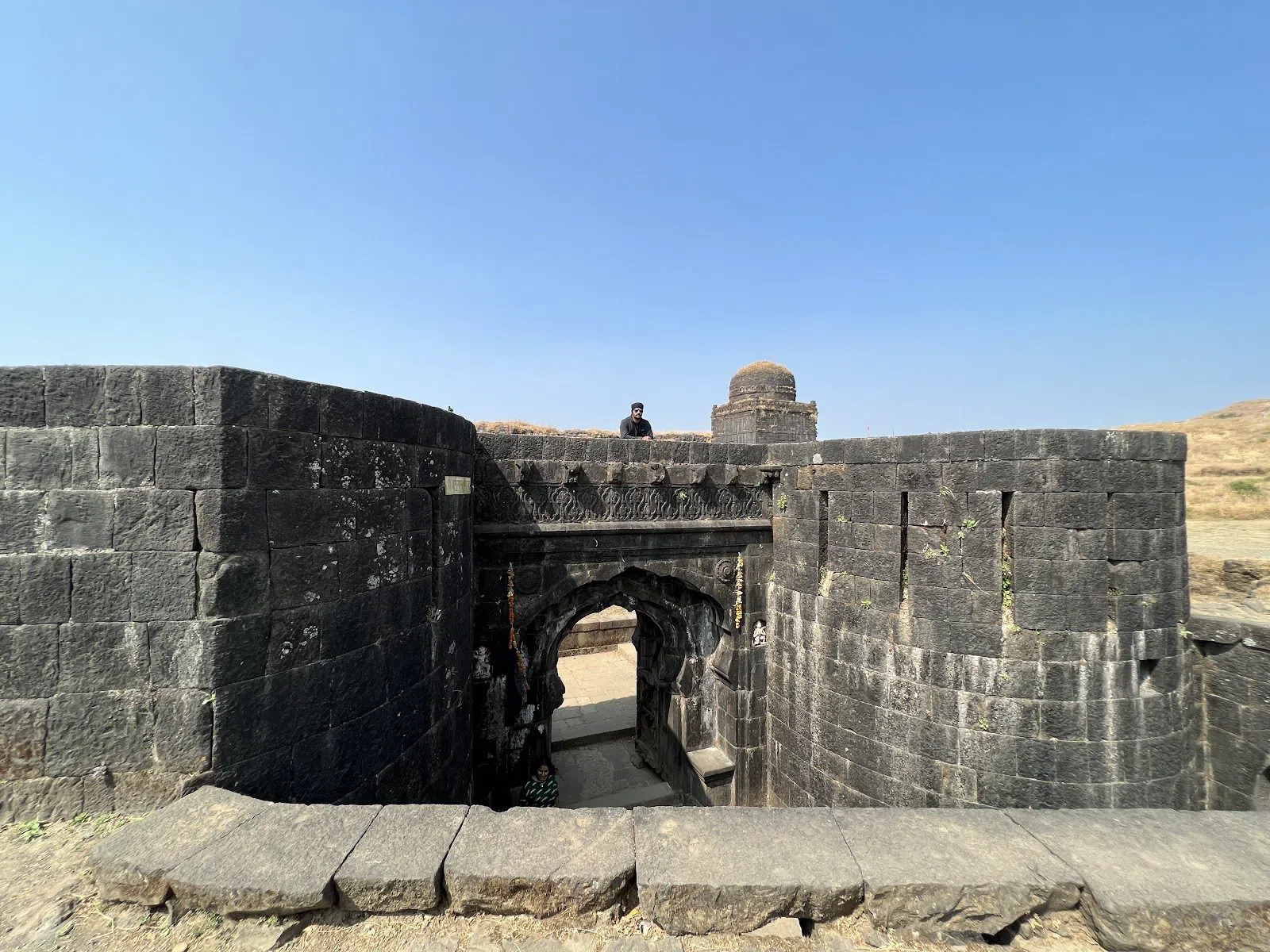
Lohagad Fort (above Lohagadwadi village) was inscribed on the UNESCO World Heritage list in July 2025 as part of the Maratha Military Landscapes of India, and it remains free to climb with no ticketing and no gate, any group size, any day. Parking in the base village is ₹50-100 and there are tea stalls at the bottom. The climb takes 45 to 60 minutes and is easy enough for anyone reasonably fit. In the monsoon the basalt steps turn slick and unforgiving, so wear shoes with a grip and leave the sandals in the car.
A night at Pawna Lake
Pawna Lake (a short hop from Lohagad) is the closest thing to a night under open sky within two hours of the city. The campsites sell per-head packages at ₹900-2,500 including tent, dinner and breakfast, and the whole trade is built around groups, where twenty to fifty people is a routine booking rather than a special request.
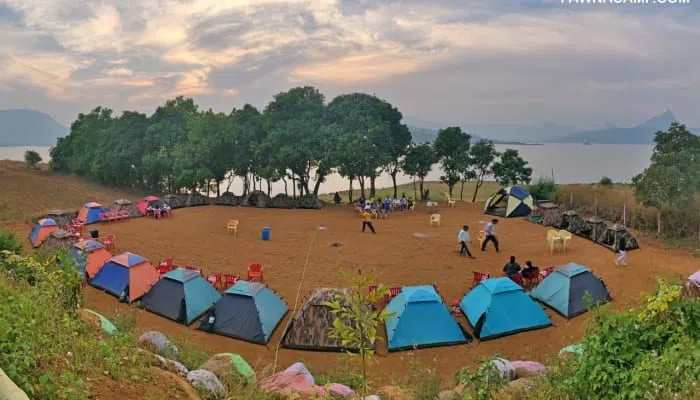
Two warnings. First, book a licensed operator in advance instead of turning up and picking a site off the shoreline: the lake edge is a patchwork of camps of wildly varying standard, and a bad one costs you the night. Second, do not swim. The water is deep and unlit, and the danger there is real.
Rafting at Kolad and flying at Kamshet
Kolad (on the Kundalika River, south-east of the city) is the rare Indian rafting run that does not depend on rainfall. The water is dam-released, so the rapids arrive on schedule every morning at roughly 8:15am and the season stretches far beyond the monsoon. The run is about 12.5km over two to two and a half hours, priced per head at ₹1,100-1,600, in rafts of six to eight, which suits a group, since a party of fourteen simply fills two boats. Weekend slots sell out one to four weeks ahead. Book one, or you will spend Saturday morning watching from the bank.
Nirvana Adventures (Kamshet, off the Expressway) has been flying the Kamshet ridges since 1997, which makes it India's longest-running paragliding school and the operator to use if you care who is strapped to you on a tandem. Flights run about ₹3,500-5,000; multi-day courses and stay packages cost considerably more. They handle corporate offsites and school groups as a standard product alongside individual tandems. The flying season runs roughly from late October to May. They do not fly through the monsoon and will not sell you a July or August booking, so be wary of any operator who will.
Two very different places to stay
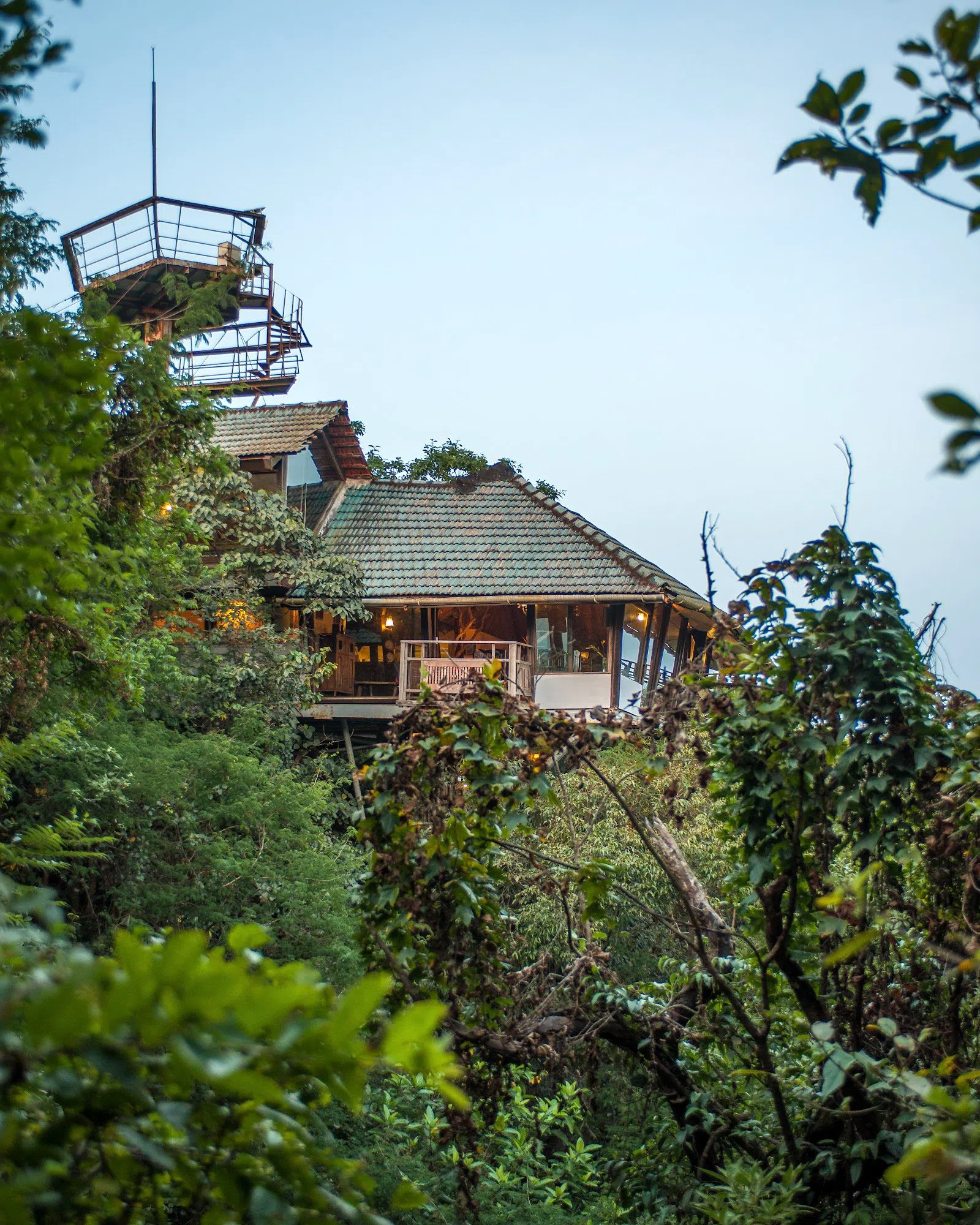
The Machan (in the hills 2.5 hours from Mumbai) is the best-known treehouse property in India and a serious off-grid build: solar and rainwater systems throughout, no televisions, limited signal. All of that is deliberate, and worth knowing before you arrive expecting to work from the balcony. Individual treehouses suit couples. It does take corporate groups, but it is not a party venue, and the quiet is the whole design.
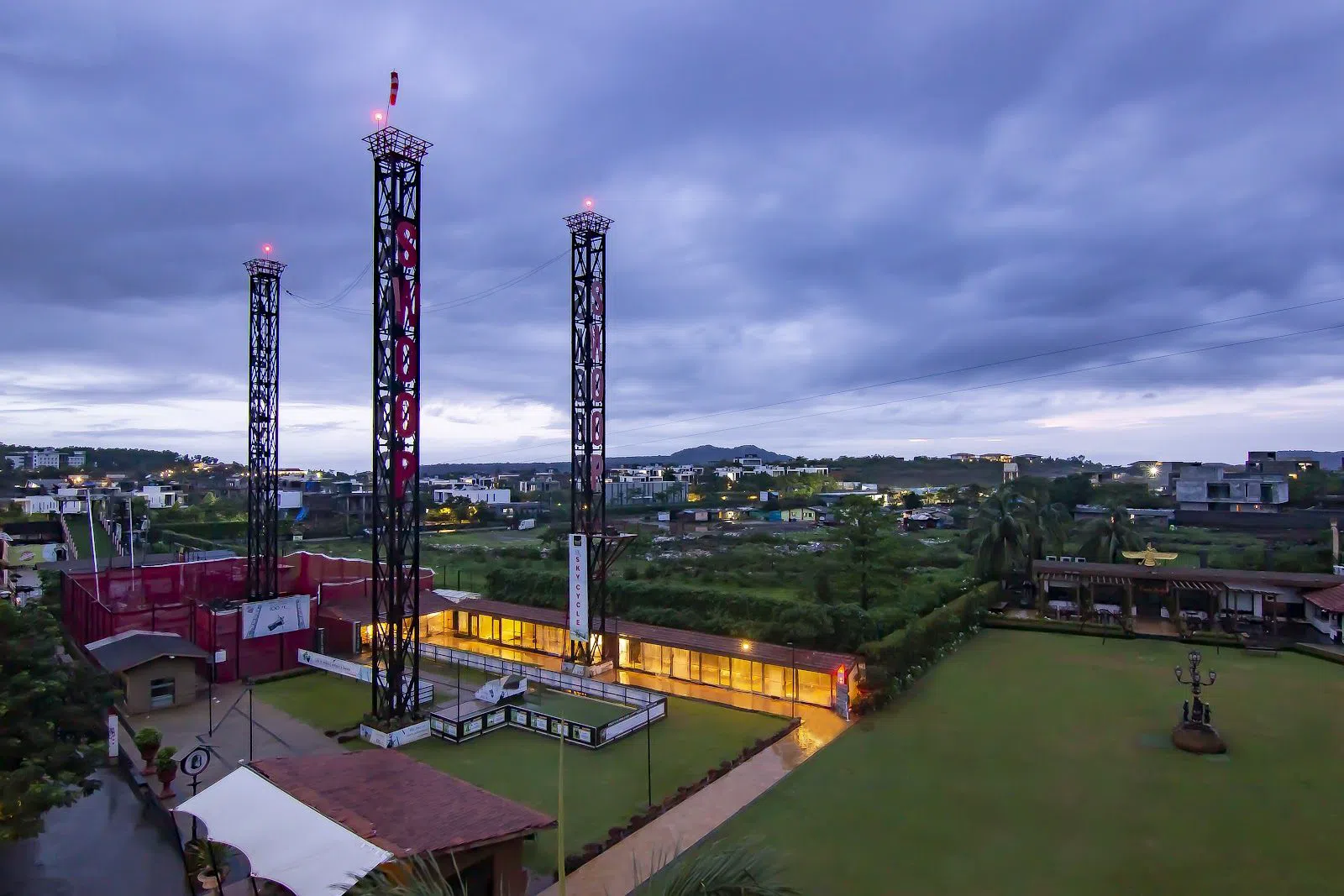
Della Adventure Park (near the Expressway ghats) is the opposite proposition and the answer when a large group wants one place that keeps everybody occupied. It is India's largest adventure park, from around ₹2,300 per person, with a corporate pass covering 50+ activities for parties of ten or more, plus school and college rates; the extreme activities and jumbo passes cost more. Hours are 11am to 9pm Friday to Sunday and 11am to 7pm midweek. Book the pass ahead for a weekend, because the individual extreme activities queue badly and a group that turns up at noon on a Saturday will spend a lot of the day standing in line.
If the plan is a late return rather than an overnight, keep a room in town as the fallback and start from the Mumbai hotel search.
North on the Western Line
Vasai Fort (Fort Bassein, 50km north and walkable from Vasai Road station) is the one escape here that needs no car at all. It is a Portuguese city of churches and convents left to the forest: unticketed, unstaffed, free, and open to any number of people who care to walk in through the gap in the wall. The ASI began restoration work on the St Baptist, St Dominic and St Augustine churches in mid-2026, along with visitor facilities, so expect scaffolding in places.
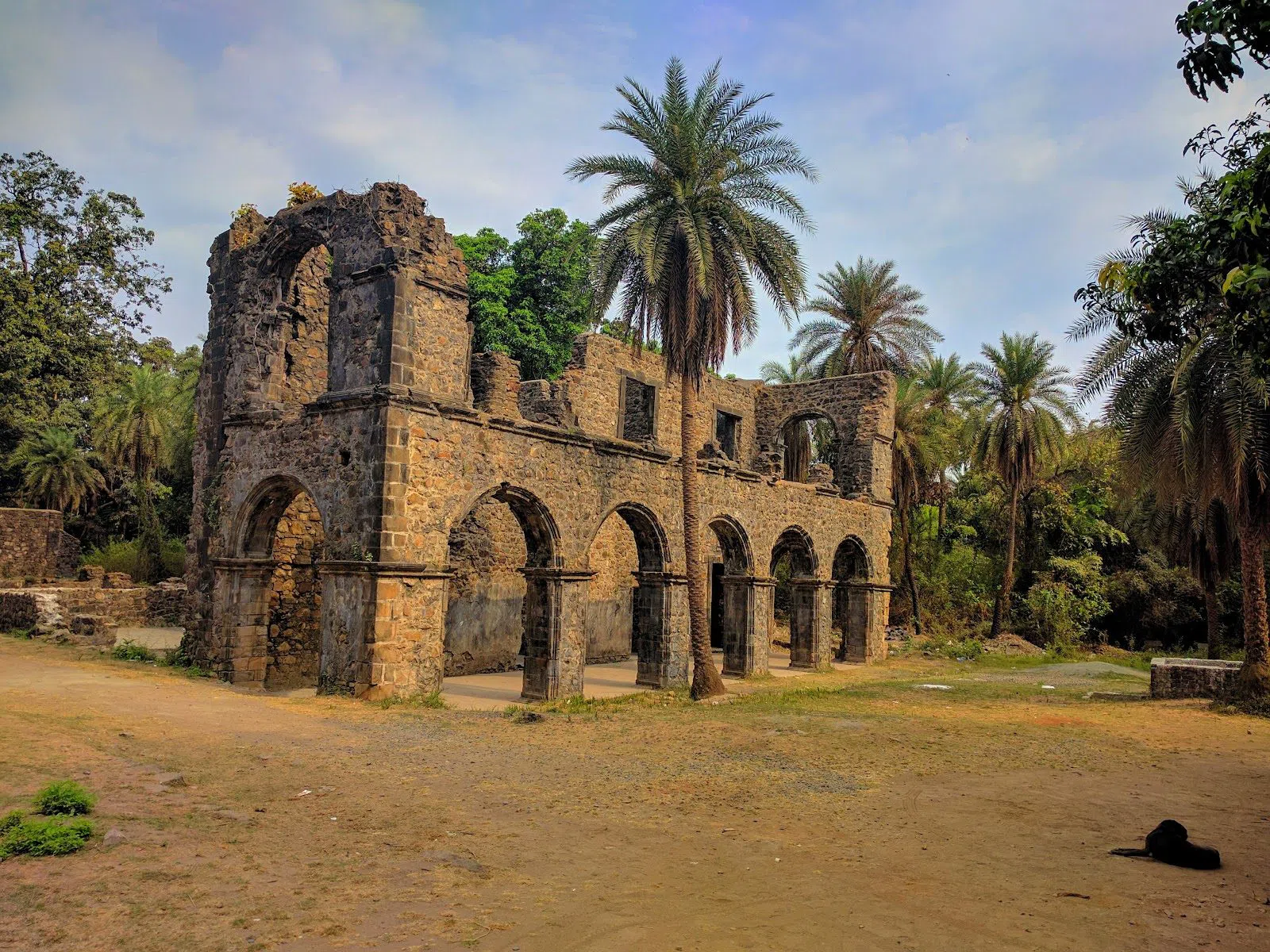
Allow three hours. There is very little shade and no cafe, so carry water in from the station side and go early rather than at midday.
Practical notes
Transport. Two routes cover most of this list. South means the Atal Setu to Alibaug (about two hours) or the Mandwa ferry (about an hour) for the coast, Kolaba, Kashid and Korlai. East means the Expressway for Karla, Lohagad, Pawna, Kamshet and Della. The train handles the rest: CSMT to Neral for Matheran at around ₹100, the Western Line to Vasai Road for the fort, and the Gateway launches for Elephanta.
Cash. Carry it. Ferry tickets, the ₹10 Elephanta village fee, the ₹50 Dasturi Naka entry, horse carts at Kolaba, base-village parking at Lohagad and the ₹10 lighthouse ticket at Korlai are all small cash transactions where a card reader is not guaranteed.
Timing. The recurring failure is arriving too late. Elephanta's last boat out is around 2pm; Karnala closes the gate to new trekkers about 1pm and clears the trail by 4pm; Karla shuts at 5pm; Korlai's gates close around 5:30pm and the lighthouse only opens 4-6pm; Kolad's dam release is at 8:15am and does not wait. Elephanta is shut on Mondays. The toy train is out from 15 June to 15 October, and Kamshet does not fly through the monsoon.
Budget. A day trip runs cheap: under ₹500 a head for Vasai, Lohagad or Kashid; ₹300-400 for Elephanta including the ferry; around ₹60 for Karnala. The paid activities sit in the middle at ₹1,100-1,600 for rafting and ₹3,500-5,000 for a tandem flight. Overnight is where the range opens up: ₹900-2,500 per person camping at Pawna, ₹3,000-12,000 for a Matheran hotel, ₹12,000-30,000+ at Taj Alibaug and ₹20,000-40,000+ at The Machan.
Booking ahead. Only three things here genuinely need it: Kolad rafting one to four weeks out, a licensed Pawna campsite, and a Della weekend pass. Everything else you can decide on the Friday night. For what to do with the hours before and after, the Mumbai guide covers the city end of the weekend.
Before you go
Which weekend escapes from Mumbai work without a car?
Three of them cleanly. Elephanta Caves is a ferry from the Gateway of India, around ₹260 return. Matheran is a train from CSMT for about ₹100, then ₹50 entry at Dasturi Naka and either the 18-minute shuttle or your own feet, since no cars are allowed in. Vasai Fort is a Western Line train to Vasai Road and a short walk, with no entry fee.
What is still open during the monsoon?
Kolad rafting, because the Kundalika is dam-released rather than rain-fed and the rapids arrive at roughly 8:15am regardless. Lohagad and Karla stay open, though Lohagad's basalt steps turn slick enough that you want proper shoes rather than sandals. Two things stop: the full Neral-Matheran toy train is suspended from 15 June to 15 October, and Nirvana Adventures does not fly at Kamshet through the monsoon, with the season running late October to May.
Where should a group of twenty or more go?
Della Adventure Park is the most straightforward: a corporate pass covers 50+ activities for parties of ten or more, from around ₹2,300 per person. Pawna Lake campsites routinely take 20-50 people at ₹900-2,500 per head including tent, dinner and breakfast. Matheran hotels are geared to large Mumbai parties, and Kolad simply splits a group across rafts of six to eight. The Machan is the one to avoid for a big group, since it is deliberately quiet and does not work as a party venue.
How much time does Elephanta actually need, and when should I leave?
Leave South Mumbai around nine. The crossing is about an hour, the caves take a couple of hours with the climb, and the last boat out is around 2pm with the caves closing at 5:30pm, so it only works as a morning trip. It is closed on Mondays. Large groups should take the 9am boats before the queue builds.
Is it safe to swim at Kashid Beach or Pawna Lake?
No, at either. Kashid has an abrupt drop-off and a treacherous current, so swimming is not advised there despite the sand being the best on that stretch of coast. Pawna Lake is deep and unlit, and swimming is genuinely dangerous. At Kolaba Fort the risk is different again: check the Alibaug tide table before crossing the sand road, because it disappears at high water and people do get stuck.