The Mumbai issue
The Best Mumbai Slum Tours With Local Guides
Nine Dharavi tours run by people who actually live there — ranked honestly by ethics, price, group size and which one suits a couple, a family or a curious solo traveller.
By Aditi RaneThe city read by its facades
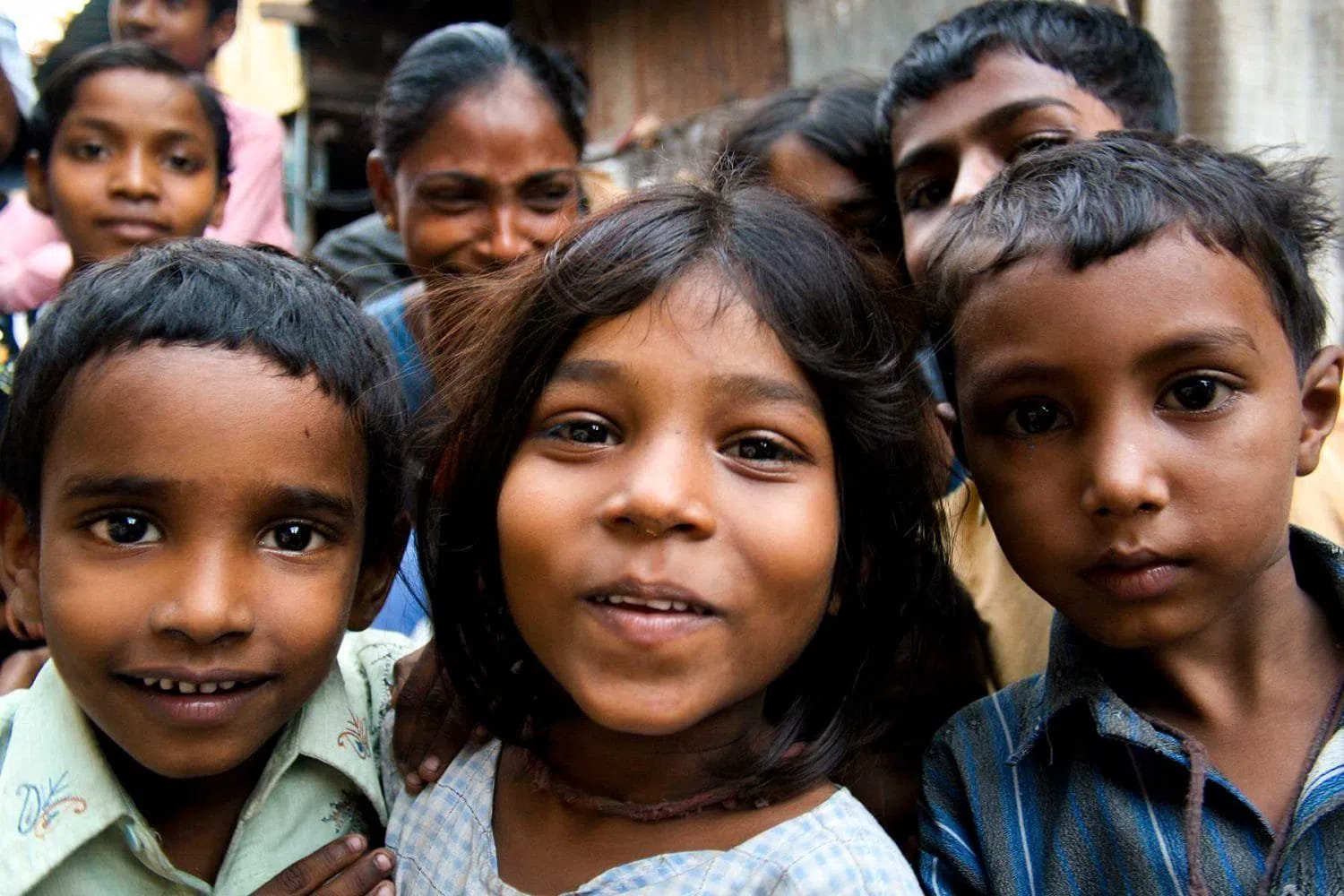
Dharavi sits on a wedge of reclaimed marshland between the Western and Central railway lines, roughly a square mile holding close to a million people and an informal economy that recycles much of the city's plastic, tans its leather and throws its pottery. A good tour here is not sightseeing in the ordinary sense; it is an introduction, conducted by someone who lives inside those numbers and can tell you why the thirteenth compound smells of solvent and the next one of wet clay. The wrong tour treats the place as a spectacle. The right one — and Mumbai has several — treats it as a working neighbourhood you are lucky to be walked through.
Below are nine operators worth your time, all working in Dharavi, grouped by what kind of traveller you are and what you want the two or three hours to feel like. Prices are 2026 rates and shift a little with the rupee; treat the pound figures as a guide. Almost every reputable outfit here caps camera use inside homes and workshops, and you should want them to.
The tour that set the standard
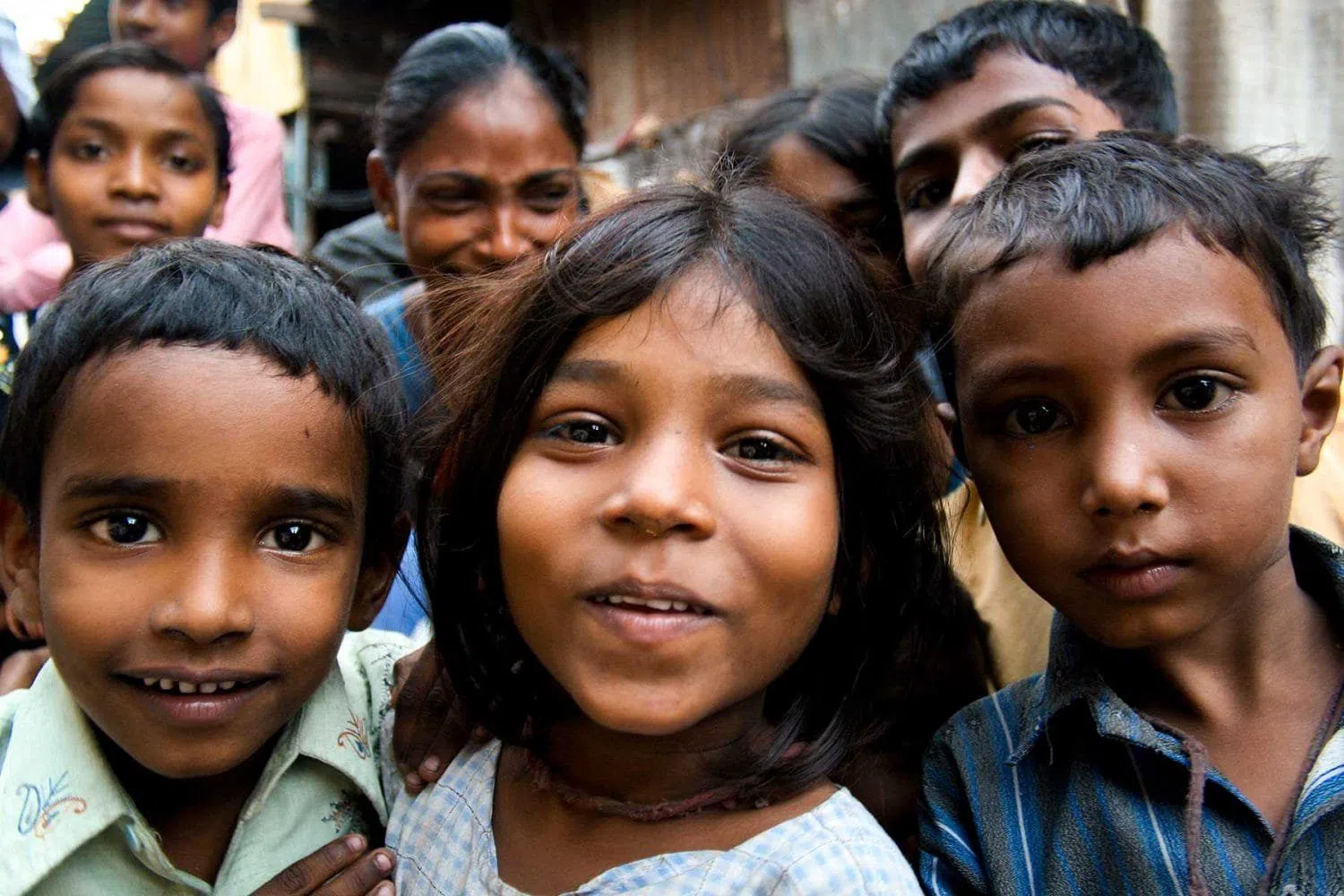
If you book only one, book Reality Tours & Travel (Dharavi), the operator that effectively invented the ethical Dharavi walk and remains the benchmark others measure themselves against. Groups are kept small — a maximum of six people — and shared departures run daily, so you can slot one into a morning without much notice. The shared tour costs roughly INR 1,450–1,700 per person (about £13–16); a private walk for up to six runs to around INR 6,400. What earns Reality its reputation is not the route alone but the arrangement behind it: around 80 percent of profits go to its sister NGO, Reality Gives, which runs education and youth programmes inside the community. There are no cameras allowed inside the workshops and homes, a rule that tells you exactly where the operator's priorities sit.
Book the morning slot. The light is kinder, the recycling sheds are already in full swing, and you avoid the mid-afternoon heat that turns the narrow lanes airless. If you have an extra hour, add the optional pottery workshop in Kumbharwada, the potters' quarter, where you can sit at a wheel rather than merely watch one turn. Reality suits almost everyone — couples, solo travellers, first-timers who want reassurance that they are doing this the decent way.
Plan your Mumbai trip
Live prices from our booking partners.
Free cancellation on many rooms. We may earn a commission when you book.
The grassroots and community-run options
For readers who care most about where the money lands, three operators push that principle further than most. PROUD Dharavi (Dharavi) is run by a genuine community organisation from within the neighbourhood, and reinvests around 75 percent of its income locally — the most grassroots pick on this list. Tours cost a flat INR 1,500 per person (about £14), run in small groups or privately, and depart on fixed afternoon and weekend slots, so this is one to plan around rather than book last-minute. If you want a larger group accommodated, contact the coordinator ahead rather than assuming they can absorb ten people on the day.
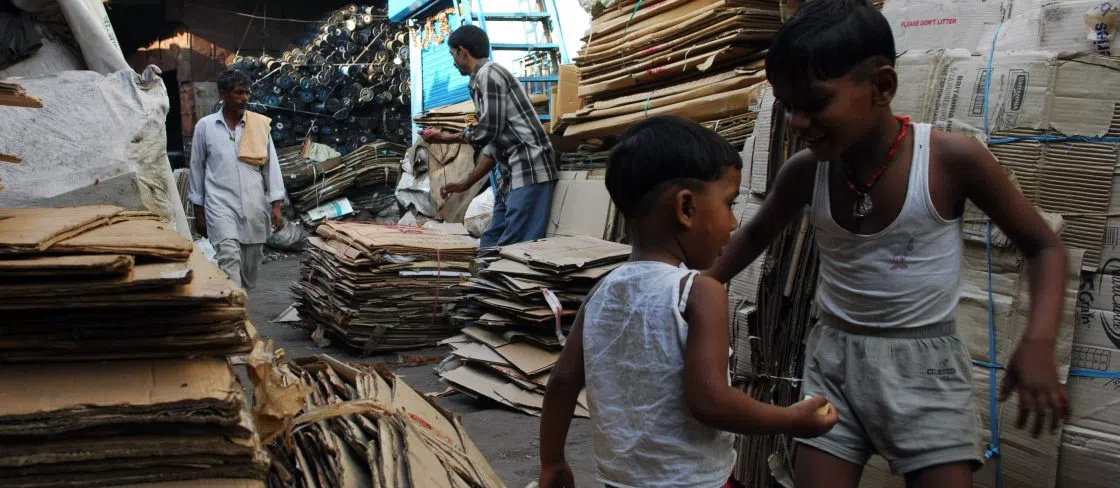
Cityscape Mumbai Tours (Dharavi) is the value choice among the ethical operators. Its Ethical Dharavi Slum Tour uses guides who are all Dharavi residents and returns roughly 60 percent of profits to local families, at around INR 920 per person (about £8) — genuinely cheap for what you get. Photography is restricted for privacy, which is the right call. Small-group and private options are both available. This is the one I would point a budget-conscious traveller towards without hesitation, because low price here does not mean a diluted route or an outsider guide reading from a script.
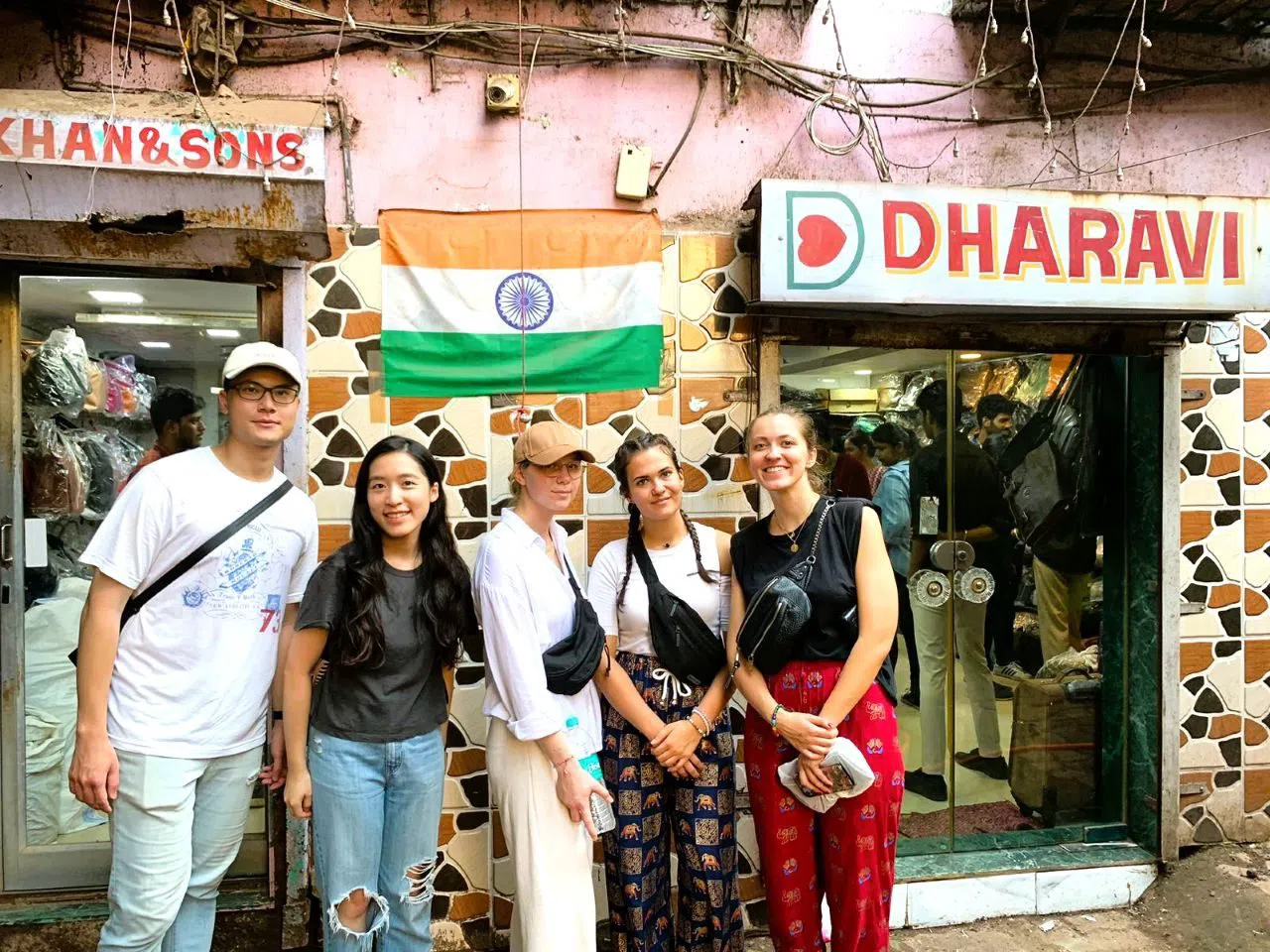
Mumbai Experiences (Dharavi) has been operating for more than fifteen years, with guides born and raised in the neighbourhood and consistently strong ratings across booking platforms. It runs both private and group tours at roughly $12–15 per person (about £10–12) and takes bookings over WhatsApp, which makes it easy to firm up timings and tailor the itinerary before you arrive. If you want a flexible, well-worn operation that has clearly done this thousands of times without losing the personal thread, this is a safe, unshowy pick.
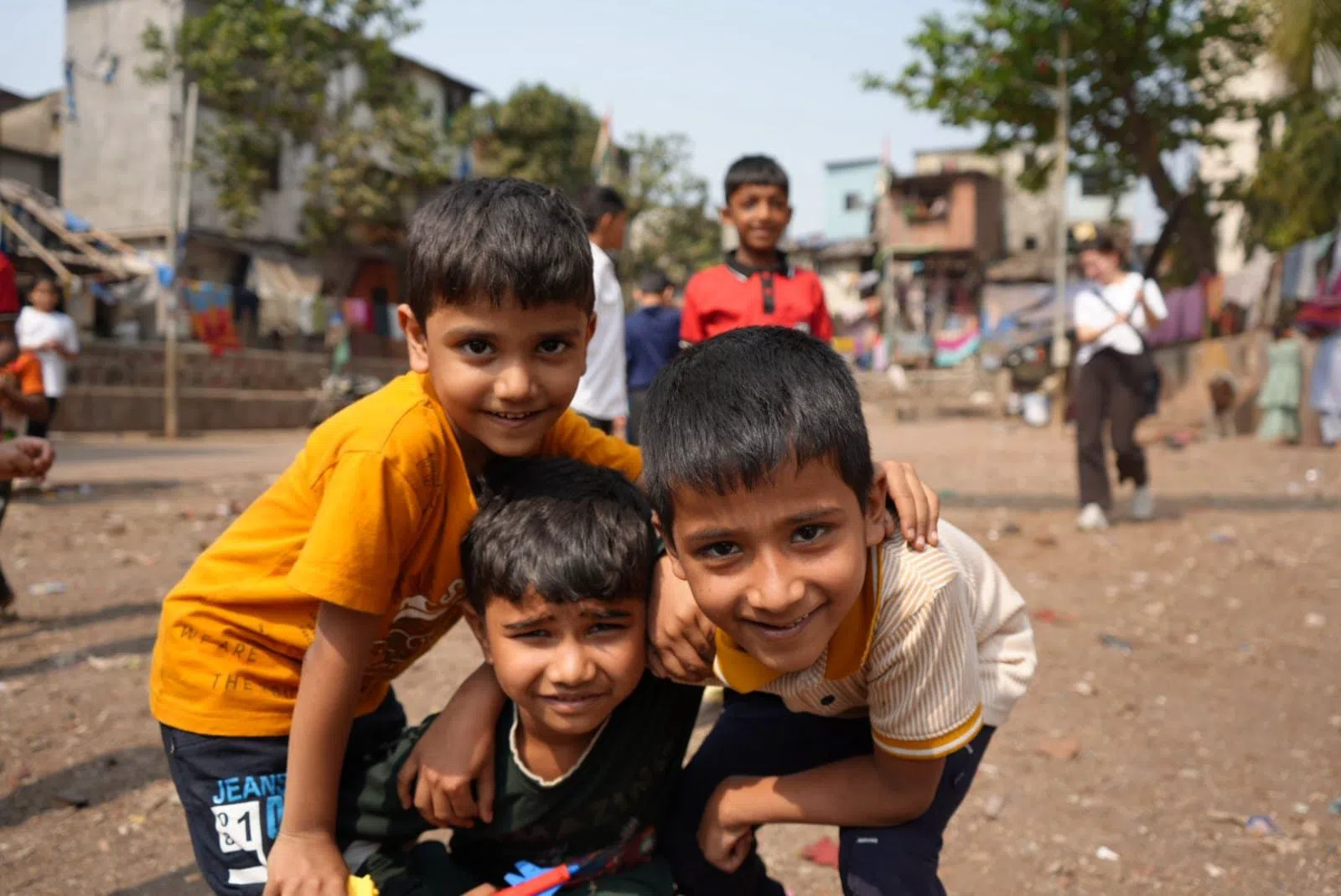
A women-led walk through Dharavi
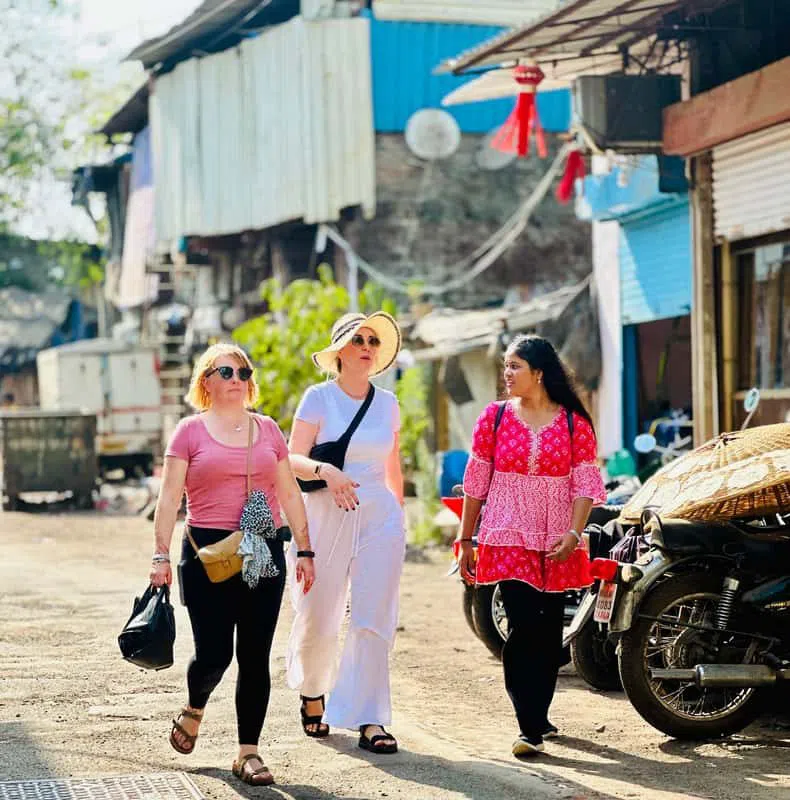
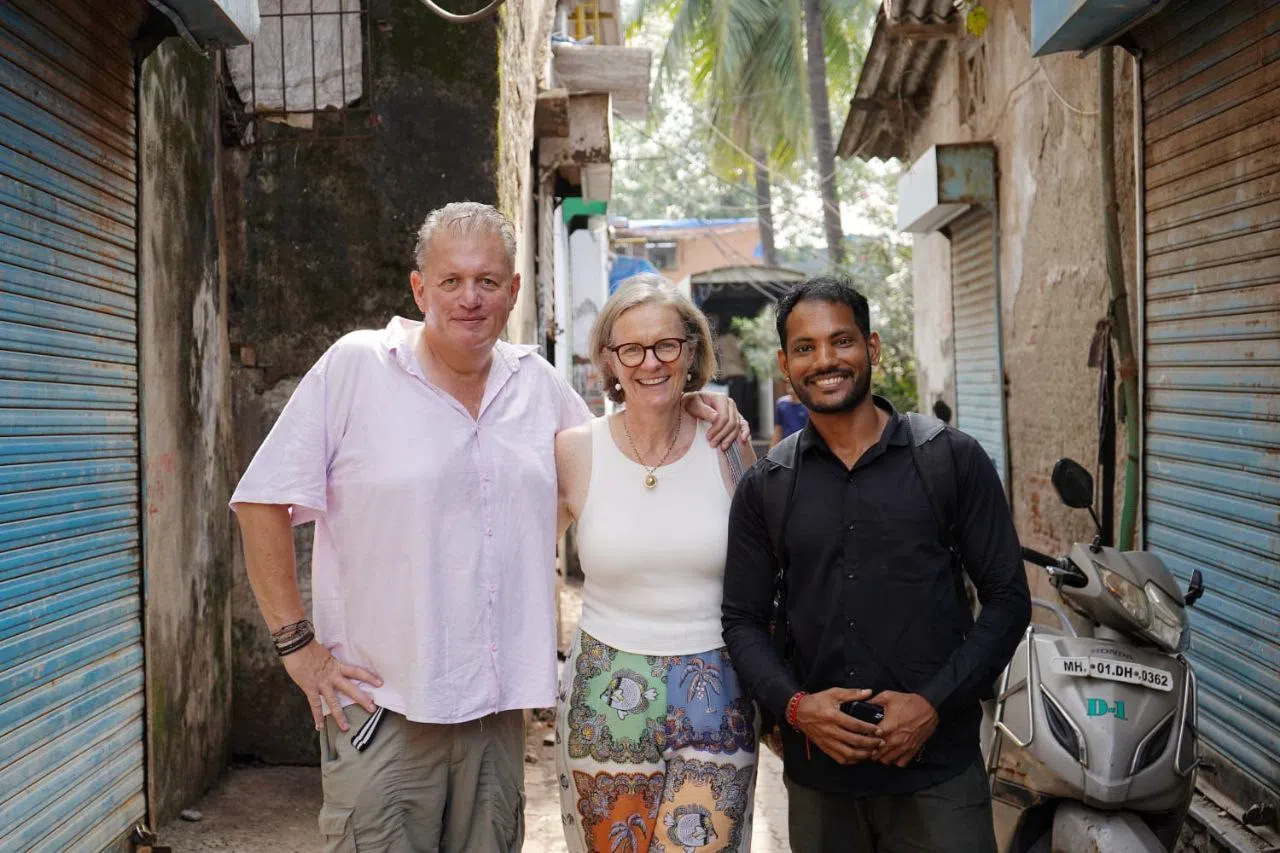
Most Dharavi guides are men, which quietly shapes what you see and whose lives get explained. Dharavi Slum Tour by Dharavi's First Female Guides (Dharavi) changes that. The walks are led by Pooja, Anushka and Varsha — Dharavi's first female guides — and offer a perspective on the community's domestic and working life that the standard tour simply cannot reach. Small groups and private walks are both available from around INR 1,080 per person (roughly £9–11), and there is an optional add-on to share a meal in a family home, which is where the tour's distinctive angle really lands.
This is a strong choice for solo women travellers, for families with daughters, and for anyone who has already done a conventional slum tour elsewhere and wants a different lens on the same square mile. It is also, frankly, the most quietly radical booking on this page: the money and the storytelling both run through women who grew up here.
Private, story-led tours for readers who want depth
Two operators are worth the premium if you would rather trade budget for depth and a smaller, more curated day. Mumbai Magic (Dharavi) runs its Spirit of Dharavi tour as a private, bespoke experience under Deepa Krishnan, whose outfit has been telling the city's stories for years. Rates sit in the higher band — expect around £30 or more per person — and the walk is polished and narrative-driven, ending in a meal with a local family rather than at a souvenir stall. This is the tour for readers who want context, history and a considered arc to the afternoon, and who would rather move as a couple or a small tailored group than in a fixed departure.
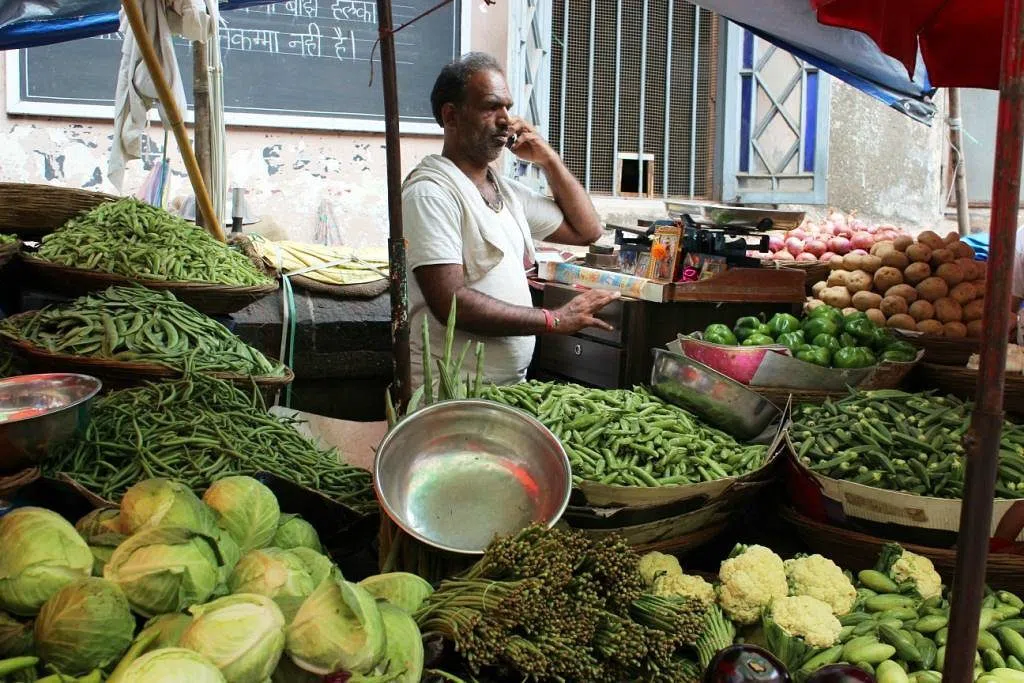
Be The Local Tours & Travel (Dharavi) offers something more logistical and, for a certain traveller, more memorable: it folds the authentic local-train ride into the tour itself, guided by slum residents and graduates, at around $15–20 per person (about £12–16). Groups and private walks are both available, and the operator handles the train-and-taxi choreography that trips up independent visitors. If you have the appetite to extend the day, its 'Off-Beat Mumbai' option carries on beyond Dharavi. The train leg is not a gimmick — riding the suburban network at close quarters is how most of Dharavi's workforce actually arrives, and doing it with a guide who knows which carriage and which stop turns a stressful experience into a genuinely illuminating one.
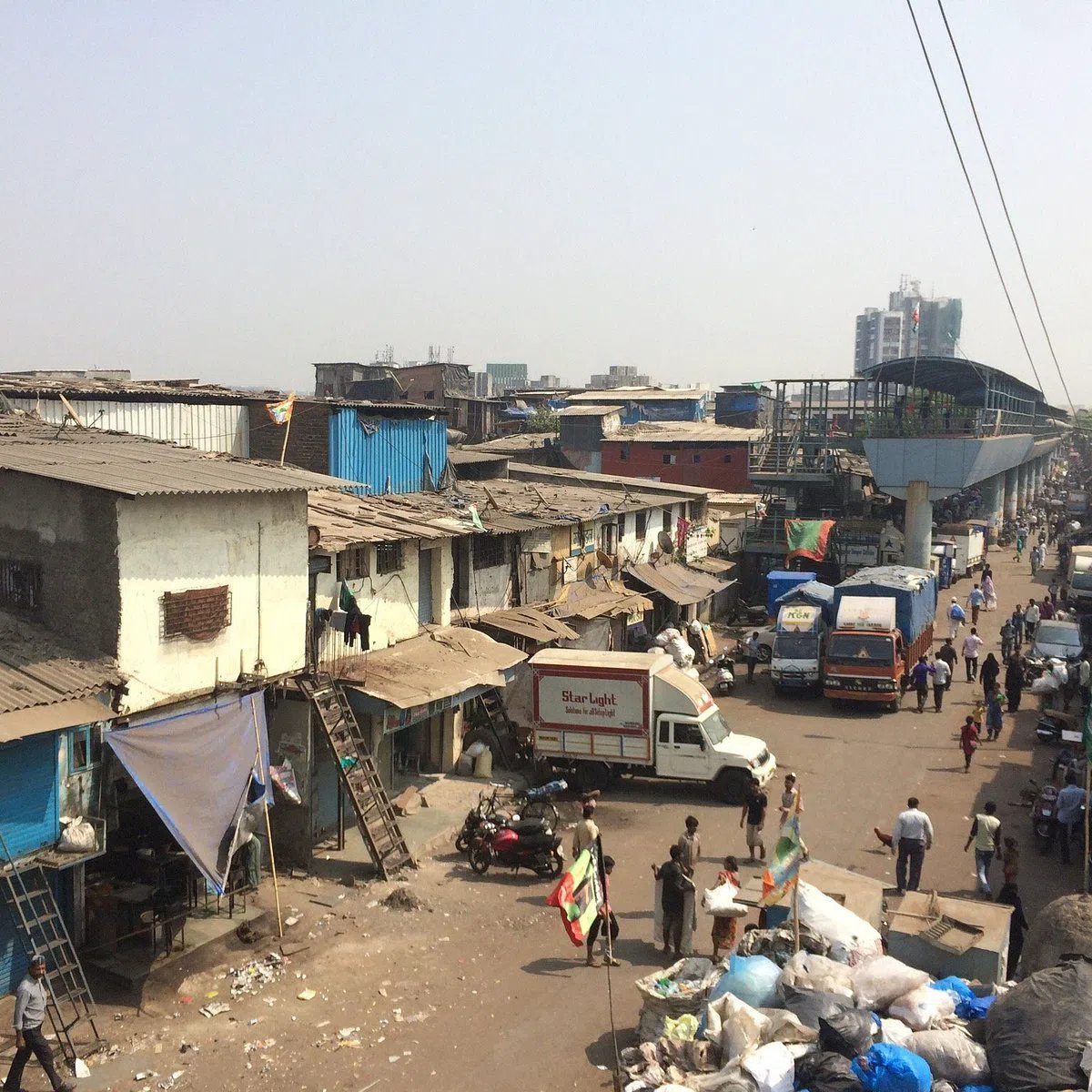
Dependable departures and build-your-own half-days
Sometimes you want a route that simply runs, every day, without you having to negotiate a slot. Magical Mumbai Tours (Dharavi) is built for exactly that. Group tours of six to eight people leave daily, from around $12 per person, with private walks from about $30 (roughly £10 and £24). The route is well-structured — recycling sheds, the leather workshops, the pottery kilns — and 20 percent of profit goes to a community fund. The slightly larger group size makes this less intimate than Reality or the women-led walk, so it suits friends travelling together or anyone who values a reliable, clearly organised itinerary over a hushed, small-group feel.
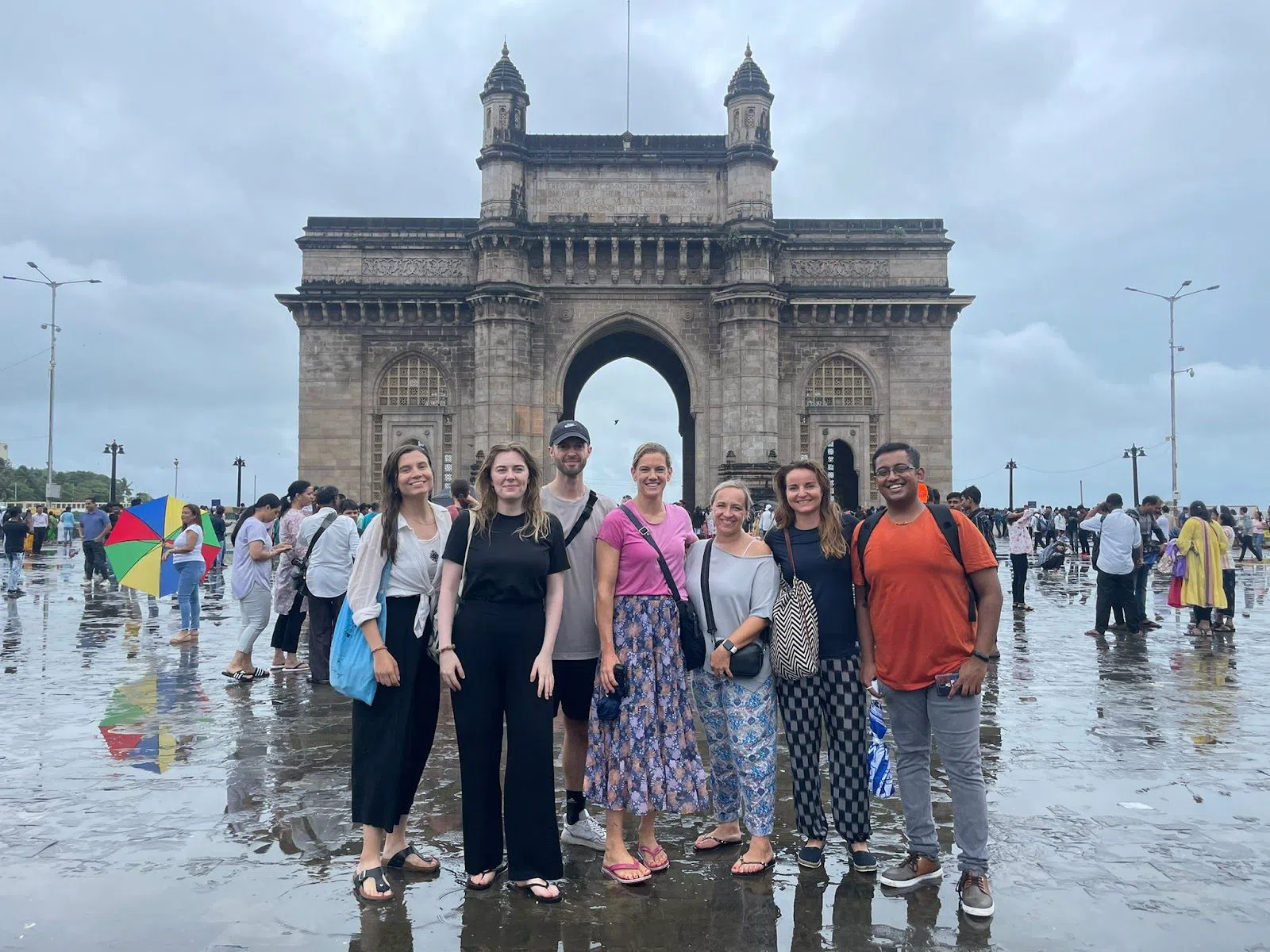
Citypulse Mumbai Tours (Dharavi) is the one to choose if you are assembling a half-day rather than a single walk. Its Educational Dharavi Slum Tour runs INR 1,000–1,600 per person (about £9–15) as a group or private booking, and the real draw is the menu of combinations: pair Dharavi with Dhobi Ghat, the city's open-air laundry, or with a hands-on pottery workshop, and add a car transfer for around INR 4,500 if you would rather not wrangle taxis between stops. For a family or a group with a fixed window and a few different interests, this flexibility makes it easy to build a satisfying morning without overpaying.
Cameras, etiquette and the ethics of visiting
The question worth sitting with before you book is whether visiting at all is respectful. The honest answer is that it can be, when the operator is rooted in the community and the money stays there — which is why the split of profits above is not a marketing detail but the whole point. Reality's 80 percent, PROUD's 75 percent, Cityscape's 60 percent: these are the numbers that separate a decent tour from voyeurism.
On conduct, follow the guide's lead without exception. Most operators here restrict or forbid photography inside homes and workshops — Reality bans cameras indoors outright, Cityscape and Citypulse restrict them for privacy — and you should treat every lens-raise as needing permission first. Dress modestly, wear closed shoes you do not mind getting dirty, and keep your voice down in residential lanes; people are living their ordinary Tuesday around you. Do not hand out sweets or money to children, however well meant — the operators channel support through their community funds precisely to avoid the dependency that casual handouts create.
On suitability: couples and solo travellers are well served everywhere, but the small-cap operators (Reality, the female-guides walk) give a gentler, more personal experience. Larger groups and families with a mix of interests will do better with Magical Mumbai or a Citypulse combo. Tours are not generally suited to very young children or to anyone who cannot manage narrow, uneven lanes and the occasional low doorway, and the workshops involve heat, fumes and noise. For deeper planning on where to stay and what else to build around your visit, our Mumbai guide covers the wider city, and you can compare places to stay through our Mumbai hotel search.
Practical notes: getting there, cash, timing and budget
Getting there. Dharavi straddles the area around Mahim and Sion stations, a short ride on the suburban railway or a taxi from the southern hotels and the Bandra-Kurla Complex. Several operators — Be The Local most explicitly — build the train ride into the tour, which is the most authentic and cheapest way in; if you are meeting a guide independently, agree the exact station and exit by message the night before, because the platforms are busy and phone signal thins out in the lanes.
Cash. Carry small rupee notes. Many operators quote in dollars or take card deposits online, but tips, the pottery add-on and any family-meal supplement are smoother in cash, and the workshops are not places to be waving a phone around to pay. Keep your valuables minimal and secure.
Timing. Book a morning slot wherever one is offered — the workshops are active early, the heat is bearable, and the light through the lanes is better. Fixed-slot operators such as PROUD run set afternoon and weekend departures, so plan around those rather than expecting to walk up. Allow two to three hours for the walk itself, more if you add Dhobi Ghat, pottery or a meal. Avoid the peak of the monsoon if you can; the lanes flood and the footing turns treacherous.
Budget. As a rough map: shared ethical walks run from about £8 (Cityscape) to £16 (Reality); community-run and mid-range group tours cluster around £9–15; and private, story-led experiences with Mumbai Magic sit at £30-plus per person. Whichever you choose, weigh the price against how much of it reaches the neighbourhood — in Dharavi, that is the figure that matters most.
Before you go
Are Mumbai slum tours ethical, or just voyeurism?
They can be genuinely ethical when the operator is rooted in Dharavi and the money stays there. Reality Tours channels about 80% of profits to its Reality Gives NGO, PROUD Dharavi reinvests around 75% locally, and Cityscape returns roughly 60% to families. Choose by that profit split, follow your guide's lead, and the visit becomes a respectful introduction rather than a spectacle.
Can I take photos on a Dharavi tour?
Usually not inside homes and workshops. Reality Tours bans cameras indoors outright, and Cityscape and Citypulse restrict photography for privacy. Always ask your guide before raising a lens, and never photograph people — especially children — without clear permission.
How much does a Dharavi slum tour cost in 2026?
Shared ethical walks run from about £8 per person with Cityscape up to £13–16 with Reality Tours. Community-run and mid-range group tours cluster around £9–15, while private, story-led experiences such as Mumbai Magic's Spirit of Dharavi sit at £30 or more per person.
Which Dharavi tour is best for solo women travellers?
The Dharavi Slum Tour by Dharavi's First Female Guides, led by Pooja, Anushka and Varsha, offers a women's-eye view of the community from around £9–11, with an optional family-home meal. Its small-group format and female guides make it a strong, reassuring choice for solo women and families.
How long is a Dharavi tour and how do I get there?
The walk itself takes two to three hours, longer if you add Dhobi Ghat, a pottery workshop or a family meal. Dharavi is near Mahim and Sion stations on the suburban railway; some operators like Be The Local build the local-train ride into the tour, which is the cheapest and most authentic way in.