The Mumbai issue
The Men in White Caps: Inside Mumbai's 130-Year-Old Lunchbox Delivery Machine
How to actually watch — and understand — the dabbawalas who move 200,000 home-cooked lunches across Mumbai every working day, without an app or a single spreadsheet.

By Aditi RaneThe city read by its facades
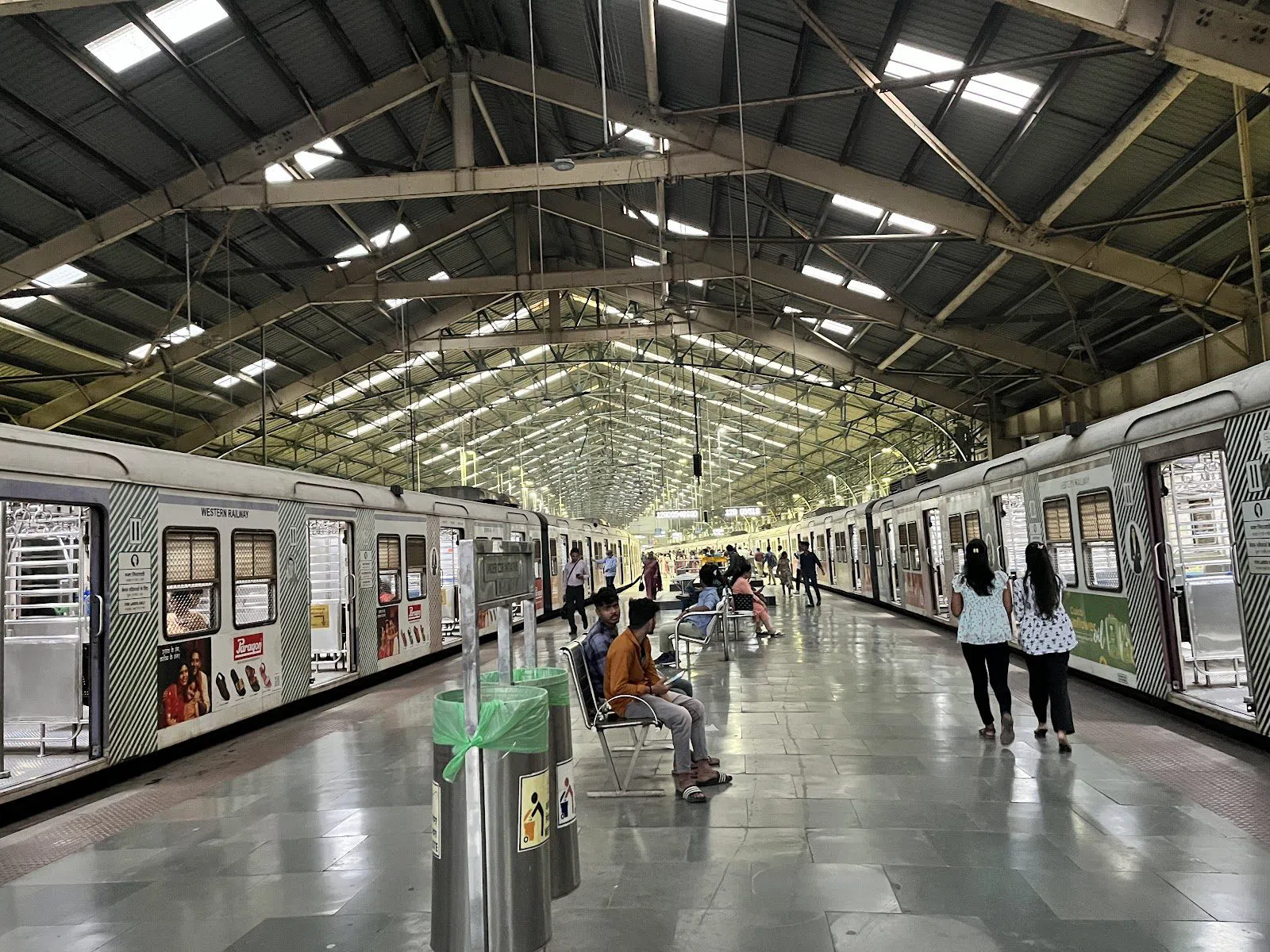
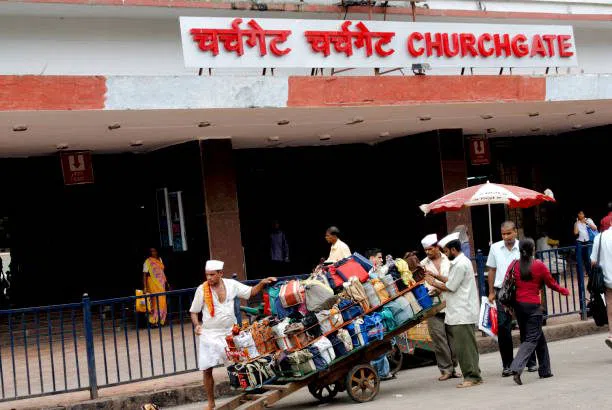
Just after noon on a working weekday, the forecourt of a South Mumbai railway terminus fills with a sound that has barely changed since the 1890s: the clatter of aluminium tiffins stacked into long wooden crates, the shorthand shouts of men in white Gandhi caps, and the scrape of loaded handcarts finding gaps in the crowd. No one is looking at a phone. A lunch cooked in a kitchen twenty or thirty kilometres away, packed while its owner was still on the train to work, is about to land on the right desk — hot, correct, and on time. This is the dabbawala network, and watching it work is one of the few genuinely free wonders left in a big city.
The system dates to roughly 1890, when a Parsi banker wanted a home-cooked meal at his office and paid a man to fetch it. Word spread, the idea scaled, and by the 1950s the carriers had organised into a formal association. Today somewhere between 4,500 and 5,000 dabbawalas move an estimated 200,000 lunchboxes a day, each one travelling through four or five pairs of hands between kitchen and office and back again. The famous statistic — a mis-delivery rate measured in the low single digits per million — is real enough, though the men themselves tend to shrug at it. What holds the network together is not technology but a colour-and-symbol code painted on each tiffin lid, a hierarchy of neighbourhood teams, and the fixed rhythm of the suburban rail timetable. Understand those three things and the apparent chaos resolves into something closer to a railway junction than a scramble.
Where to watch the handover for free
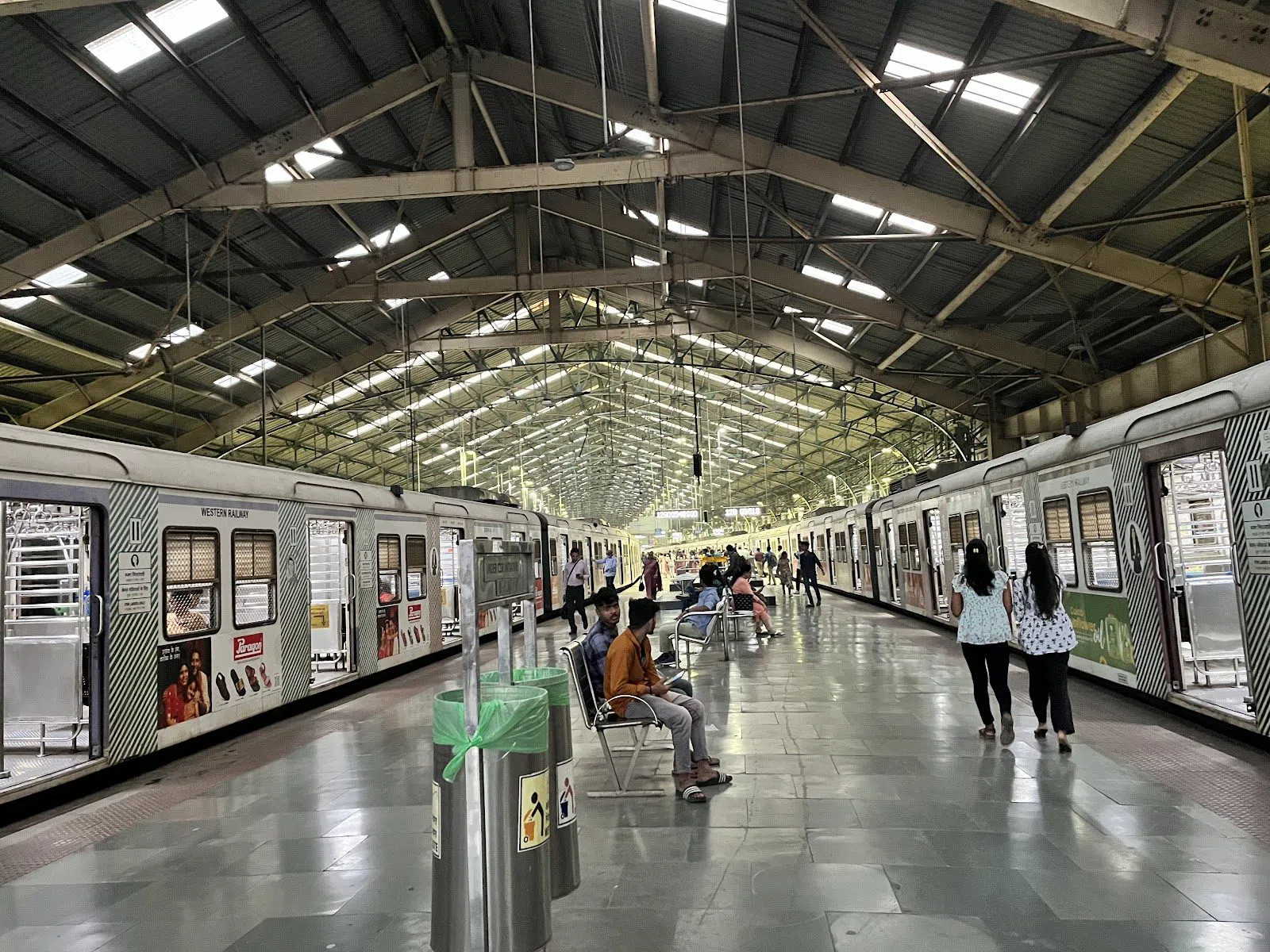
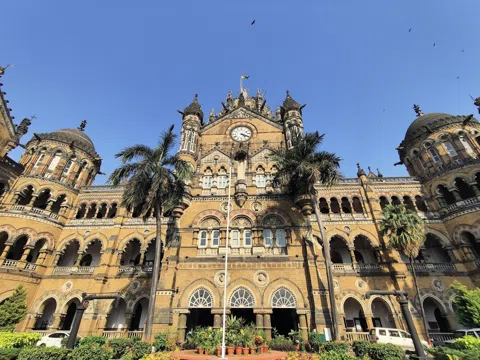
The single best vantage point costs nothing beyond, at most, a local train ticket. The Churchgate Station lunchtime handover (Churchgate, at the southern tip of the city) happens on the open station forecourt, where inbound trains disgorge crate after crate and the sorting begins in the open air. Aim to arrive between about 11:15 and 12:15 on a weekday — Monday to Saturday — to catch the incoming sort, which is the most photogenic and frantic phase. The men peel tiffins off the racks, read the painted codes at a glance, and re-group them by destination building before the handcarts fan out into the office district. By half past twelve the forecourt has largely emptied and the drama has moved indoors and onto the streets.
A few honest caveats. Sundays are dead — offices are closed, so there is nothing to see — and the association takes its annual break, this year from 30 March to 4 April 2026, when the network pauses entirely. The forecourt is public, so any size of group can stand and watch self-guided; it is a fine, low-commitment stop for solo travellers, couples and families alike. But watching is not the same as understanding. From the outside it reads as a crowd of men shouting and shoving crates. Without someone to decode the lid markings and the team structure, you will photograph a spectacle and miss the machine. If you only have a spare half-hour and a camera, go alone. If you want to know what you are actually looking at, bring a guide — which is where the next two options come in.
Plan your Mumbai trip
Live prices from our booking partners.
Free cancellation on many rooms. We may earn a commission when you book.
Going in with a guide
For most first-time visitors, a guided morning is the difference between a nice photo and a story you can retell. Two operators do this properly and ethically, and they suit slightly different travellers.
Mumbai Magic — 'Day Trip with the Dabbawalas' is the most audience-friendly choice for a first-timer. Run by founder Deepa Krishnan as part of a long-standing responsible-tourism outfit, it runs as a private, small-group tour with English-speaking guides, and it earns consistently strong, current reviews into early 2026. The appeal is access: rather than watching from the edge of the forecourt, you are walked through the sort by someone who knows the men and can explain the code as it is being read. Because it is private, it flexes well for families with children or for couples who want an unhurried pace and room for questions. It sits in the mid price band ($$) — a private guided rate rather than a budget group ticket — and it books ahead, so treat it as something to reserve a few days out, not a walk-up. If your priority is simply to understand the dabbawala system as clearly and comfortably as possible, this is the one to book.
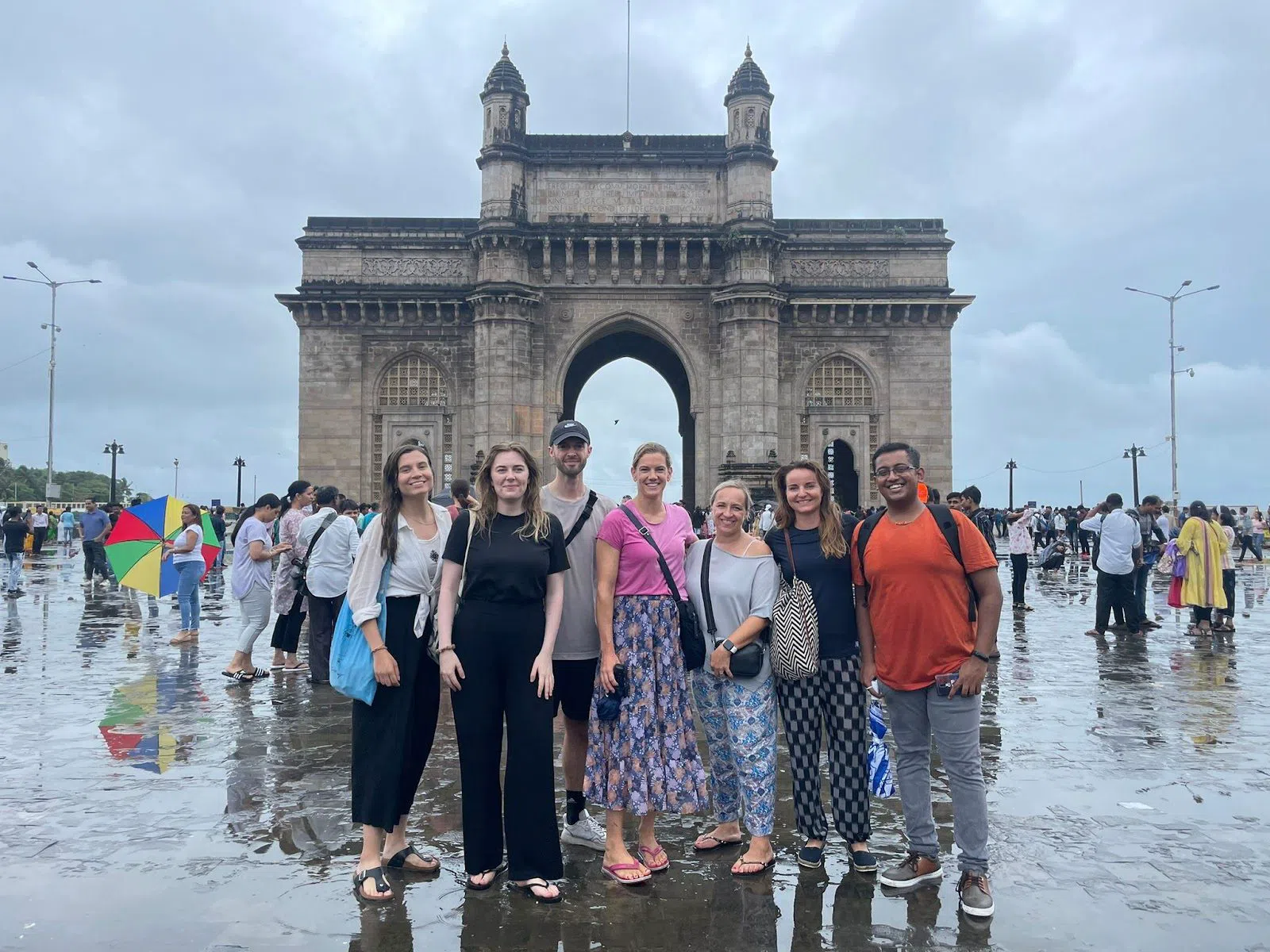
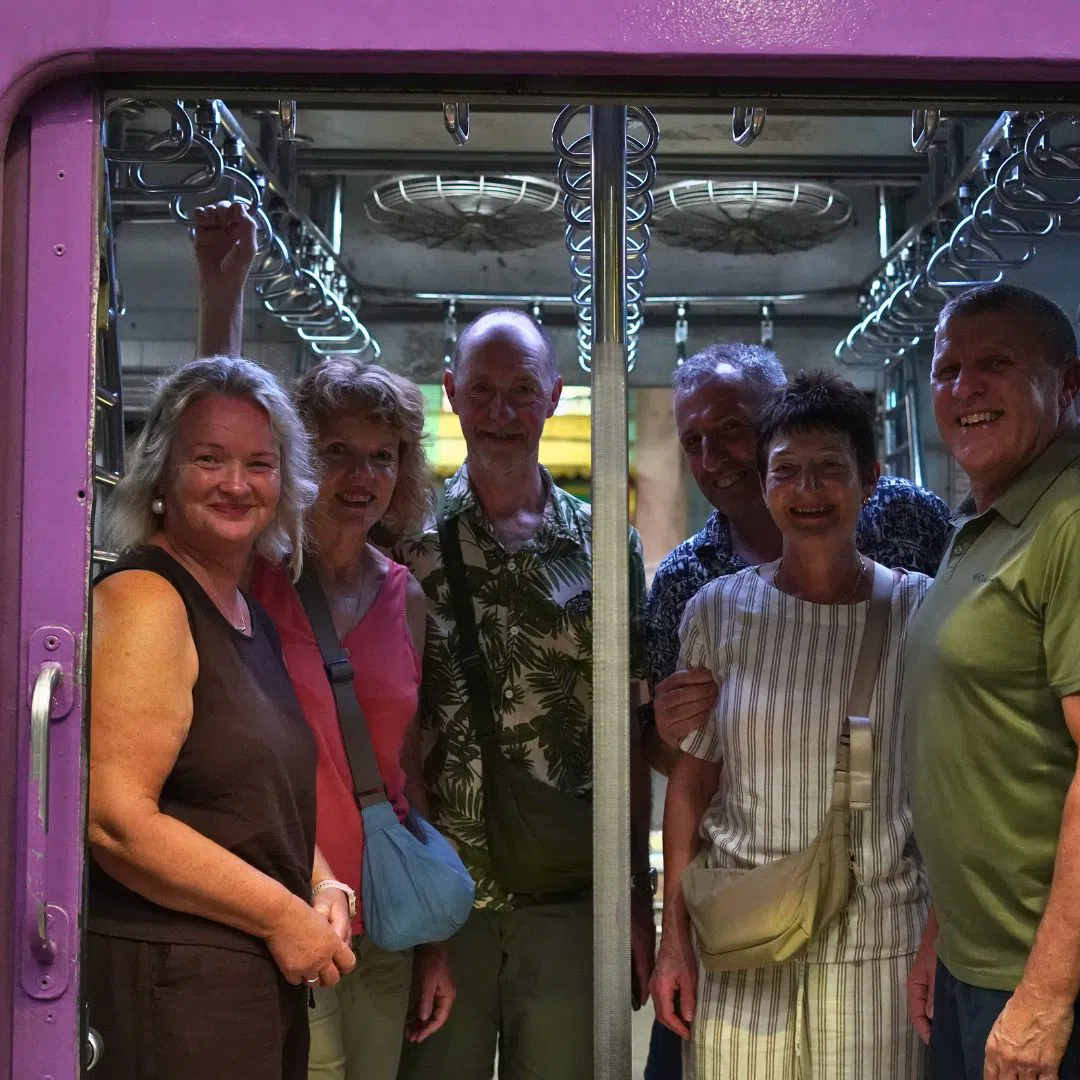
Reality Tours & Travel — Dharavi, Dhobi Ghat & Dabbawala tour takes a different, broader approach and suits a different appetite. Rather than a standalone dabbawala stop, it bundles the handover into a wider morning that also takes in the vast open-air laundry at Dhobi Ghat and the workshops of Dharavi, all threaded together as one ethically-run circuit. It runs both scheduled small-group departures and private options, and it is well set up for international visitors who want structure. The ethical case is unusually concrete: around 80% of the company's profit funds its own NGO working in Dharavi, so the money you spend has a visible second life. Pricing is mid-band ($$). Choose this if you would rather see the dabbawalas as one chapter in a fuller portrait of how working Mumbai actually functions, and if you are comfortable with a longer, more physically active morning than the focused Mumbai Magic option. Book the private version if you are travelling as a family and want to set your own pace; the scheduled group departures are the more economical route for solo travellers and couples who don't mind sharing the morning with others.
A word on etiquette, because it matters more here than at a monument. The dabbawalas are working against an unforgiving clock — a missed train genuinely means a late or wrong lunch — so a good guide will keep you out of the flow of the handcarts and time your questions for the lulls. Follow that lead. Do not block the crate lines for a photograph, and do not ask a man mid-sort to pose; wait until the wave has passed. Both operators build this discipline into how they run the visit, which is part of what you are paying for.
Eating the idea, not just watching it
There is a natural next question after you have watched a thousand lunches change hands: could you actually eat this way yourself? For most travellers the honest answer is no — the classic dabbawala service exists to carry a meal from your own kitchen to your own office, which presumes both a kitchen and an office in the city. But there is one modern offshoot worth knowing about if you are in Mumbai for the long haul.
Dabbawala Kitchen (a women-run tiffin service) is a contemporary, dabbawala-inspired brand built around a women's collective rather than the traditional carrier association. It runs as a subscription: home-cooked meals delivered daily to individuals at home or at an office, priced per meal in the budget band ($). For a traveller settled in the city for weeks — a remote worker, a long-stay visitor, someone on an extended project — it is a genuinely appealing way to eat well and cheaply while supporting a women's livelihood collective. For a tourist passing through for three or four nights, it is the wrong tool: there is no drop-in counter to visit and nothing to photograph, and the model only makes sense with a standing daily order to a fixed address.
Two practical cautions before you rely on it. First, serving areas change, so confirm that they currently deliver to your specific neighbourhood before you build any meal plan around them — coverage is not city-wide. Second, at the time of writing the brand's main website is carrying an expired TLS certificate, which means your browser may flag it as insecure; that is a maintenance lapse rather than proof the service is dead, but it does mean you should verify the operation is actually live and taking orders — ideally by phone or a current messaging channel — before you hand over any payment details. Treat it as a lead to check, not a booking to make sight-unseen.
How it all fits into a Mumbai morning
The pieces slot together neatly if you plan around the clock rather than the map. The handover is a midday event dictated by the rail timetable, so a dabbawala experience is a morning, not an afternoon. A common and sensible shape: start with a guided operator that collects you earlier and walks you through the wider context, then let the visit crescendo at the forecourt sort around noon, then break for your own lunch afterwards — by which point you will have a strong opinion about whether any restaurant kitchen can match a tiffin cooked at home. If you are self-guiding, simply be at the station forecourt by a quarter past eleven and give yourself an hour.
South Mumbai's office district is compact and walkable once you are there, and it is also where most of the visitor-friendly hotels cluster, which makes staying central the path of least resistance for an early start; browse a Mumbai hotel search filtered to the southern business districts and you will cut your morning commute to a short train ride or a ten-minute cab. For everything beyond the dabbawalas — neighbourhoods, timing, getting around — the wider Mumbai guide is the place to start.
Practical notes
Getting there. The handover is built on the suburban rail network, so the most fitting way to arrive is by local train into the southern terminus — but avoid boarding during the 08:00–10:00 peak, when the trains are genuinely, alarmingly full. Aim for a mid-morning train, or take a metered taxi or app cab into the office district, allowing extra time for midday traffic. If you ride the train in, keep your ticket and stand clear of the doorways.
Timing. Weekdays only, Monday to Saturday; the incoming sort runs roughly 11:15–12:15, and the forecourt thins out fast after 12:30. Do not attempt this on a Sunday, and note the association's annual break from 30 March to 4 April 2026, when there is nothing to see.
Cash and payment. Carry a modest amount of Indian rupees (₹) for train tickets, taxis, water and tips — small vendors and cabs are not always card-friendly. Guided tours from both operators are booked and paid ahead, so you do not need to carry the full tour cost in cash on the day. For the subscription tiffin service, verify the operation is live before paying anything, given the website issue noted above.
Budget. Watching the handover yourself costs nothing beyond a train fare of a few rupees. A guided morning with either Mumbai Magic or Reality Tours sits in the mid ($$) band, private rates costing more than shared scheduled departures. The Dabbawala Kitchen tiffin is budget-priced per meal ($) but only relevant to long-stay visitors on a standing daily order.
Who it suits. The free forecourt watch works for everyone, including families and solo travellers on a tight budget. A private guided tour is the strongest pick for a first-timer or a family who wants things explained calmly; a scheduled group tour is the economical option for couples and solo visitors happy to share the morning. Above all, whichever route you choose, remember that you are watching people work to a deadline — keep out of the crate lines, save your questions for the pauses, and let the machine run.
Before you go
Where and when can I watch the dabbawalas for free?
The Churchgate Station forecourt in South Mumbai is the best free vantage point. Arrive between about 11:15 and 12:15 on a weekday (Monday to Saturday) to catch the incoming sort. It empties fast after 12:30. Skip Sundays, and note the association's annual break from 30 March to 4 April 2026.
Do I need a guide, or can I just turn up?
You can turn up self-guided and watch from the public forecourt for free. But without someone to decode the painted lid markings and team structure, you will photograph a spectacle without understanding the system. A guide is what turns a nice photo into a story you understand.
Which dabbawala tour is best for a first-time visitor?
Mumbai Magic's 'Day Trip with the Dabbawalas' is the most audience-friendly, run as a private small-group tour with English-speaking guides and strong current reviews. If you'd rather see the dabbawalas as part of a wider ethical morning that also covers Dhobi Ghat and Dharavi, Reality Tours & Travel is the better fit.
Can I actually order a dabbawala lunch as a tourist?
Not really. The classic service carries a meal from your own kitchen to your own office, which presumes both. Dabbawala Kitchen, a women-run subscription tiffin service, delivers home-cooked meals daily and suits long-stay visitors — but check it currently serves your neighbourhood and confirm it's live before paying, as its website's security certificate is currently expired.
How should I behave around the dabbawalas while watching?
They work against a strict train timetable, so a late move means a late lunch. Stay out of the handcart and crate lines, don't ask anyone to pose mid-sort, and save your questions for the lulls. A good guide will position you and time your questions so you never disrupt the flow.