The Mumbai issue
Mumbai's 9am Ferry to Elephanta and the Day Around It
How to catch the first launch from the Gateway of India, and what the caves show you once you are inside. Where to eat at either end of the crossing, too.
By Aditi RaneThe city read by its facades
The first Elephanta launch leaves the jetty at the Gateway of India at nine in the morning, and the queue for tickets forms while the harbour is still flat and grey. An hour of open water later you step onto a causeway on Gharapuri Island, and half an hour after that you are standing in front of a three-headed Shiva cut deep into a basalt hillside some fourteen centuries ago. You can be back at Apollo Bunder by mid-afternoon with the rest of the day intact, which is the only reason this trip fits inside a short stay in Mumbai.
The nine o'clock boat sets everything else
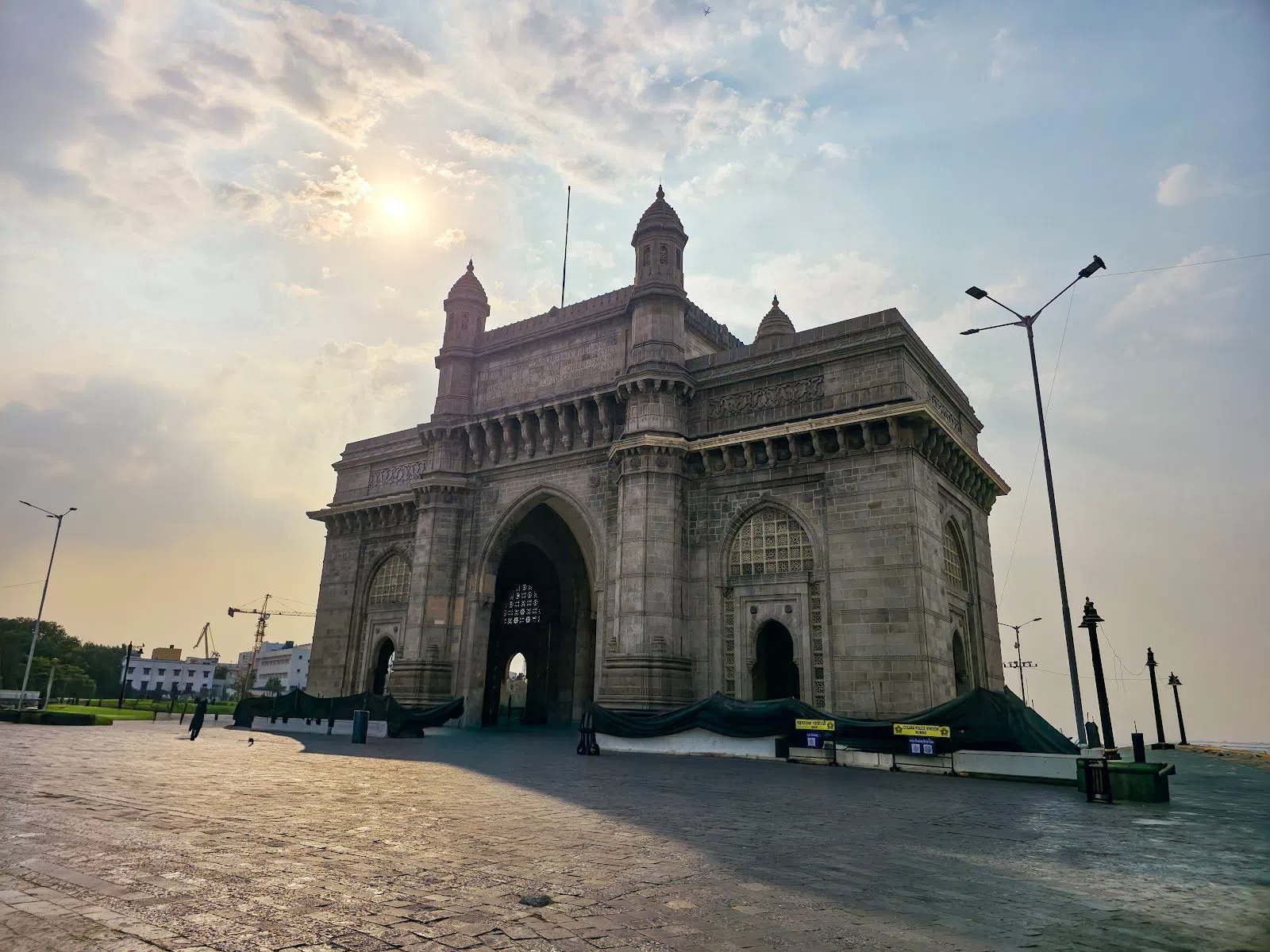
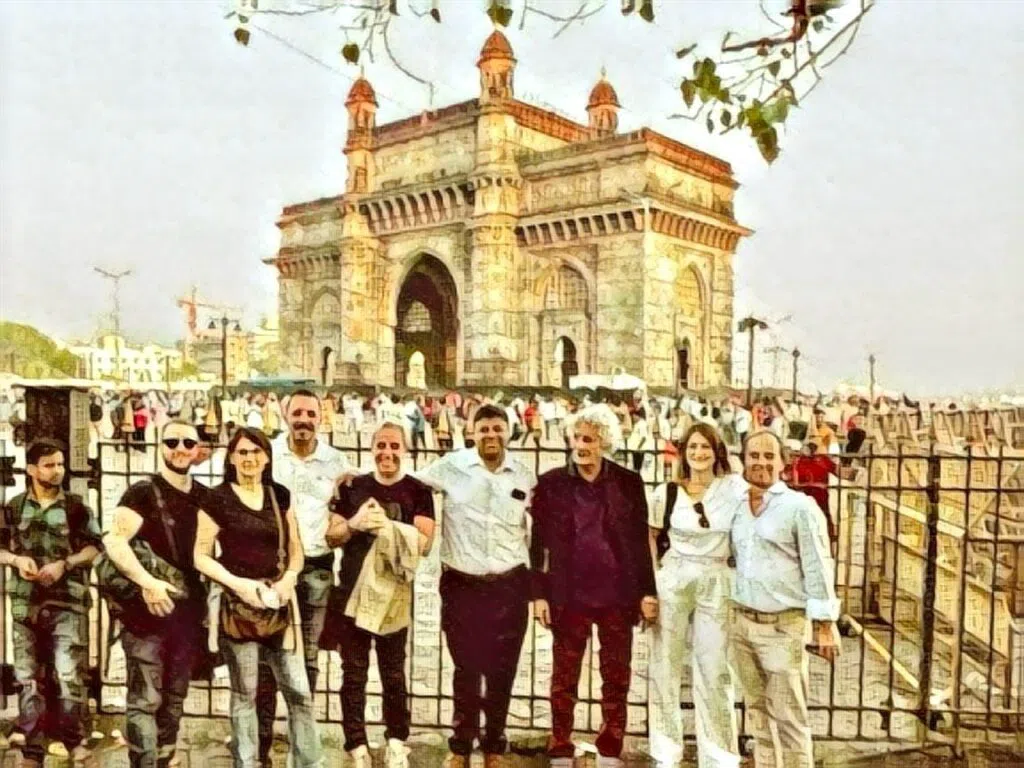
Gateway of India (Apollo Bunder, Colaba) is an open public plaza, free, with no ticket of any kind. There is security screening at the entry gates, and that queue thickens badly once the morning crowd arrives. Arrive by 8.30am if you intend to make the first departure. George Wittet's arch was raised to mark a royal visit in 1911, took until 1924 to finish, and then, with a symmetry nobody designed, watched the last British troops leave the country through it in 1948. Most visitors photograph it from the seaward side and walk on. Its working function is the jetty at its foot.
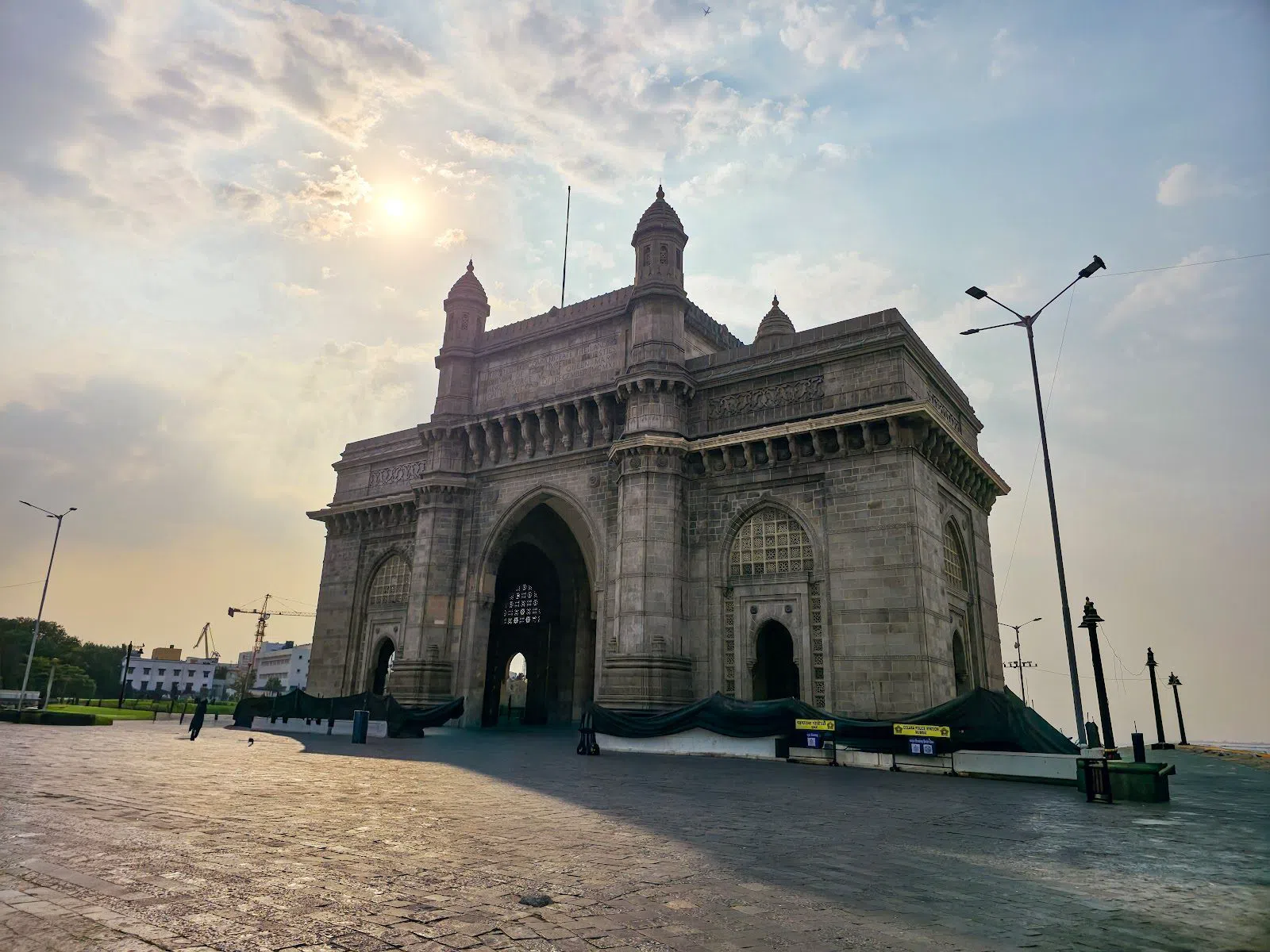
Elephanta ferry launches (Gateway of India jetty) sell tickets from booths on the jetty itself, first-come, first-served, with no advance booking from the Gateway end. A return runs roughly ₹200 in economy and ₹260 in luxury class, and access to the open upper deck is another ₹10 that you should pay without deliberating. The crossing takes about an hour each way. The first boat leaves at 9am and the last one back is at 5.30pm, and those two numbers are the frame for the whole day: catch the first and you are ahead of the heat and the tour buses, and back on the mainland before the afternoon collapses.
A launch seats around a hundred people, so a party of eight or twelve boards together without any negotiation at the booth. That makes this one of the few things in the city that is genuinely as easy for a group as for a couple. The honest caveat is weather. Services are cancelled at short notice in rough monsoon seas or on a high-tide alert, and there is no warning system beyond the jetty itself, so if you are travelling in the wet months, hold a mainland fallback in your pocket and do not build the day so tightly that a cancellation ruins it.
Plan your Mumbai trip
Live prices from our booking partners.
Free cancellation on many rooms. We may earn a commission when you book.
Breakfast within five minutes of the boat
A nine o'clock departure means eating before eight-thirty, which rules out most of the city and leaves three good rooms, all within a short walk of the jetty.
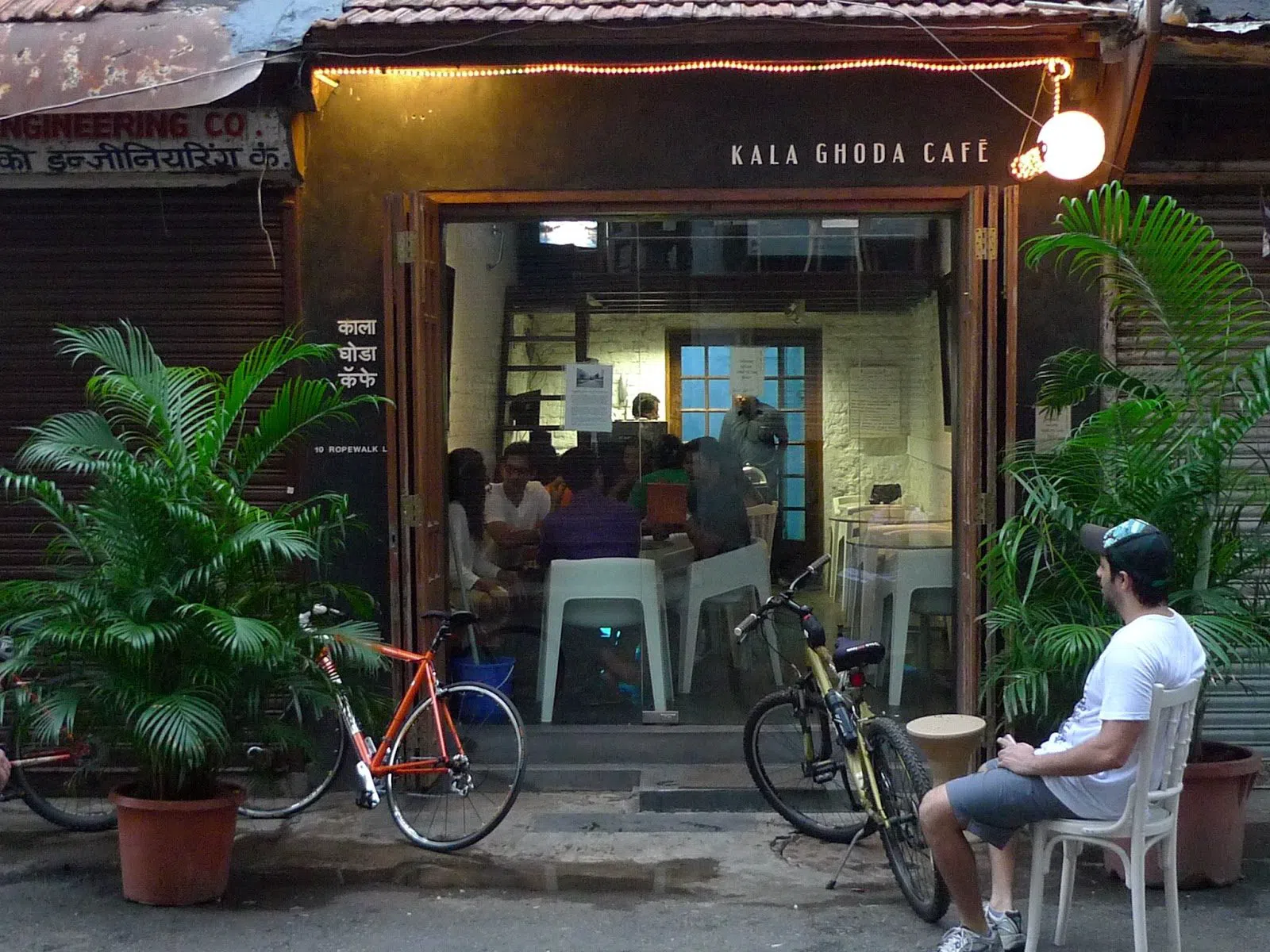
Kala Ghoda Cafe (Kala Ghoda) opens at 8am and is the most reliable proper coffee anywhere between the museum quarter and the jetty. It is genuinely tiny, best for two, workable for four and hopeless for more, with no reservations and quick turnover, which is exactly what you want when you are watching the clock. Coffee runs ₹200-350 and plates ₹300-600.
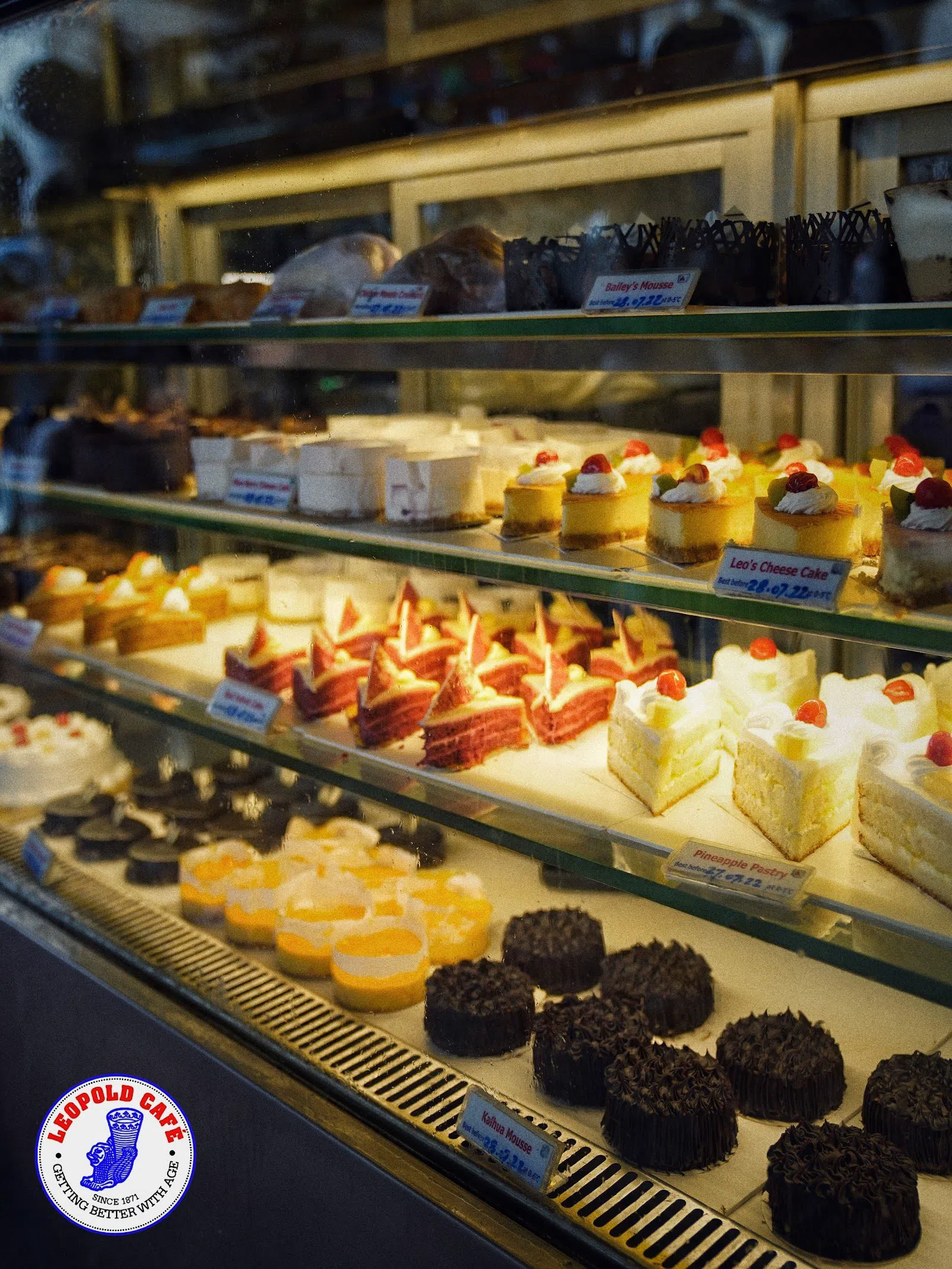
Leopold Cafe & Bar (Colaba Causeway) opens at 7.30am, the earliest of the three, and is five minutes from the jetty on foot. It is large, loud, deliberately touristy and entirely honest about being so. There are no reservations, sharing tables is normal, and the upstairs bar absorbs bigger parties without fuss. Mains are ₹400-800 and beer starts at ₹350, which makes it the one place on this list that works as both the pre-ferry breakfast and the post-caves beer at four in the afternoon.
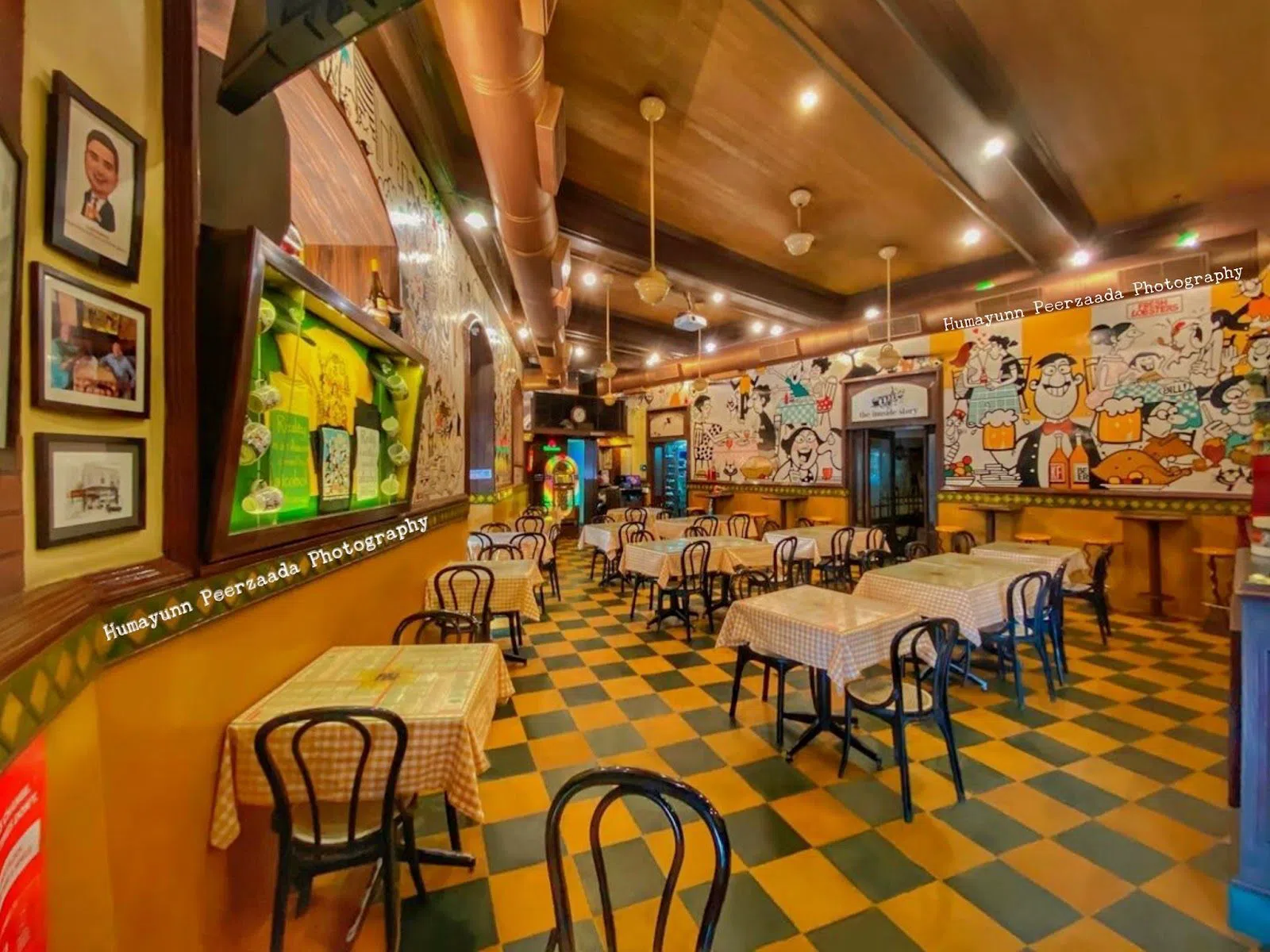
Cafe Mondegar (Colaba Causeway) is two minutes further along and open 8am to midnight daily. It is the better room of the pair (the Mario Miranda murals crowding the walls are worth the visit on their own), but it is cramped. Four to six is comfortable, anything larger is awkward, and there are no bookings, so expect to wait at peak. Mains ₹350-700, draught from ₹300.
An hour on the harbour
Pay the ₹10 and sit on the upper deck. The lower saloon is enclosed and you will spend the hour looking at the backs of heads; the top deck gives you the working harbour, which is the actual pleasure of the crossing: naval grey hulls at anchor, container traffic standing off the docks, gulls tracking the boat for the length of the run. The Gateway and the domes of the Taj recede together into haze in about ten minutes, and then it is open water.
Take a hat and water. There is no shade up there and no meaningful shelter if a squall comes through. If anyone in your party is prone to seasickness, the lower deck is steadier, though the swell inside the harbour is usually mild.
The causeway, the toy train and 120 steps
The jetty on Gharapuri Island puts you at the end of a long flat causeway. Elephanta Island toy train (Gharapuri Island) covers that stretch and nothing else: a five-minute narrow-gauge ride against a ten-minute walk, ₹10 per person with the return included, carriages holding about thirty. It is worth it for older or slower travellers and for anyone who needs to save their legs. It is not, whatever the signage suggests, a highlight, and a group of forty will need two runs on a busy weekend.
The train does not touch the part that matters. From the foot of the hill there are 120 stone steps up to the cave mouth, lined the whole way with stalls selling shell trinkets and cold drinks, and those steps are the real limit on the day. They are uneven, they are hot by eleven, and no ride exists to bypass them. If someone in your party cannot manage a steady climb of that length with rests, be straightforward about it before you buy ferry tickets rather than after.
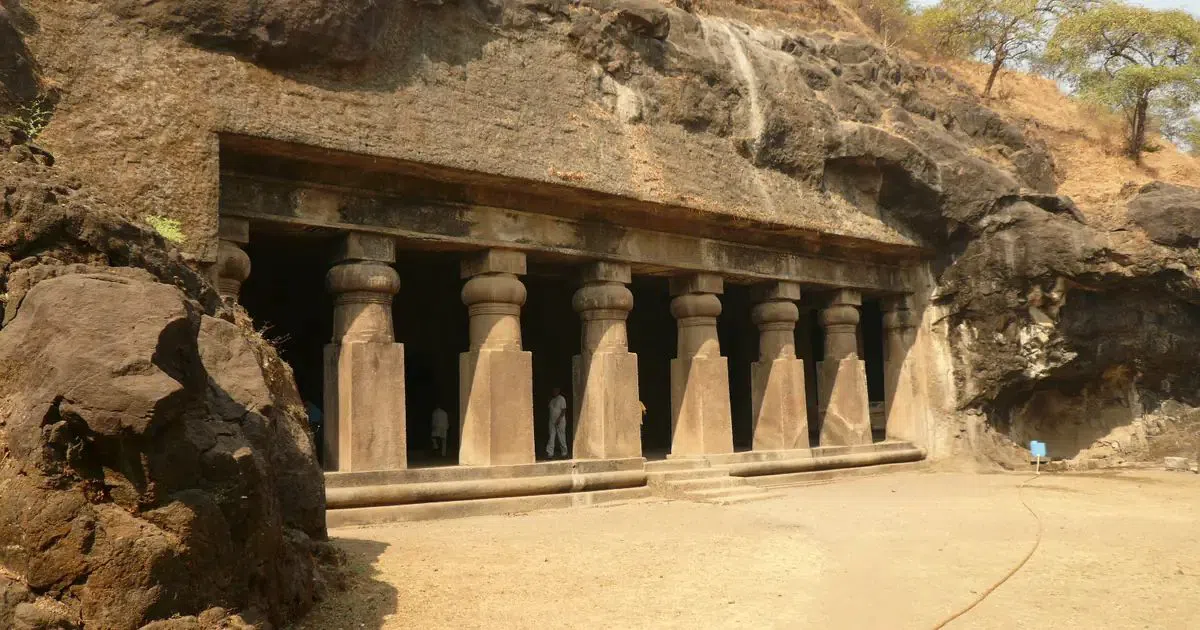
Elephanta Caves (Gharapuri Island) charge ₹600 for foreign nationals and ₹40 for Indian and SAARC nationals, plus a ₹10 village toll collected separately. It is an Archaeological Survey of India site with no capacity cap, so there is nothing to book and nothing to sell out. Licensed guides wait at the cave mouth and take groups of ten to fifteen. Take one. The carving is not self-explanatory, and forty-five minutes of competent commentary is the difference between looking at damaged rock and reading a sixth-century argument about the nature of a god.
What the rock actually shows you
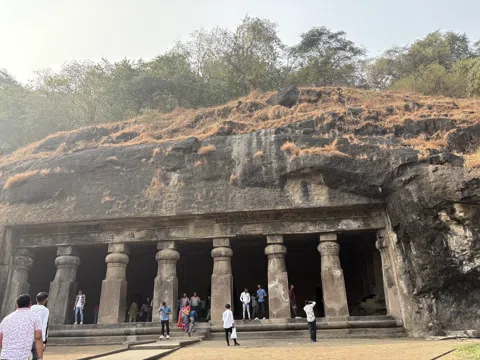
The main cave was cut rather than built, downward and inward into the basalt, so that the pillars, the shrines and the twenty-foot panels were all released from stone that was already there, with no way to correct a mistake. Scholars put the principal excavation somewhere between the fifth and eighth centuries. The Portuguese arrived in the sixteenth, named the island for a large stone elephant standing near the landing place, and used the panels for target practice; the elephant itself was carted off to the mainland in the 1860s and the musket damage is still legible on several figures.
The Trimurti at the back of the cave is the reason to come: three faces of Shiva emerging from the rock, the creator on one side, the destroyer on the other, the serene centre face looking straight out over your head. It is close to six metres tall and lit only by whatever daylight reaches that far in. The side panels are the argument in full: Shiva as half-woman, Shiva bringing the river down through his hair, Shiva dancing. Give the interior a full hour. Most people give it twenty minutes and spend the rest photographing monkeys, which is a waste of a boat ride.
One hard constraint governs the entire plan. The site is closed every Monday, and the ferry is closed with it. A Monday itinerary has to be a different day entirely, rebuilt on the mainland.
Coming back in and watching yourself arrive
If you take the first boat out and stay two hours on the island, you are back at Apollo Bunder somewhere between one and two in the afternoon, sunburnt and ready to sit down.
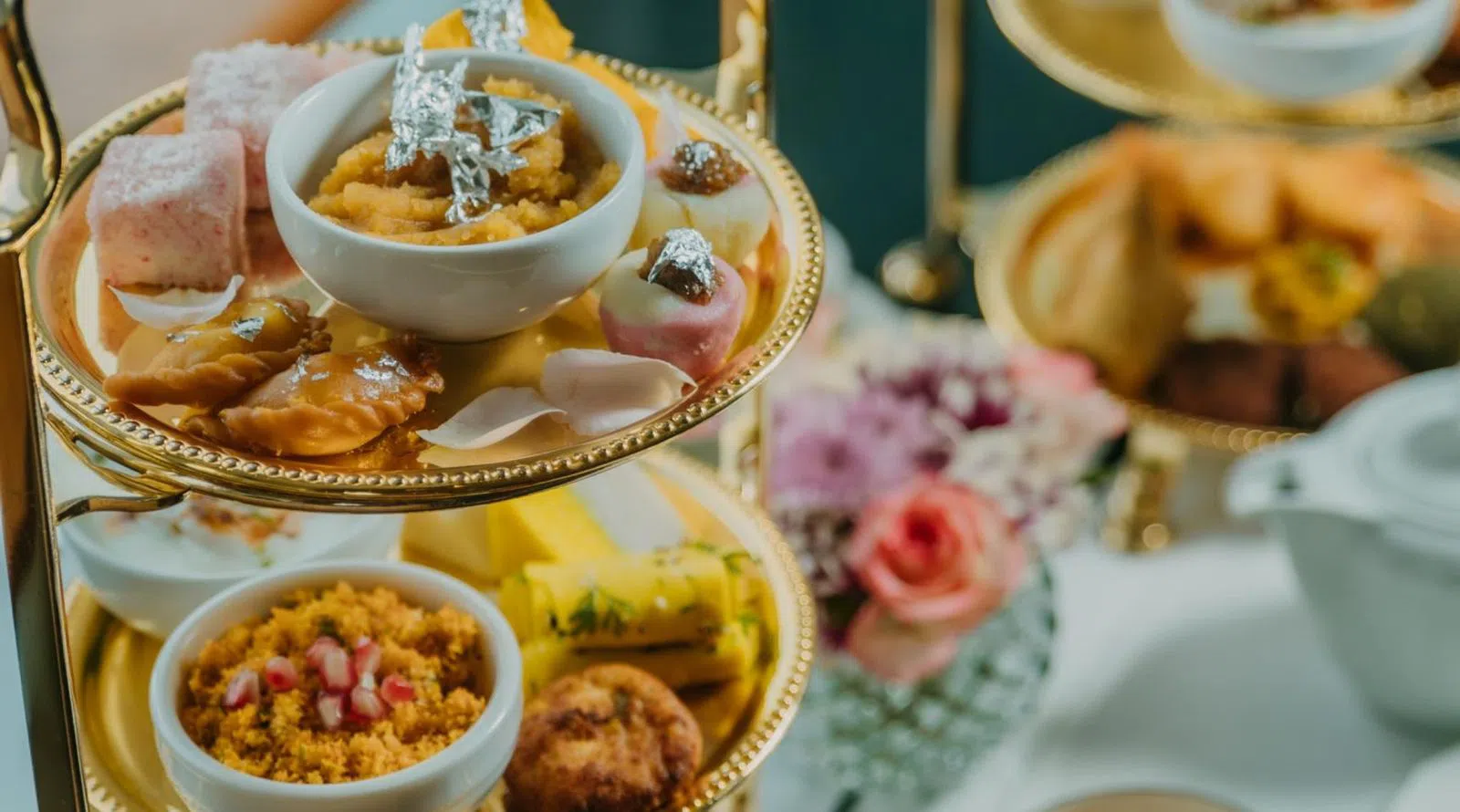
Sea Lounge, The Taj Mahal Palace (Apollo Bunder) has the best-placed window in the city for exactly this: first floor, facing the harbour, the launches sliding back to the jetty below while you sit still. Afternoon tea runs roughly ₹3,000-4,000 per head. Reserve ahead for anything over four, expect hotel security screening at the door, and dress smart-casual; arriving in the state the boat leaves you in is the wrong move here. If you would rather have the evening version with a drink in hand, the same hotel's Harbour Bar does that job better.
The galleries that explain the climb
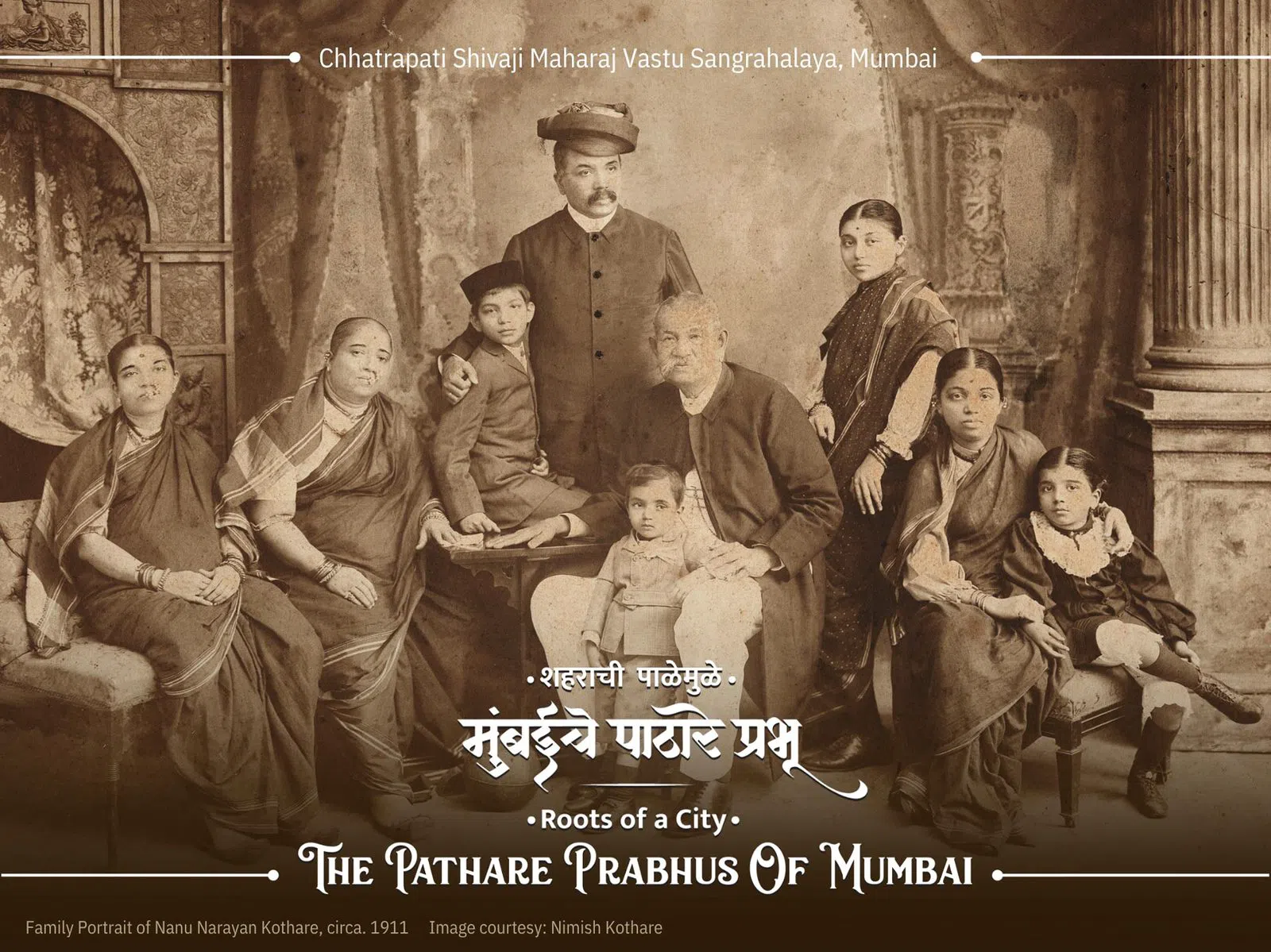
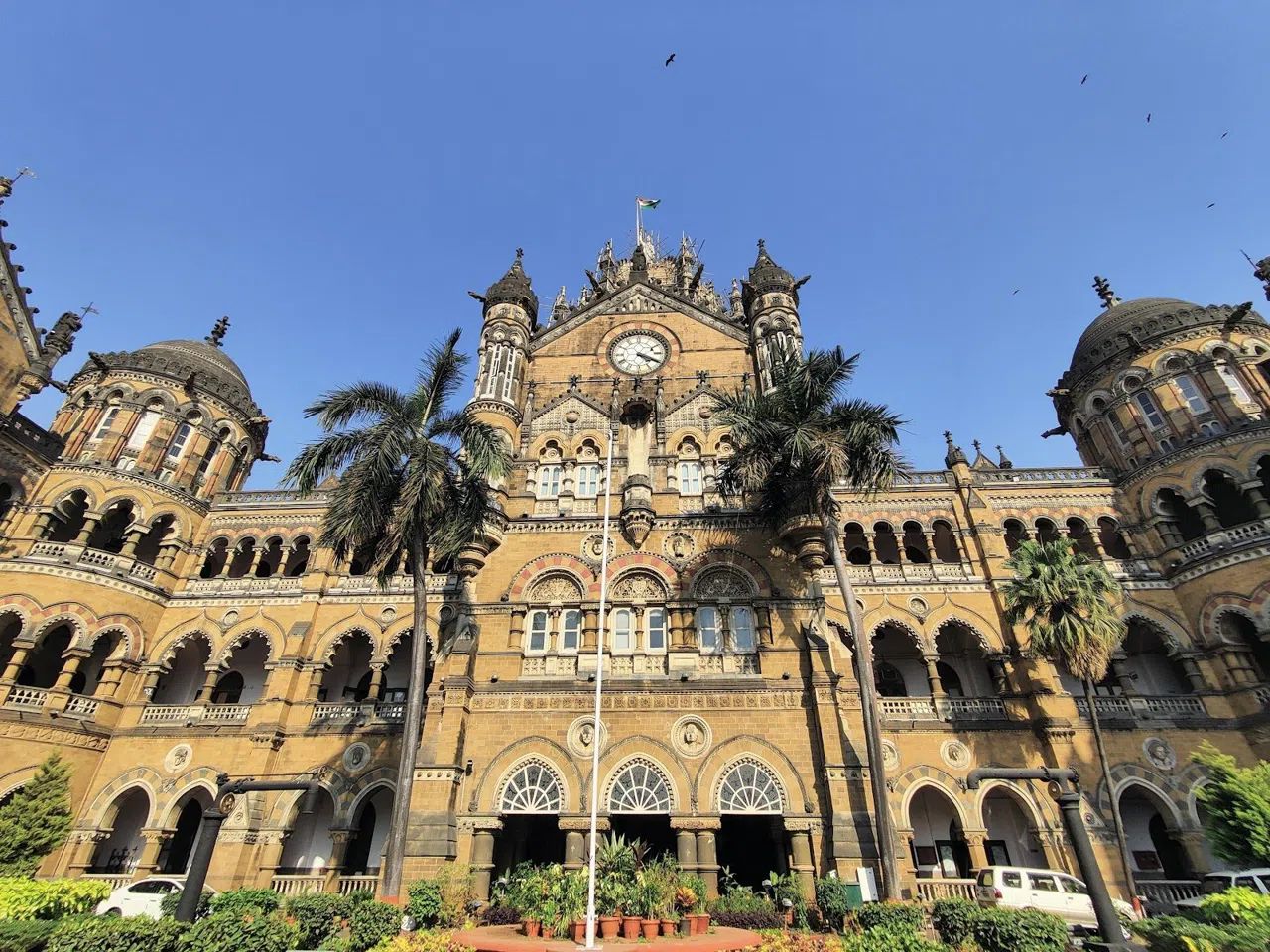
Chhatrapati Shivaji Maharaj Vastu Sangrahalaya (Kala Ghoda) is the natural second half of the day, and it is a ten-minute walk from the Gateway. Entry is ₹150 for foreign visitors including an audio guide and ₹30 for Indian nationals, with a separate camera fee; groups are welcome with advance notice and audio guides come in several languages. Its sculpture galleries do the work the caves cannot: the same iconography at eye level, indoors, with labels, after you have climbed 120 steps to see it in the dark. George Wittet designed this building too, which is why the arch and the dome feel like relatives. Like the caves, it is shut on Mondays.
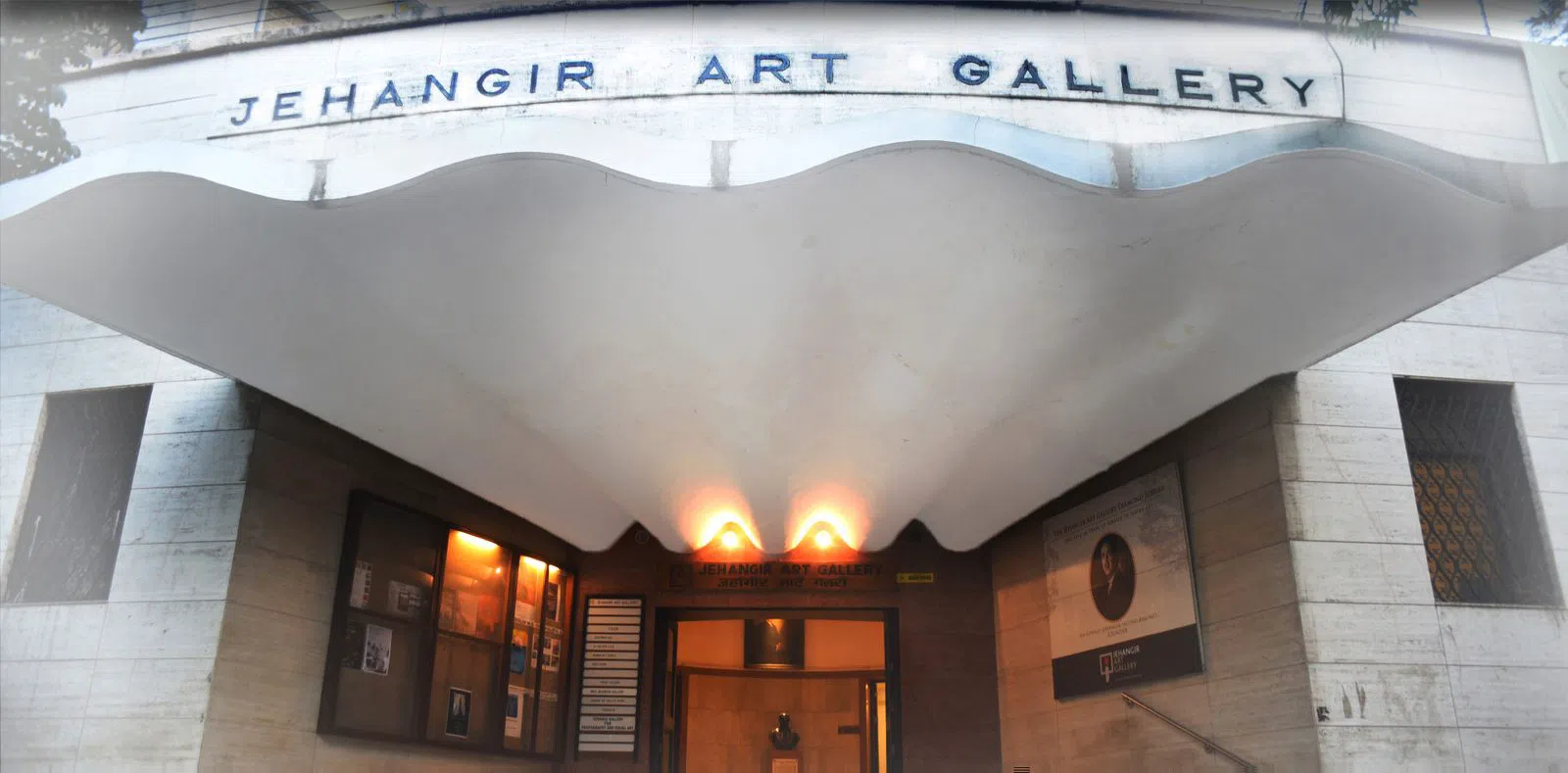
Jehangir Art Gallery (Kala Ghoda) is next door, free, and open 11am to 7pm every day. Seven spaces turn their exhibitions over weekly, so it is never the same visit twice. The upper halls are narrow and suit small groups only. It matters more than its size suggests, because it is open on Mondays when almost nothing else on this itinerary is.
Guided ground before the boat
If you want the morning to be more than a queue, two operators cover this ground properly. Khaki Tours (Fort) runs scheduled public walks from around ₹999 per person, plus pre-designed private group walks, open-jeep urban safaris and e-Victoria carriage rides. Their Castle-to-Gateway route traces exactly the stretch between the Fort and the ferry jetty, which converts dead time before a departure into the most interesting hour of the morning.
No Footprints (city-wide, hotel pickup included) runs a small-group Mumbai by Dawn walk starting around 5am, roughly ₹3,500-5,000 per person, with private departures on request. It finishes early enough to still make the 9am launch, which is the only honest way to fit both a dawn walk and the caves into a single day.
Dinner after a day on the water
Trishna (Kala Ghoda) has been the city's benchmark for butter-pepper-garlic crab since 1991. Book ahead: the room is small, walk-ins wait, and tables for six or eight exist only with notice. Expect ₹2,500-3,500 per head with crab, and order conservatively, since the smallest crab on the list feeds two.
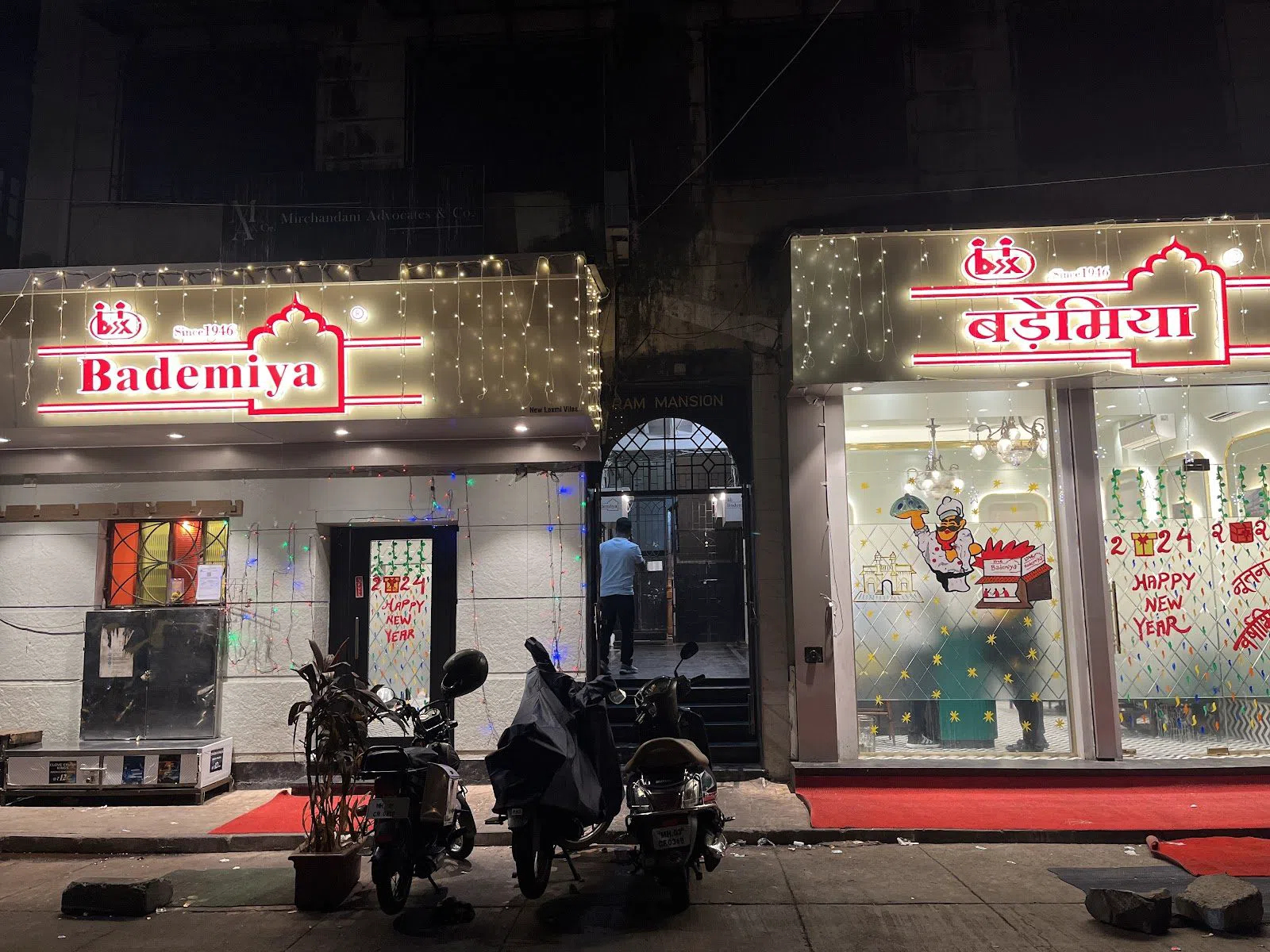
Bademiya (Tulloch Road, Colaba) has been grilling since 1946 and runs from midday to 3.30am, which makes it the default late dinner when the boat, the steps and the sun have eaten the evening. It is a standing-room street operation where groups eat off car bonnets; kebabs and rolls are ₹150-400. There is a sit-down branch on the same lane that takes bookings if standing is not on.
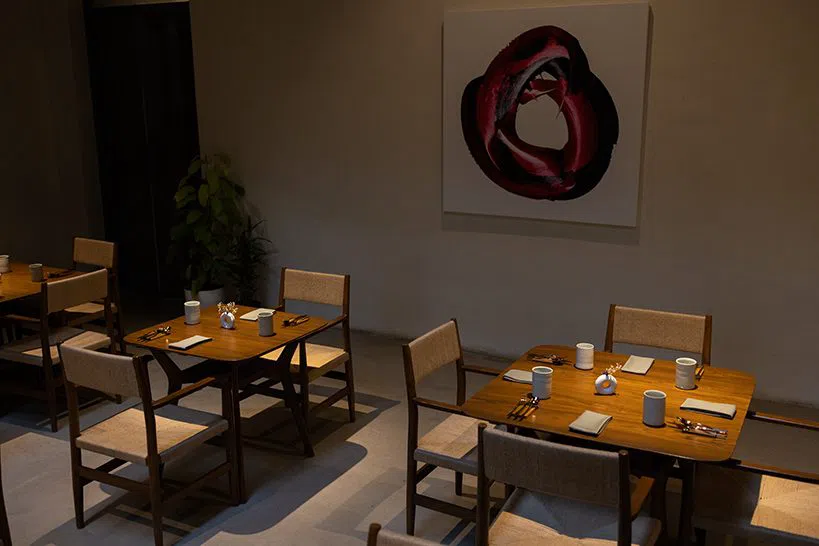
Ekaa (Fort) is the strongest fine-dining finish within walking distance of the Gateway: a ten-course modern Indian tasting menu around ₹4,500-4,800 per head, ranked on Asia's 50 Best Discovery list. Reservations are essential and often go weeks ahead. The menu suits four to six, not a large party, and it is emphatically not the place for a group arriving straight off the boat in sun hats and salt.
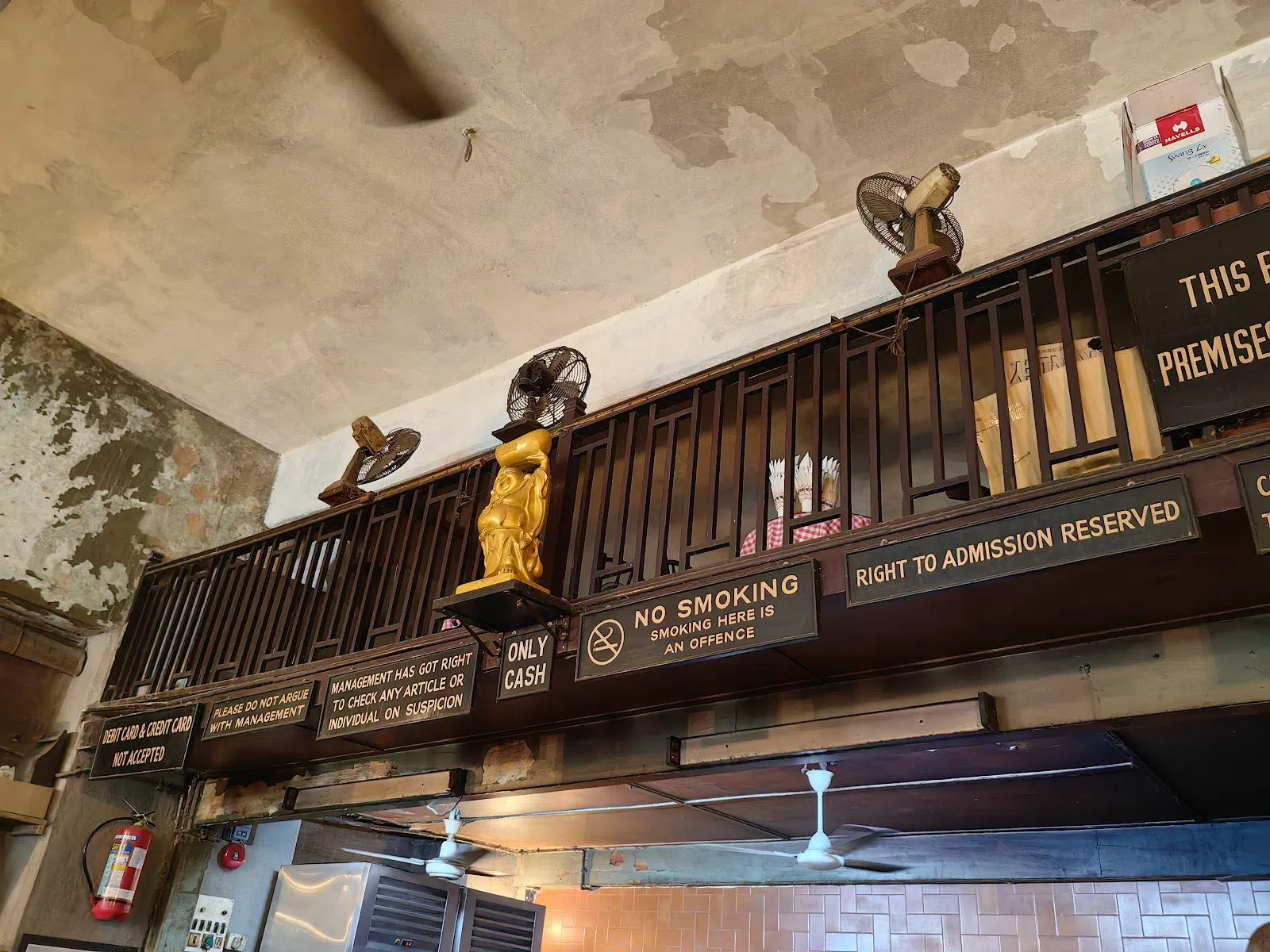
Britannia & Co. (Ballard Estate) has to be planned around rather than dropped into: lunch only, closed Sundays, walk-in only, communal tables, cash-friendly and no alcohol. Berry pulao is around ₹700-900 and is the reason people still queue at the door. Since it never overlaps with an Elephanta afternoon, give it its own day.
When your free day is a Monday
Caves shut, ferry shut, museum shut. Rebuild rather than force it. Start with coffee at Kala Ghoda Cafe, take a Khaki Tours walk through the Fort, have lunch at Britannia & Co. (Monday is one of its days), spend the afternoon at Jehangir Art Gallery, and end at Cafe Mondegar, which opens daily including Mondays. Then take the ferry on Tuesday morning at nine. It is a better trade than spending Monday at a locked jetty.
Practical notes
Aim to be at the Gateway plaza by 8.30am for the 9am launch; screening plus the ticket booth eats twenty minutes on a busy morning. Budget an hour out, two hours on the island, an hour back. Last return is 5.30pm and you do not want to test it.
Carry small notes. The ₹10 upper-deck fee, the ₹10 village toll and the ₹10 toy train are all cash transactions, and the stalls on the steps are cash-first. Restaurants and the hotel take cards; the island largely does not.
Everything on this list except the island sits inside a walkable triangle between Apollo Bunder, Colaba Causeway and Kala Ghoda, twenty minutes end to end on foot. Staying inside that triangle removes taxi time from a day that is already governed by a boat timetable, and the Mumbai hotel search covers the Colaba and Fort blocks that put you within walking distance of the jetty.
Two people doing this properly (ferry with upper deck, entry, toll, toy train, a guide split, breakfast and a good dinner) land somewhere between ₹4,000 and ₹9,000, depending entirely on where dinner happens. The caves themselves are the cheapest part of the day for Indian and SAARC nationals and still modest for everyone else.
Between June and September, check with the jetty on the morning itself. Rough seas and high-tide alerts cancel sailings at short notice, and no amount of planning outranks the harbour. For what to do with the days on either side of the crossing, the wider Mumbai guide fills in the rest of the city.
Before you go
How long does the Elephanta trip take from the Gateway of India?
Allow about five hours door to door. The crossing is roughly an hour each way, and two hours on the island is enough for the walk or toy train along the causeway, the 120 steps, and a proper hour inside the main cave. Taking the 9am launch puts you back at Apollo Bunder between one and two in the afternoon.
Can I book the Elephanta ferry in advance?
No. Tickets are sold first-come, first-served from booths on the jetty at the foot of the Gateway of India, with no advance booking from the Gateway end. A return is about ₹200 in economy and ₹260 in luxury class, plus ₹10 for the open upper deck. Launches seat around a hundred, so groups board together easily. Arrive by 8.30am to clear security and still make the first boat.
Are the Elephanta Caves open on Mondays?
No, and the ferry does not run either, so you spend a Monday on the mainland instead. The museum at Kala Ghoda is also shut. Jehangir Art Gallery (11am-7pm, free), Cafe Mondegar and Britannia & Co. for lunch are all open on Mondays, and a Khaki Tours walk fills the morning.
What does the day cost in total?
Cave entry is ₹600 for foreign nationals and ₹40 for Indian and SAARC nationals, plus a ₹10 village toll. Add roughly ₹210 for the return ferry with upper deck and ₹10 for the toy train. Two people doing the full day with breakfast, a shared guide and a good dinner typically spend between ₹4,000 and ₹9,000, depending almost entirely on the dinner.
How difficult is the climb up to the caves?
There are 120 uneven stone steps from the foot of the hill to the cave mouth, and nothing bypasses them: the toy train only covers the flat causeway from the jetty. They are hot by mid-morning and lined with stalls. Anyone who cannot manage a steady climb of that length with rests should know that before buying ferry tickets.