The Mumbai issue
Ganpati in Mumbai from the 5am Queue to Chowpatty
Mumbai's Ganeshotsav is eleven days, a dozen pandals and one immersion night. Here is how to plan it around the queues that are actually worth standing in.
By Aditi RaneThe city read by its facades
By early September the idol workshops in the Lalbaug back lanes are half empty, and what stood in them since June is out on a flatbed lorry, or under a canopy at the end of a lane, or in a housing-society lobby with a tubelight taped above it. Mumbai keeps Ganeshotsav for eleven days, 14 to 25 September in 2026, and for that stretch the city's timetable belongs to the street rather than the trains. Most of the planning comes down to queues: which ones are worth four hours of your day, and which ones you can walk straight into.
Start in Girgaon, where the public festival began
Ganesh Chaturthi was a household rite behind closed doors until 1893, when Bal Gangadhar Tilak encouraged Girgaon families to bring their idols into a shared courtyard, a legal way for people to assemble at a time when political gatherings were not. Keshavji Naik Chawl (Girgaon) is where that happened, and it has run every year since. It still refuses loudspeakers. The idol has stayed two feet tall for more than a century, carved by the same family of Girgaon murtikars. Entry is free, unticketed and walk-in, but the courtyard is domestic in scale and the etiquette is quiet, so come as a couple or a group of three or four rather than a party of twelve, and don't treat it as a photo stop. Half an hour standing at the back here will tell you more about what the festival actually is than a full day of the mega-pandals.
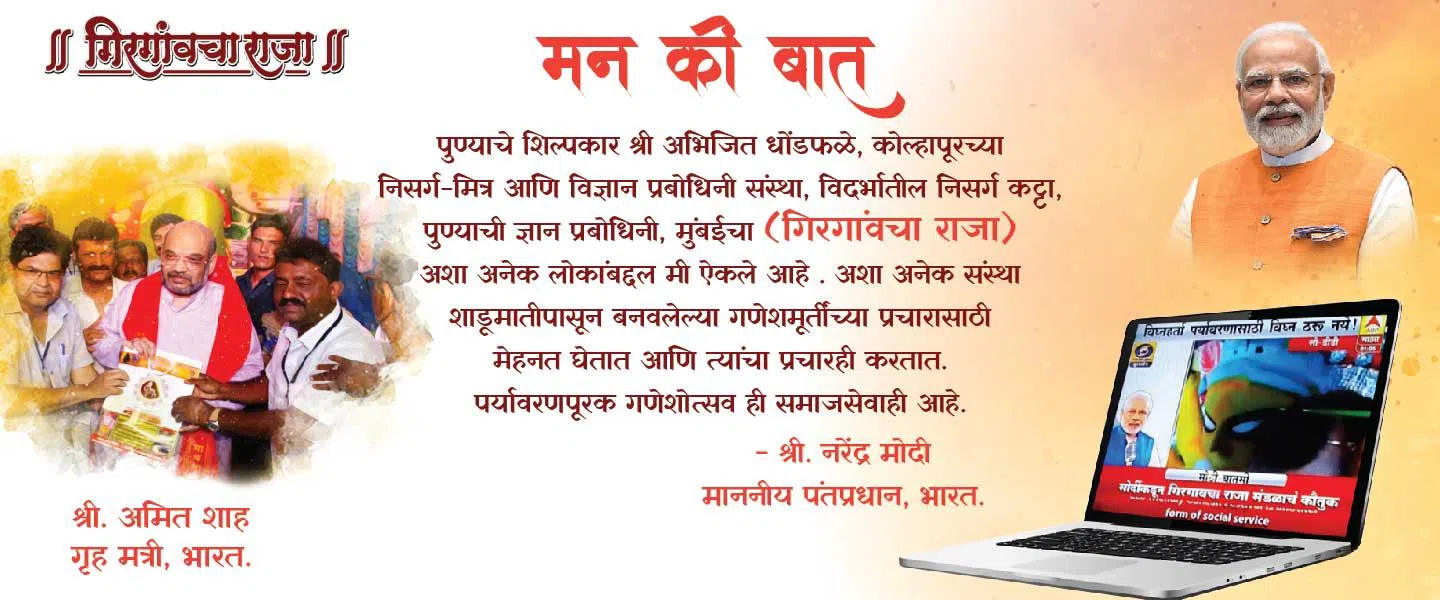
Ten minutes on foot, in the lanes north of it, stands Girgaoncha Raja (Nikadwari Lane, Girgaon), a mandal in its 99th year and certified by the World Records Book of India as the tallest idol made from shadu clay, the river clay that dissolves in water, unlike plaster of Paris. It is a useful counterpoint to the argument you will hear all week about what idols should be made of: the eco case built at full scale rather than as a gesture. Darshan is free, walk-in, and the queue is usually measured in minutes.
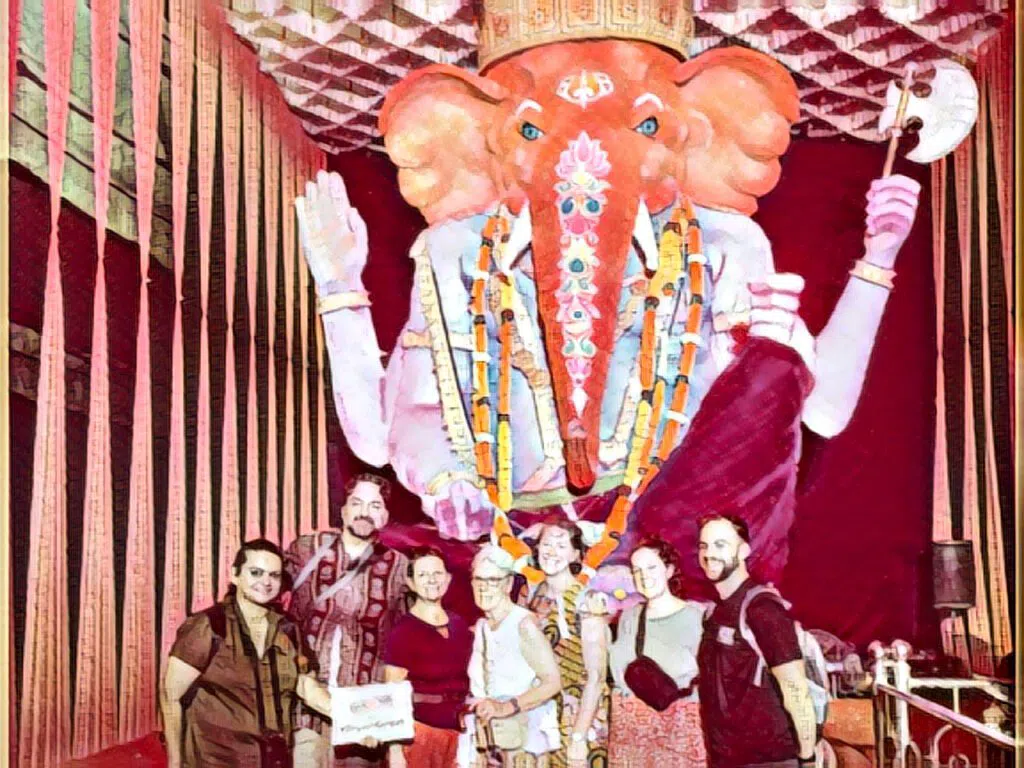
If you want the Girgaon story told properly, Khaki Tours runs the one paid walk worth taking during the festival. It begins at Phadke Wadi, in the streets where Tilak's public Ganeshotsav started, works through neighbourhood eco-friendly pandals rather than the giants, and ends with a box of modaks. Scheduled small-group departures sell out well before September; private group walks are bookable directly on +91 88281 00111. Reckon on roughly ₹1,000 to ₹1,800 per person and confirm the 2026 festival-walk price when you book.
End the morning at Panshikar Sweets (Girgaon), trading since 1921 and the city's reference point for ukadiche modak, the steamed rice-flour dumpling with coconut and jaggery that is the festival's real food, as opposed to the fried version sold all year. They run more than ten varieties, mawa and kesar and pista among them. Buy one plain steamed modak first; the flavoured ones are a distraction from a very good thing. Around ₹30 to ₹70 each, boxes from about ₹300. It is counter service with almost nowhere to sit, which is fine for a group as long as everyone accepts they are eating on the pavement. There are branches in Vile Parle and Ghatkopar if you are staying north.
Plan your Mumbai trip
Live prices from our booking partners.
Free cancellation on many rooms. We may earn a commission when you book.
The Lalbaug circuit and the arithmetic of the queue
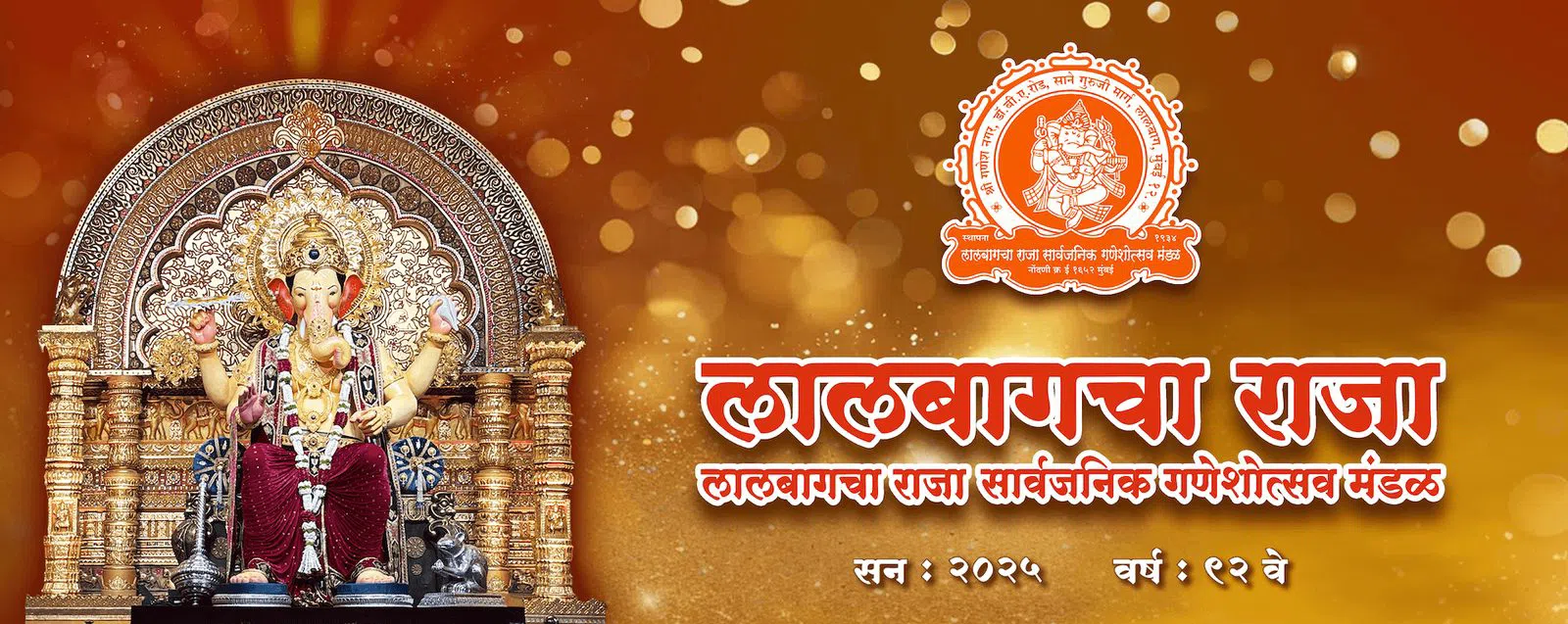
Lalbaugcha Raja (Lalbaug) is the one everybody means when they say Ganpati in Mumbai, and its official 2026 run is 14 to 25 September. Darshan is free and there is no booking, but there are two separate queues, and the difference between them is the difference between a morning and a two-day commitment. The Mukh Darshan line, for viewing from a distance, is the realistic option at roughly four to eight hours, and worse than twelve at weekends. The Navsachi line, which takes you to the feet of the idol, can run 25 to 40 hours; people bring food and take it in shifts. Treat it as a pilgrimage rather than a sightseeing stop. If you only have a day, go for Mukh Darshan between 5am and 8am on a weekday, or after 11pm. Groups are welcome but you will queue single-file for hours, phone signal drops out inside the corridor, and you will not be able to text each other back into formation, so agree a meeting point on the street before you join.
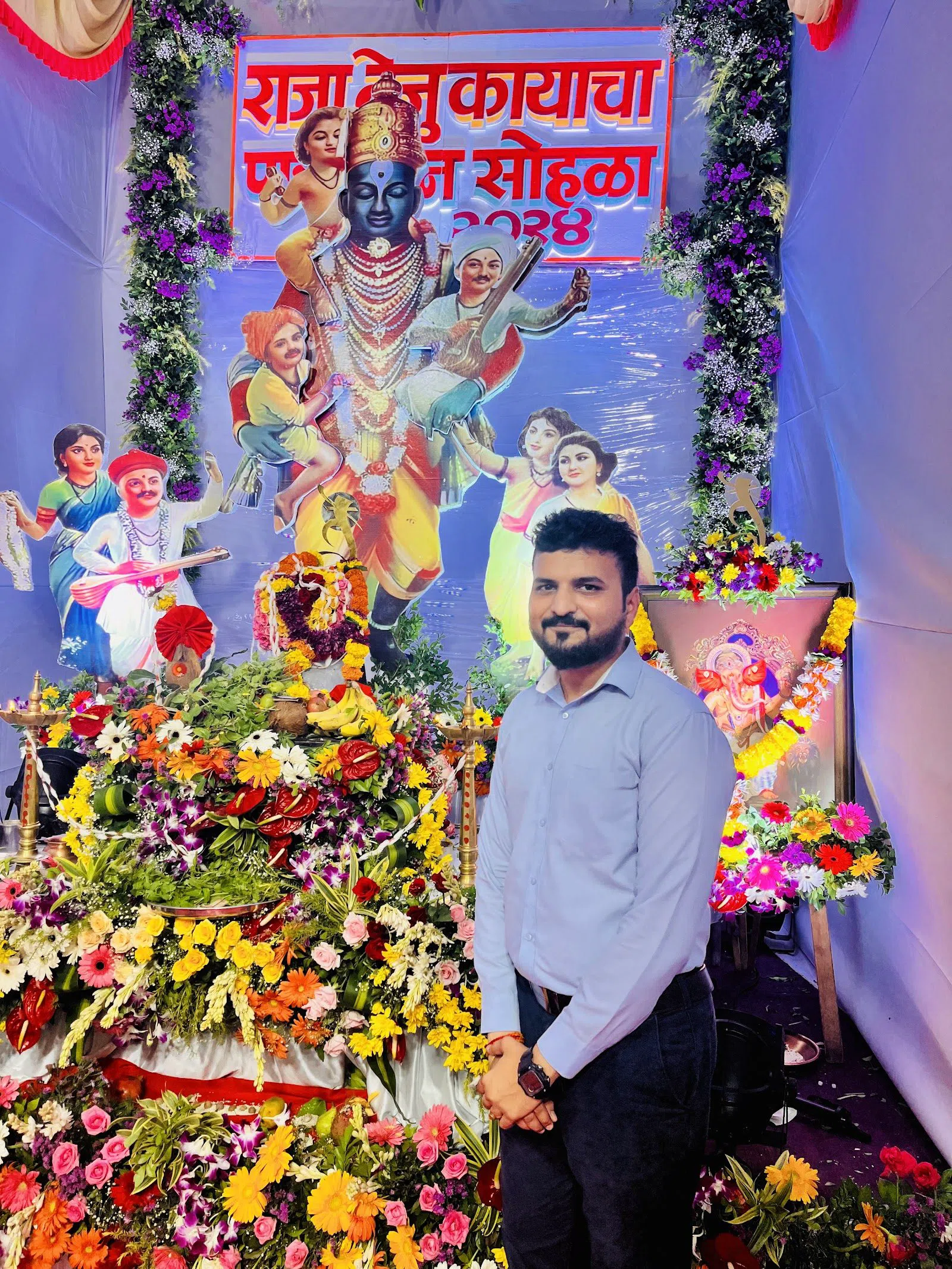
Five minutes' walk away is Mumbaicha Raja (Ganesh Galli, Lalbaug), founded in 1928 and marking its 99th festival in 2026 with a set called Vaishnavanchi Wari, built around Maharashtra's saint-poet pilgrimage tradition. The set-building, not the idol, is the reason to come: these mandals compete on craft, and this one usually wins. Its entrance is wider and handles groups better than its neighbour's, but the same lane feeds both, so arrive from the Currey Road side rather than trying to swim upstream from Lalbaug. Pair the two in a single visit; there is no sense in coming to this district twice.
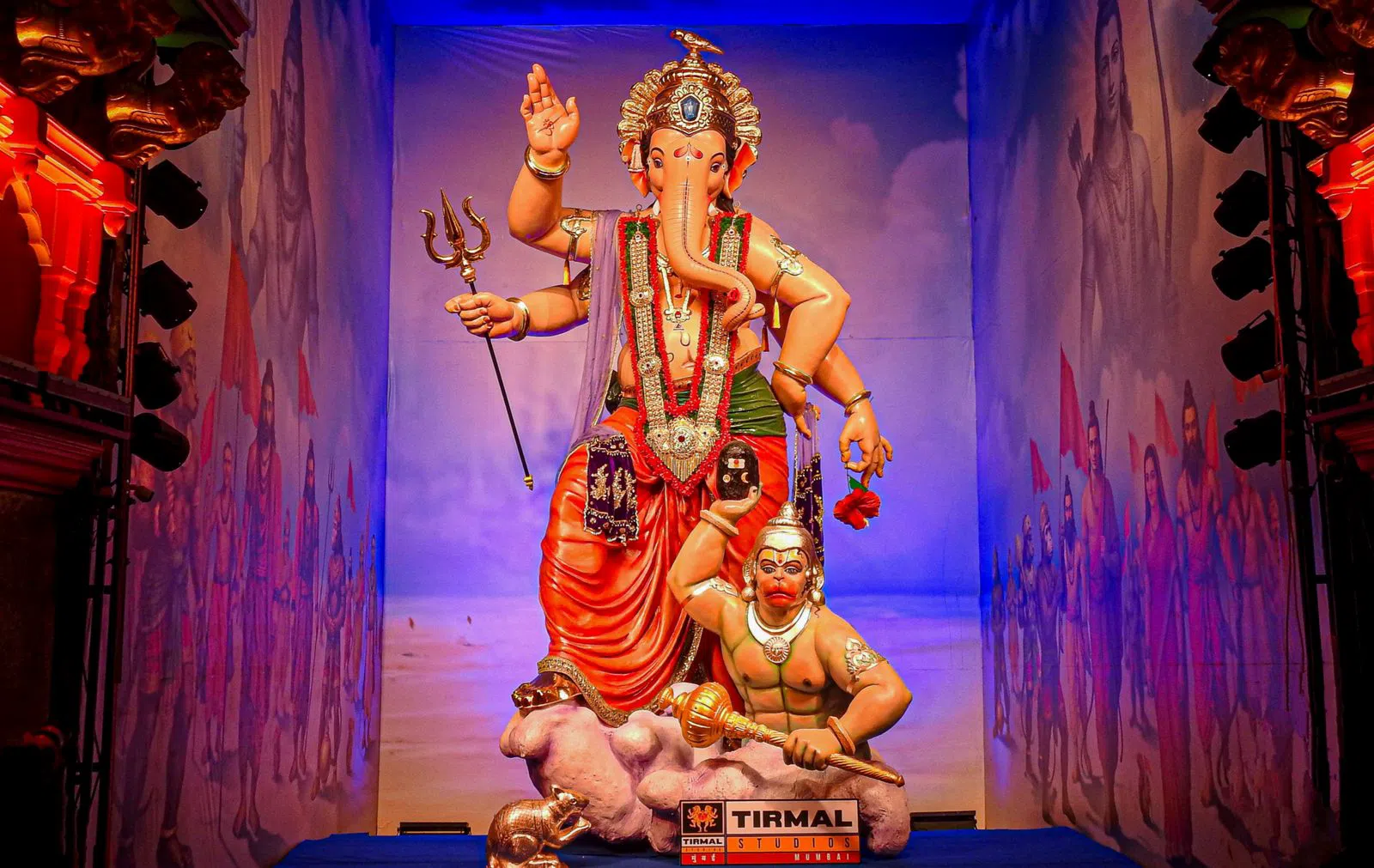
Chinchpoklicha Chintamani (Chinchpokli), established in 1920 and in its 107th year, takes a Tirumala-style South Indian temple form for its 2026 aagman set. Its arrival procession from the Parel railway workshop ground is the most-watched in the city and produces the single densest crowd of the whole festival. It is a spectacle, and a hard place to be if you have never stood in a crowd like that. The mandal live-streams the aagman on its own YouTube channel, which is the sane option for a group with anyone who does not want to be pressed shoulder to shoulder for three hours. Darshan itself, on ordinary days, is free and far calmer.
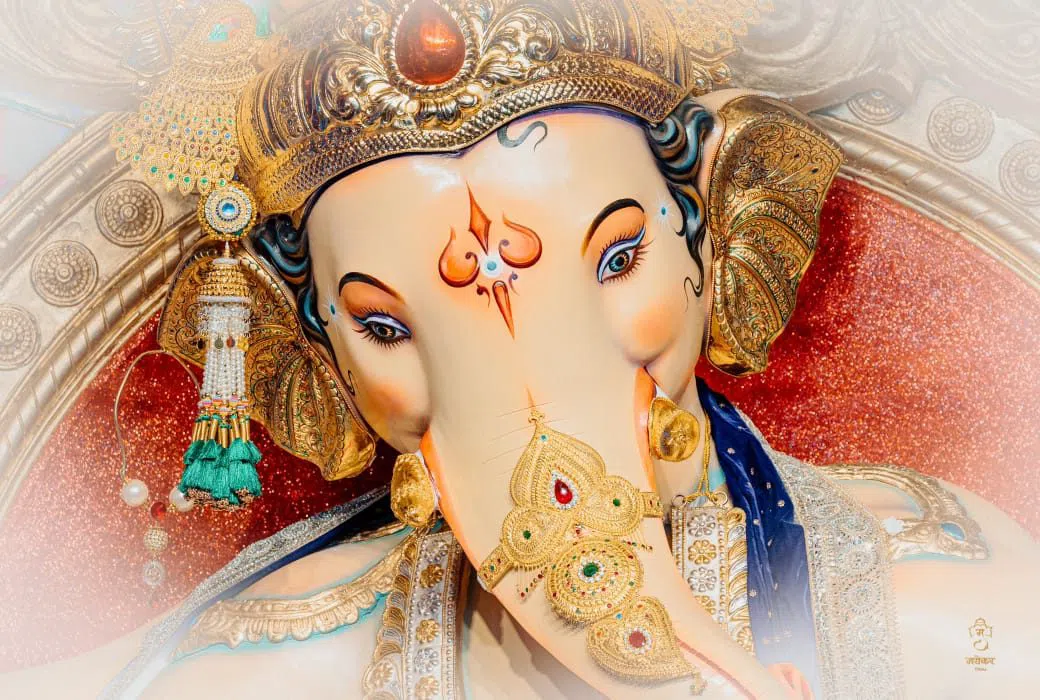
If the Lalbaug queues have already defeated you, walk to Tejukaya Sarvajanik Ganeshotsav Mandal (Lalbaug), founded in 1967 and Guinness-recognised since 2019 for the world's largest eco-friendly Ganesh idol. Queues here are noticeably shorter than at its neighbours, which makes it the sensible first stop for a group still finding its feet in the crowd. It is also the best way to stand in front of a genuinely enormous idol without giving up half a day, and the point about materials will register with anyone who has been following the plaster-of-Paris debate.
Five days only at King's Circle
GSB Seva Mandal (King's Circle) is Mumbai's richest pandal, insured in recent years for more than ₹470 crore, but the calendar matters more than the gold: it stands for five days only, 14 to 18 September 2026. If it is on your list, front-load it, because by the time you have worked through Lalbaug it will be gone. The dress code is strict, with no shorts, low-waist jeans or short T-shirts for anyone over twelve, and there is online slot booking with QR e-receipts, which is by some distance the most practical route for a group. Darshan is free; seva donations are accepted. The mandal runs a community kitchen that feeds thousands every day it stands, and watching that operation is part of the visit.
Khetwadi's numbered lanes, six mandals in two hours
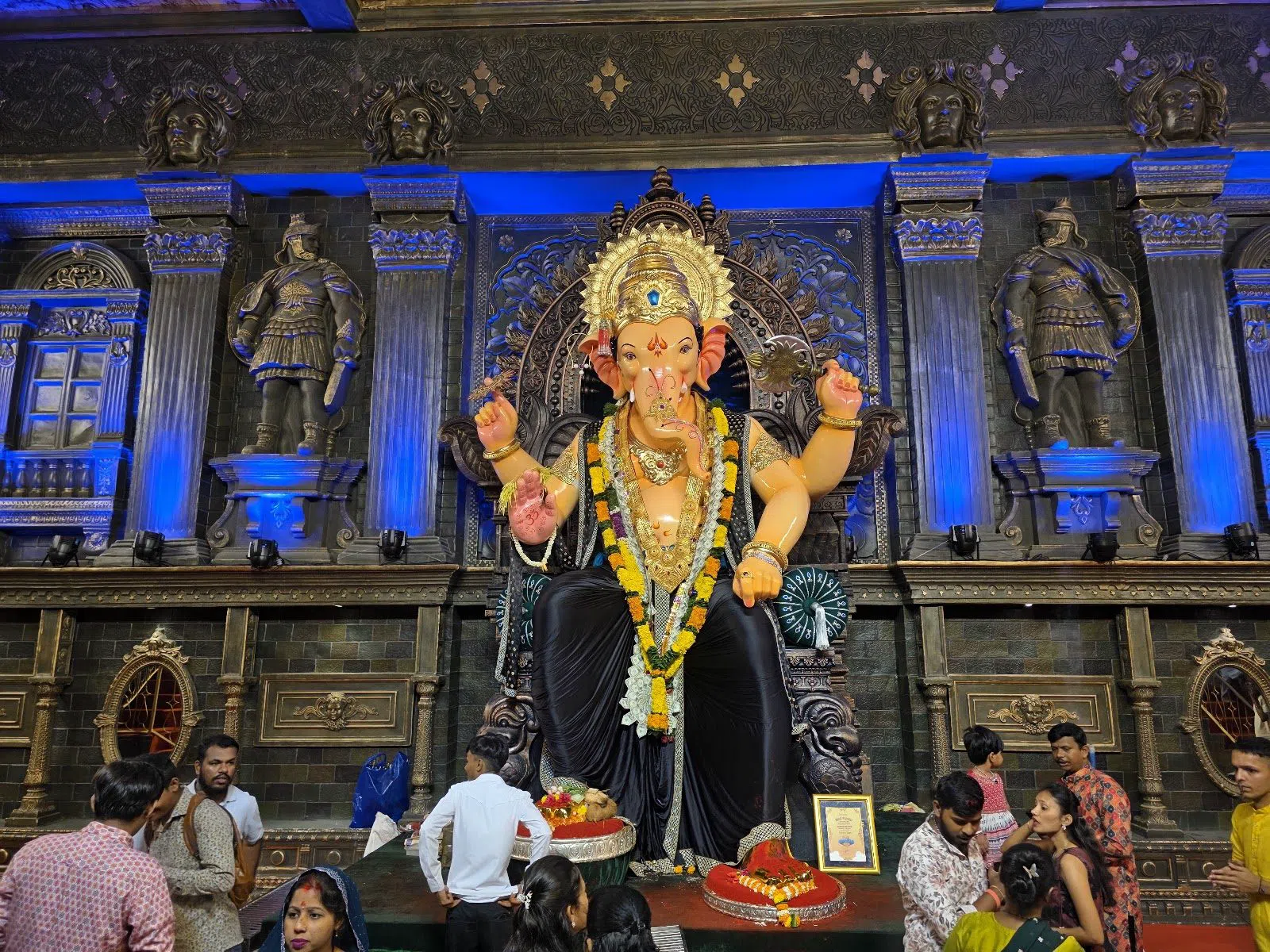
Khetwadicha Ganraj (Khetwadi 12th Lane) was founded in 1959 and is known for record-height idols and message-driven themes, but the reason to come to Khetwadi is the geography rather than any one mandal. Each of the numbered lanes running off the main road has its own mandal, so from Grant Road station you can walk five or six of them in two hours without queueing meaningfully for any. It is the best value per hour in the city, and the closest thing to seeing how the festival works as a neighbourhood institution rather than a destination. The lanes are narrow: keep a group in single file, move with the flow, and do not stop in the middle of a lane to take a picture, because the crowd behind you has nowhere to go.
If you are based in the south of the city
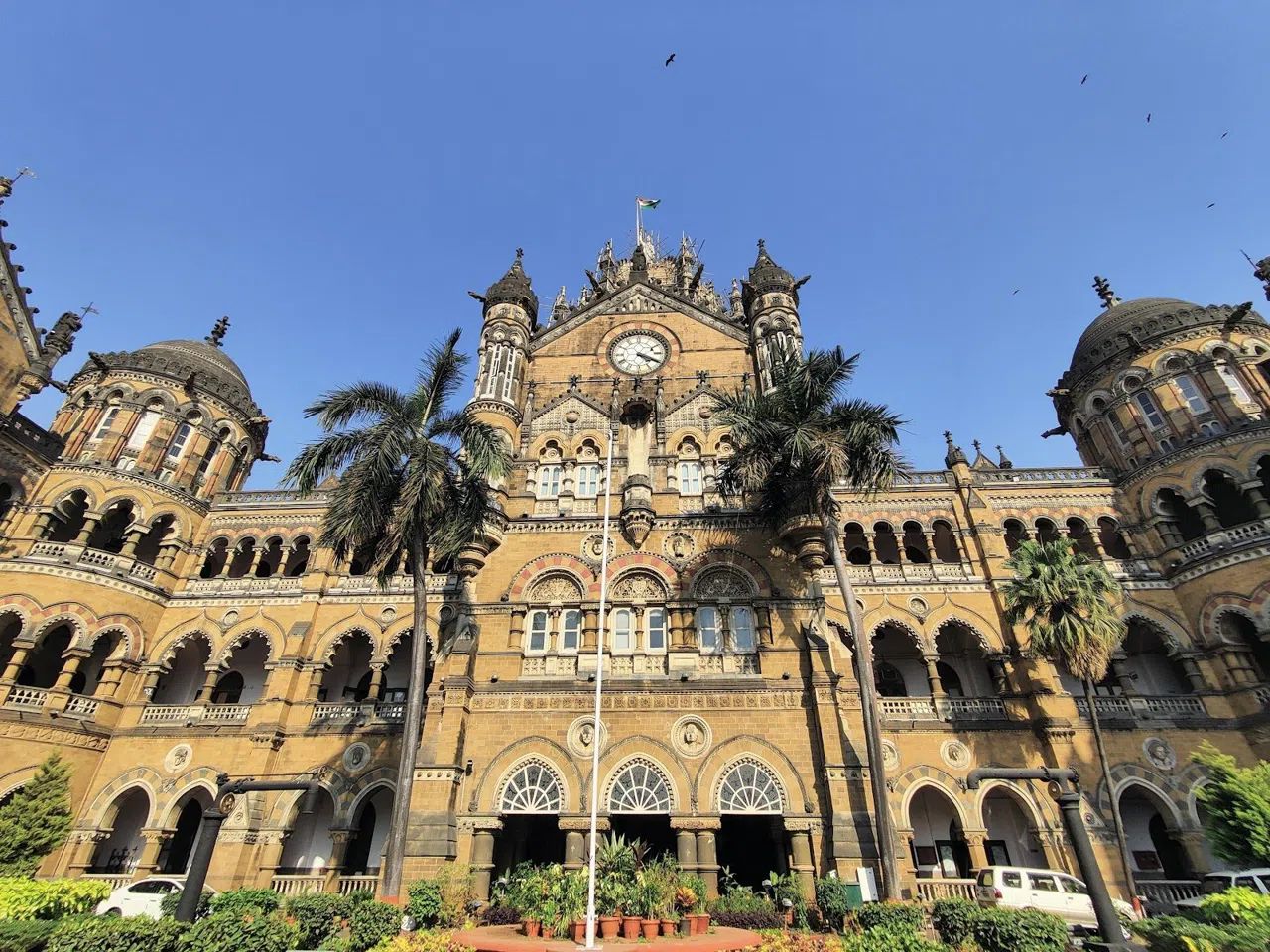
Staying in Colaba or Fort puts you a long way from Lalbaug in traffic terms but within walking distance of Fort Vibhag Sarvajanik Ganeshotsav Mandal (Fort), also called Fortcha Icchapurti, running since 1955. It is the most accessible major mandal for anyone in the South Mumbai hotel belt, walkable from CSMT and from Colaba, with comfortable queues and easy going for a group, and it works well as a warm-up the evening before you attempt the central-Mumbai circuit. If you are still deciding where to base yourself, the south and the Dadar to Lalbaug corridor are the two defensible choices; compare rates and walking distances on the Mumbai hotel search before you commit, because festival-week traffic will make any saving on location expensive in hours.
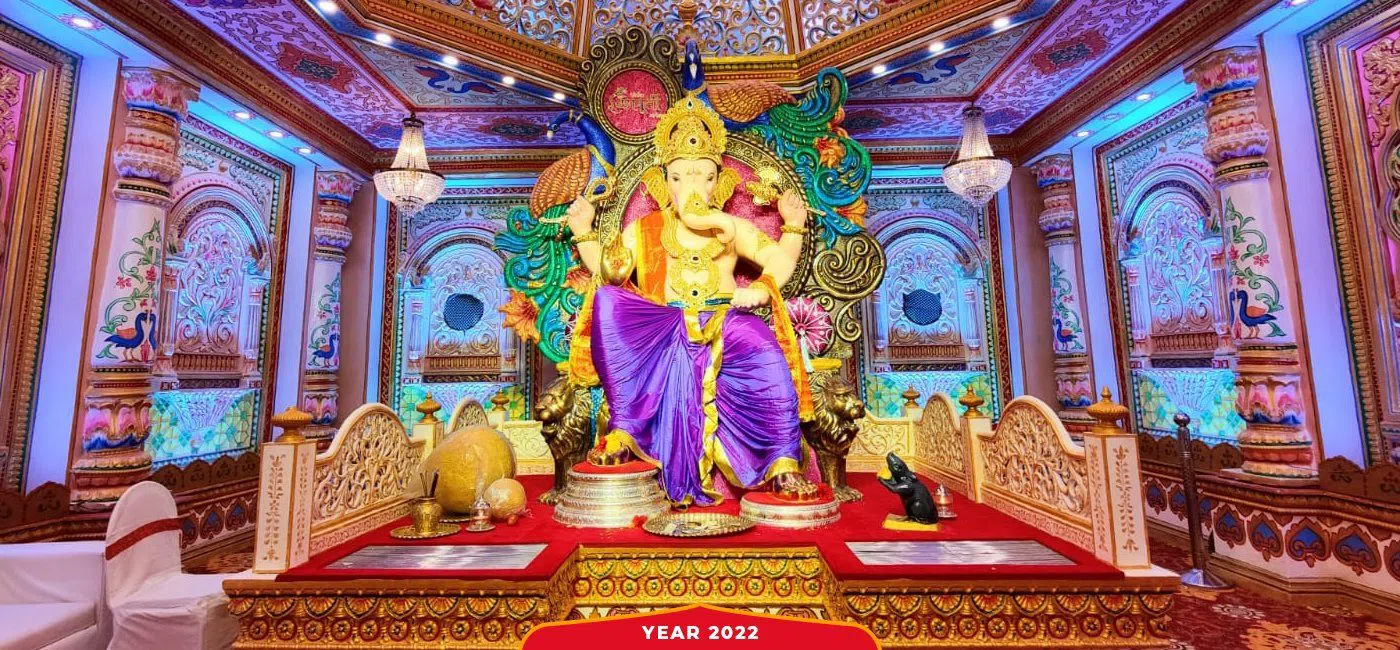
Shree Siddhivinayak Temple (Prabhadevi) is the permanent counterpart to all these temporary pandals, the place Mumbai goes on Tuesdays and on Angarki Sankashti throughout the year, not only in September. It opens around 5:30am most days and from roughly 3:15am on Tuesdays. Darshan is free with paid VIP and puja options, and pujas can be booked online; on festival days a group should use the online slot system rather than turning up hopefully. On Ganesh Chaturthi itself the temple runs almost round the clock and the queue is measured in hours, so go on any other day of the eleven and you will have a far better visit.
The suburbs, and the visarjan that happens after everyone leaves
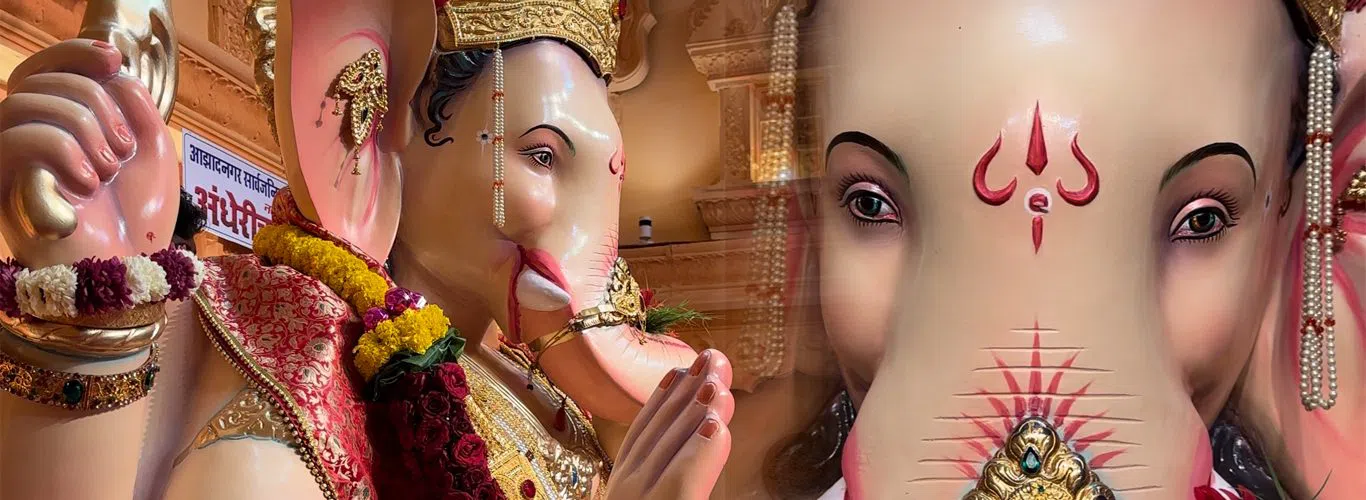
Andhericha Raja (Azad Nagar, Andheri) was established in 1966 by mill workers who had moved out of Lalbaug, and it is the defining mandal of the western suburbs. Practically, it is the easiest of the big pandals to do with a group: online darshan and pooja slots with QR e-receipts, a dress code matching King's Circle's, and a site with room to move. The quirk is worth planning around. It is not immersed on Anant Chaturdashi with everyone else but on Sankashti Chaturthi, five days later, which means a full-scale visarjan procession from Azad Nagar to Andheri Market to Seven Bungalows and down to Versova beach, after the rest of the city has packed up and gone back to work. It starts around 5pm and runs past dawn. If your dates run past the 25th, this is the immersion to see.
Immersion night at Chowpatty, and the quiet alternative
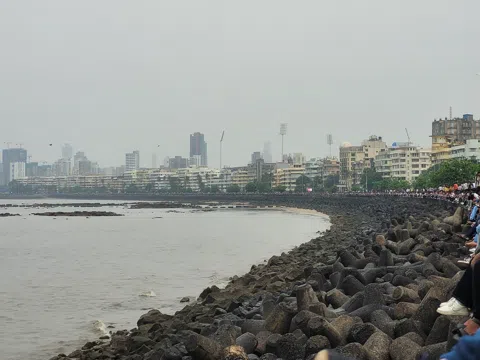
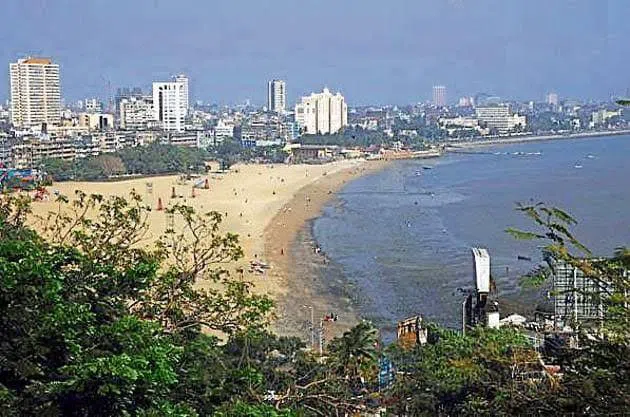
Anant Chaturdashi falls on Friday 25 September 2026, and Girgaon Chowpatty is its main stage. The largest mandals, Lalbaugcha Raja and Chinchpoklicha Chintamani among them, set off from their lanes around midday and do not reach the water until the small hours; the last idols go in after sunrise. Something like two million people pass through across the night. Access is free, but the police run one-way pedestrian routes and viewing pens, and they now use AI crowd monitoring and RFID tracking of the mandal floats here, which tells you what scale you are dealing with. Take a position by 10pm or don't bother. A group will be separated, so accept that in advance and fix a rendezvous somewhere well outside the cordon, not on the sand.
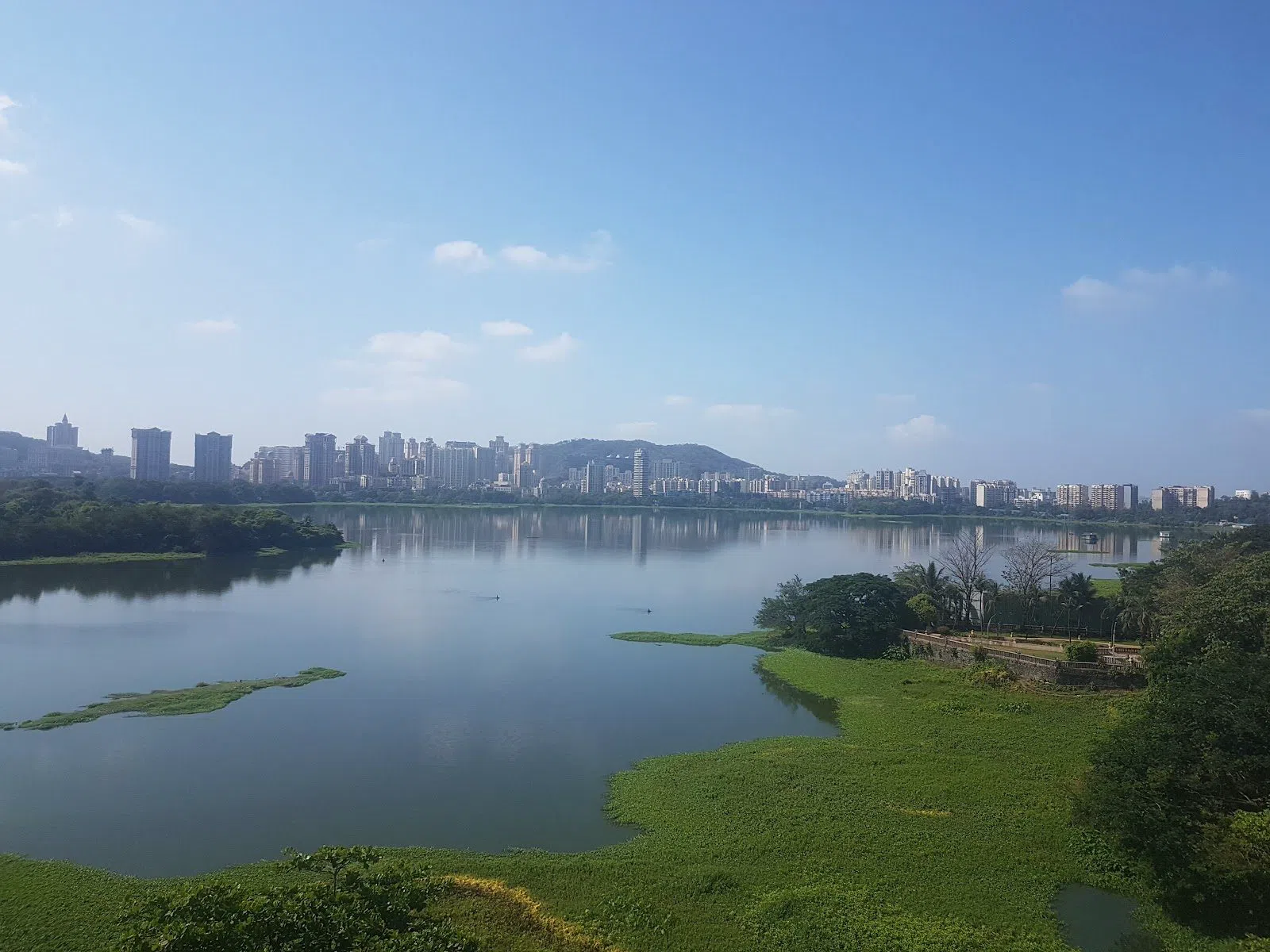
If that sounds like an ordeal rather than an experience, go to Powai Lake instead. Almost no large mandals come here, which is the entire point: you can watch families carry a two-foot household idol down to the water and say goodbye to it properly, at walking pace, with room to stand. It is the right call for anyone with small children or a low tolerance for crowds. Note the citywide rule while you watch: plaster-of-Paris idols up to six feet must be immersed in the BMC's artificial ponds, of which there were around 290 in the last cycle, rather than in natural water. Much of what goes into the lake, therefore, is clay.
Practical notes
Use the suburban trains and the metro, not taxis. From the 14th onwards, and catastrophically on the 25th, road traffic in the triangle of Lalbaug, Chinchpokli and Parel stops moving; Currey Road, Chinchpokli and Lower Parel stations put you within a ten-minute walk of everything on the central circuit, and Grant Road serves Khetwadi. Charni Road is the station for Girgaon and Chowpatty. On immersion night many roads are closed outright and ride-hailing will either refuse the trip or price it absurdly.
Carry cash in small notes. Pandal darshan is free everywhere on this list, but modaks, prasad stalls, chai and the small mandal donations that you will want to make are all cash, and UPI queues at busy counters are slow. Budget the festival itself at close to nothing: the only fixed costs are the Khaki Tours walk at roughly ₹1,000 to ₹1,800 per person and whatever you spend at Panshikar.
Dress for the dress codes and for the weather. King's Circle and Andheri both turn away shorts and short T-shirts on anyone over twelve, so pack one set of long, covered clothes and use it for pandal days. September is the tail of the monsoon: expect heavy rain, wear sandals you can walk wet in, and carry a small towel rather than an umbrella, which is unusable in a packed lane. Keep your phone charged and don't rely on it inside the queues, where signal disappears.
On timing: front-load King's Circle before the 18th, do Lalbaug at 5am on a weekday, keep Khetwadi and Fort as flexible fillers, and decide by the 24th whether you want Chowpatty's two million or Powai's few hundred. For where to eat and what else the city is doing around the festival, the Mumbai guide covers the rest of the eleven days.
Before you go
What are the Ganeshotsav 2026 dates in Mumbai?
The festival runs 14 to 25 September 2026, and Anant Chaturdashi, the main immersion day, falls on Friday 25 September. Lalbaugcha Raja's official run covers the full eleven days. Two exceptions matter for planning: GSB Seva Mandal at King's Circle stands for five days only, 14 to 18 September, and Andhericha Raja is immersed on Sankashti Chaturthi, five days after everyone else.
How long is the queue at Lalbaugcha Raja, and can I skip it?
There is no way to skip the queue. Mukh Darshan, which views the idol from a distance, runs roughly four to eight hours, and worse than twelve at weekends. The Navsachi queue, which takes you to the idol's feet, can run 25 to 40 hours. Timing is the only thing you control: join Mukh Darshan between 5am and 8am on a weekday, or after 11pm, and avoid Saturdays and Sundays entirely.
Which pandals can I book online?
GSB Seva Mandal at King's Circle and Andhericha Raja both run online slot booking with QR e-receipts, and both enforce a dress code: no shorts, low-waist jeans or short T-shirts for anyone over twelve. Siddhivinayak takes online puja bookings too. Everything else on this list is free, unticketed walk-in, including all the Lalbaug mandals.
Where should I watch the visarjan if I don't want to be in a crowd of two million?
Powai Lake. Very few mandals immerse there, so household idols come down at walking pace and there is room to stand, which is what you want with small children. Girgaon Chowpatty is the spectacle, but it means arriving by 10pm, one-way police routes, and being separated from anyone you came with.
Which area of Mumbai is best to stay in during Ganeshotsav?
Either the Colaba to Fort belt or the Dadar to Lalbaug corridor. Fort puts you within walking distance of Fortcha Icchapurti and Girgaon Chowpatty but a long, slow road journey from the big central mandals; staying nearer Lalbaug reverses that. Whichever you choose, plan to move by suburban train and metro rather than taxi, because roads around Lalbaug stop moving from the 14th.