The Mumbai issue
Two Days in Mumbai on Trains, Ferries and Foot
A car-free weekend route through Mumbai built on the suburban railway, the Elephanta ferry and about fifteen kilometres of walking, with real timings, fares and door policies.
By Aditi RaneThe city read by its facades
The suburban railway is the fastest thing on this island for most of the working day, and the oldest quarter of Mumbai is small enough to cross on foot before lunch. Almost everything worth two days sits on a line, on a ferry route, or within a twenty-minute walk of one. A hired car would spend the weekend stationary, and you would spend it watching the meter.
Where to stay and how the trains actually work
Stay south. Colaba, Fort, Churchgate and Marine Lines put day one entirely within walking distance and leave you at the head of two of the three railway lines, which is worth more than any view from a higher floor further north. Rooms in this stretch go from hostel dormitories up to the old harbour-front grande dames, and the Mumbai hotel search will show you the spread; if the area matters more to you than the property, the wider Mumbai guide breaks the city down district by district.
Three lines do the work. The Western line runs north from Churchgate through Marine Lines, Charni Road, Mahalaxmi, Lower Parel and Bandra. The Central line runs north from Chhatrapati Shivaji Maharaj Terminus (CSMT) in Fort through Byculla and Dadar. The Harbour line links the two and reaches Mahim. Buy a paper ticket at the counter window or use the UTS mobile app, and keep it until you leave the station, because inspectors do check. First class costs several times second class and buys you space, not speed. Avoid northbound trains between roughly 08:00 and 11:00 and southbound ones from 17:00 onwards, when the crowding lives up to its reputation. Women travelling alone or in pairs should use the ladies' compartments, which are marked on the platform and are calmer at every hour.
Autorickshaws are not permitted in the southern half of the island. Below Mahim and Sion you use the black-and-yellow taxis or an app cab; north of there, the autos are cheaper and faster than anything else for a two-kilometre hop.
Plan your Mumbai trip
Live prices from our booking partners.
Free cancellation on many rooms. We may earn a commission when you book.
Day one begins at 05:30 on a working dock
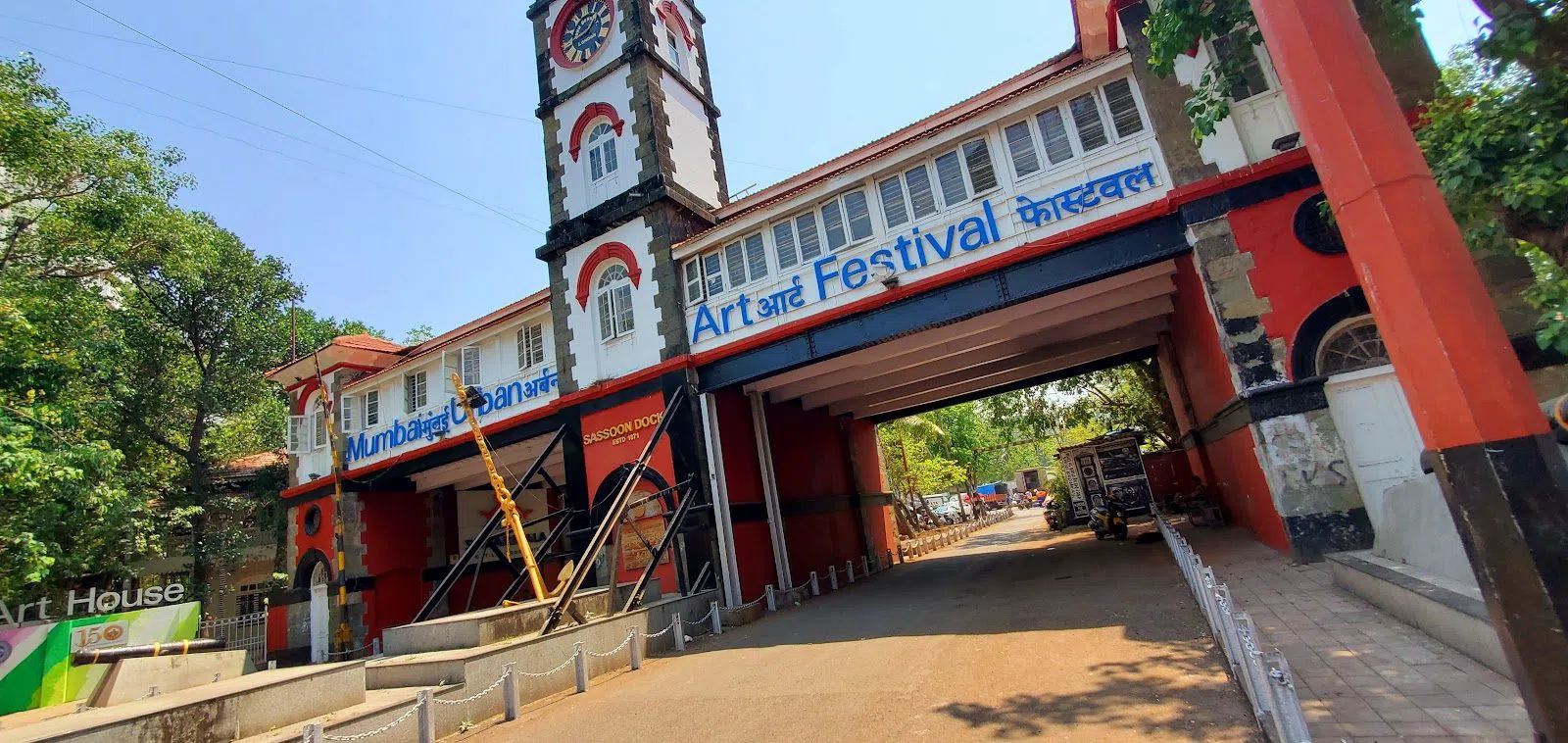
Set an alarm for five. Sassoon Dock in Colaba is a ten-minute walk south of Colaba Causeway, and between 05:30 and 07:30 the trawlers come in and the auction floor fills with ice, crates and shouted prices. It has been a working fish dock since the 1870s, built by the Sassoon family when this was the deep-water edge of the city, and it still runs as a workplace. There is no gate and no fee. Keep your party to two or three people, stay clear of the auction floor, and ask before photographing anyone at close range. Some areas restrict cameras outright, and any organised commercial shoot needs dock permission in advance. Wear shoes you are willing to rinse.
This is the single best hour of the trip for a couple or a pair of friends and the worst possible outing for a group of eight. If you are travelling as a large party, send the two early risers and let everyone else meet you at breakfast.
Breakfast at Dhobi Talao and a museum morning
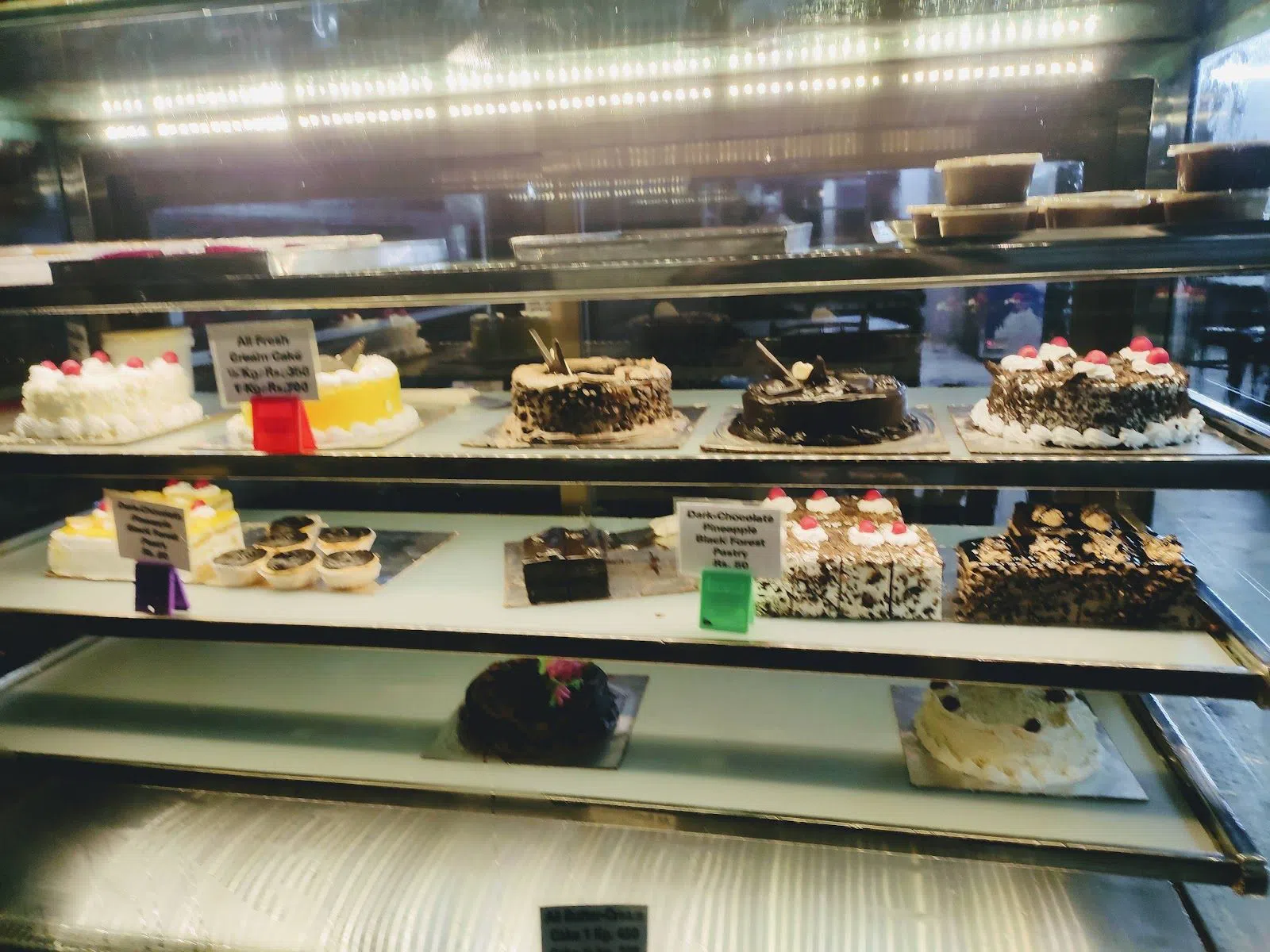
Walk or take a taxi north to Kyani & Co. at Dhobi Talao, a few minutes from Marine Lines station and the best-preserved Irani café still trading in the city. Bun maska, Irani chai and a slice of mawa cake is the correct order and costs ₹300 to ₹500 for two. It is walk-in only, and the tables are small, so a group of six will be split across the room, which nobody there minds. Go before nine if you want to sit rather than hover.
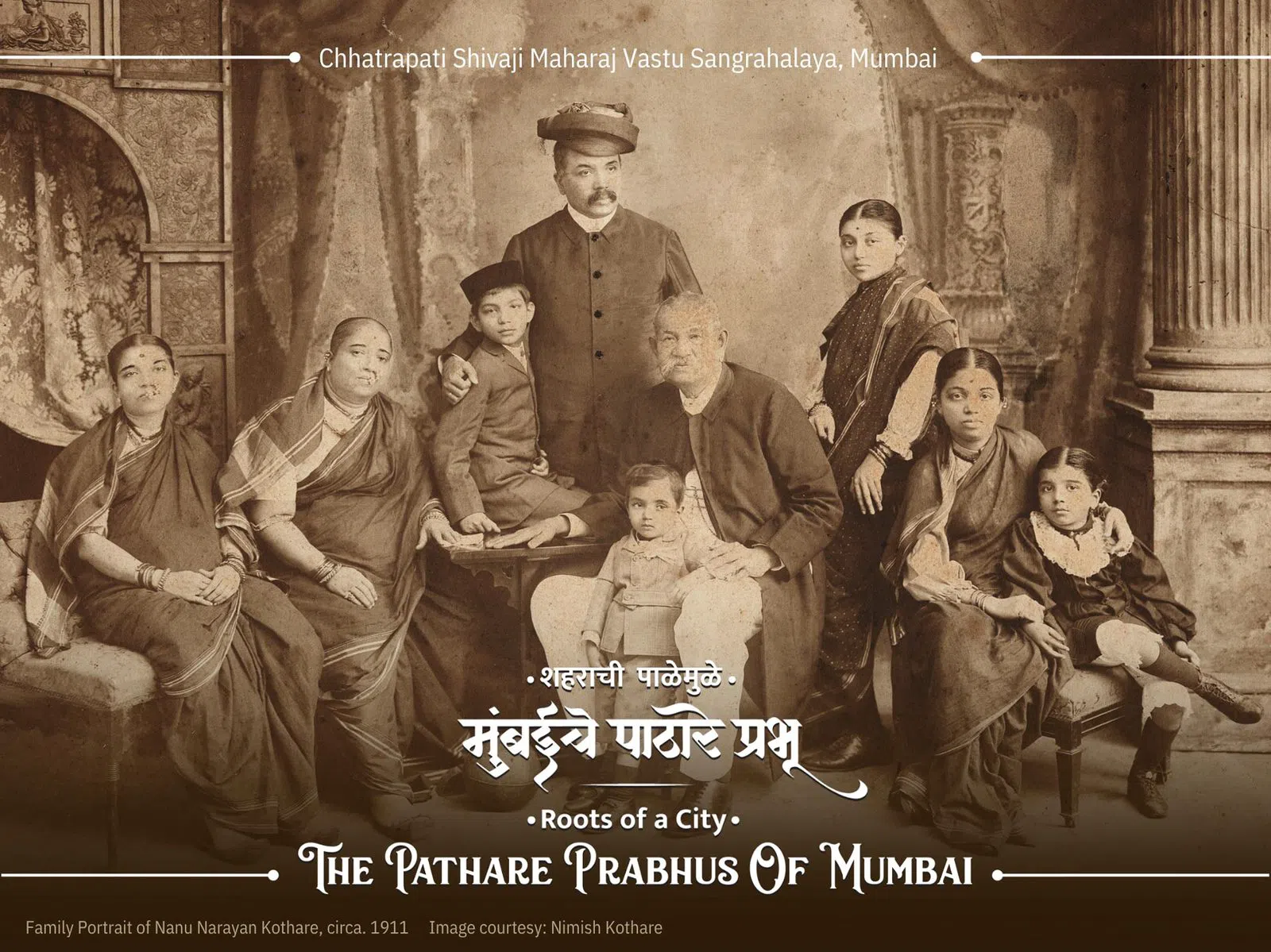
From there it is a short walk south into Kala Ghoda for Chhatrapati Shivaji Maharaj Vastu Sangrahalaya (CSMVS) in Fort, which opens at 10:15. The foreign adult ticket is ₹700 and includes the audio guide, which is the reason to arrive as a group without hiring anyone: everyone self-paces through the Indian miniatures, the Gandharan sculpture and the natural-history galleries and reconvenes under the dome. Children pay ₹200; Indian nationals pay considerably less. The counter closes at 17:45 and the museum runs daily, which makes it the one indoor anchor to hold in reserve for a humid or wet afternoon. Kala Ghoda's commercial galleries are three minutes away if the mood holds.
A Parsi lunch and the station that anchors everything
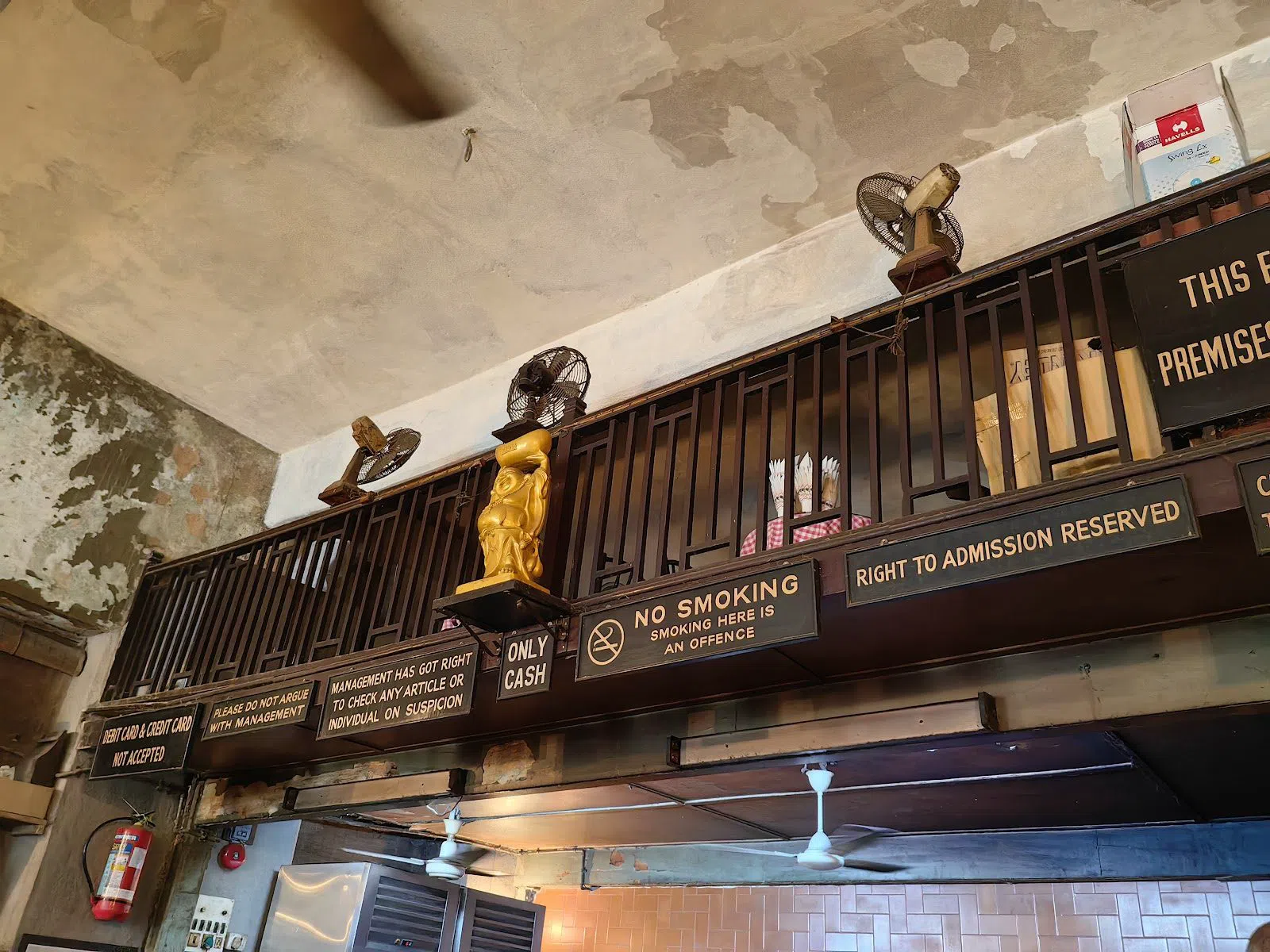
Aim to be at Britannia & Co. in Ballard Estate on the early side of the lunch rush. The berry pulao with mutton (rice, fried onions, and the dried barberries the founding family imported) is the reason to come, and roughly ₹1,000 feeds two. There are no reservations, the tables are shared, and any party above six will either wait or split up. Hours vary by listing and the long-standing practice has been lunch only, Monday to Saturday, cash preferred. Call the day before instead of turning up on faith; this is the last of the great Parsi rooms in the district and it keeps its own hours.
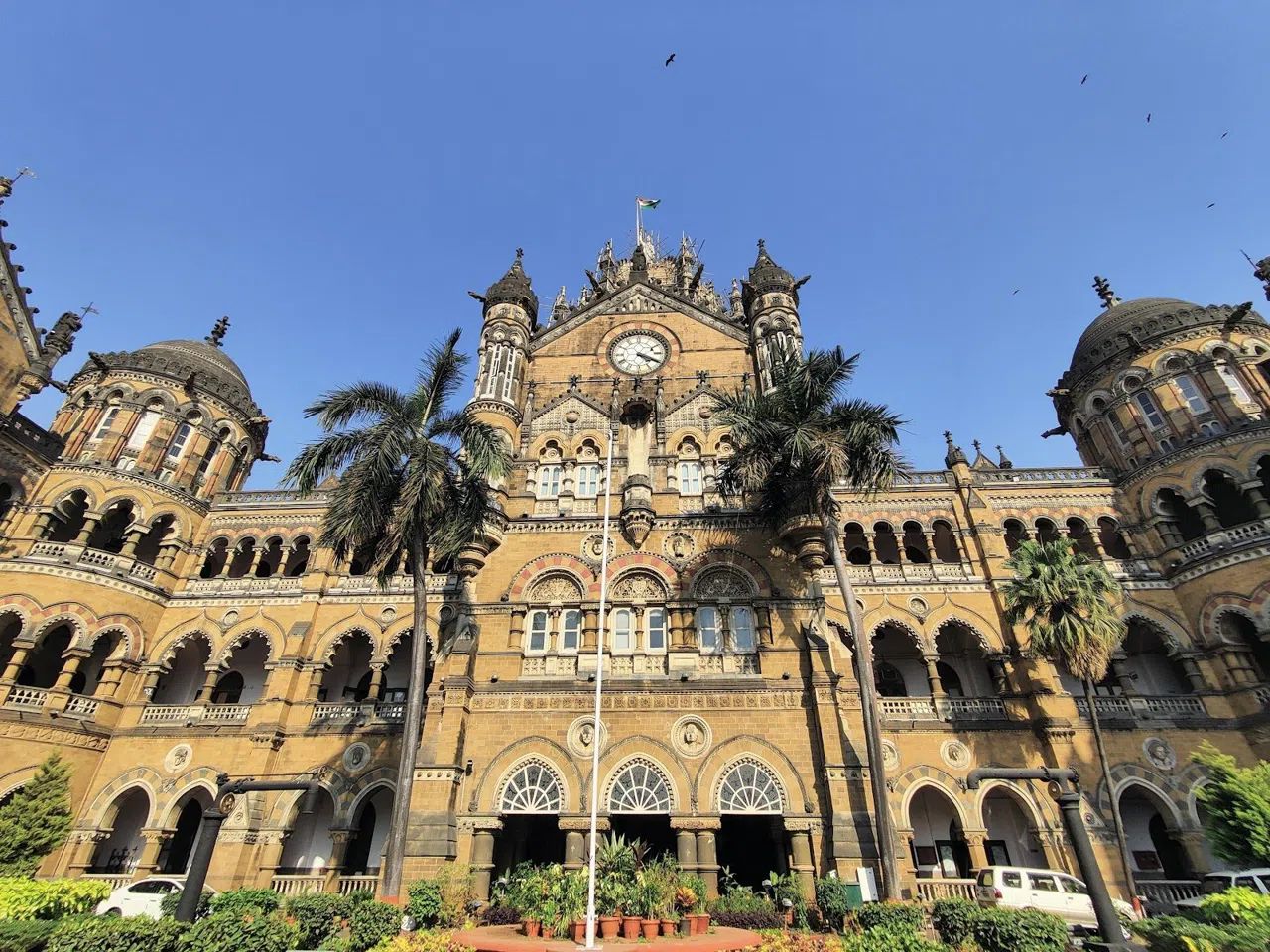
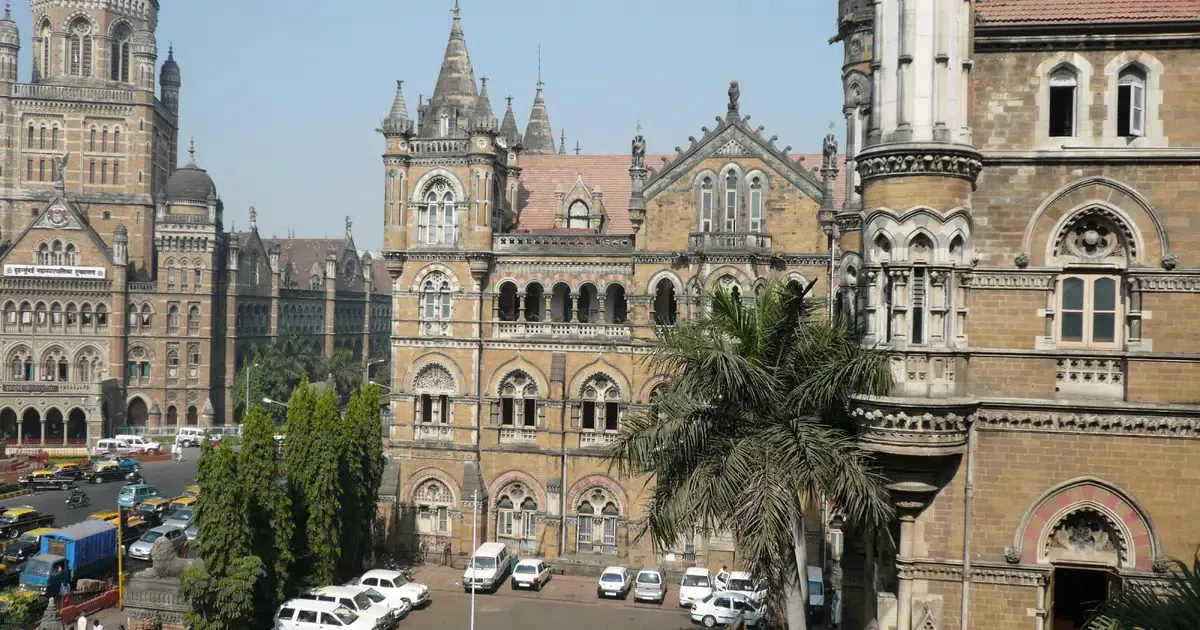
Ballard Estate's Edwardian street grid delivers you to CSMT in about ten minutes on foot. The station was completed in 1888, took a decade to build, and is both a UNESCO monument and the practical centre of any car-free trip, because the Central line begins here. The public concourse is free and open, so you can stand under the ribbed vault and watch fifteen suburban services arrive in the time it takes to drink a coffee. The heritage tour of the star chamber, the grand staircase and the railway museum runs on select days for a nominal fee; ask at the station heritage office, not online. For the photograph, come back after dark and shoot from the traffic island opposite, when the façade is lit.
The Fort on foot at 16:30
Khaki Tours, which runs its walks across Fort and the rest of the old city, covers 500 years in two kilometres over two and a half hours on its Fort Walk, and it goes at 16:30 daily. Tickets are ₹699 to ₹999 per person for the scheduled public walks; private walks for a whole party are quoted on request. The guides are Mumbai residents, not licensed generalists, and it shows in what they choose to stop at: the fortification lines that no longer exist, the reclamations that made the ground you are standing on, the buildings that changed hands three times.
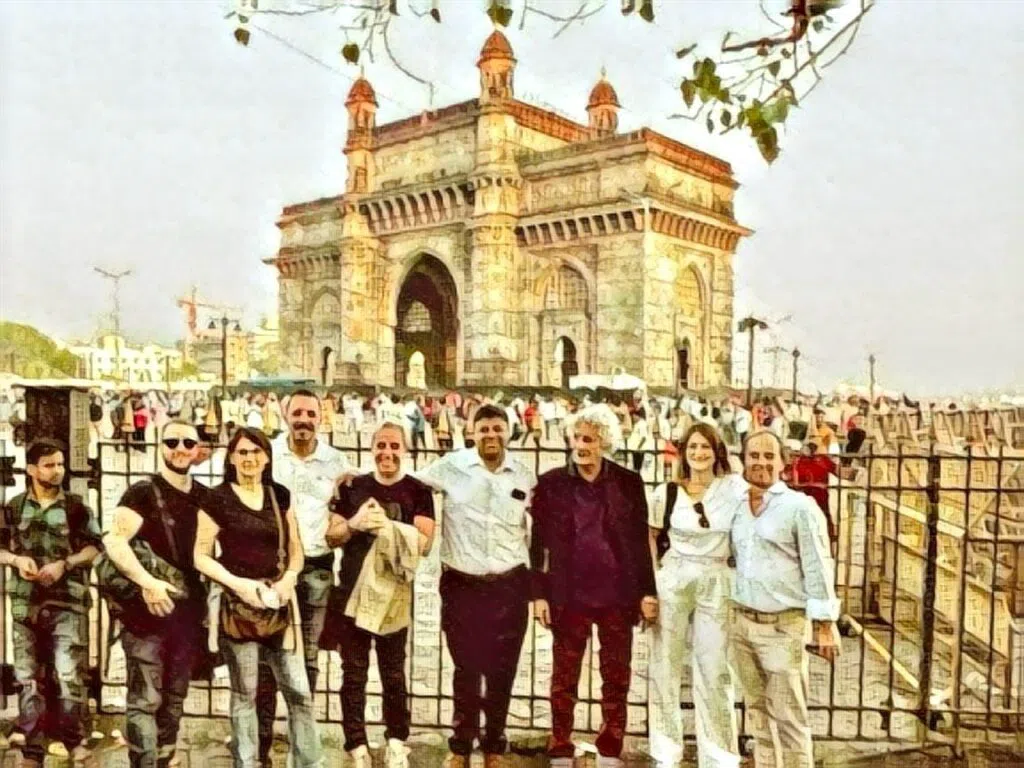
The 16:30 start is deliberate. So is the 21:30 night edition on Fridays and Saturdays, which is the humane option in Mumbai heat and the better choice if you arrive on a Friday afternoon and want the day to start rather than end. Large groups are welcome here; this is the one operator in the city built for booking a whole party at once.
Marine Drive after dark
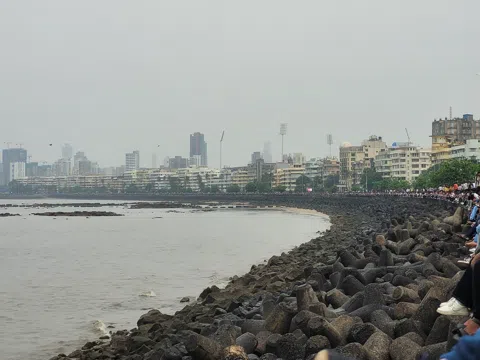
The walk ends within reach of Marine Drive and Girgaum Chowpatty in the crescent between Nariman Point and Malabar Hill, and there is no ticket, no closing time and no limit on how many of you turn up. Walk it south to north, starting at the Nariman Point end with the Art Deco frontage on your right and the tetrapods on your left. The 'Queen's Necklace' effect, the curve of streetlights reading as a single strand, only works after dark and from an elevated angle, so do not expect it at eye level from the parapet.
Finish at Chowpatty, where the bhelpuri and sev puri stalls at the north end feed a crowd for ₹50 to ₹150 a head and stay open late. Marine Lines and Charni Road stations bracket the strip, so the walk back is a five-rupee problem rather than a taxi negotiation.
If you would rather sit down, the Royal Opera House Mumbai at Girgaum is ten minutes' walk from Charni Road station and is the only surviving opera house in India, restored well enough to win a UNESCO Award of Distinction. Guided heritage tours cost ₹100 to ₹300 and run Tuesday to Sunday for booked groups; performance tickets vary by show and the 575-seat house takes block bookings through the box office. It is closed on Mondays, which matters if that is the night you arrive.

Day two runs north through Dharavi

Book Reality Tours & Travel ahead. Its Dharavi walk meets at either Churchgate or Mahim station, so it slots straight into a train-based morning. Shared tours are capped at six people at ₹1,450 to ₹1,700 per person; private tours take larger parties at ₹1,450 to ₹6,400 per person depending on numbers, and the operator will move the start time and meeting point on request. Eighty per cent of profits go to its NGO, Reality Gives, which is why this sets the ethical benchmark in a category that often falls short of one. No photography is permitted inside the settlement. The tour shows you the recycling workshops and the leather and pottery trades, and you walk narrow lanes in single file.
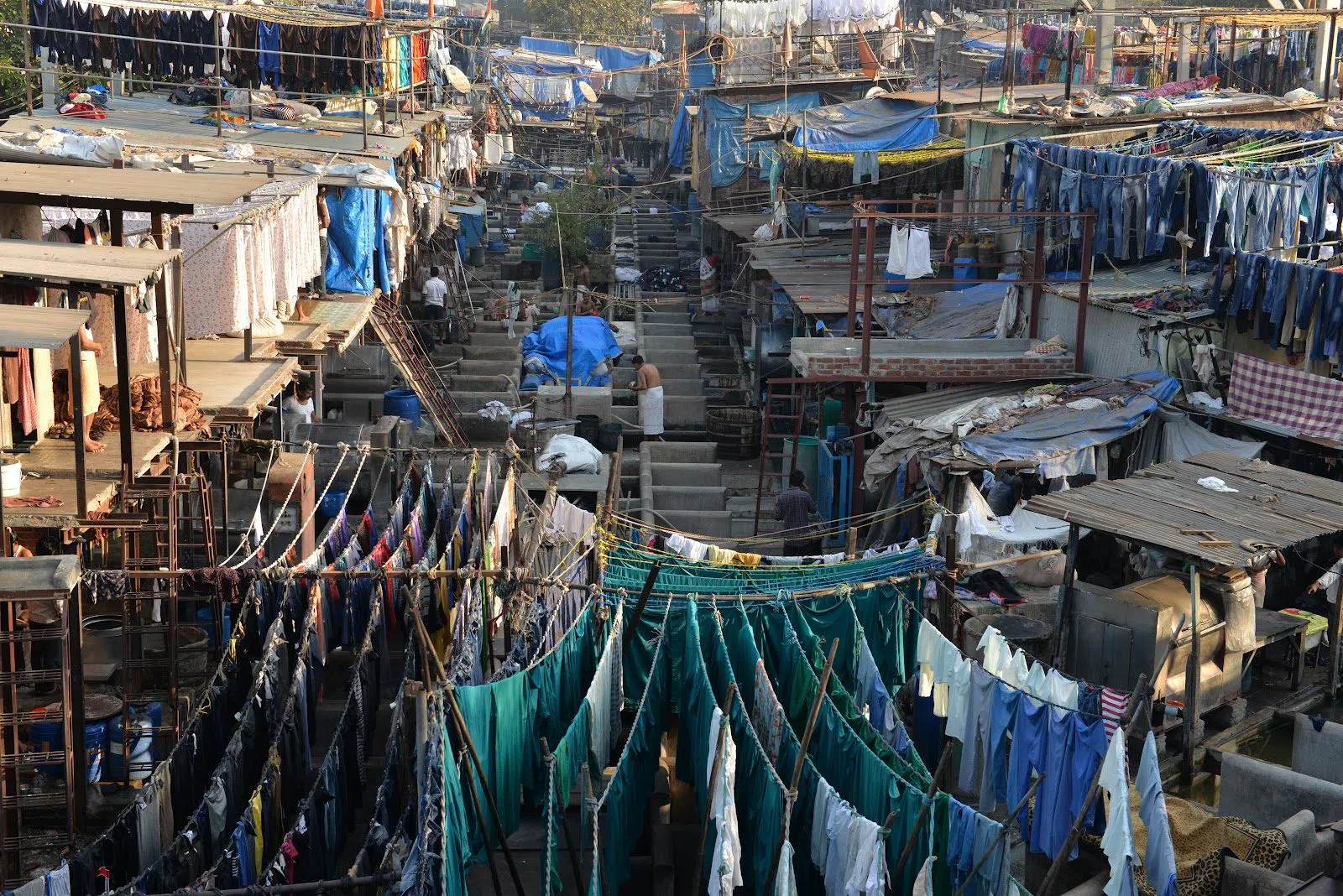
When the tour ends, take the Western line to Mahalaxmi for Mahalaxmi Dhobi Ghat, the open-air laundry where the washing terraces have been in continuous use since the 1890s. The view is free from the road bridge over the tracks beside the station, and the bridge holds any number of people. Entering the ghat itself requires a local guide and the residents' goodwill, so treat the bridge as the whole of the visit unless you have arranged otherwise. Major bridge works are running in this area through late 2026 and the walking approaches shift without notice, so stay on the station side and you will not get caught out.
Byculla's small museum and Bandra's free sunset
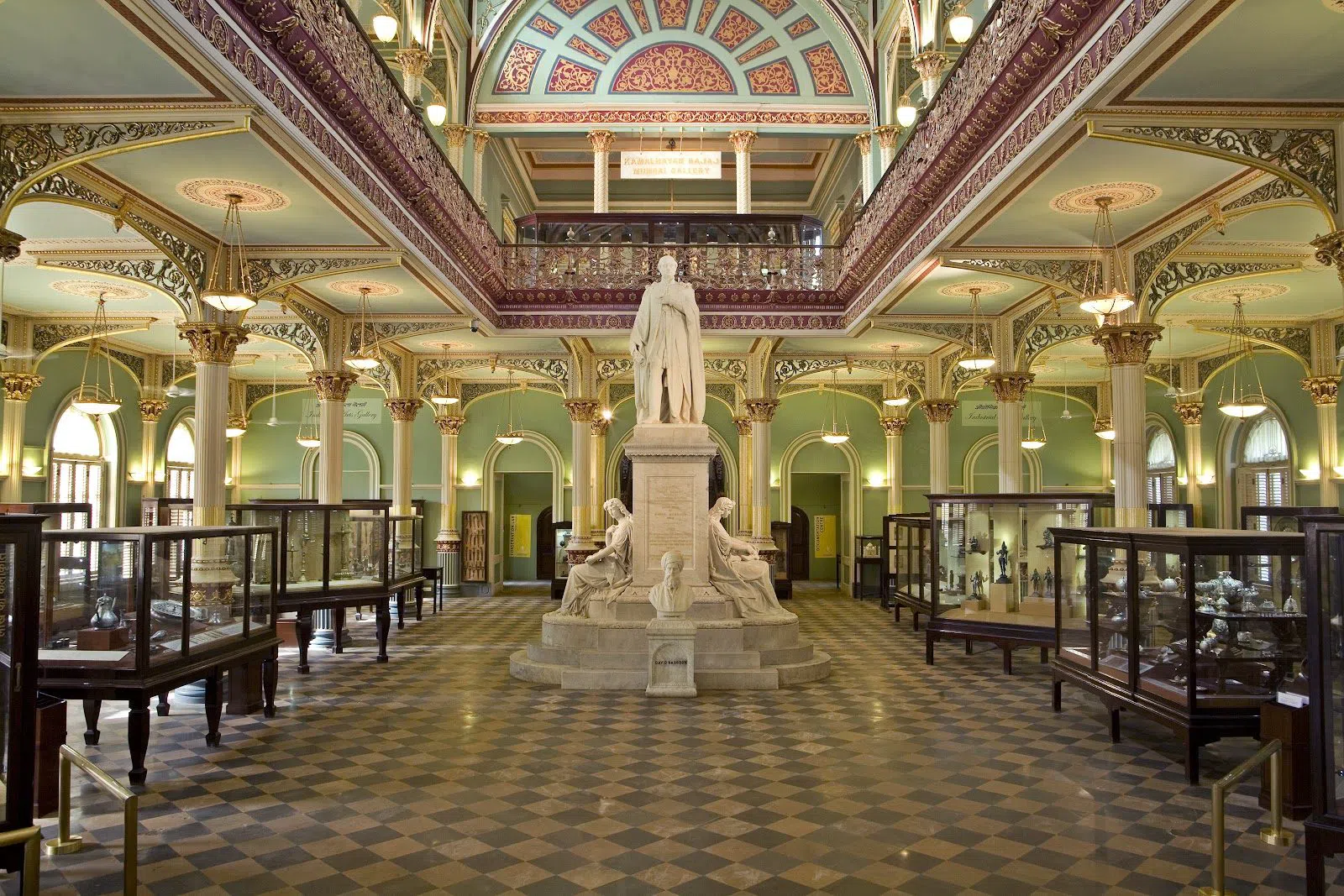
Cross to the Central line for Dr. Bhau Daji Lad Mumbai City Museum in Byculla, five minutes from Byculla station and closed on Wednesdays. At ₹20 for an adult and ₹10 concessions it is the best-value ticket in the city by a distance: the oldest museum in Mumbai, restored to its gilded 1870s interior, holding dioramas and industrial models of the city as it built itself. Walk-ins are fine, guided visits are bookable through the museum's website, and the compact rooms suit a dozen people at most.
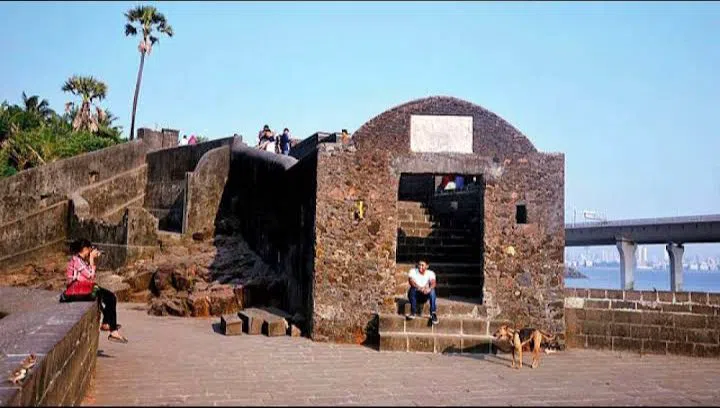
Then go north for the sunset. Bandra Fort and the Bandstand Promenade in Bandra sit at the end of Bandstand, a twenty-minute walk or a short auto ride from Bandra station, with Chapel Road's murals en route if you take the inland approach. The fort (Castella de Aguada, Portuguese, 1640) is open daily 06:00 to 18:30, costs nothing, and gives you the sea-link and the open water at the hour when the light is worth the trip. The Artisan's Court amphitheatre below it hosts open jam sessions on Sundays and absorbs large gatherings comfortably.
For dinner, ride the Western line back down to Lower Parel for The Bombay Canteen in Kamala Mills, the most reliable modern-Indian table in the city and a good introduction to regional cooking if this is a first visit. It is listed at around ₹1,500 for two and considerably more once cocktails are involved. Reservations go through Zomato, EazyDiner or Swiggy Dineout, it seats larger parties without complaint, and weekend evenings need booking several days ahead. Lower Parel station or the Aqua Line metro puts you a short walk from the door.

Trading day two for Elephanta
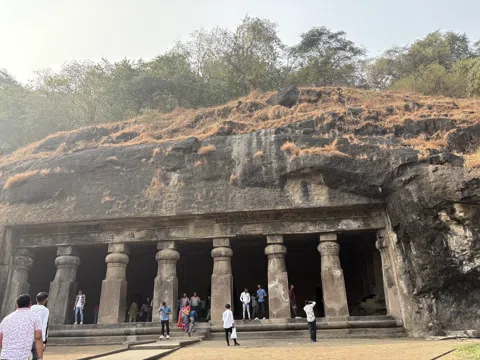
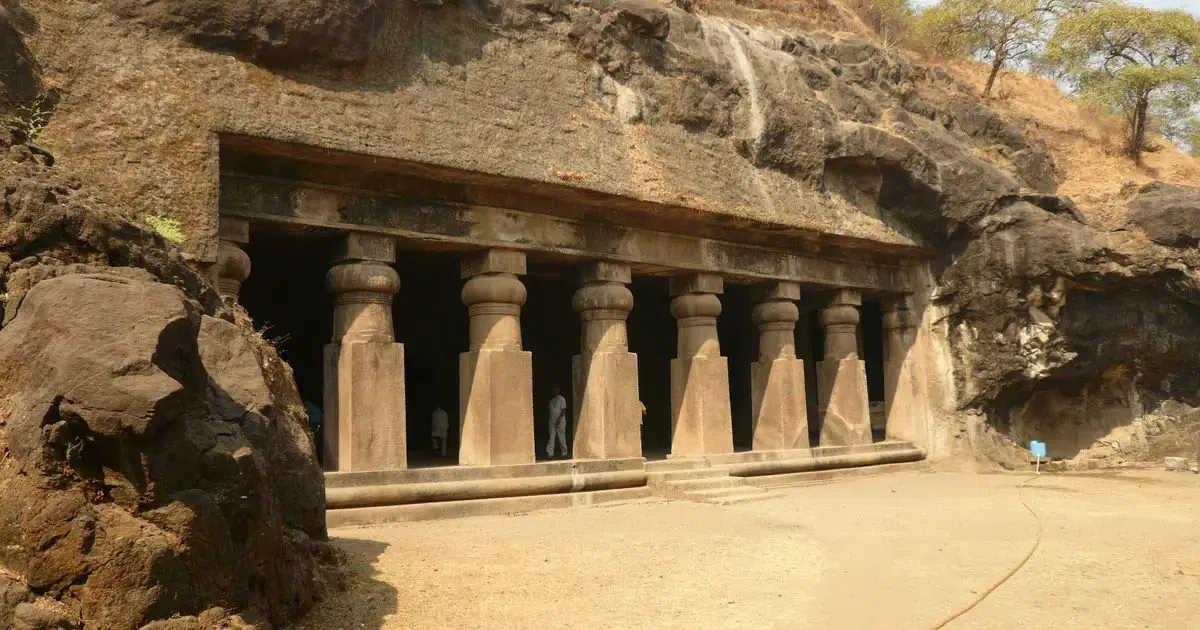
If rock-cut sculpture matters more to you than the northern suburbs, swap the whole of day two for Elephanta Caves, the sixth-century Shaivite cave temples on an island in the harbour. Ferries leave from the jetty beside the Gateway of India in Colaba, where tickets are ₹200 return in economy and ₹260 in luxury, bought at the booths and not online. Site entry is ₹600 for foreign nationals and ₹40 for Indian and SAARC visitors. Boats seat around a hundred, so a large party boards together, and licensed guides wait at the island quay.
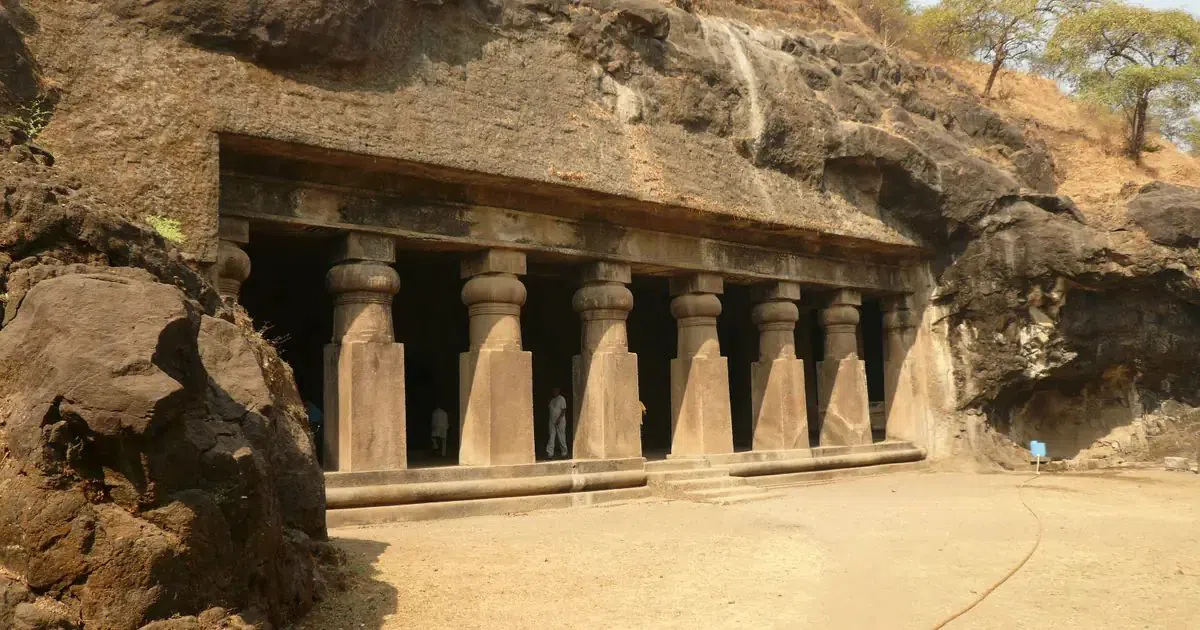
The timings are unforgiving. The last boat out is 15:30, the first return 12:00 and the last return 17:30; allow four hours door to door, and factor in 120 steps up from the jetty in full sun. The caves and the ferry service are both closed on Mondays, which strands more Mumbai itineraries than anything else in the city. Check the day before you plan around it.
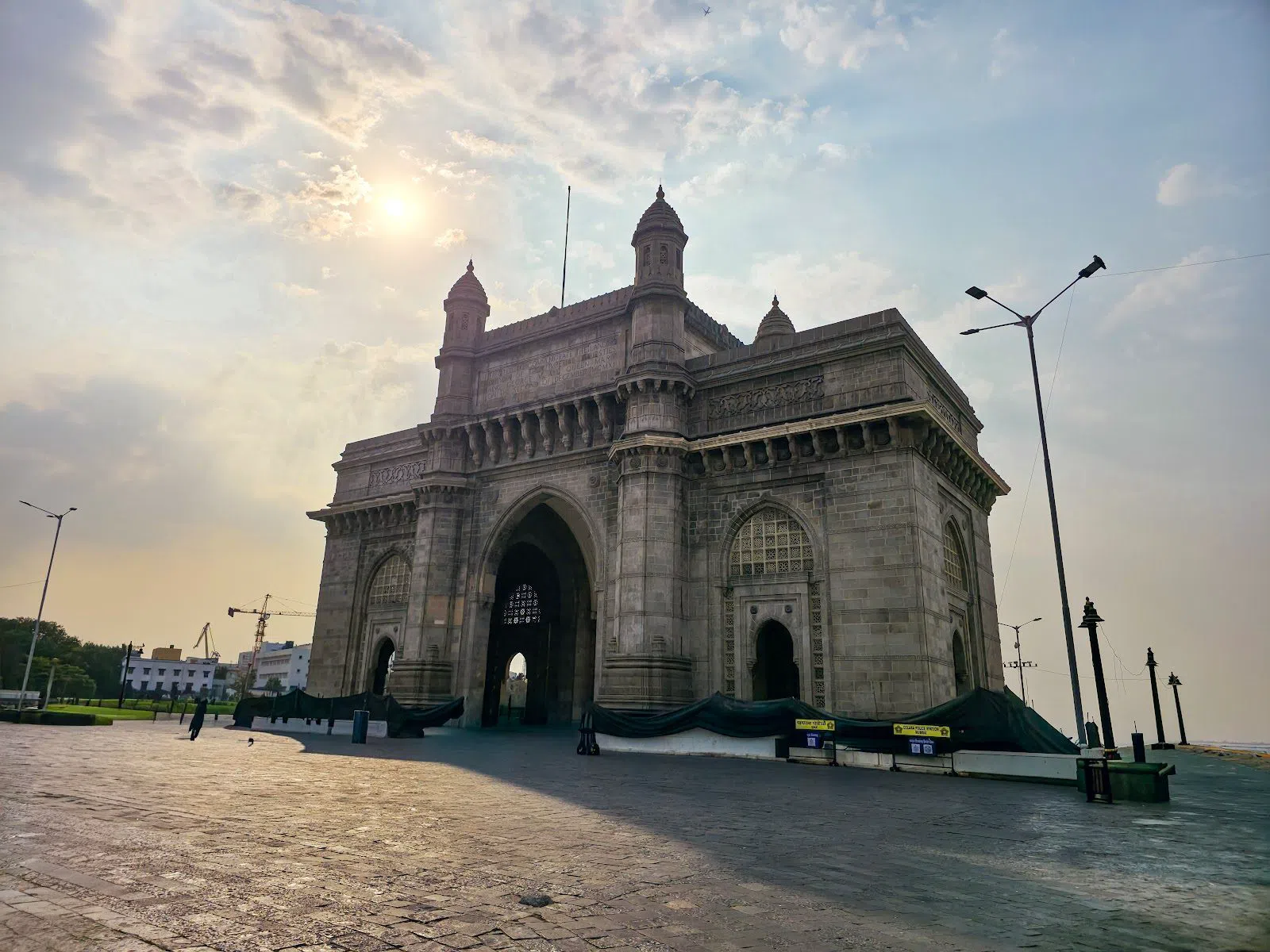
The Gateway itself is worth ten minutes with a caveat. The arch is currently under scaffolding with hoardings around the base blocking the walk-through, and a new passenger jetty scheme is in the works. The plaza is open, free and heavily crowded, entry runs through airport-style security screening that slows big groups, and all Elephanta ferry services are unaffected.
What this weekend costs and how to move
Two days of transport on trains, ferries and the occasional auto or taxi will not trouble a modest budget. Train fares are counted in tens of rupees, and the only meaningful transport cost is the Elephanta ferry. Tickets and tours account for most of the spend: CSMVS at ₹700, a Khaki Tours walk at ₹699 to ₹999, a Dharavi tour at ₹1,450 upwards, Bhau Daji Lad at ₹20, and nothing at all for Marine Drive, Bandra Fort, Sassoon Dock, the Dhobi Ghat bridge or the CSMT concourse.
Carry cash. Britannia has long preferred it, the ferry booths and street stalls take it, and small change makes railway ticket windows quick. UPI works almost everywhere else, though it needs an Indian bank account, so international visitors should plan on cash and a card instead of a phone.
On timing, build the two days around three fixed closures (Elephanta and the Royal Opera House on Mondays, Bhau Daji Lad on Wednesdays) and one fixed start, the 16:30 Fort Walk. October to February is the comfortable window; from June the monsoon makes CSMVS and Bhau Daji Lad the reason you will still have a good day. Whatever the season, drink more water than you think you need, and treat the last train south as the one thing worth checking before you commit to a late dinner.
Before you go
Are Mumbai's local trains practical for a first-time visitor?
Yes, if you avoid the peaks. Northbound trains between about 08:00 and 11:00 and southbound trains from 17:00 onwards are very crowded. Outside those hours the train is the fastest way across the city. Buy a paper ticket at the counter or use the UTS app, and keep it until you leave the station. Consider first class if you want room; it will not get you there any sooner. Women travelling alone or in pairs should use the marked ladies' compartments.
Can I fit Elephanta Caves into a two-day trip?
Only if you give up most of a day. Allow four hours door to door from the Gateway of India jetty, plus 120 steps up from the island quay. The last boat out is 15:30 and the last return is 17:30. The caves and the ferry service both close on Mondays, so if your weekend includes a Monday, plan Elephanta for the other day or leave it out.
What does a car-free weekend in Mumbai actually cost?
Transport is the cheap part: train fares run to tens of rupees and the Elephanta ferry is ₹200 to ₹260 return. The money goes on tickets and tours. CSMVS is ₹700 for foreign adults, a Khaki Tours walk ₹699 to ₹999, a shared Dharavi tour ₹1,450 to ₹1,700, Bhau Daji Lad ₹20. Two people eat for ₹300 to ₹500 at Kyani and around ₹1,500 at The Bombay Canteen. Marine Drive, Bandra Fort, Sassoon Dock and the Dhobi Ghat bridge are free.
Which days should I avoid for this itinerary?
Three closing days decide the shape of the weekend. Elephanta Caves and the Royal Opera House close on Mondays, and the Dr. Bhau Daji Lad museum closes on Wednesdays. Britannia & Co. has long traded Monday to Saturday at lunch only, so call the day before. CSMVS opens daily, which makes it the fallback whenever something else is shut.
Is a Dharavi walking tour appropriate, and what is it like?
Reality Tours & Travel is the ethical option for this kind of visit. It gives 80% of its profits to its own NGO, Reality Gives, and allows no photography inside. Shared tours are capped at six people, and they meet at Churchgate or Mahim station. You will see recycling workshops, leather and pottery trades, and lanes narrow enough that you walk them in single file.
Can I use autorickshaws in south Mumbai?
No. Autorickshaws are not permitted in the southern half of the island, so in Colaba, Fort, Churchgate and Marine Lines you use black-and-yellow taxis or an app cab. North of Mahim and Sion the autos are cheaper and quicker than anything else for short hops such as Bandra station to the Bandstand promenade.