The Mumbai issue
Riding Mumbai's Western Line After Midnight
The Western Line shuts for about three hours a night. This guide covers the last local out of Churchgate, what is still serving at 01:30, and how to get back once the trains have gone.
By Aditi RaneThe city read by its facades
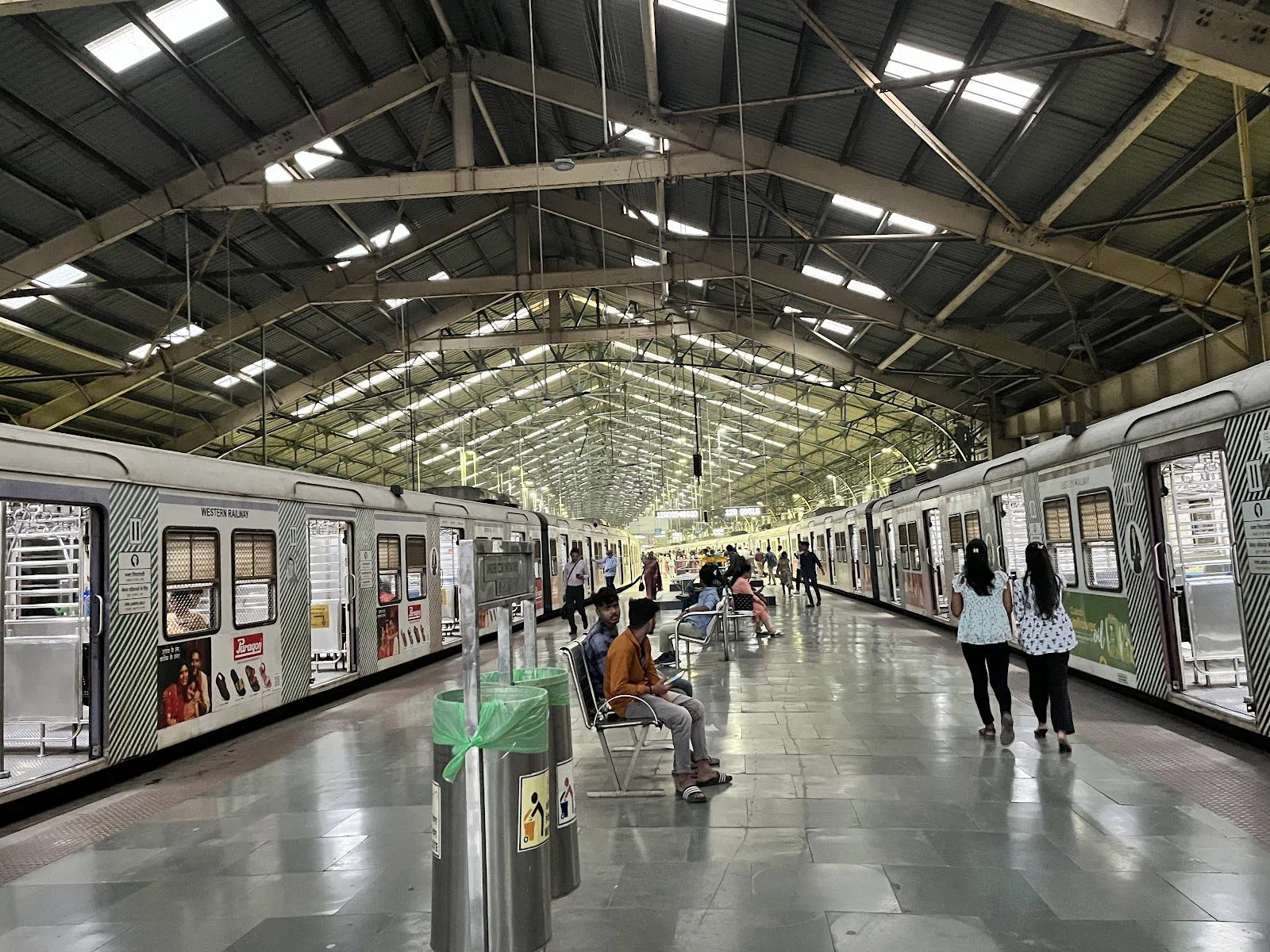
The last Borivali local leaves Churchgate at around one in the morning, and for the twenty minutes before it goes the terminus behaves like a station in a far smaller town. The indicator board carries a single line of orange text, the fans turn over empty benches, and the men asleep along the platform edge are not waiting for a train at all. Ride out on that service and you see the system that moves millions of people a day working slowly enough to follow.
The three hours that shape the night
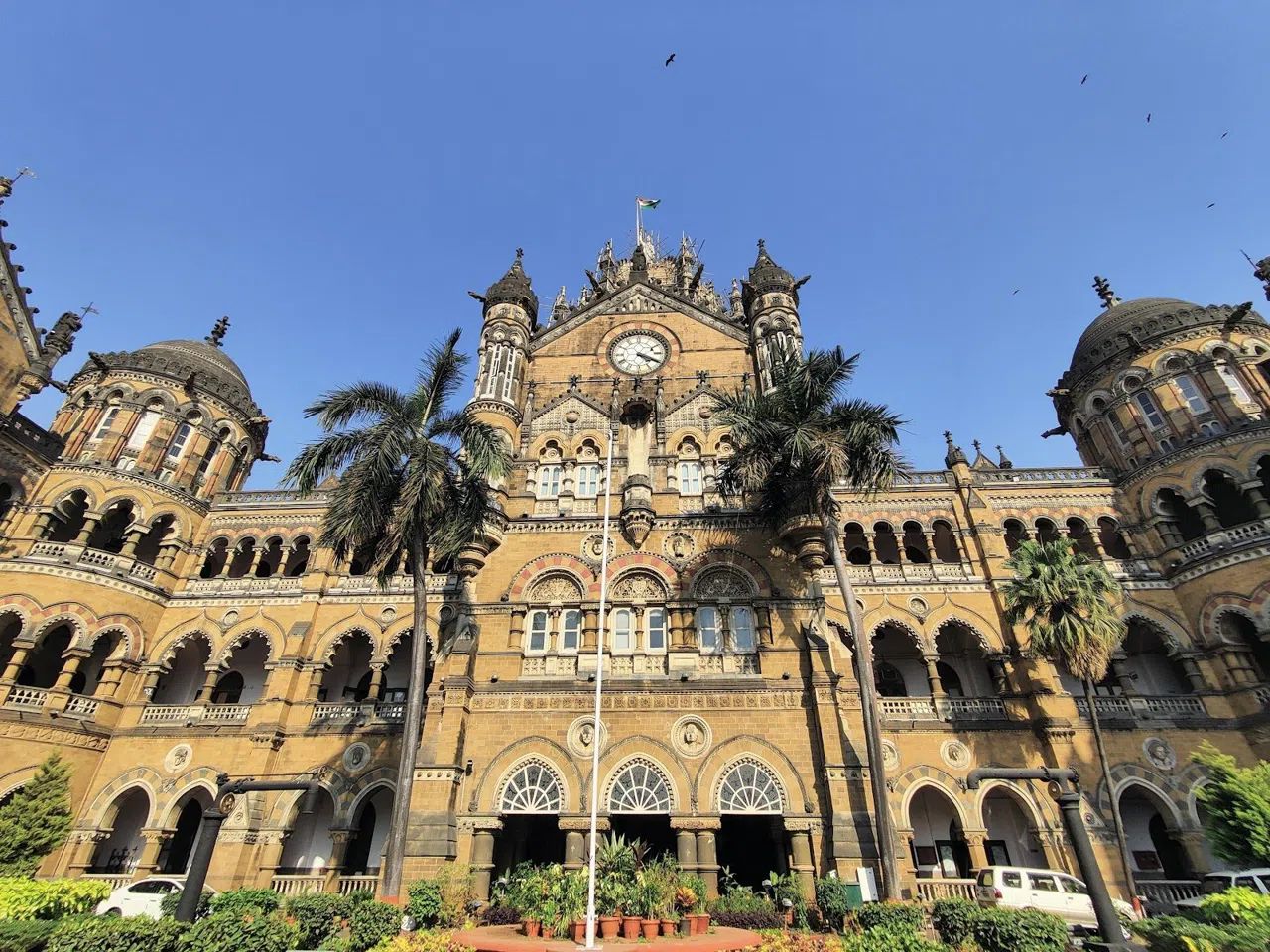
Churchgate Railway Station (Churchgate, at the southern tip of the line) is both the terminus of the Western Line and the headquarters of Western Railway, which is why the building reads as an office rather than a shed. The night here has two hard edges. The last Borivali local departs at about 01:00, and the first Virar service pulls out at 04:15. Everything below happens in the roughly three hours between those two departures. This railway is not a 24-hour system, and it closes on purpose, so that engineers can get onto the track.
Settle the ticket before you settle anything else. Second class from Churchgate all the way to Borivali is about ₹15, first class about ₹135, and an AC local about ₹100, a spread wide enough that first class at this hour is less about comfort than about having a nearly empty coach. Buy before the 00:30 rush at the windows, because the queue for the final services is the busiest thing in the building. There is no door policy anywhere on this journey; every station on it is public. Groups are fine, but stay together in one coach, since the far ends of the platforms are unstaffed after midnight. Ladies' coaches are marked on every rake and can be close to empty this late, so judge for yourself whether you would rather have space or company. For the daytime version of the same city, the Mumbai guide is the place to start.
Plan your Mumbai trip
Live prices from our booking partners.
Free cancellation on many rooms. We may earn a commission when you book.
The full run to Virar is a daytime story
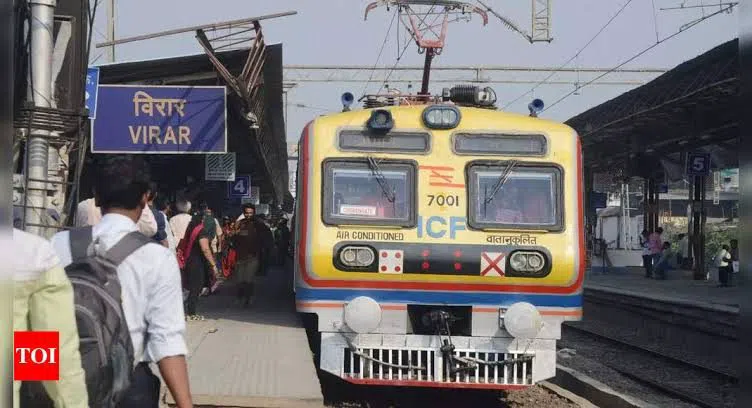
Virar Railway Station (Virar, the far northern end, 60 km out) is the line's mythic terminus, and the 'Virar fast' is genuine Mumbai commuter folklore, the train that locals talk about the way other cities talk about weather. The timetable is the catch, though. The last Churchgate to Virar local departs at around 23:58, which means the complete 60 km run cannot be started after midnight at all. If you want it, you leave before the day ends, and you accept that Virar at that hour has very few onward options; the sensible plan is to stay put and come back on the 04:00-onwards services. Second class is about ₹20. This one suits a determined pair rather than a group with a hotel to get back to.
Supper before the last local
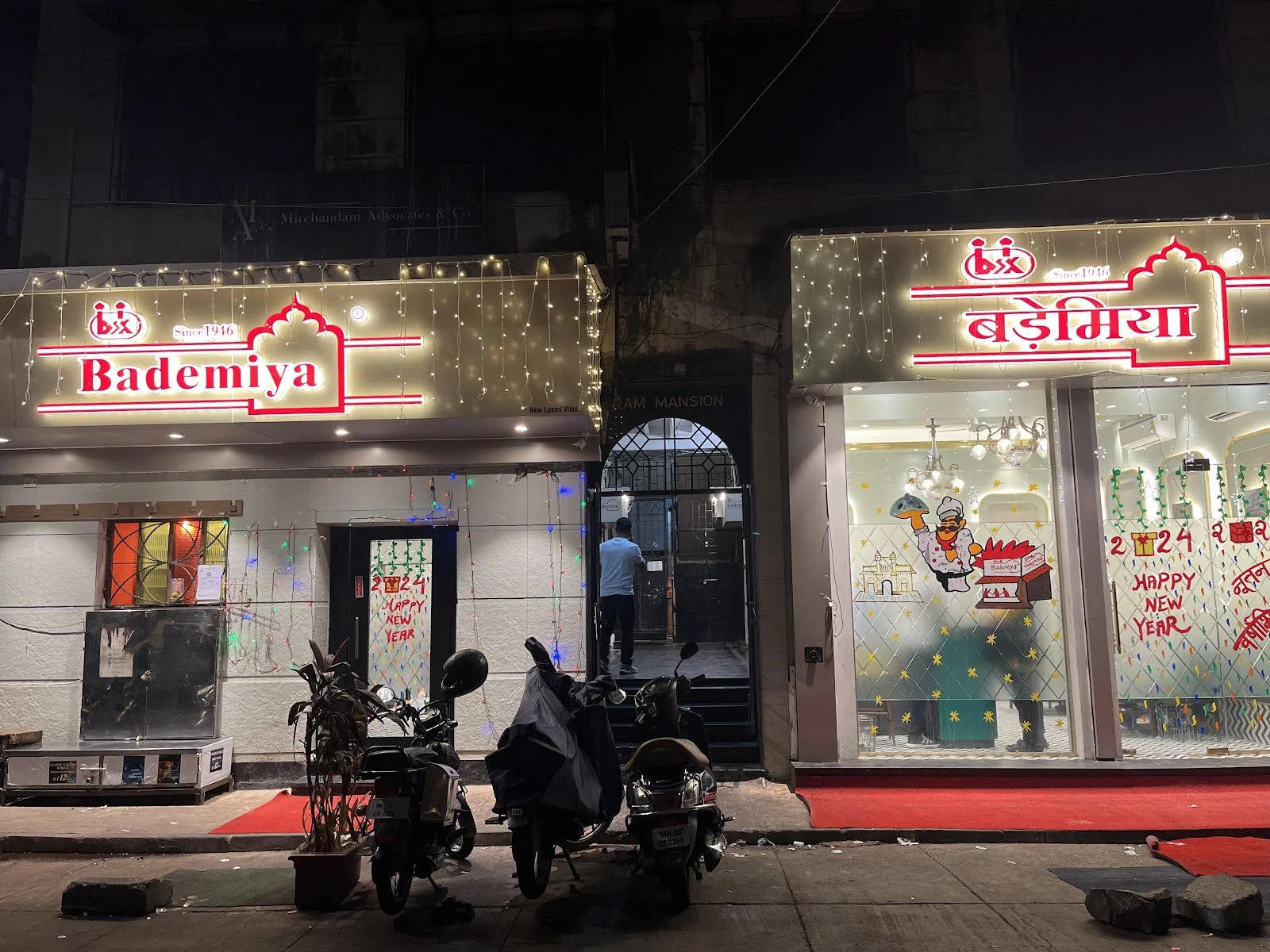
Bademiya (Colaba, in the lane behind the Taj) has been grilling on the pavement since the late 1940s and runs roughly 19:00 to 03:00 every day, which makes it the rare Mumbai institution whose hours match the railway's own. It is a standing operation with no reservations, no door policy and no seating to argue over, and that makes it unusually good for a group of six or eight who would be a problem anywhere else. Expect ₹200 to ₹500 a head. There is a separate sit-down restaurant nearby if you want tables and a bill you can linger over. From the pavement to the Churchgate ticket window is about twenty minutes on foot, which is the right amount of time to walk off a plate of seekh.
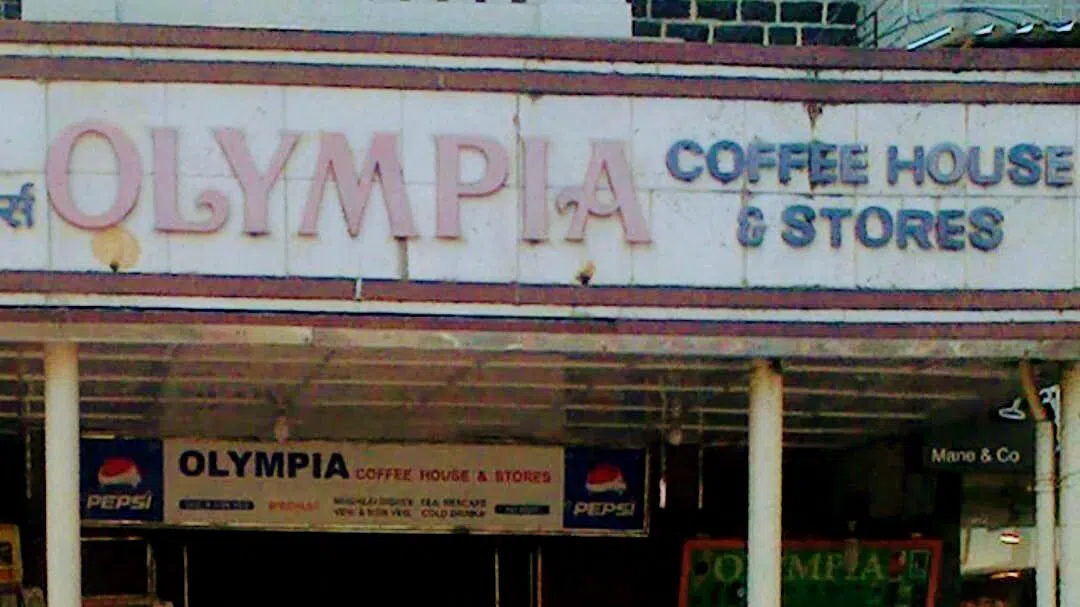
Olympia Coffee House (Colaba Causeway) closes at midnight, so treat it as the bookend before the night rather than a stop inside it. It is a surviving Irani café with long communal tables, no bookings, no door policy and a strong preference for cash, and ₹150 to ₹350 covers a proper meal. It is worth naming because the line's most famous Irani café, B. Merwan at Grant Road, shut permanently on 1 January 2026 after 112 years. Rooms like this one are no longer a given.
Marine Lines and Charni Road in the first ten minutes
Marine Lines Railway Station (Marine Lines) is one stop out and about ₹5 to ₹10, and it is the strangest place on the line at night. A working crematorium sits directly against the platform, so the first thing a midnight rider sees on leaving town is smoke and marigolds. It is a quiet, unhurried station where a small group can stand together on the platform without being in anyone's way. The state has approved renaming it Mumbadevi, but the change is not yet in force and the signage still reads Marine Lines, which is what your ticket and the announcements will say.
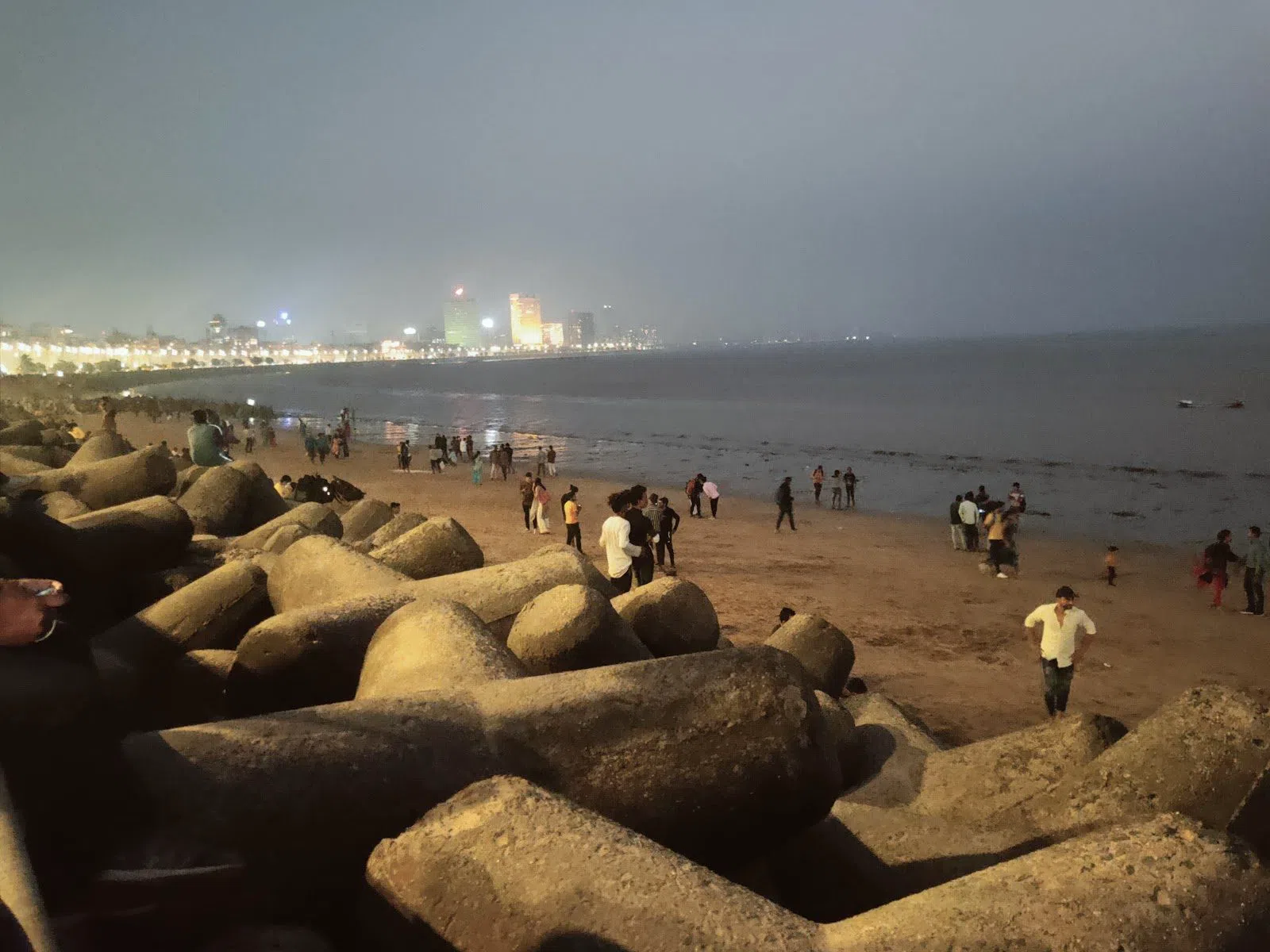
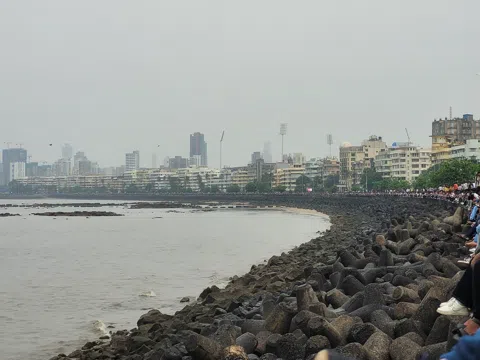
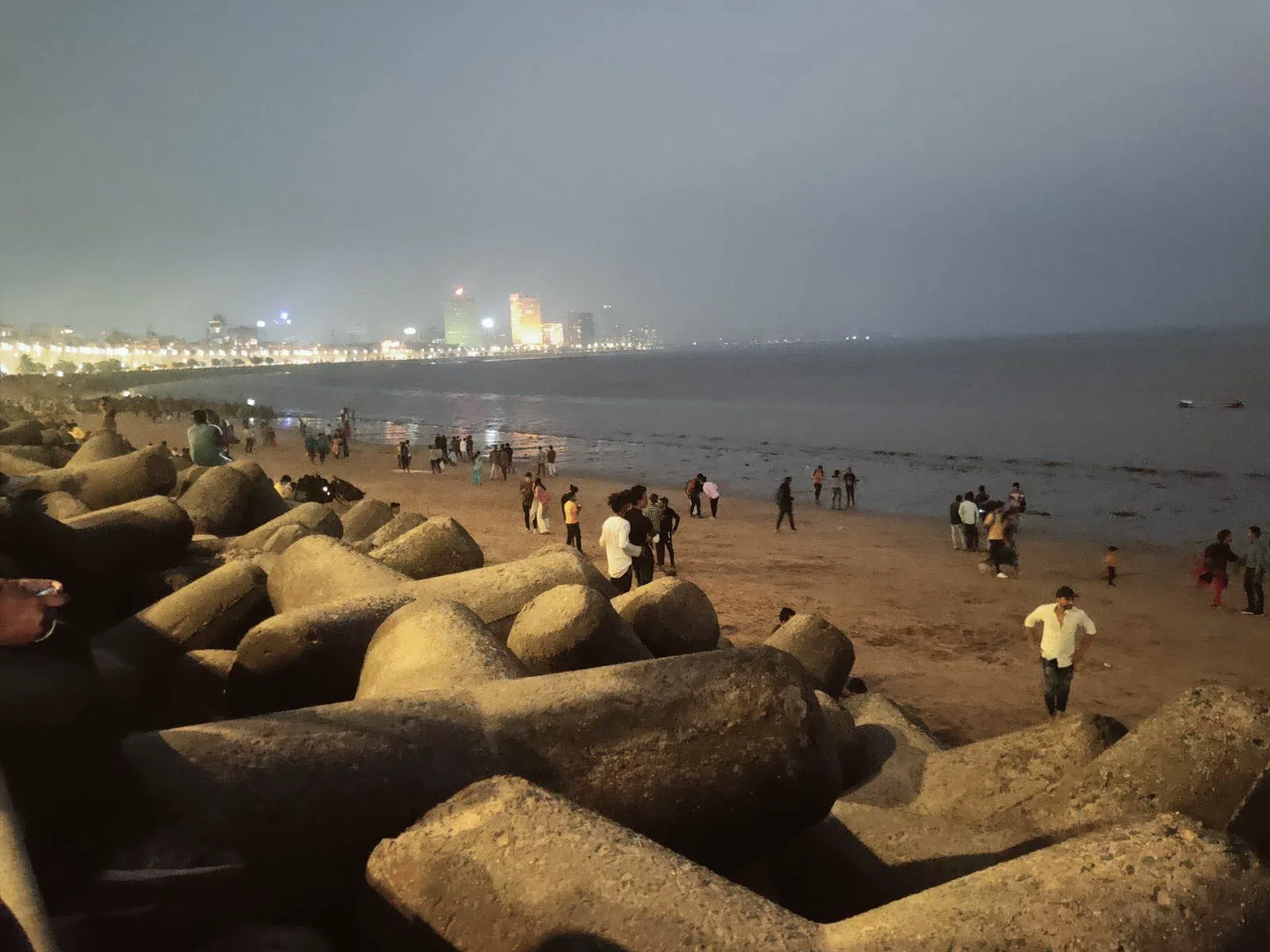
Charni Road Railway Station (Girgaon) is the stop that justifies breaking the journey rather than riding it straight through. Girgaon Chowpatty and the Marine Drive promenade are open around the clock and patrolled all night, both free, so you can step off, walk the curve of the Queen's Necklace with the streetlights doing their one good trick, and pick up a later local north. This works equally well for a couple and for a group of eight; the seafront absorbs everyone. Charni Road has also been approved for renaming, to Girgaon, and that too has not yet taken effect.
The one station still properly awake at one in the morning
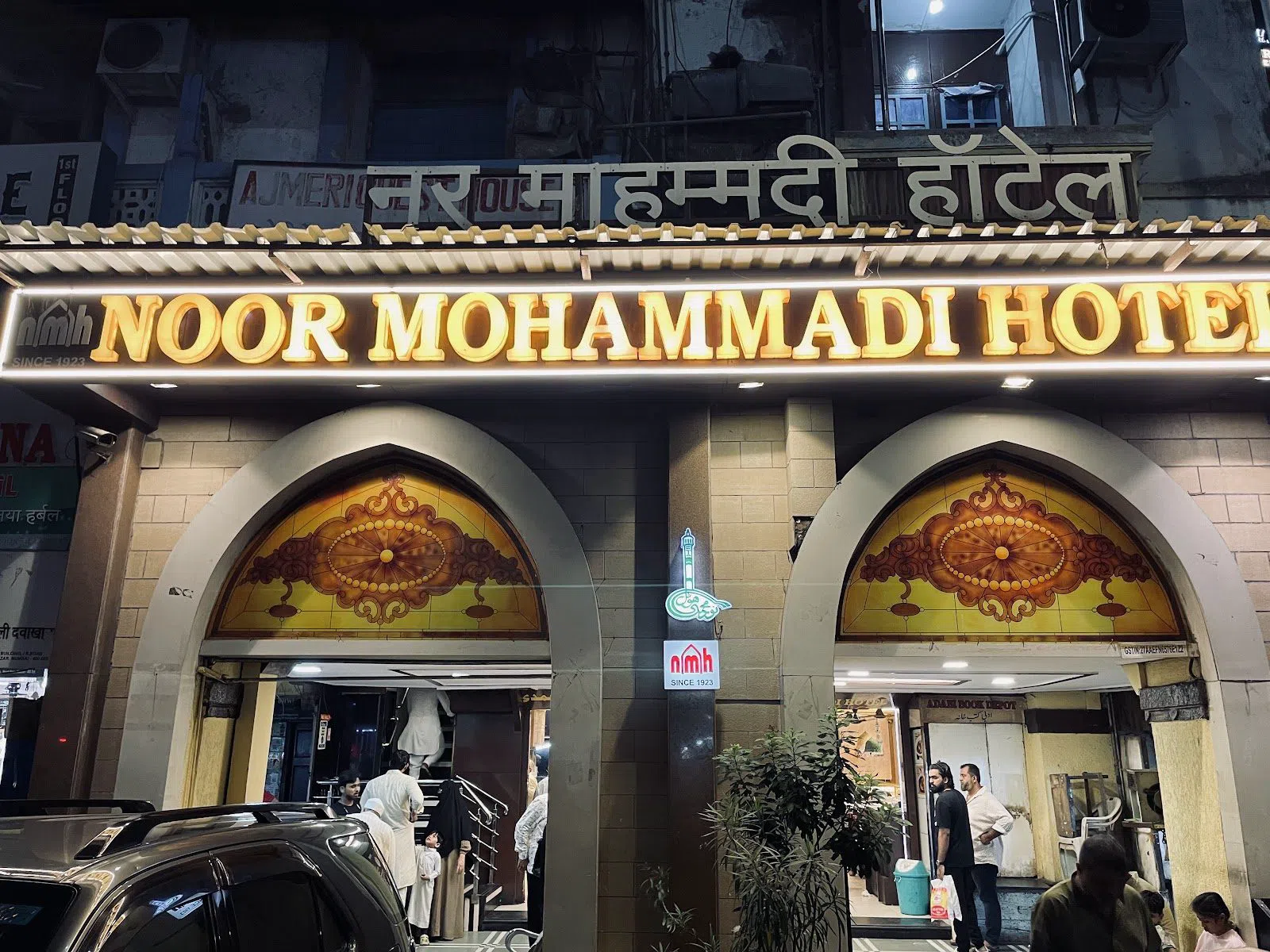
A short walk from Grant Road station, Noor Mohammadi Hotel (the old Muslim quarter, near Grant Road) has been running since 1923 and serves until roughly 01:30. It is an unpretentious sit-down room with shared tables, no bookings needed and no door policy, and ₹300 to ₹600 a head buys a full Mughlai meal. It puts you inside the part of the night city that daytime itineraries skip entirely, and it is the one stop on this route where a group will end up talking to the table next to them.
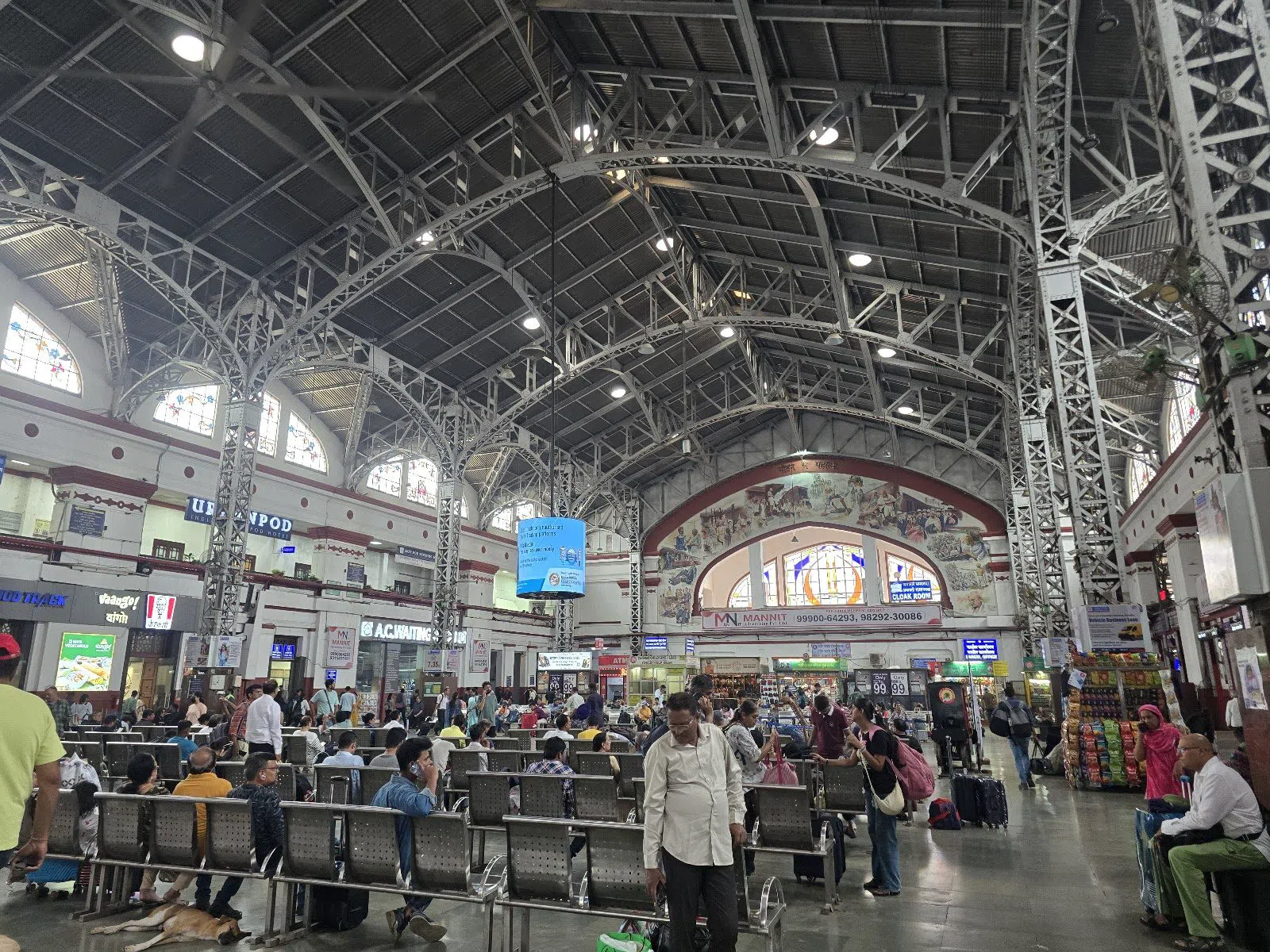
Mumbai Central Railway Station (Mumbai Central) is where the commuter city meets the intercity one. Suburban locals and overnight trains to Gujarat and Rajasthan share the same site, which is why at 01:00 it is the only station on the Western Line that is genuinely awake, and the only one with staffed enquiry counters running through the night. If anything goes wrong with your plan, this is where you fix it. The concourse is enormous, so a group can spread out without losing each other. Second class from Churchgate is about ₹5 to ₹10. It has been approved for renaming as Nana Jagannath Shankarsheth; that has not yet taken effect either.
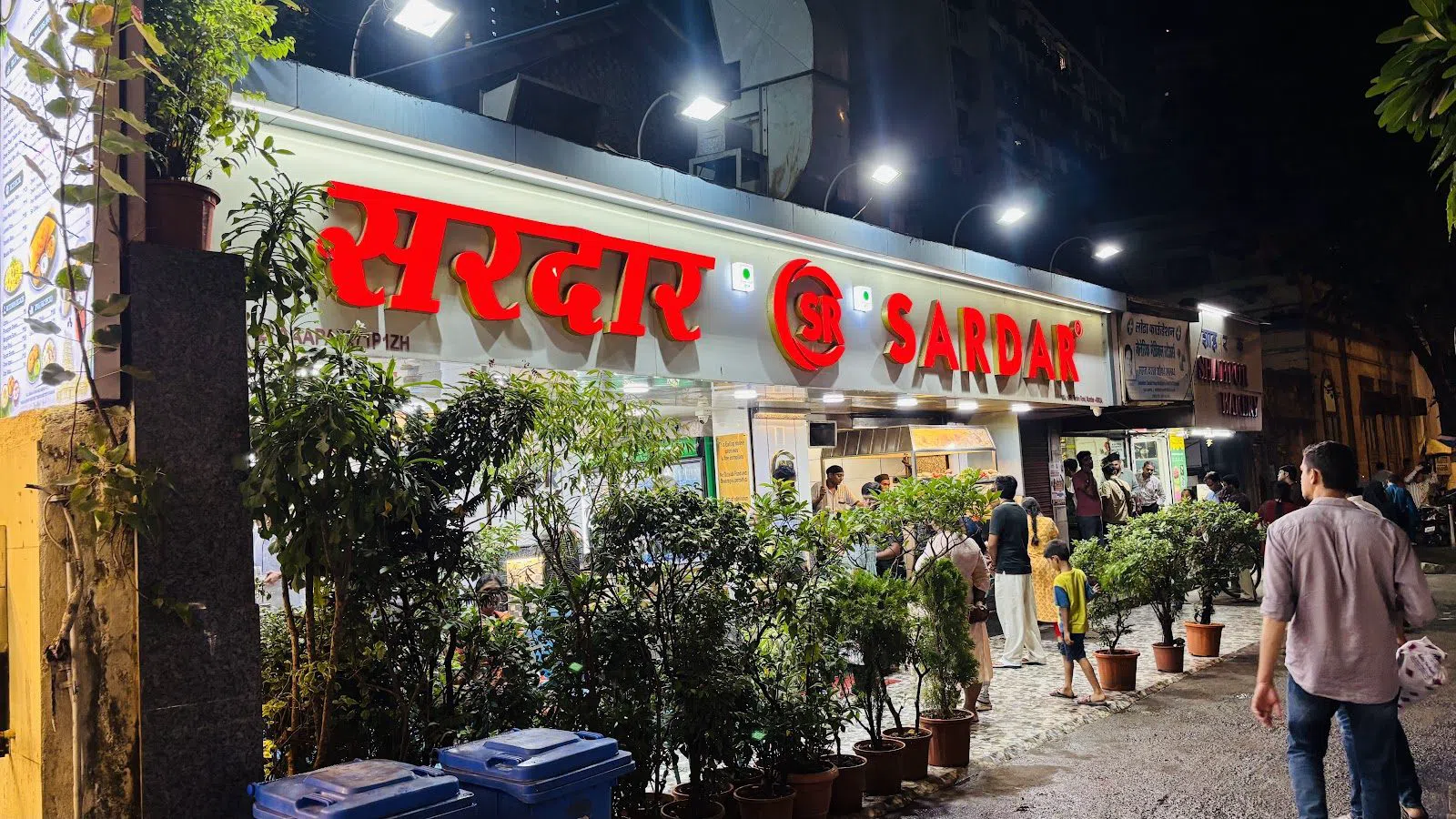
Sardar Pav Bhaji (Tardeo, a short walk from Mumbai Central) serves until around 02:00 and is busiest at weekends. This is the classic post-last-train feed, and the dish most Mumbaikars would actually name if you asked them what to eat at 01:30. Be realistic about the room: seating is tight and shared, there are no reservations, you will queue, and you will be turned over quickly once you are fed. ₹200 to ₹400 a head. A group of four is comfortable, a group of ten will be split across the room.
Mahalaxmi and the bridge over the laundry
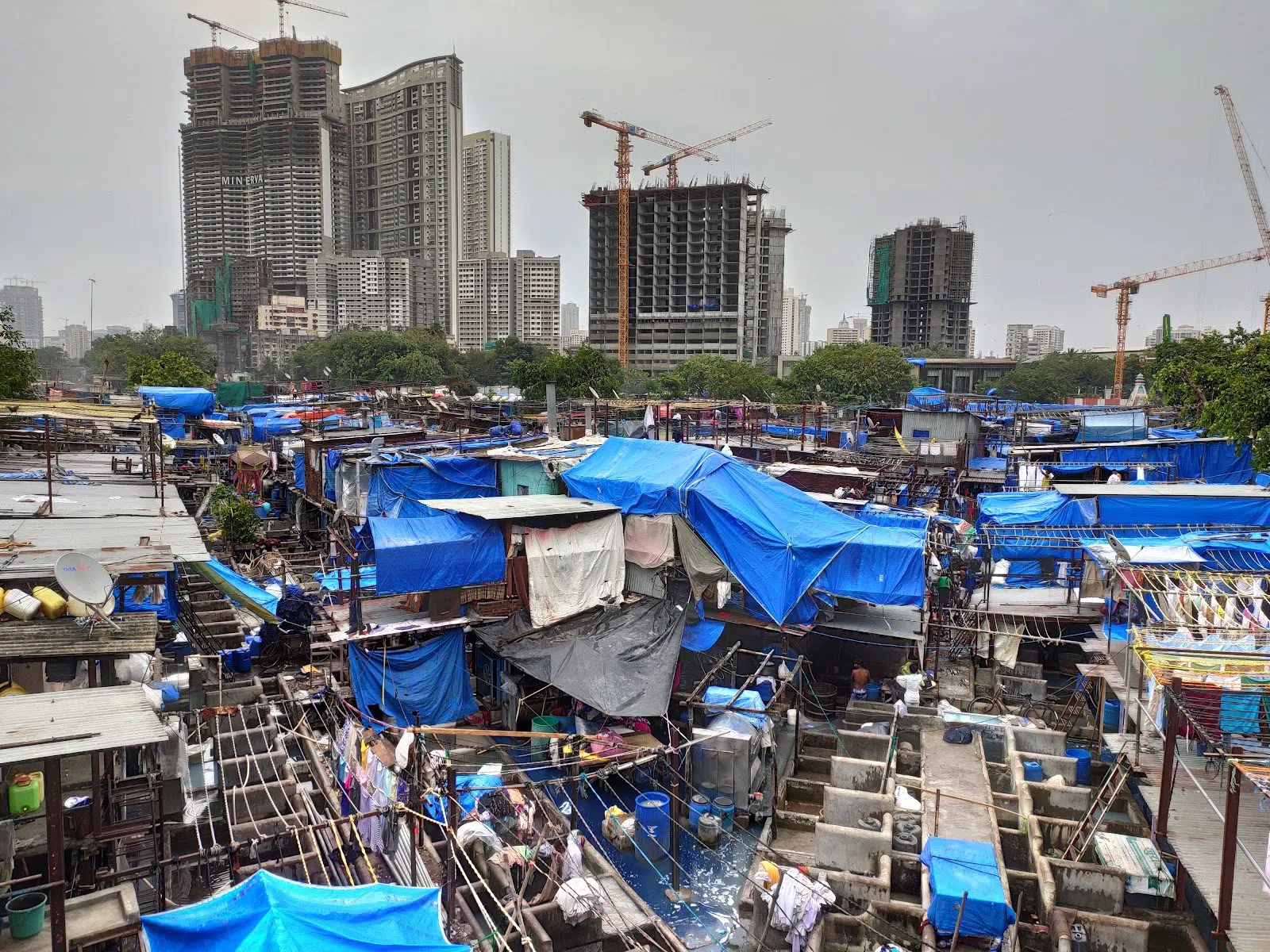
The bridge beside Mahalaxmi Railway Station (Mahalaxmi) gives you the best free view on this route. It looks straight down onto the world's largest open-air laundry, and while the guided visits below run roughly 09:00 to 17:00, the bridge is a public road and open at any hour. There is no restriction and no charge. The practical caution is width: it is narrow and carries traffic, so stand on the pavement side and keep a group single-file rather than clustered. Note also that a major cable-stayed replacement bridge nearby is due to open around October 2026, so the approach you walk up may not be the approach that is described in older write-ups.
Haji Ali Juice Centre (Haji Ali) is a short ride from Mahalaxmi and open roughly 05:00 to 01:00, which brackets the railway's own shutdown almost exactly. It is fast counter service, no bookings, no alcohol and therefore no door policy of any kind, and ₹150 to ₹400 a head. For a group arriving noisily at midnight it is close to ideal, and it is the only reliable option near the Dhobi Ghat bridge at both ends of the night.
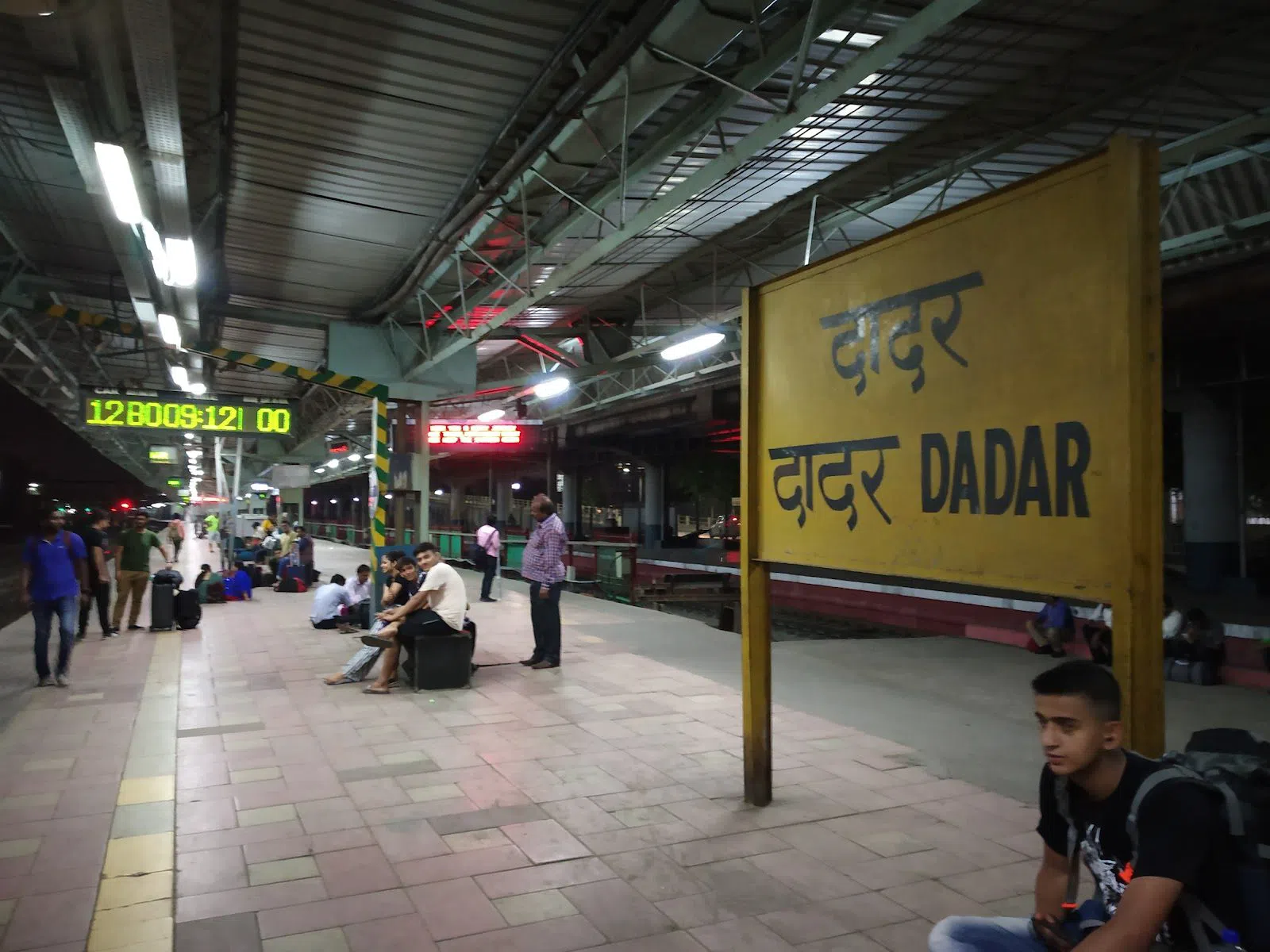
Dadar, where the network folds in on itself
Dadar Railway Station (Dadar) is the hinge of the whole system, the point where the Western and Central lines meet and where a midnight rider chooses which half of Mumbai to end up in. More than anywhere else on the route, it shows the railway doing its actual job of moving people around rather than serving as a line to sightsee from. It is also genuinely confusing for a first-timer, with subways and platform numbers that do not run in an obvious order, so agree a meeting platform before you arrive rather than after you have lost each other. Second class from Churchgate is about ₹10.
Bandra is easier to see at one in the morning
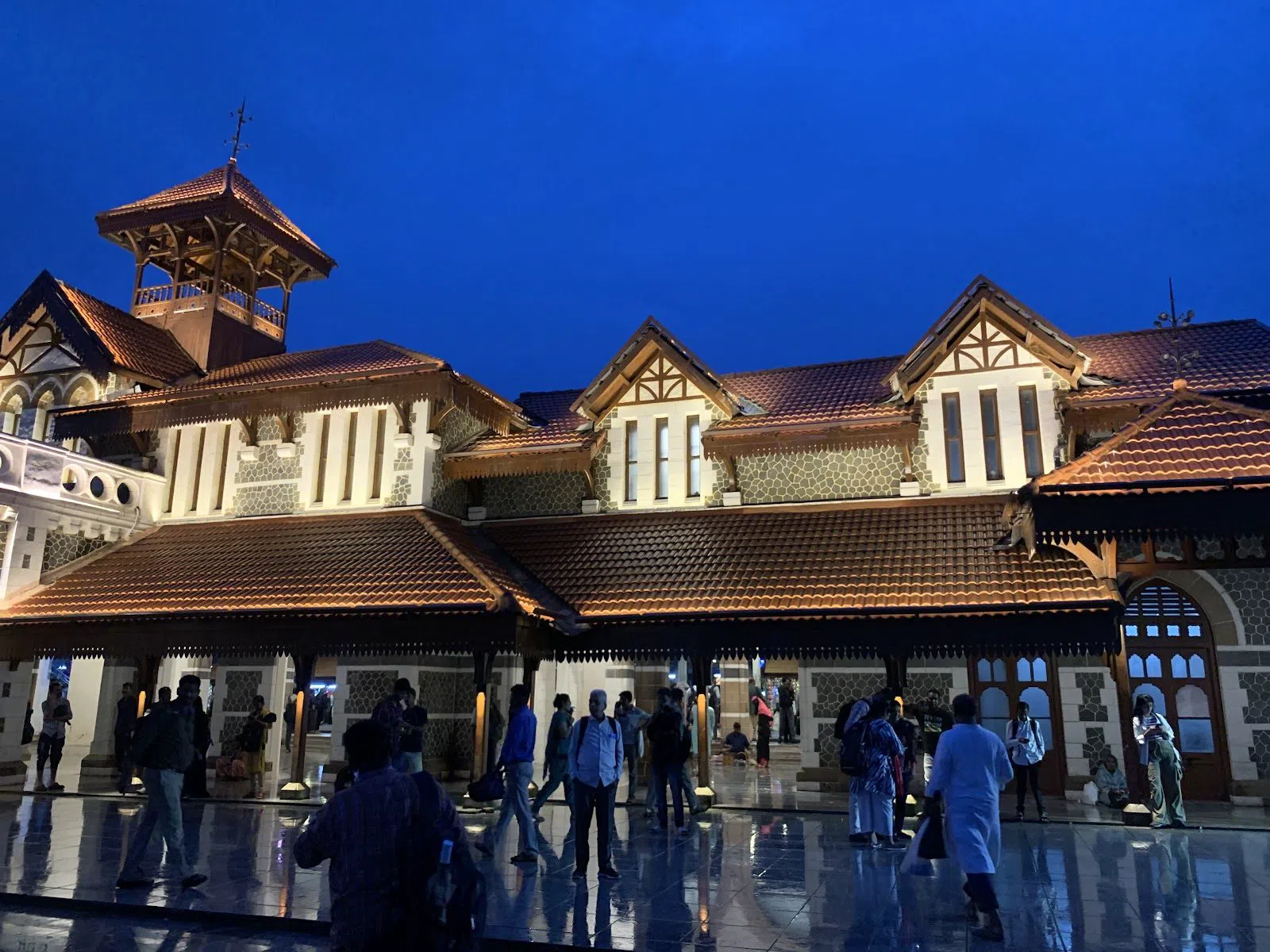
Bandra Railway Station (Bandra) is the most beautiful building on the line and the strongest photograph of the night. It was restored under Western Railway with the conservation architects Abha Narain Lambah Associates, and the frontage reads best from the west forecourt, where there is room enough for a group to stand back and take it in. That is the argument for coming at this hour: in the daytime crush you cannot get far enough from the building to see it at all. About ₹10 from Churchgate.
Borivali and the sound of the system shutting
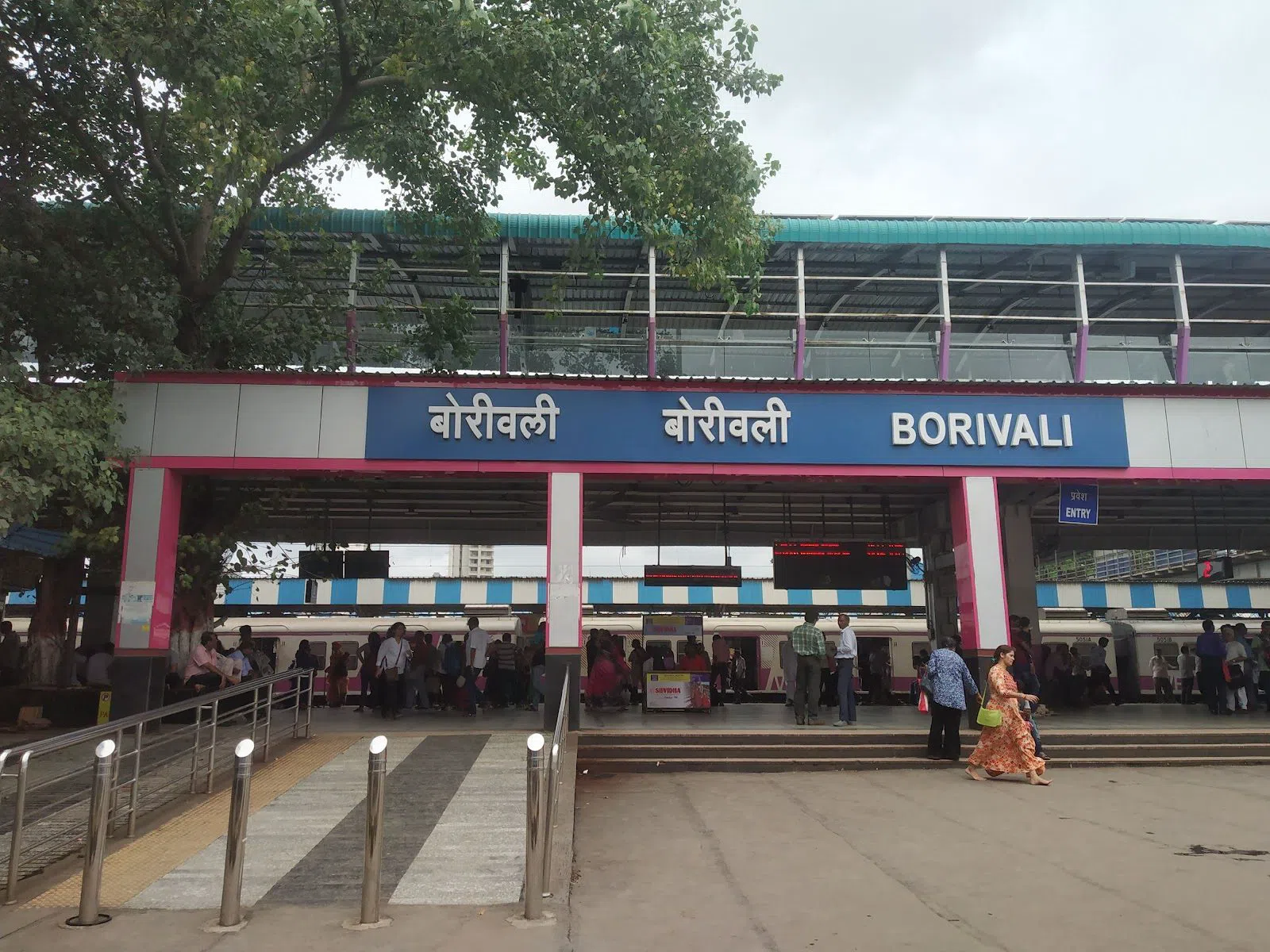
Borivali Railway Station (Borivali) is the realistic end of the line for a midnight rider, because the last Churchgate departure at around 01:00 terminates here rather than at Virar. That makes it the place where you watch the service visibly stop: the rake emptied, checked and put to bed, the announcements ending, the platform lights staying on over nothing. Second class from Churchgate is about ₹15. The auto-rickshaw ranks outside run all night, so a group arriving on the final service is not stranded, which is more than can be said for the far end of the line.
When the trains stop, the buses do not
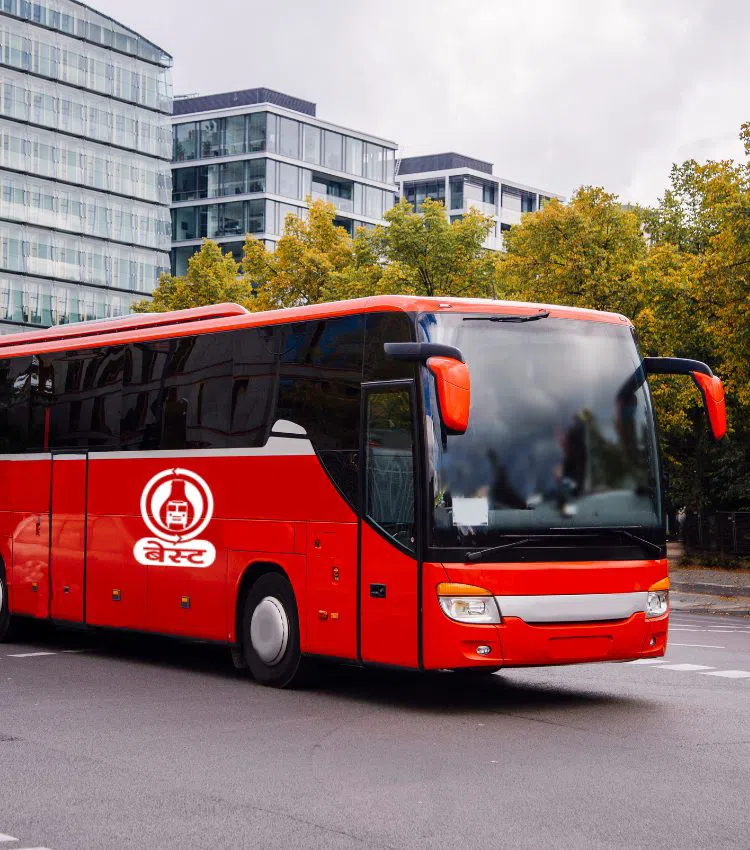
The railway closing is the article's central practical problem, and the BEST Night Bus Network (citywide, run by Brihanmumbai Electric Supply and Transport) is the answer to it. A limited night service runs on a handful of routes from about 23:15 to 06:00, including Borivali station to Wadala, and you pay the conductor on board, roughly ₹5 to ₹25 depending on distance. Buses are far emptier at night than the trains ever are, so seats are effectively guaranteed and a group of eight will not have to split up. It is slower than the train and the route map is much thinner, but it is how people who miss the last local actually get home.
Dawn at the flower market
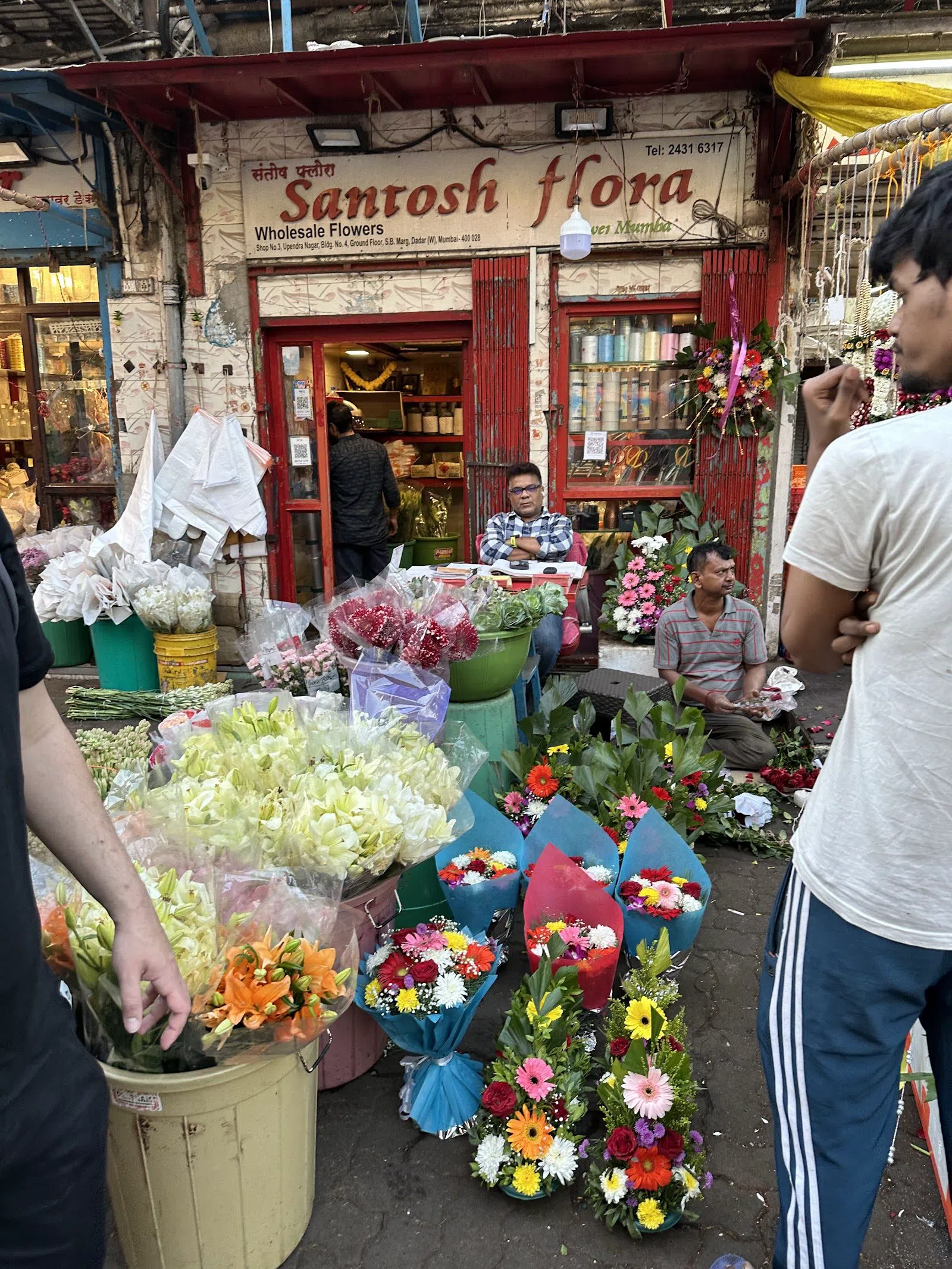
If you ride straight through the shutdown, Dadar Phool Galli Flower Market (Dadar West) is the bookend that completes the night. Trading opens at around 04:00 and peaks between 04:30 and 07:30, exactly the window in which the first locals restart, so you step off a train into the loudest and most colourful morning the city has. It is an open lane and anyone can walk through, free, with garlands from about ₹50 if you want to buy. It is also a working wholesale market rather than an attraction, so go in a small group, walk single file, and stay out of the porters' way. They are carrying a day's stock and you are carrying a phone.
Practical notes
The usable window is roughly 23:58 to 04:15. Leave Churchgate before midnight if Virar is the goal, at about 01:00 if Borivali is, and expect to fill the gap between the last train and the first with either a night bus or a long stretch of Marine Drive. Buy tickets before the 00:30 queue builds. Carry cash in small notes. The pavement grills, the Irani café, the bus conductor and the flower sellers all prefer it, and ticket windows are quicker with exact change.
Budget is not the constraint here. The entire Churchgate to Borivali run costs about ₹15 in second class, and even with first class, a full supper and a night bus home you would struggle to spend ₹1,000 a head. Nothing on this route takes a booking and nothing has a door policy, which is unusual for a night out anywhere; the only real gatekeepers are the timetable and the size of your group.
For sleep, stay south. A room near Churchgate, Colaba or Marine Lines puts you inside walking distance of both the terminus and the late kitchens, which matters more at 02:00 than any other feature of a hotel; compare rates on the Mumbai hotel search. If you end the night at Borivali instead, take an auto from the rank rather than waiting for a bus you have not looked up. And if you are travelling alone, stay in the middle of the platform and the middle of the train. The ends are unstaffed after midnight, and that is the one piece of advice on this whole route that is not negotiable.
Before you go
What time does the last train leave Churchgate?
The last Borivali local leaves Churchgate at about 01:00 and terminates there, not at Virar. The last Churchgate to Virar service goes earlier, at about 23:58. The first Virar train of the new day leaves at 04:15, which leaves the line shut for roughly three hours.
Can I ride the full Churchgate to Virar route after midnight?
No. The last Churchgate to Virar local leaves at about 23:58, so the full 60 km run has to start before midnight. After that the furthest you can get is Borivali, on the 01:00 departure. Virar has few onward options at night, so plan to stay there or come back on the services from 04:00.
How much does the journey cost?
Second class from Churchgate to Borivali is about ₹15, first class about ₹135 and an AC local about ₹100. Short hops to Marine Lines, Charni Road, Mumbai Central or Mahalaxmi are about ₹5 to ₹10, Dadar and Bandra about ₹10, and Virar about ₹20. Night buses cost roughly ₹5 to ₹25, paid to the conductor.
What is open to eat at 01:30?
Bademiya in Colaba grills until about 03:00, Sardar Pav Bhaji near Mumbai Central serves until around 02:00, and Noor Mohammadi near Grant Road runs to roughly 01:30. Haji Ali Juice Centre closes at about 01:00 and reopens at 05:00. Olympia Coffee House shuts at midnight, so eat there before you start.
How do I get back once the trains have stopped?
The BEST night bus network runs a limited service on a handful of routes from about 23:15 to 06:00, including Borivali station to Wadala. The buses are far emptier than the trains. Auto-rickshaw ranks outside Borivali station also work all night. Otherwise, wait out the gap at Marine Drive or Girgaon Chowpatty, both open and patrolled around the clock.