The Mumbai issue
Kanheri, Leopards and Mumbai's Forested Northern Edge
A day inside Sanjay Gandhi National Park, the 2,000-year-old monastery above it, and the other caves and sanctuaries reachable from the same station.
By Aditi RaneThe city read by its facades
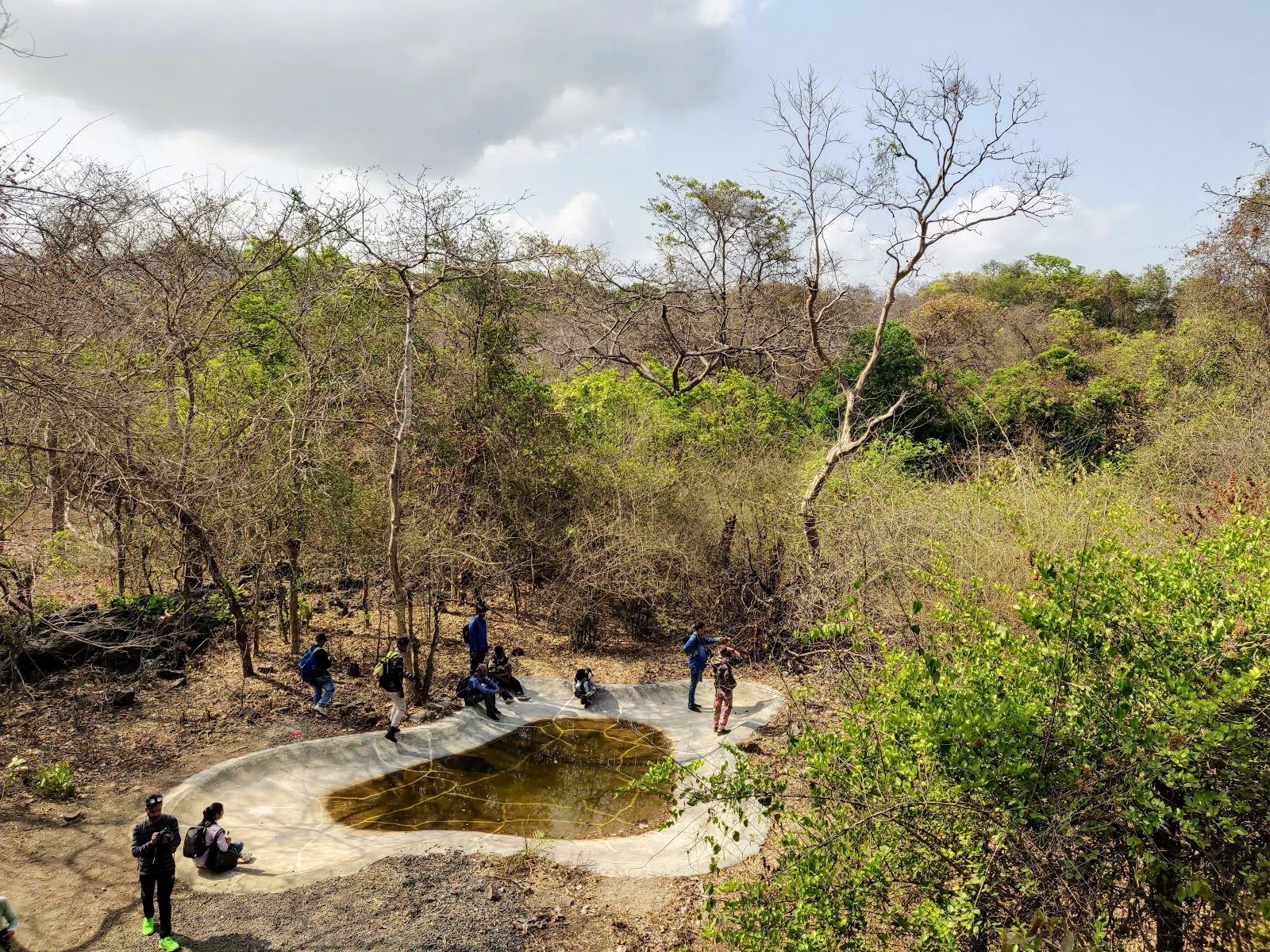
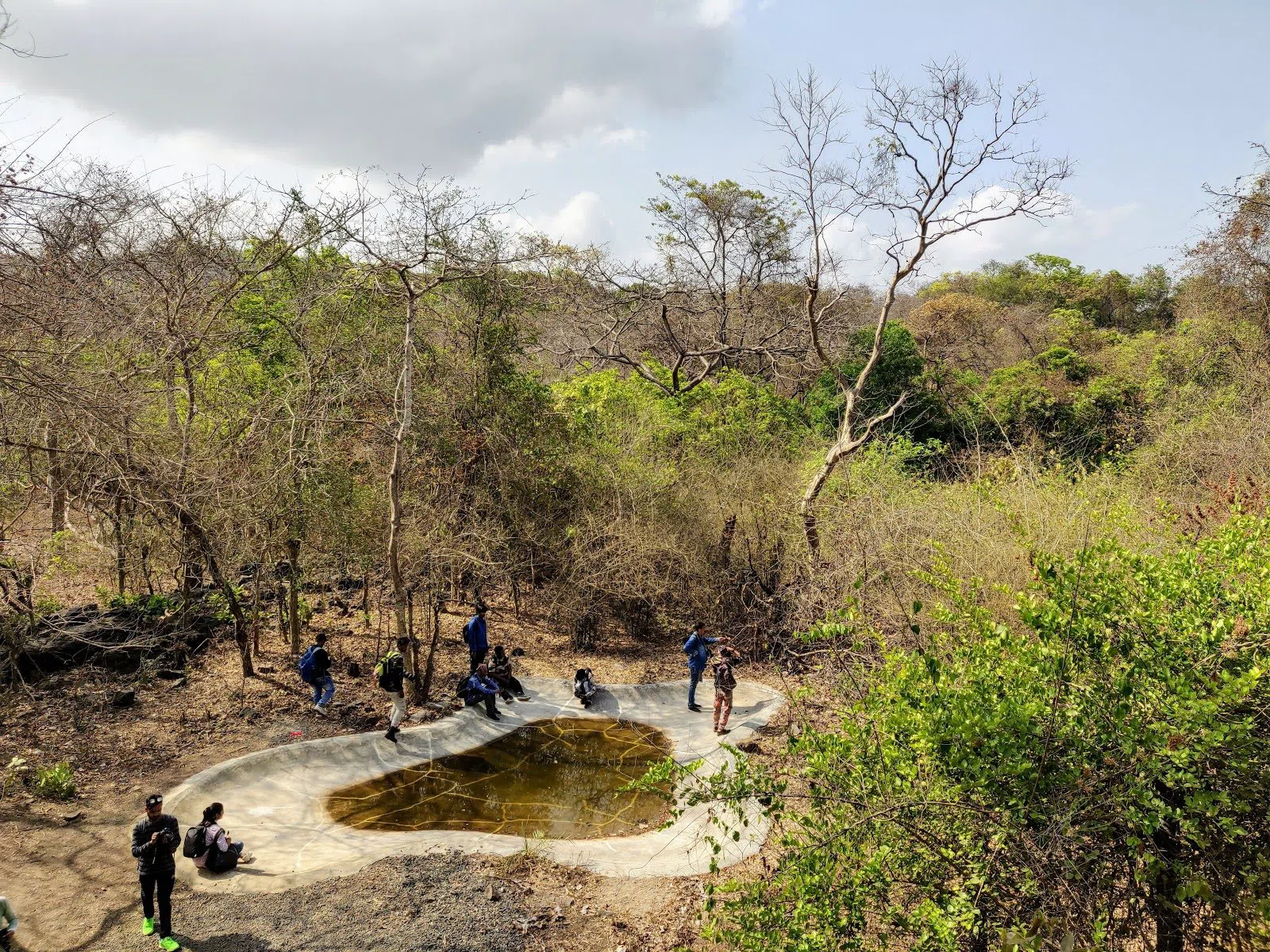
The forest begins about a kilometre past Borivali station, and first-time visitors rarely believe it until they see it. Sanjay Gandhi National Park (Borivali East) holds a 2,000-year-old Buddhist monastery cut into its basalt, a resident leopard population that moves through the surrounding suburbs after dark, and a metalled road that leaves the apartment blocks behind in under ten minutes. It is the only true national park inside an Indian metro. On the northern edge of the city, a day out means walking under trees instead of queueing at a monument.
Getting the Borivali gate right
The park runs on tickets bought in advance and slots that do not move, so the planning takes more effort than the travelling. Entry is ₹85 for Indian nationals and roughly ₹287 for foreign nationals, and every activity inside (the safari, the toy train, the shuttle to the caves) is ticketed separately. Book entry and each activity online before you arrive; do not count on a counter sorting it out at the gate.
The two headline activities suit a group far better than a couple. The lion-and-tiger safari and the toy train both run on fixed slots at roughly ₹50 to ₹130 each, and the train needs twenty riders before it will move, so two people can wait an hour and still not travel. The safari is a drive through an enclosure. Children enjoy it and it is worth doing on those terms, but it is not a jungle encounter and nobody should promise one.
The Monday closure is the rule that ruins days here. The park shuts on Mondays and almost every activity inside it stops with it. The walking road up Gandhi Tekdi and the Kanheri approach road stay open, but the caves themselves are locked, so a Monday visit buys you a road walk and nothing else. Go Tuesday to Sunday, and go early. The first hours after opening are cooler and quieter, and the light inside the caves is only worth the trip then.
Plan your Mumbai trip
Live prices from our booking partners.
Free cancellation on many rooms. We may earn a commission when you book.
The monastic city at the top of the road
Kanheri Caves sits six kilometres inside the Borivali East gate, and it is the best reason to make the journey. More than a hundred cells, halls, cisterns and staircases were cut into one basalt hillside over several centuries, beginning around two thousand years ago. What survives is a settlement, not a monument: carved water cisterns still catching runoff, channels and drains cut into the rock, benches where monks slept, and a great pillared hall that swallows sound. It is older than almost everything in south Mumbai and, on a weekday morning, emptier than any of it.
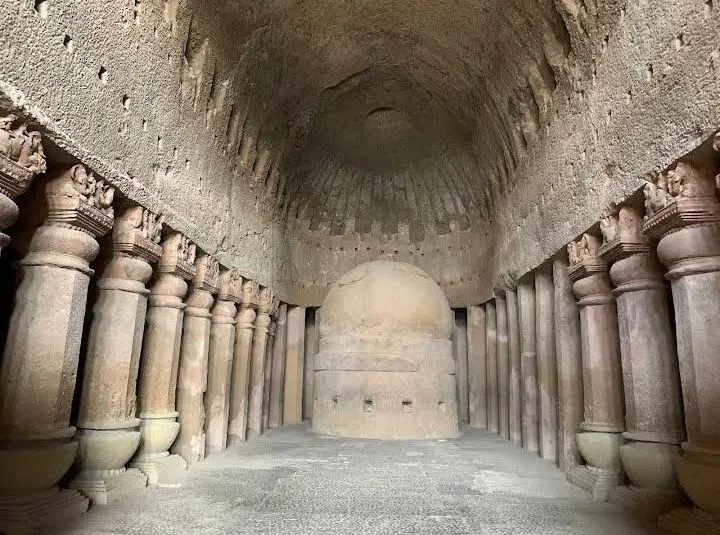
Pedestrian access along the road is restricted, so you cover the six kilometres by shared park shuttle or Omni van. Budget ₹20 to ₹60 each way and plan for the return leg as well as the climb. Cave entry is ₹85 for Indians and ₹200 for foreign nationals on top of the park gate ticket, and last entry is mid-afternoon. Two to three hours on site is honest: an hour if you only want the main chaitya hall, three if you mean to climb to the upper terraces and read the inscriptions. Carry water. The caves hold real shade and the steps between them have very little.
Groups handle Kanheri easily. The shuttle system means nobody has to keep pace with anybody, and the site is broad enough to absorb a coach party without feeling crowded. Couples looking for quiet should take the first shuttle of the day, not one in the middle of the morning.
A church stacked on a cave at Mandapeshwar
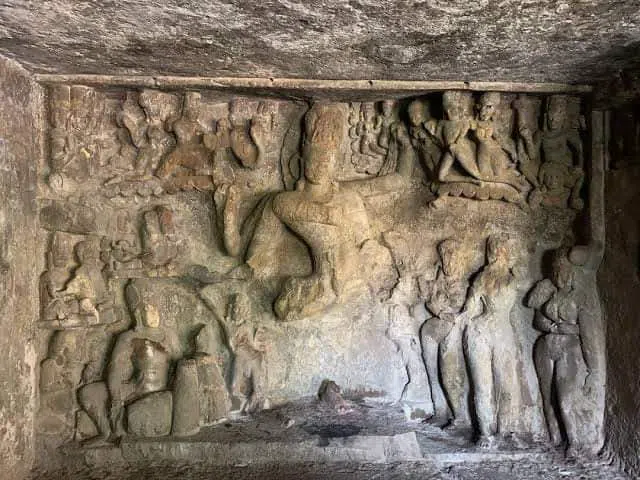
Twenty minutes from the SGNP gate and walkable from Borivali station, Mandapeshwar Caves (Borivali West) is the natural half-hour add-on to a Kanheri day. It is free and compact, set in an ordinary neighbourhood with no facilities of any kind. The detour earns its place through the stacking: a Hindu rock-cut shrine with a later church built directly on top of it, one period of the city's history resting physically on another. Nowhere else in Mumbai shows you that. Bring a small group or come as a pair, because a large party has nowhere to stand and nothing to use.
Leopard country, honestly described
The leopards are real, and they are why the park matters ecologically. They are also not a sighting you can book. They hunt at night along the forest edge where it meets housing, and a daytime visitor walking the Kanheri road will not see one, whatever anyone tells you. Out early and quiet, you will see the rest of it: langurs, spotted deer, kingfishers and drongos along the road, and more butterflies than a week in the city prepares you for. The leopard is the fact that explains the forest, and not your itinerary. Keep to the roads and marked trails after dusk, and do not walk the forest edge alone at night.
Walking the forest with someone who can read it
The BNHS Conservation Education Centre (on the park's Goregaon side) is where you learn to read the forest instead of driving through it. The Bombay Natural History Society is India's oldest natural history body, and in ten minutes its guides will name what a self-drive visit walks straight past: the call of a paradise flycatcher, the difference between the two hornbills, which tree the ants are farming. Organised forest walks run on published dates through the year at modest per-head fees, typically a few hundred rupees, and a group can arrange a private walk.
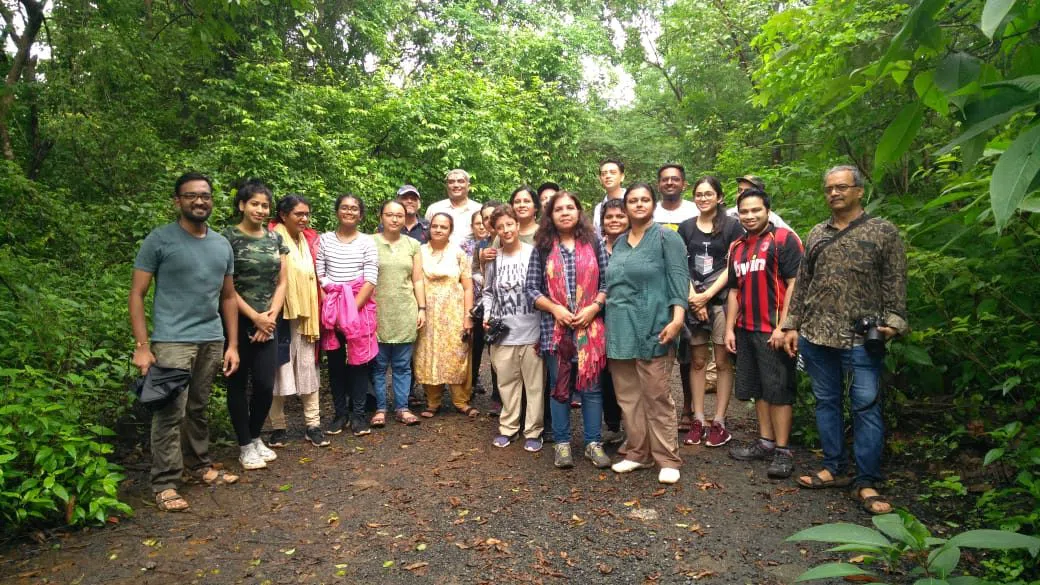
The centre is built for groups and has to be booked ahead, by registration form or by phone. You cannot drop in. If anyone in your party has a real interest in birds or trees, this is the best money you will spend on the whole northern edge.
The cave corridor up the ghats
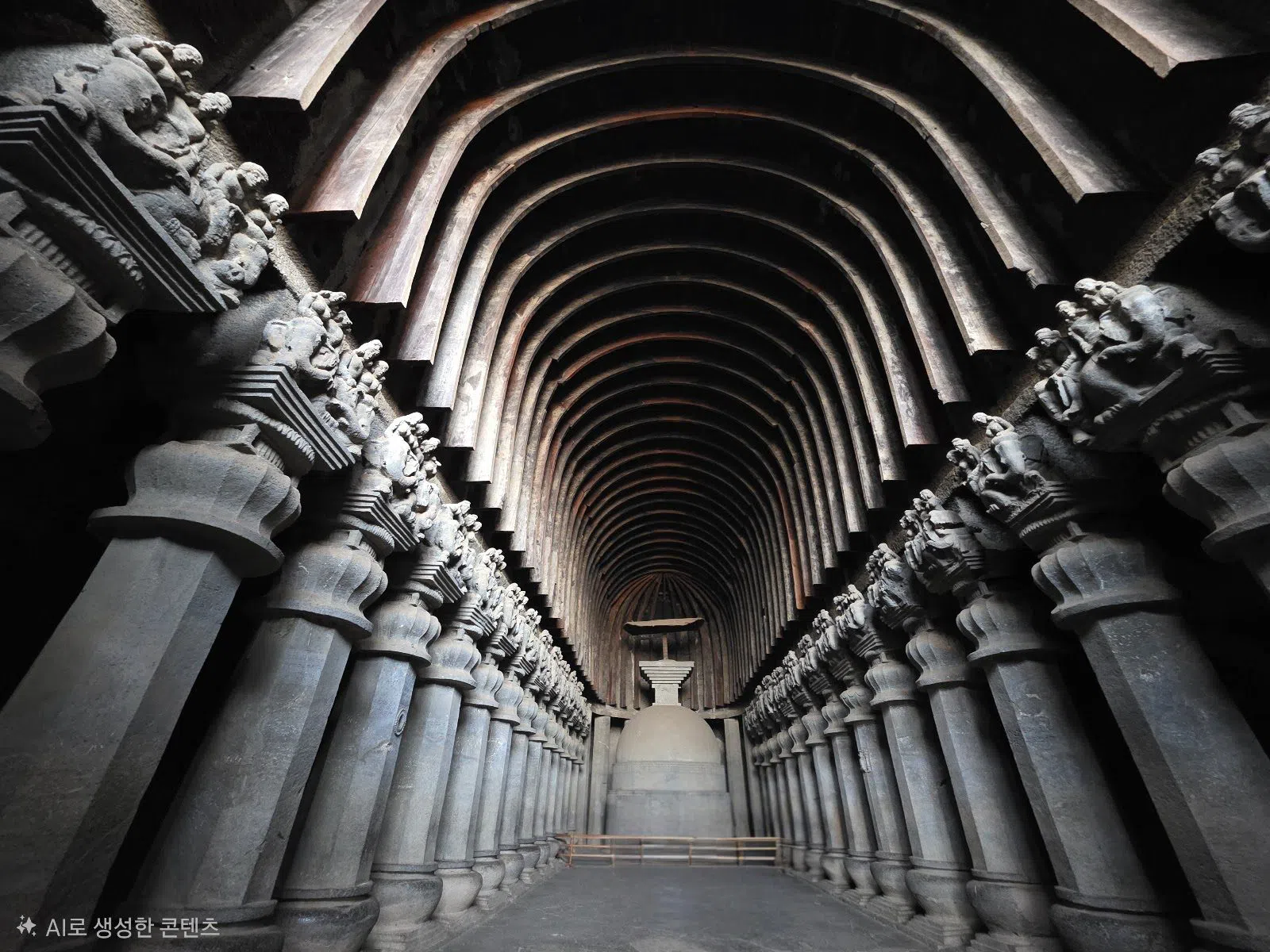
East of the city, where the expressway climbs into the Western Ghats, three more Buddhist cave groups sit within a long day's drive. Karla Caves (Karla village, above Malavli station) has the most impressive hall structurally within reach of Mumbai, a vast chaitya with its original timber ribs still in the ceiling and rows of carved elephants along the base. It is also a living temple, with a shrine sharing the entrance, and that is part of the interest and not a complication. Tell whoever you bring what to expect: it is loud, crowded and devotional, not contemplative. Weekends and festival days are heaving. Go on a weekday and be there before 10am. Entry is ₹25 for Indians and ₹300 for foreign nationals, with under-fifteens free.
Twenty minutes away, Bhaja Caves (Bhaje village) is the quieter and older-feeling alternative, reached by a short paved climb from the village car park with no religious crowds to negotiate. The stupa group and the open arch of the chaitya make it both the better walk and the better photograph. Tickets are nominal, roughly ₹25 for Indians and ₹300 for foreign nationals. Groups are comfortable here in a way they are not at Karla.
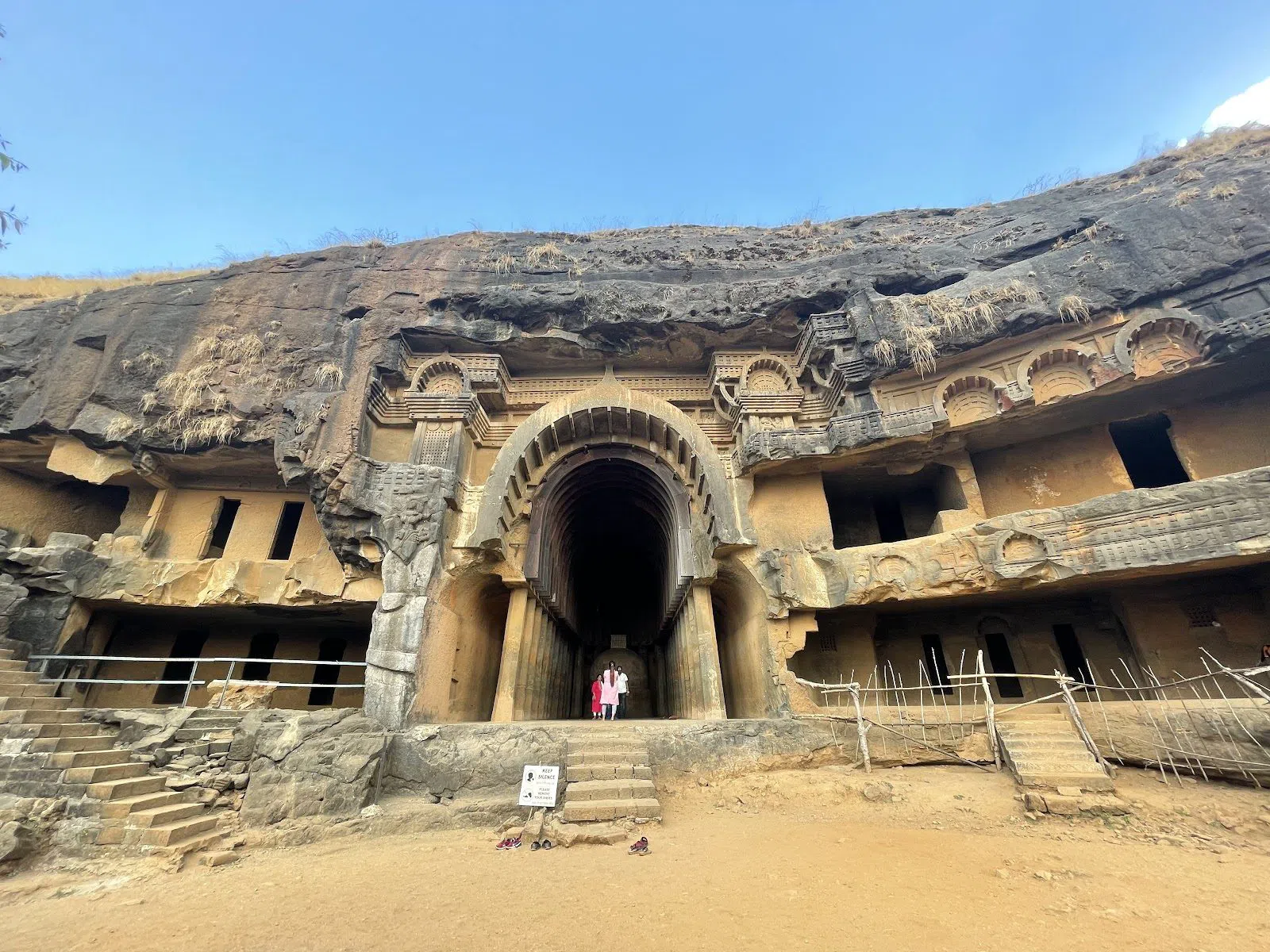
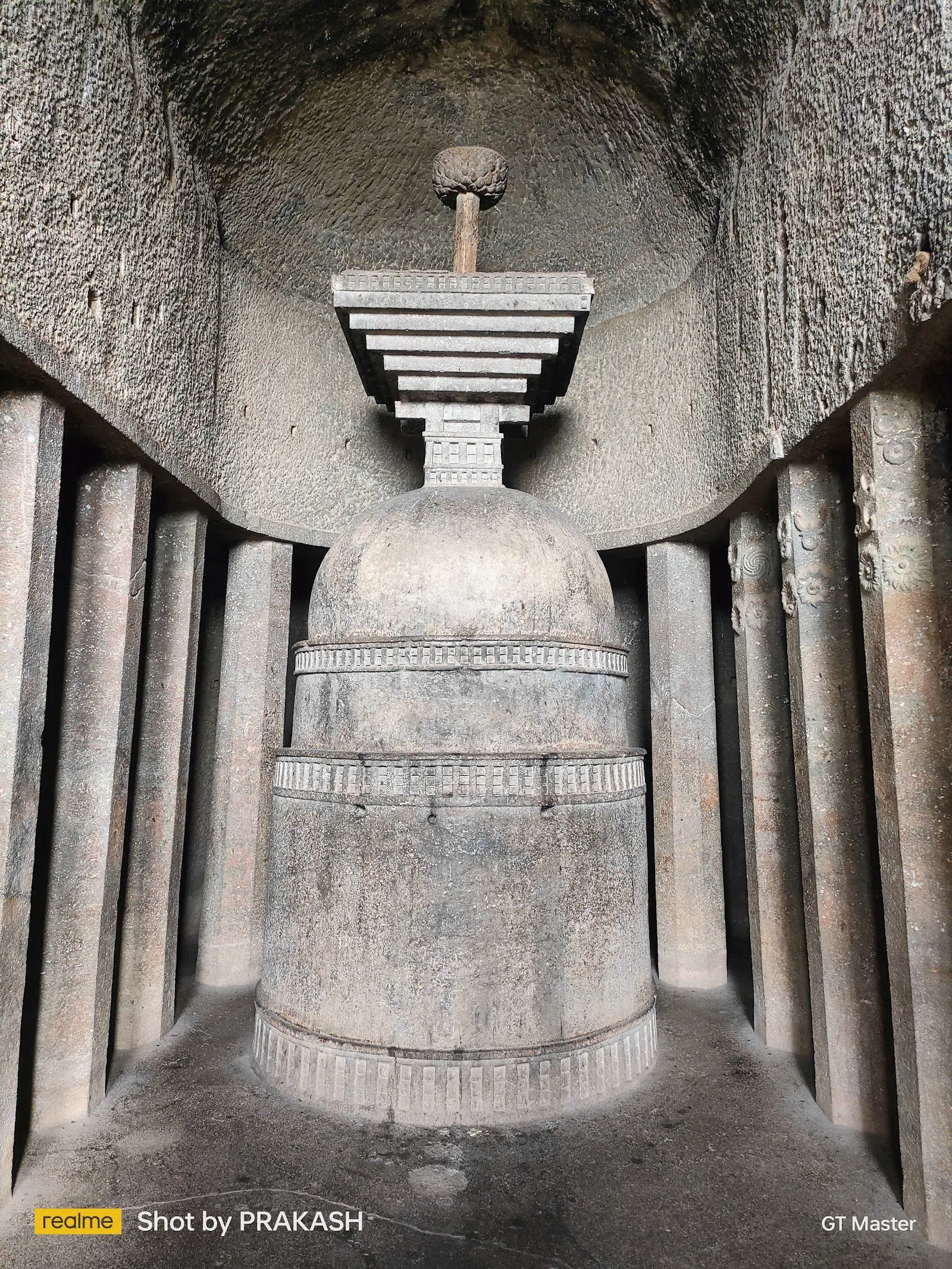
Bedse Caves (Bedse village) is the least visited of the three and carries the finest carved capitals, figures on elephants and horses at the tops of the pillars, sharper than anything at its neighbours. The cost is the approach: twenty to thirty minutes of climbing with no shade on the steps and no facilities at the top. Small groups only, and go early, because the entrance faces east and the light has gone by midday. Entry is about ₹20 to ₹25.
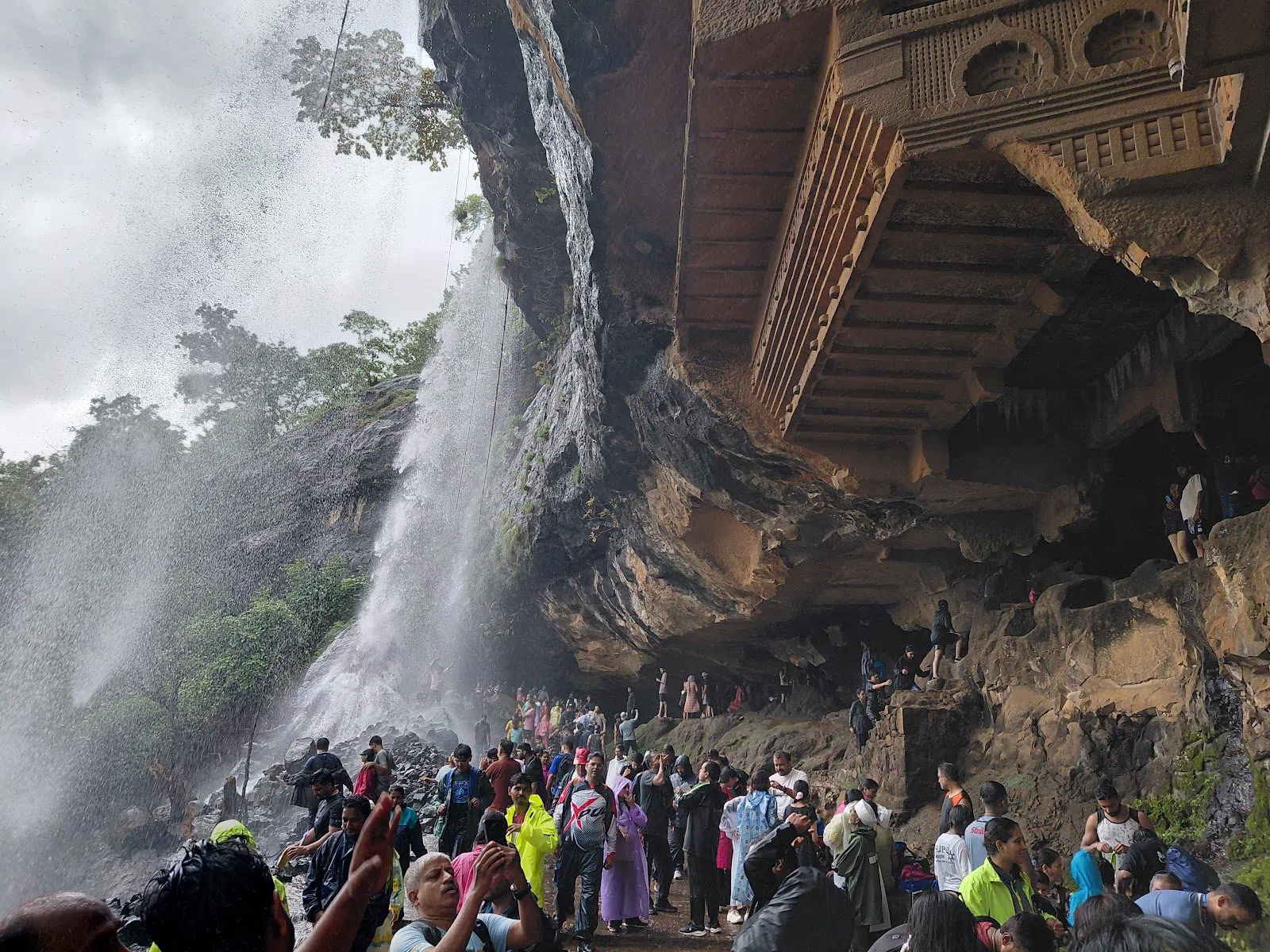
The fourth, Kondana Caves (Kondane village, reached from Karjat station), works differently. It is a forty to sixty minute walk in from the village, free to enter, with no ticket office, no signage and no shop. In and just after the monsoon it is the most atmospheric cave walk near the city, green right up to the rock face with water coming off the hillside. It is also unstaffed and earthquake-damaged, so take a local guide and proper footwear. Children manage the walk easily enough; the site itself needs supervision.
The counterpart across the harbour
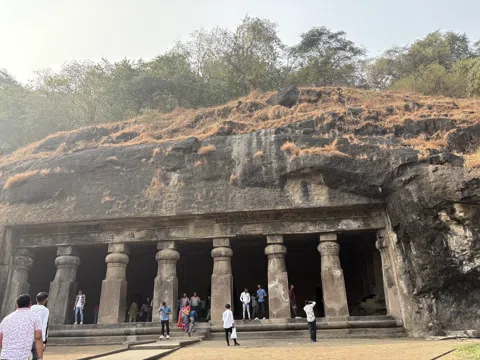
Elephanta Caves (Elephanta Island, ferries from the Gateway of India, Colaba) is the obvious pairing with Kanheri: Hindu rather than Buddhist, a UNESCO site, and built around one of the great pieces of Indian sculpture in the three-headed Trimurti. Ferries board first-come from the Gateway and the queue builds sharply after mid-morning, so take the 9am boat, especially with a group. The return crossing is around ₹250 to ₹260 including the upper deck; cave entry is ₹40 for Indians and roughly ₹600 for foreign nationals.
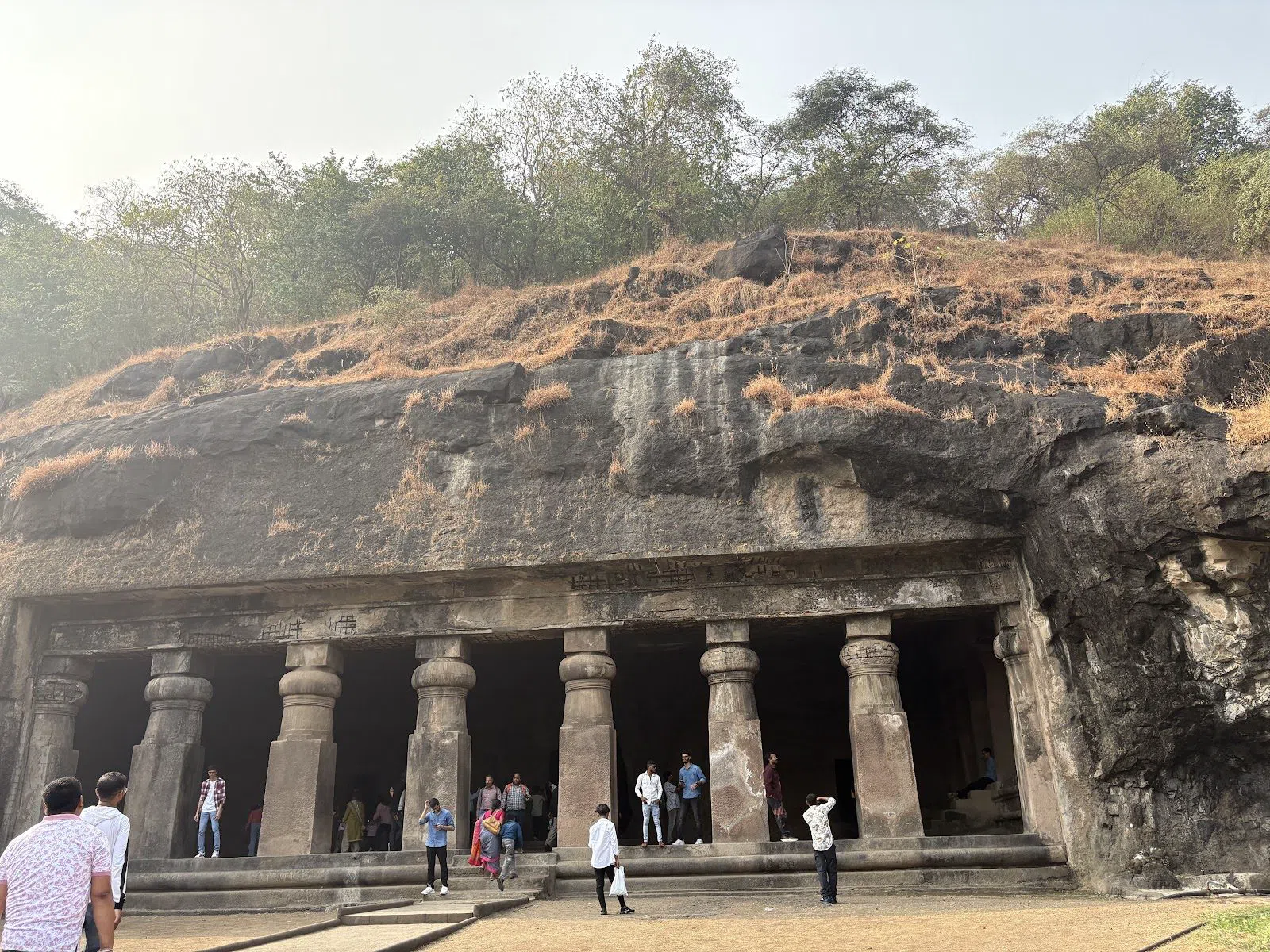
Two things shape the week around it. Elephanta closes on Mondays, exactly as Kanheri does, and the last return boat leaves at 5.30pm. That timing rules out combining it with the park in a single day. Keep them as two outings, because forced together you get a rushed version of both. More context on sequencing the city's set pieces sits in the Mumbai guide.
Birds, forts and a night in the forest
Karnala Bird Sanctuary, about 65 km out, is the best mix of birding and a walkable summit near the city, and the one place on this list where a group of mixed fitness can all reach the viewpoint. There is an official gate, ticketing and parking; entry is ₹60 for Indians and ₹120 for foreign nationals, plus parking. It closes on Mondays and last entry is 4pm, so start early. November to February is the real season.
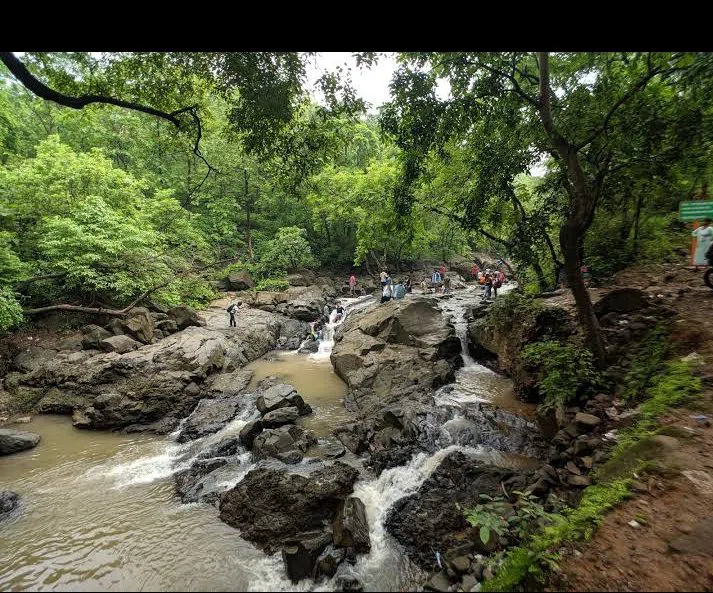
Tungareshwar Wildlife Sanctuary, an easy train ride to Vasai Road, is the closest genuine forest north of the city and costs around ₹50 a head. Access into the deeper jungle and to the waterfall has been restricted, and that status changes, so confirm at the gate on the day instead of building a plan around it. Describe it to your group as a temple walk with good birdlife and it will hold up.
Phansad Wildlife Sanctuary, at 140 km, is a stretch as a day trip and much better as an overnight, and it is the only place here that can put a group up. Entry is ₹60, huts run around ₹2,000 and tents from ₹800, all bookable online, and guided nature safaris are available. It is the richest forest on this list, with 148 recorded bird species, and the season runs November to March.
Clean air and no cars at Matheran
Matheran is Asia's only vehicle-free hill station and the cleanest air within reach of Mumbai. Take the local train to Neral, then either the hill railway or a shared taxi up to Dasturi, and e-rickshaws inside the town at ₹35 a seat. Town entry is ₹60 plus transport, and a full day out of Mumbai runs roughly ₹1,200 to ₹1,800 a head. Hire a guide for the viewpoint circuit. The paths fork constantly and the good outlooks are not the signposted ones.
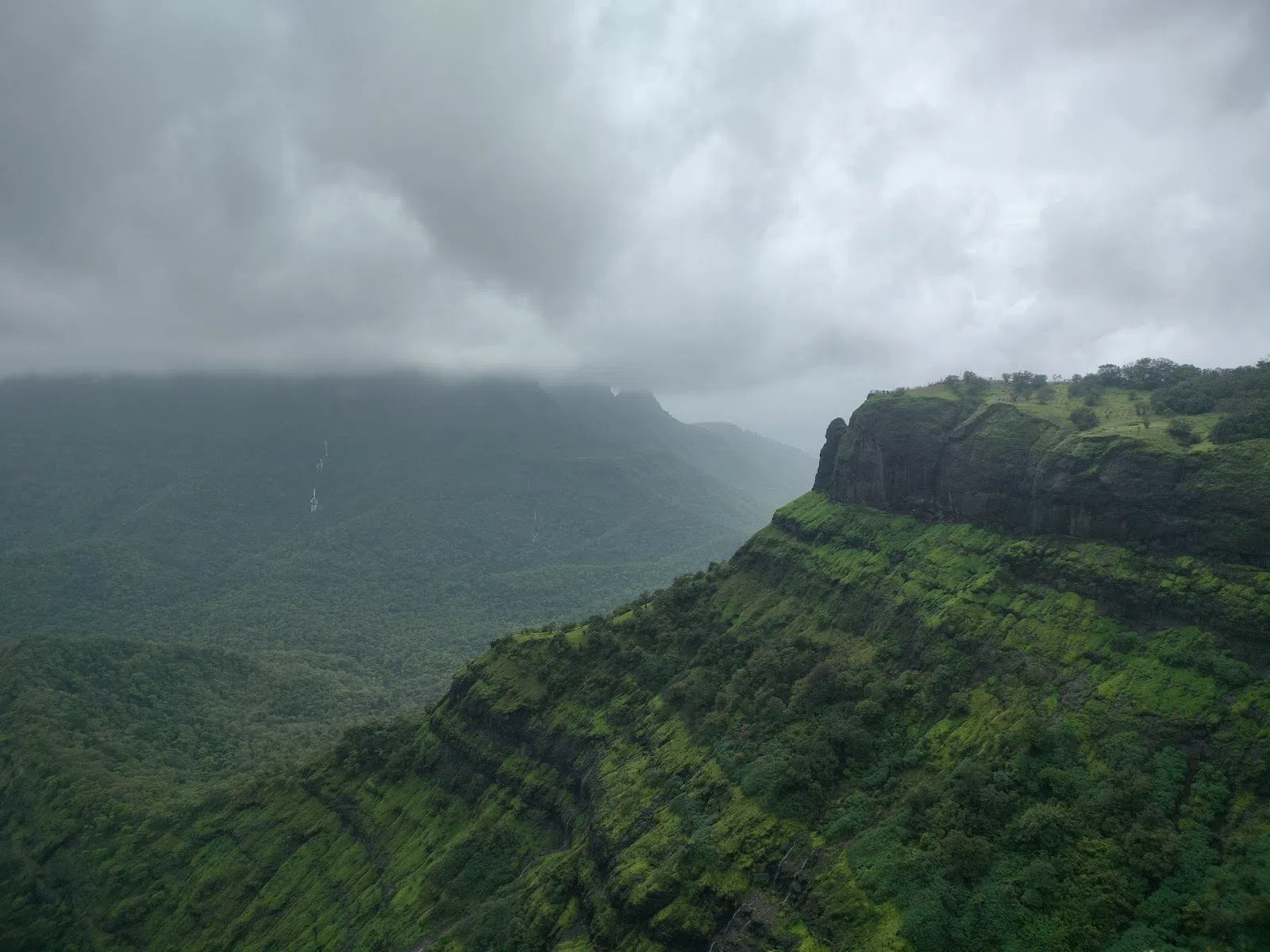
Check the trains before committing. The Neral to Aman Lodge section is suspended from 15 June to 15 October each monsoon, leaving only the short Aman Lodge to Matheran shuttle, and a group that turns up expecting the full ride will be taking taxis instead.
The half-day version inside the city
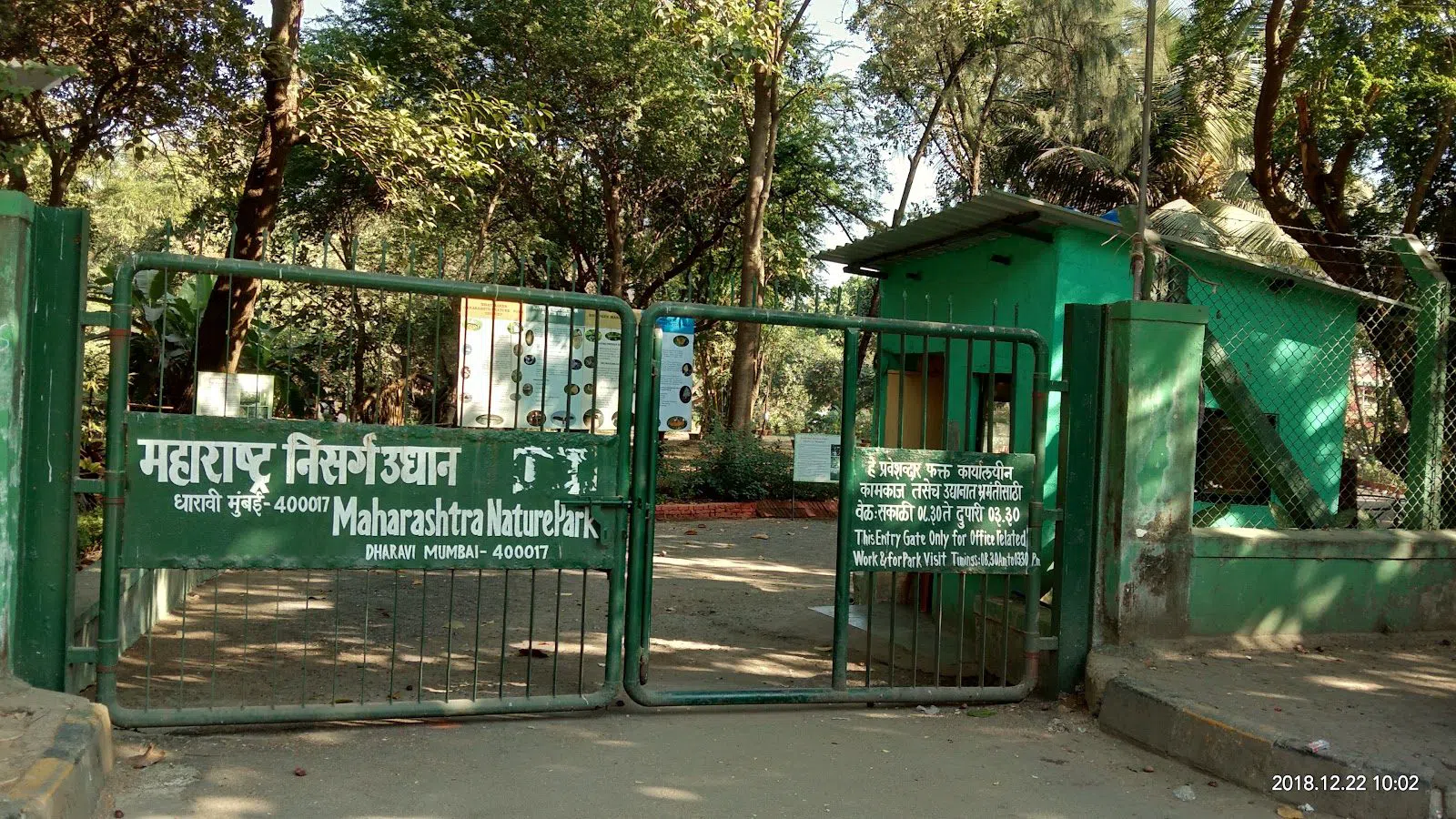
Maharashtra Nature Park (Dharavi side of the Mahim causeway) is the half-day counterweight to everything above. A municipal landfill was planted over and turned into working forest in a single generation, twenty minutes from the airport, and it now holds birds that have no business living in central Mumbai. Entry is ₹20 per person and ₹100 for a camera. It opens only 8.30am to 3.30pm, to protect the roosting birds, runs morning slots for school and visitor groups, and closes on public holidays, so confirm the date before you commit a group.
Practical notes
Transport north is simplest by train. The Western line to Borivali is faster than any road at rush hour, and the park gate is a short auto ride from the station. Going by car, aim to be through the gate before the mid-morning traffic builds on the Western Express Highway. For the ghat caves you want a hired car for the day, or the train to Malavli for Karla and Bhaja. Karjat station serves Kondana, Neral serves Matheran, Vasai Road serves Tungareshwar.
Carry cash. Online booking covers the park and its activities, and Phansad's accommodation, but shuttle vans, e-rickshaws, village guides and the smaller cave tickets are cash-first, and ATMs thin out fast once you leave the suburbs. Small notes in particular.
Timing decides everything on this side of the city. Mondays close Sanjay Gandhi National Park, Kanheri, Elephanta and Karnala, so treat Monday as a city day. Last entry is mid-afternoon at Kanheri and 4pm at Karnala, Elephanta's last boat back is 5.30pm, and Maharashtra Nature Park shuts at 3.30pm. November to February is the season for every sanctuary here; the monsoon months are for Kondana and the waterfalls, and for nothing that involves a long climb.
On budget, an Indian national can do the park, Kanheri, the shuttle both ways and Mandapeshwar for well under ₹300 plus transport, and a foreign national should expect closer to ₹550 for the same day. Matheran is the expensive outing at ₹1,200 to ₹1,800 a head, and Phansad's overnight huts at around ₹2,000 are the only accommodation cost on the list. If you would rather sleep closer to the forest than to the harbour, the northern suburbs put you twenty minutes from the gate. Compare rates through Mumbai hotel search before you fix the day.
Before you go
Can you visit Sanjay Gandhi National Park and Kanheri Caves on a Monday?
No. The park and the caves both close on Mondays, and almost every activity inside stops with them. The Gandhi Tekdi walk and the Kanheri approach road stay open, but the caves themselves are locked, so a Monday visit is a road walk without the caves. Elephanta and Karnala also close on Mondays, so keep Monday for the city.
How do you get from the park gate up to Kanheri Caves?
By shared park shuttle or Omni van, roughly ₹20 to ₹60 each way for the six kilometres. Walking the road up is restricted now, so plan on paying both directions, and check when the last shuttle comes down, since last entry to the caves is mid-afternoon.
What does a day at the park and Kanheri actually cost?
Park entry is ₹85 for Indian nationals and about ₹287 for foreign nationals; Kanheri adds ₹85 or ₹200 on top, plus the shuttle. The safari and the toy train are separate tickets at roughly ₹50 to ₹130 each. An Indian national can do the whole day under ₹300 plus transport; a foreign national should budget closer to ₹550.
Will you see a leopard in Sanjay Gandhi National Park?
Almost certainly not. The leopards are resident but nocturnal, and they move along the forest edge after dark. A daytime visitor sees langurs, spotted deer and a lot of birds. The lion-and-tiger safari is a drive through a fenced enclosure rather than a wild sighting.
Is the toy train worth booking for two people?
Not reliably. It runs on fixed slots and needs twenty riders before it will move, so a couple can wait a long time and never get a ride. It works for a group or a family party. Two people are better off putting that time into Kanheri and adding Mandapeshwar on the way back.